
The Rope Dancer — History & Facts
In The Rope Dancer, Henri de Toulouse-Lautrec presents a lively scene filled with color and movement. The central figure, a rope dancer, is depicted in mid-performance, showcasing a sense of grace and agility. Surrounding her are blurred figures, suggesting an audience captivated by her act.
The vibrant palette includes reds, yellows, and blues, creating a lively atmosphere typical of the artist's work. This painting exemplifies Toulouse-Lautrec's distinctive style, characterized by bold outlines and dynamic compositions. The use of oil on canvas allows for rich textures and vivid colors that enhance the sense of movement. The dimensions are approximately 80 x 100 cm, making it a sizable work that draws viewers in.
The brushwork is fluid, emphasizing the dancer's motion and the excitement of the performance. Henri de Toulouse-Lautrec was known for his depictions of Parisian nightlife and entertainment, and The Rope Dancer is no exception. Created in the 1890s, this work reflects the artist's fascination with performers and the world of cabaret. An interesting fact about this painting is that it captures the essence of the vibrant Montmartre district, where many of Lautrec's subjects came to life.
This piece remains a testament to his ability to convey the energy of the stage.
More Artworks by Henri de Toulouse-Lautrec
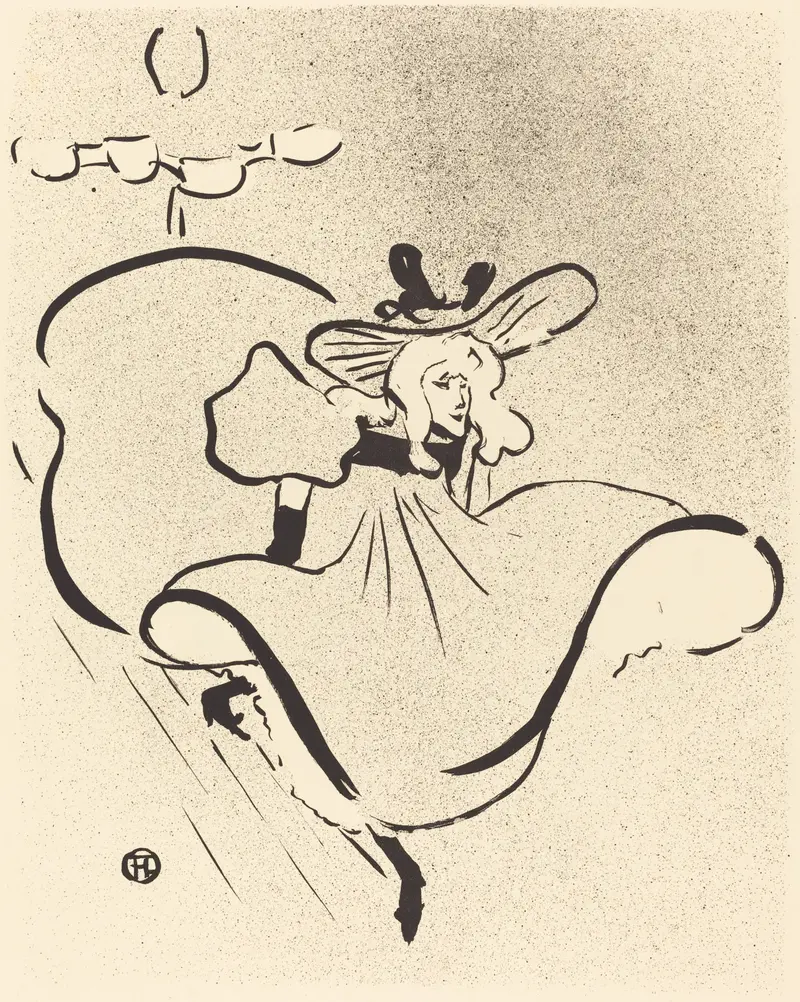
Jane Avril
Henri de Toulouse-Lautrec
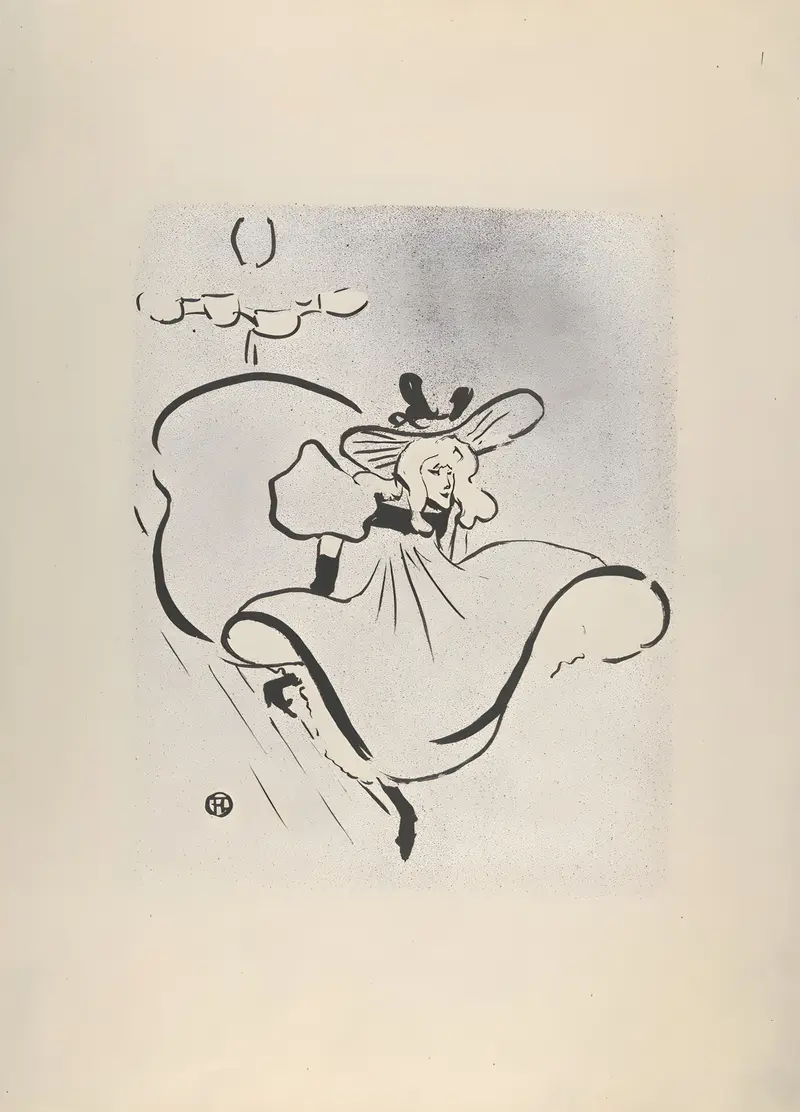
Jane Avril.
Henri de Toulouse-Lautrec

Quadrille at the Moulin Rouge
Henri de Toulouse-Lautrec
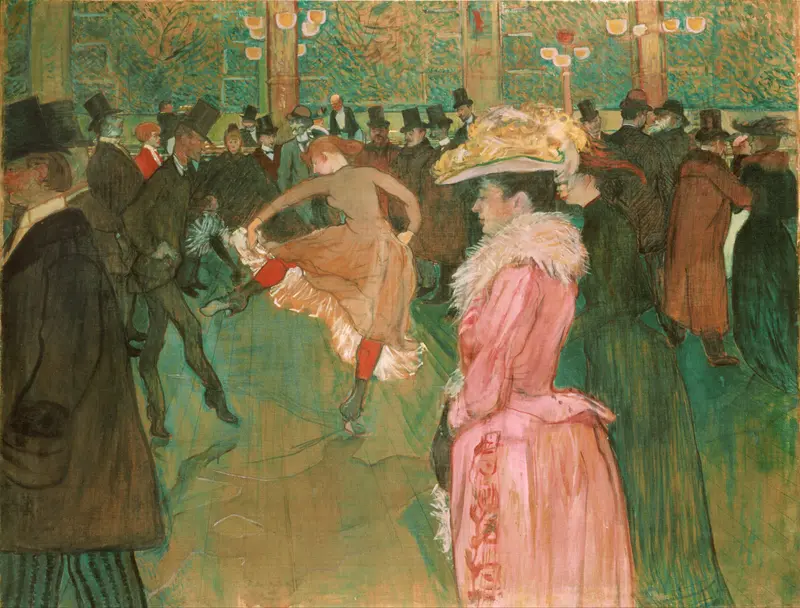
At the Moulin Rouge- The Dance
Henri de Toulouse-Lautrec
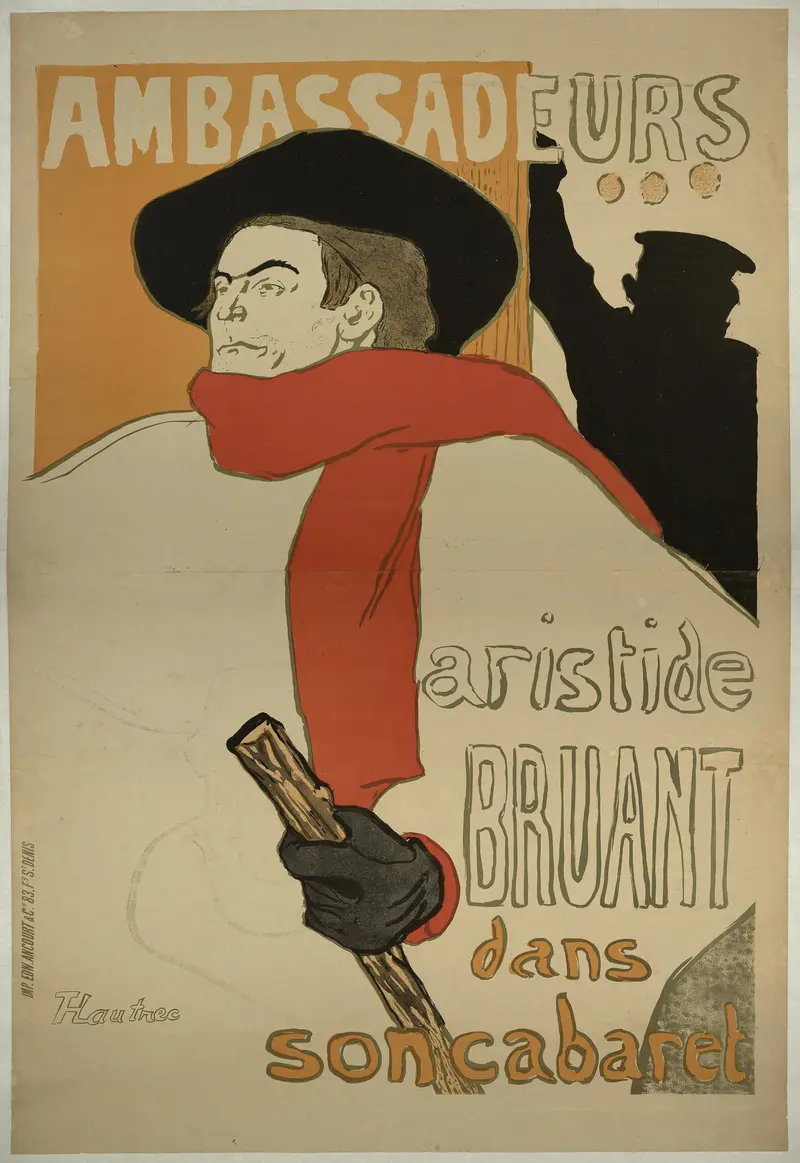
Ambassadeurs. Aristide Bruant dans son cabaret
Henri de Toulouse-Lautrec
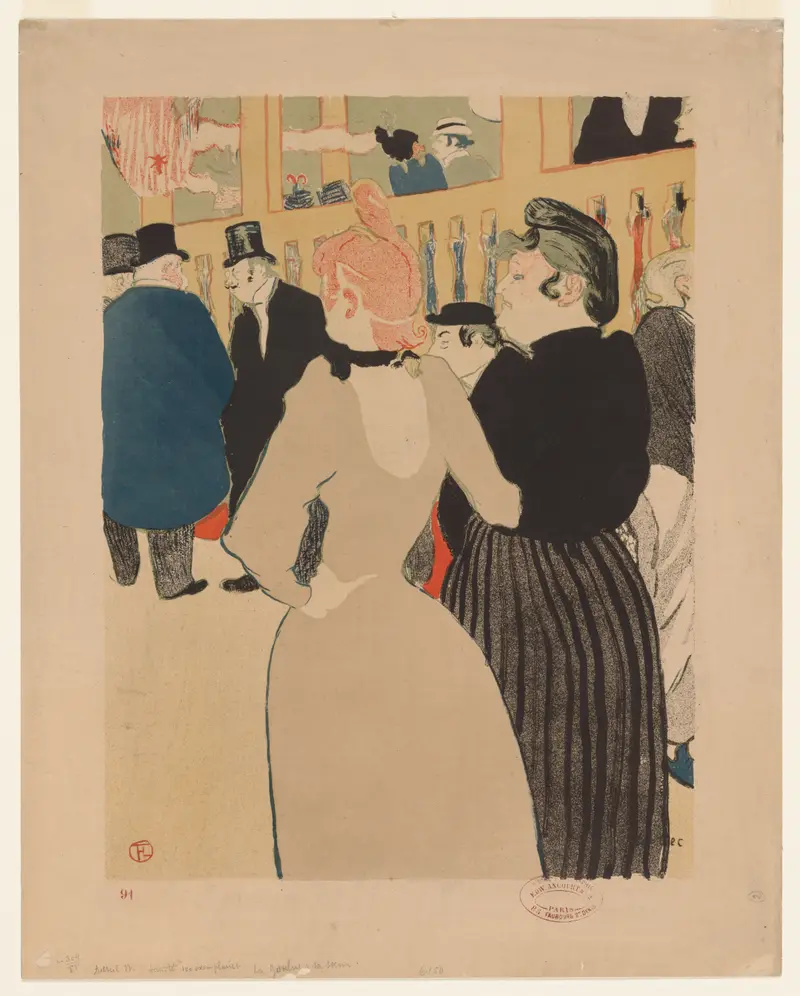
At the Moulin Rouge; La Goulue and Her Sister
Henri de Toulouse-Lautrec
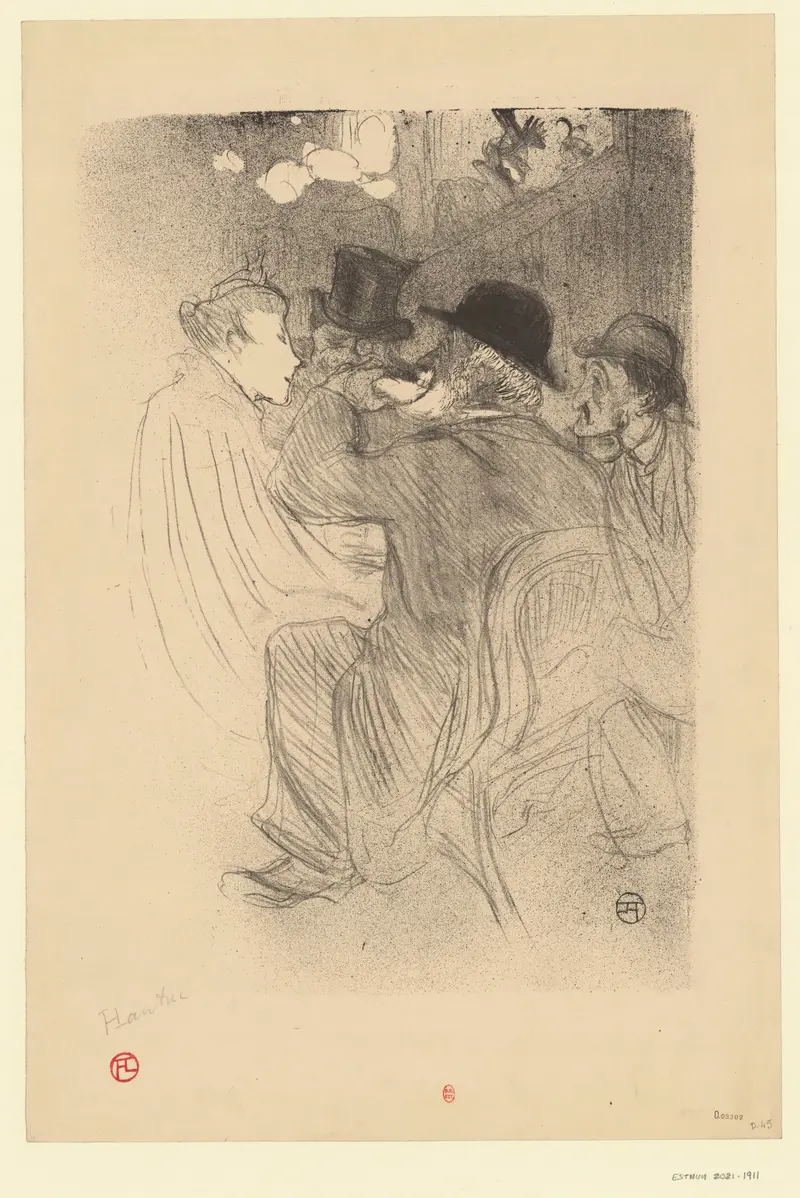
Au Moulin Rouge;Un Rude! Un Vrai Rude!
Henri de Toulouse-Lautrec
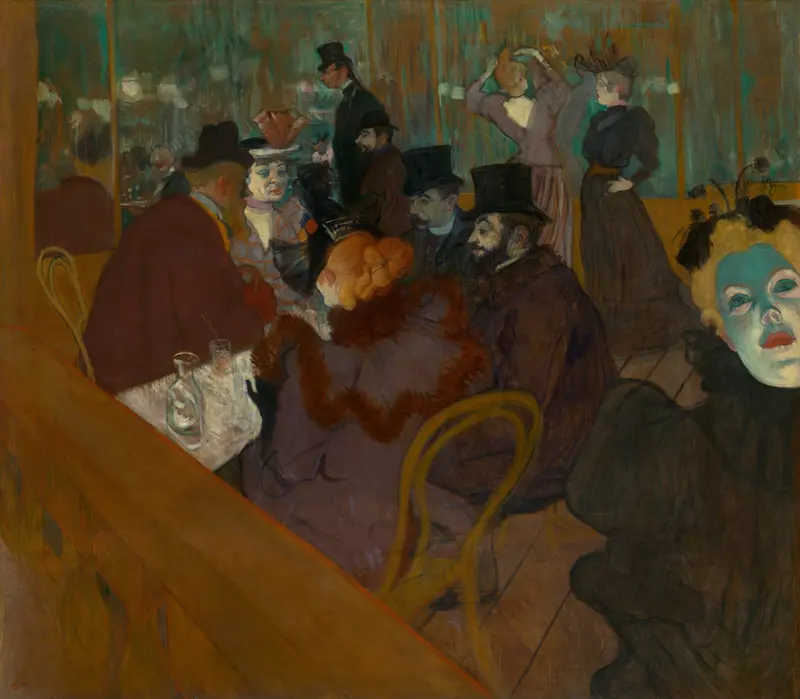
At the Moulin Rouge
Henri de Toulouse-Lautrec
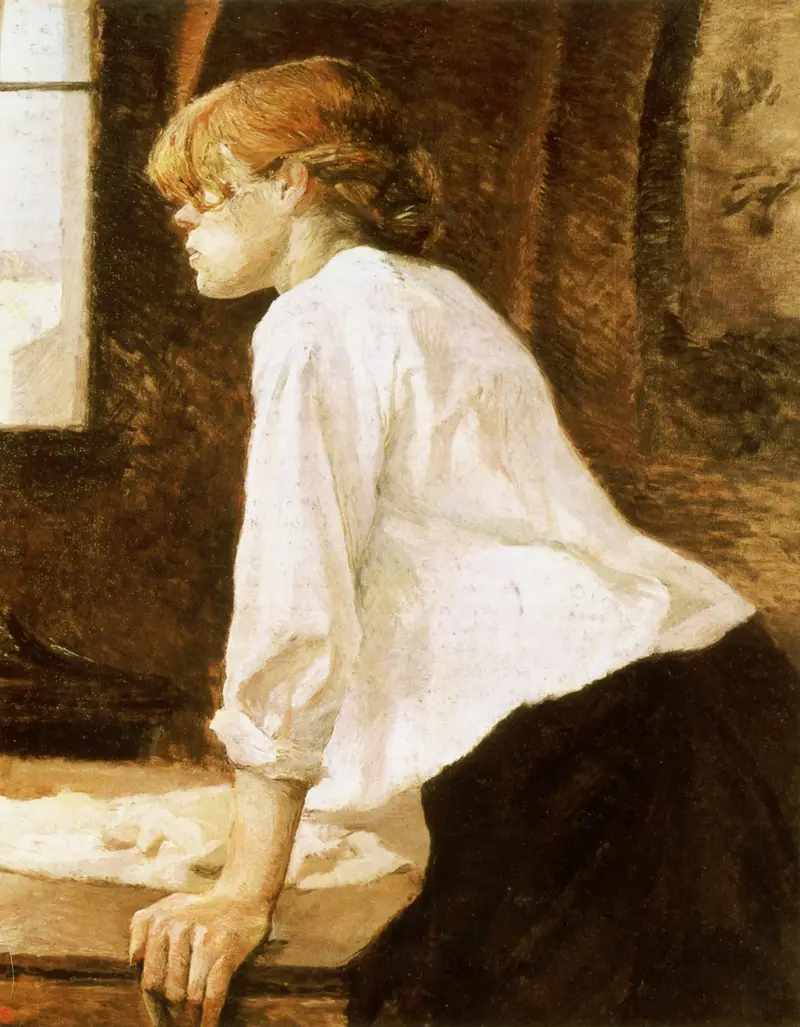
La Blanchisseuse
Henri de Toulouse-Lautrec
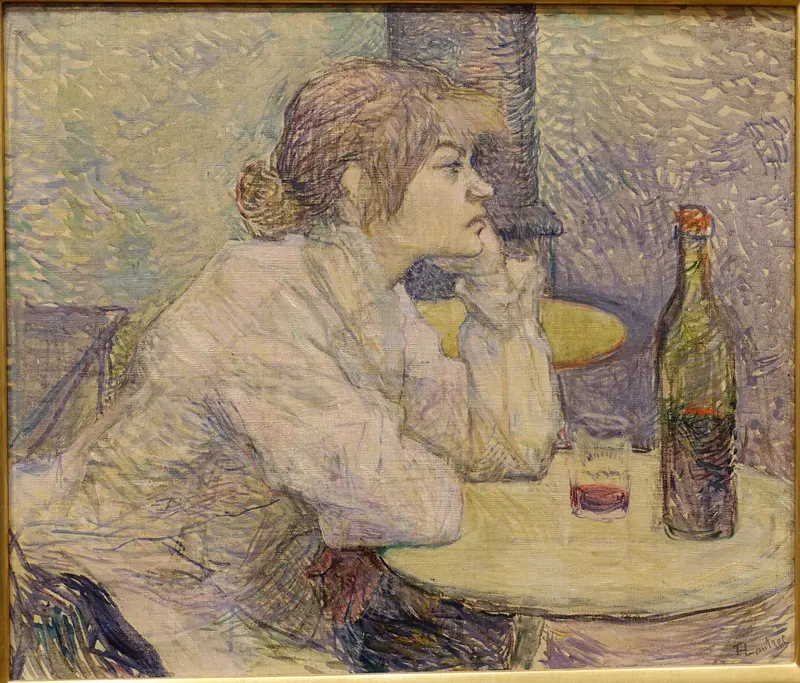
The Hangover (Suzanne Valadon)
Henri de Toulouse-Lautrec



