
The ruined Church at Avaldsnes at Karmøy — History & Facts
Is this a mirror — or a memory? The lines between reality and reflection blur in a landscape steeped in nostalgia, where the remnants of a once-mighty church echo the passage of time. Look to the foreground, where the crumbling stones of the church draw the eye, their weathered surfaces telling stories of resilience and decay. The artist employs a muted palette, with grays, browns, and hints of green, creating a somber yet contemplative mood. Notice how the light plays delicately upon the ruins, illuminating fragments of history while casting deep shadows that tease at the enigma of the past.
This interplay of light and shade invites the viewer to step closer, to investigate the delicate balance between the structure's former glory and its current desolation. The emotional tension in this piece lies in the juxtaposition of nature and man-made architecture. The surrounding landscape, lush and verdant, serves as both a backdrop and a character in the story — nature reclaiming its space, while the remnants of human ambition gradually fade away. The delicate brushwork captures not just the physicality of the ruins, but also their emotional weight, as if they evoke a sense of mourning for what is lost, alongside a reverence for the eternal cycle of life and decay. Johan Christian Dahl painted this evocative scene in 1820, during a period marked by Romanticism’s preoccupation with nature and the sublime.
Working in Norway, he found inspiration in the dramatic landscapes that surrounded him, reflecting both his personal experiences and the broader artistic movement that sought to explore the interplay between humanity and the natural world. As a significant figure in Scandinavian art, Dahl’s work captured the essence of his time, where the ruins of the past became vessels for both memory and imagination.
More Artworks by Johan Christian Dahl
Browse all →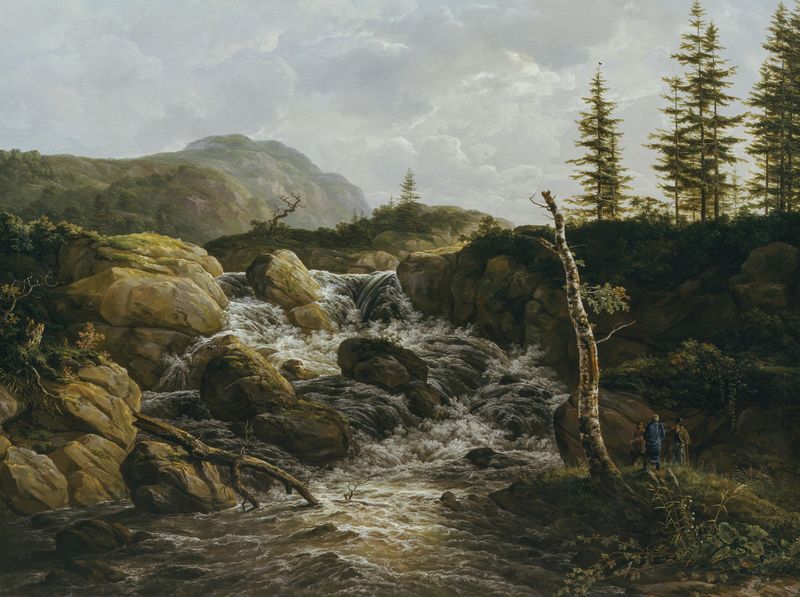
Mountainous Landscape with a Waterfall, Norway
Johan Christian Dahl
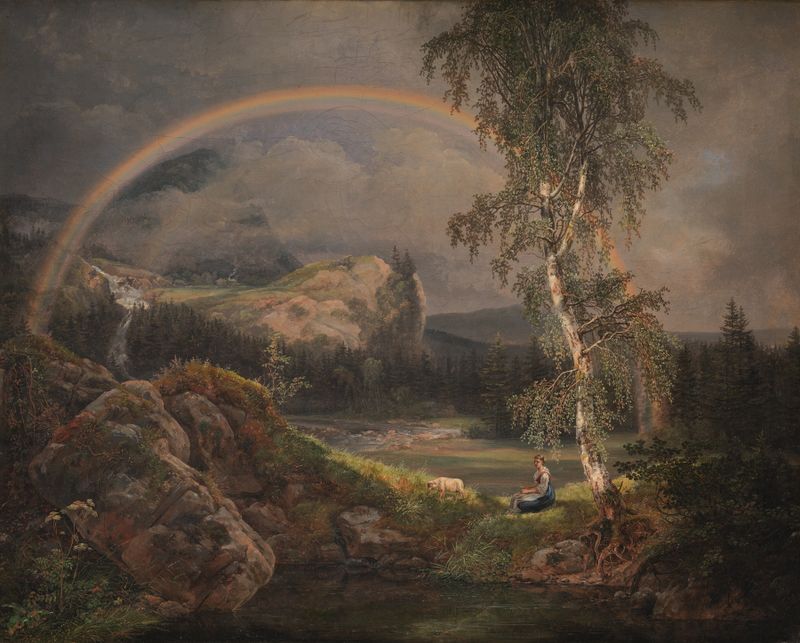
Norwegian Landscape with a Rainbow
Johan Christian Dahl
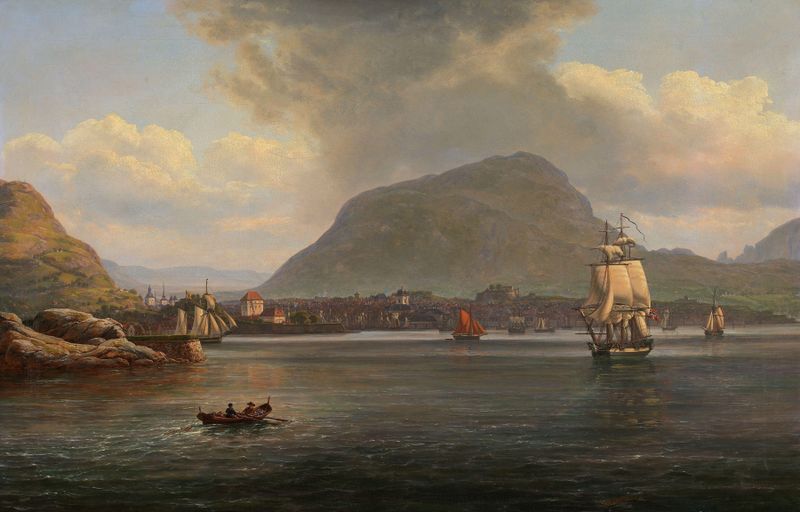
Bergen seen from the northern Inlet
Johan Christian Dahl
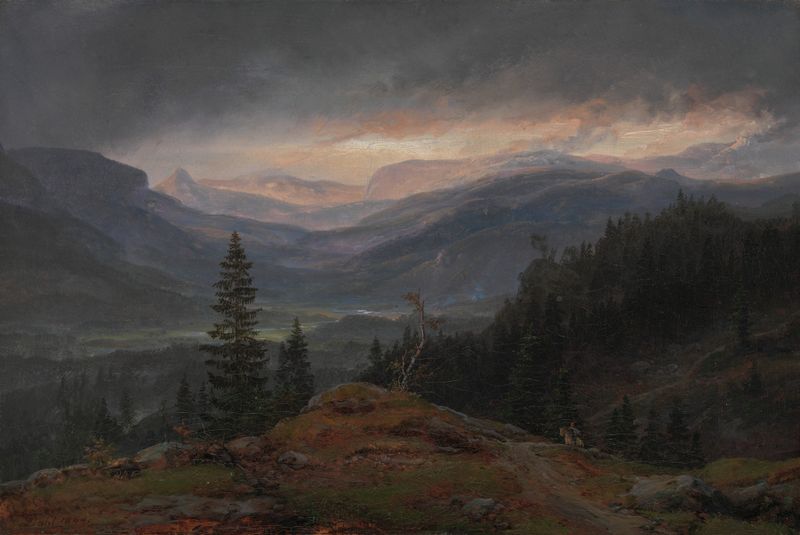
View over Hallingdal
Johan Christian Dahl
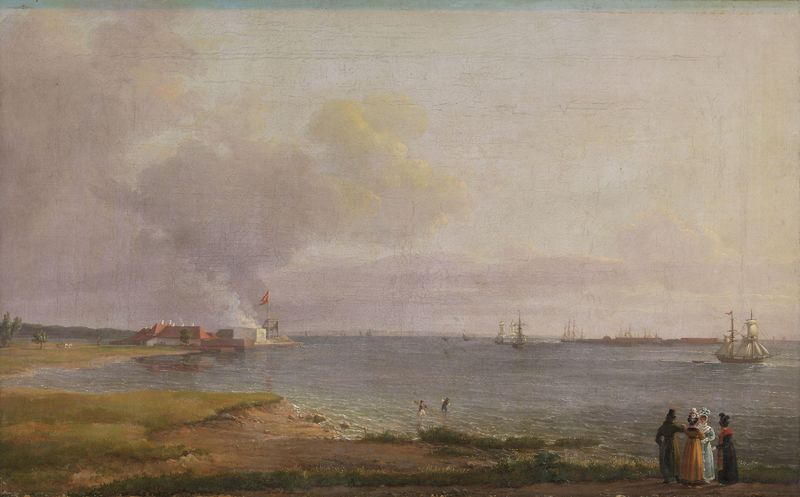
View over Øresund near the Lime Works
Johan Christian Dahl
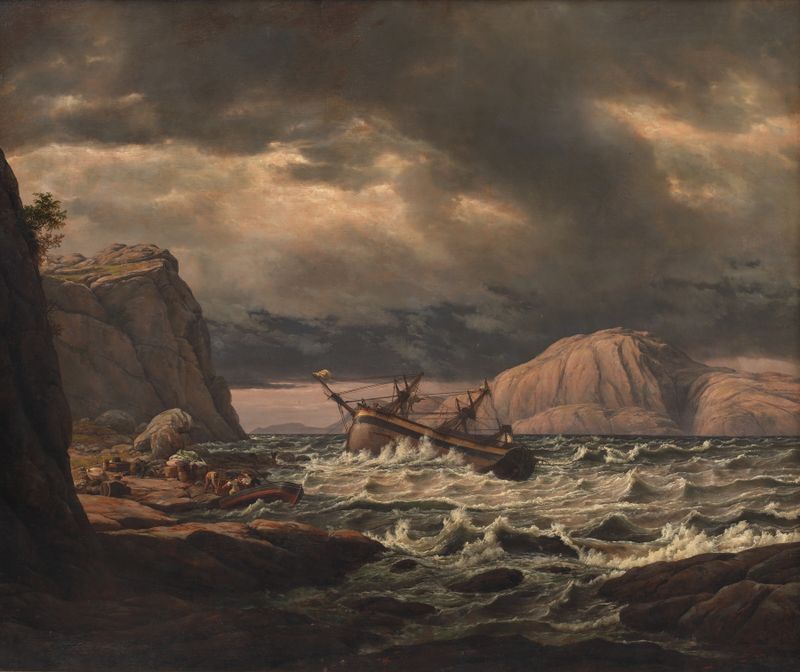
A Shipwreck on the Coast of Norway
Johan Christian Dahl
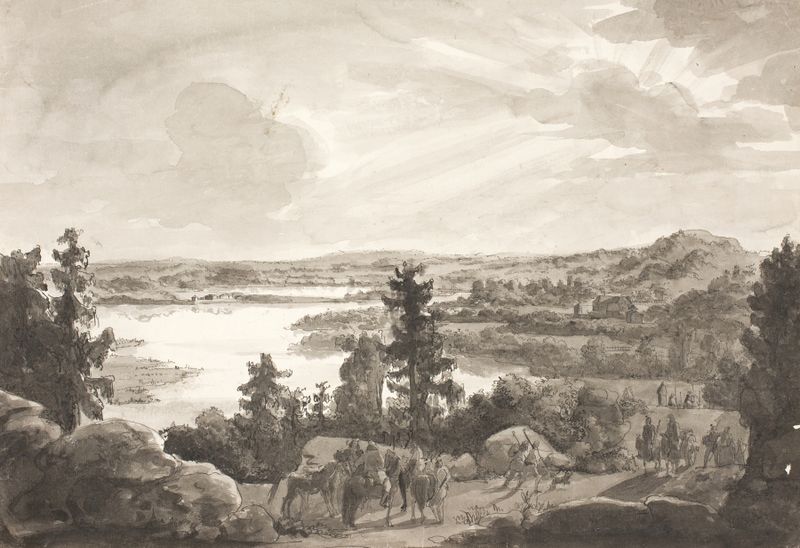
View of a Lake, Norway
Johan Christian Dahl
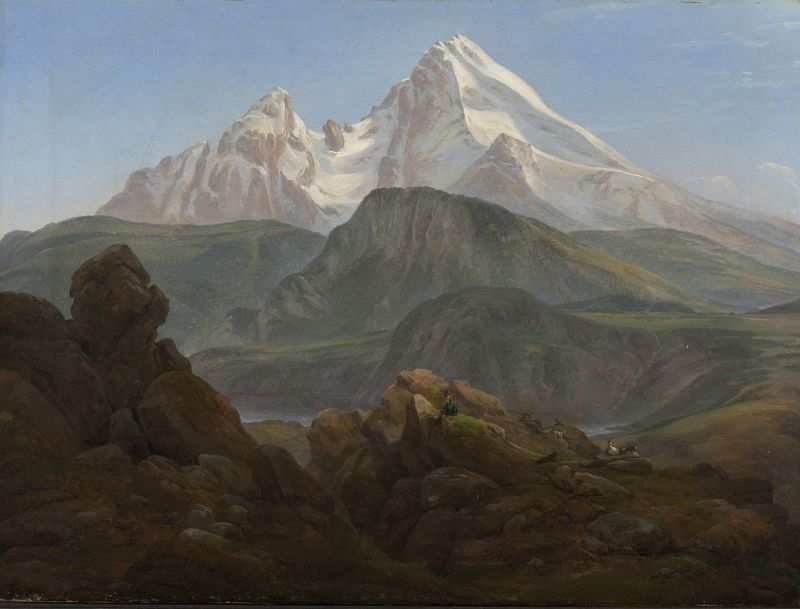
The Watzmann
Johan Christian Dahl
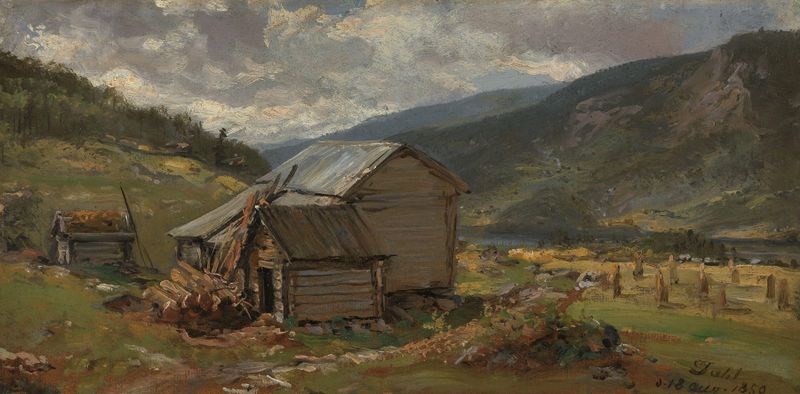
View of Hjelle in Valdres
Johan Christian Dahl

View At Skjolden In Lyster
Johan Christian Dahl





