The Saint of the Inner Light (Die Helige vom inner Licht) — History & Facts
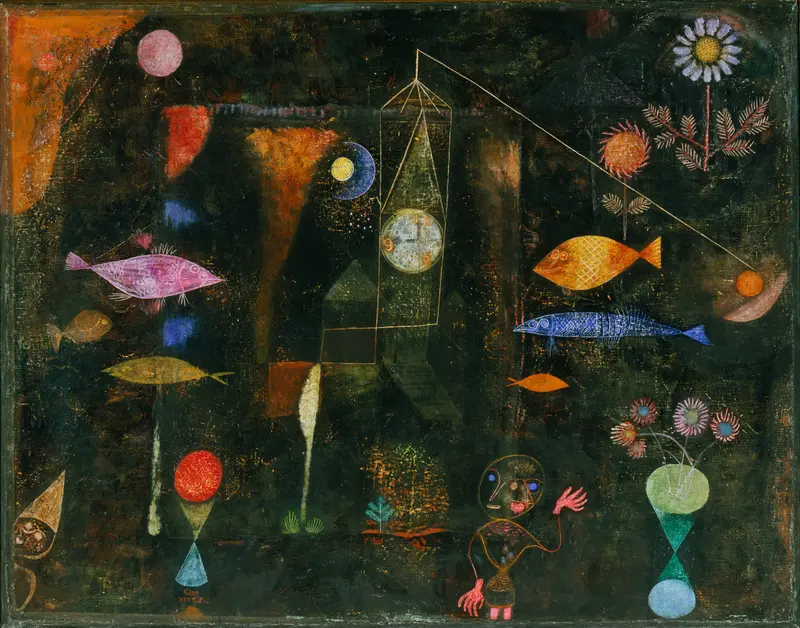
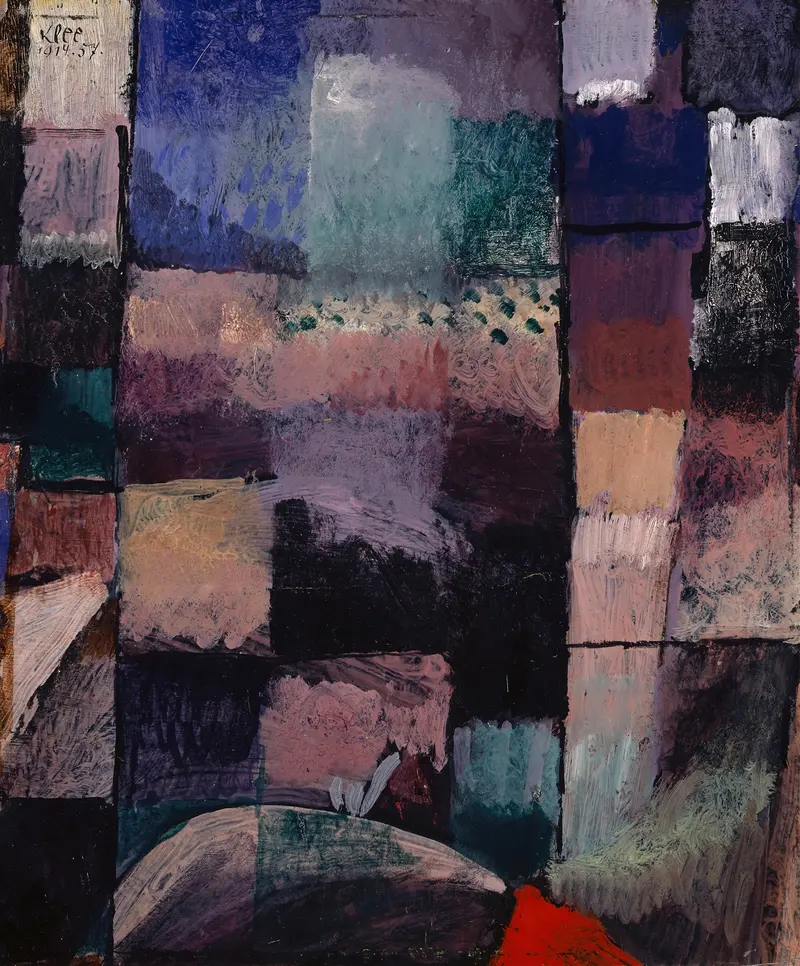
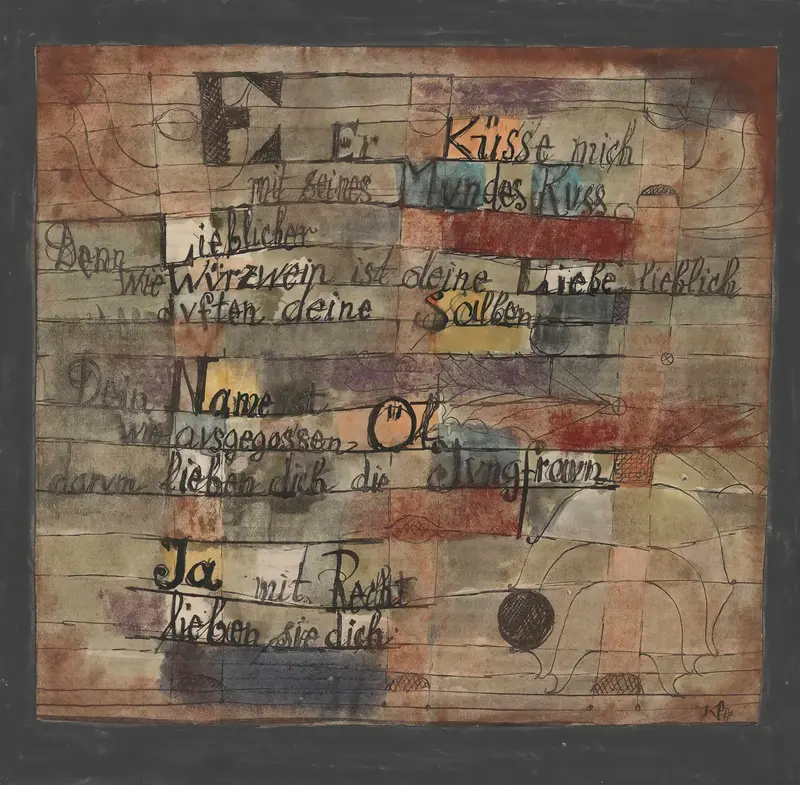
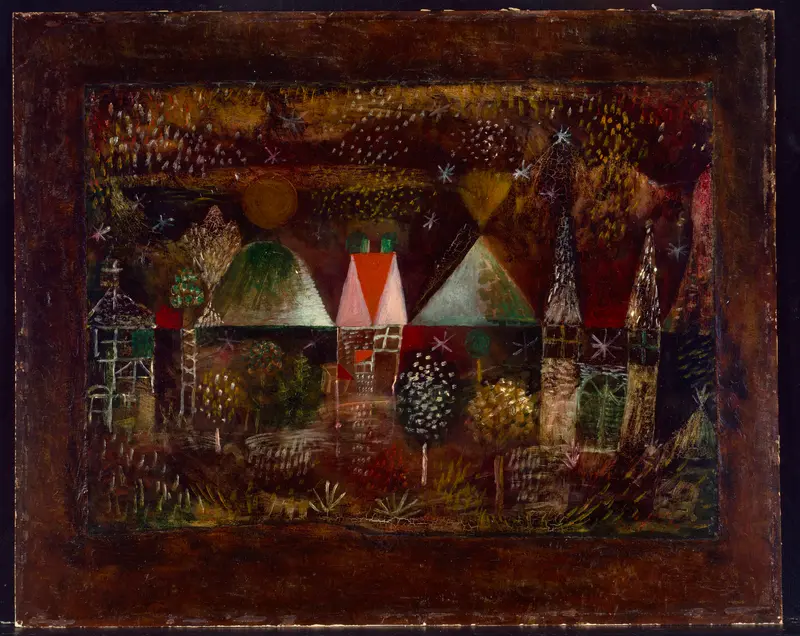
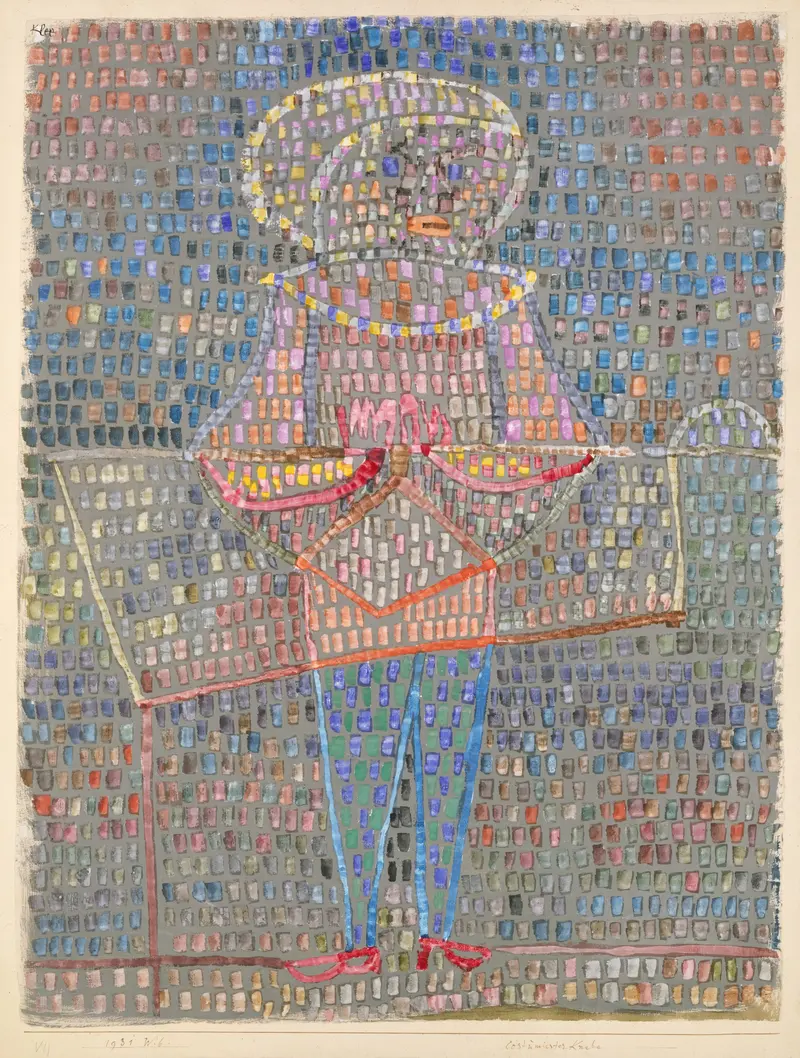
In The Saint of the Inner Light, vibrant colors dominate the canvas, creating a striking visual impact. The central figure, possibly a saint, is surrounded by abstract forms and shapes that suggest a spiritual aura. The use of bright yellows, reds, and blues adds to the painting's emotional intensity.
The background features swirling patterns that enhance the sense of movement and light. The painting is executed in oil on canvas, a medium that allows for rich color application and texture. Klee's characteristic style is evident in the simplified forms and bold outlines that define the figures. The dimensions are approximately 60 x 80 cm, making it a medium-sized work that invites close inspection.
The interplay of light and shadow is skillfully rendered, contributing to the overall depth of the piece. Paul Klee, a key figure in the Expressionist movement, often explored themes of spirituality and inner vision in his work. The Saint of the Inner Light reflects Klee's interest in the mystical and the unseen, a recurring theme in his oeuvre. An interesting fact about this painting is that it was created during a period when Klee was deeply influenced by his experiences in Tunisia, which inspired his use of color and form.
This work exemplifies Klee's ability to blend abstraction with emotional resonance.