
The Sea and Sand — History & Facts
In a world where movement is fleeting, art captures the essence of what it means to be still while the tides surge and recede. Whistler's brush strokes breathe life into a moment that echoes the natural rhythms of the sea. Look to the center of the canvas, where gentle waves caress the shore under a muted, cloudy sky. The soft blues and grays harmonize, allowing your gaze to follow the horizon, where sea and sky merge into an ethereal embrace.
Notice the delicate texture of the sand, meticulously rendered to evoke a tactile experience, inviting the viewer to ponder the sensation of cool grains beneath their feet. Whistler’s choice of composition emphasizes a tranquil solitude juxtaposed with the dynamic energy of the ocean. The calm surface of the water reflects hints of light, creating a dance that suggests movement just beneath the surface. The figures, though small and distant, embody a sense of introspection as they interact with their environment, symbolizing the delicate balance between humanity and nature. In 1884, Whistler painted this work during a period of exploration into tonalism, seeking to evoke mood and feeling through color and form.
Living in London, he was influenced by the burgeoning avant-garde movement and his previous experiences in Paris. The blend of realism and abstraction in The Sea and Sand reflects both his personal journey and the broader shifts occurring in the art world at that time.
More Artworks by James Abbott McNeill Whistler
Browse all →
Nocturne in Blue and Silver
James Abbott McNeill Whistler
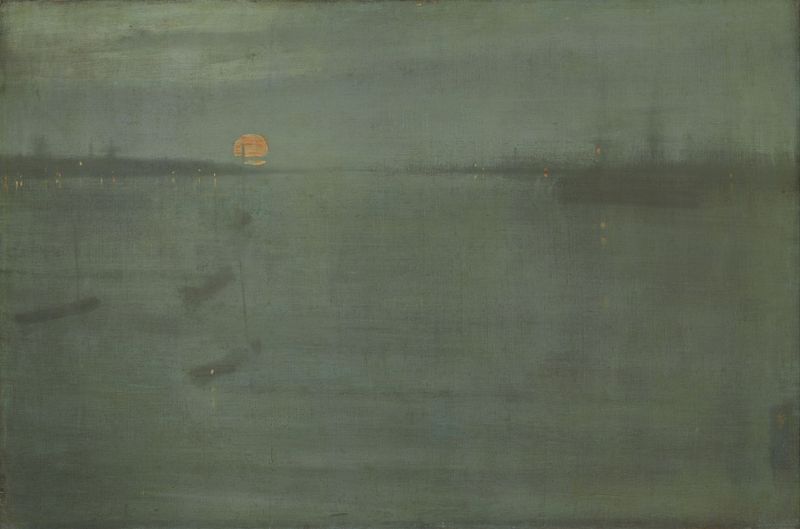
Nocturne: Blue and Gold–Southampton Water
James Abbott McNeill Whistler
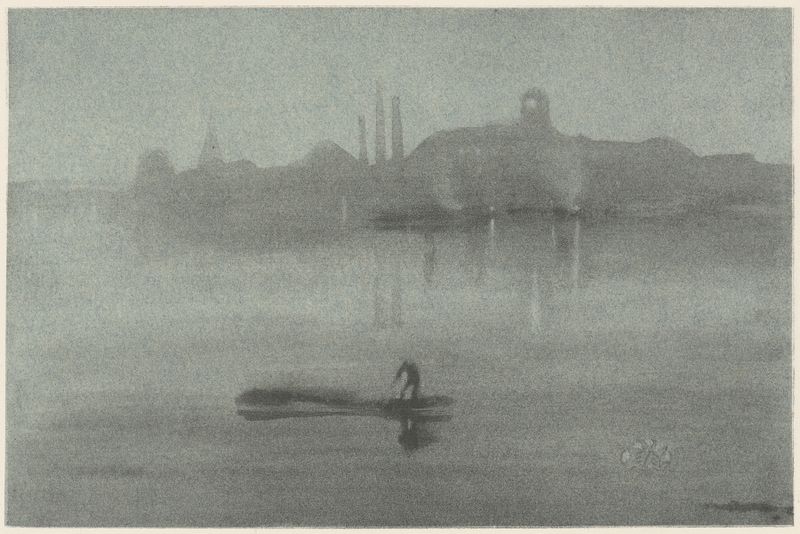
Nocturne
James Abbott McNeill Whistler
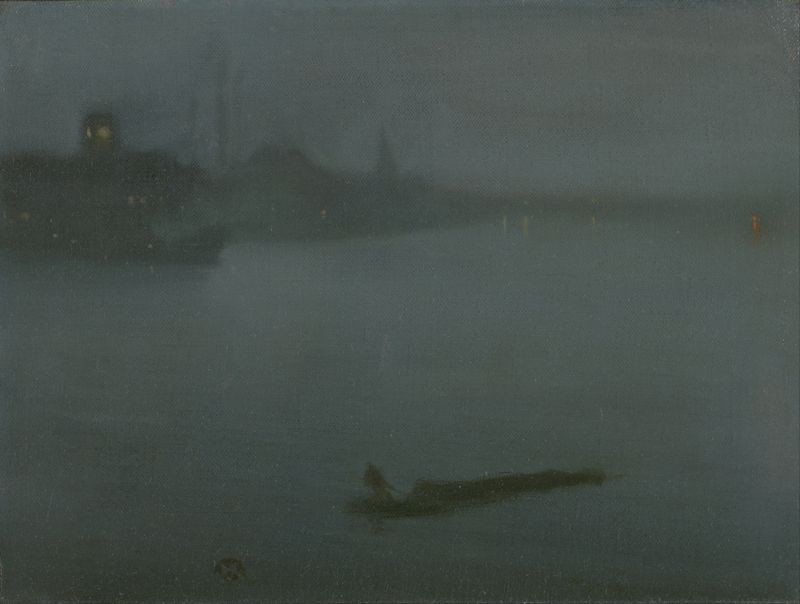
Nocturne in Blue and Silver
James Abbott McNeill Whistler
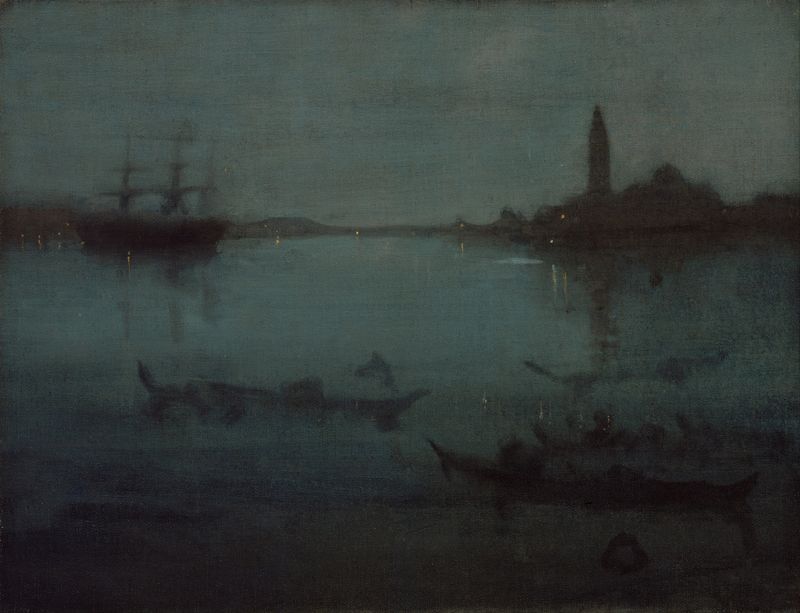
Nocturne in Blue and Silver- The Lagoon, Venice
James Abbott McNeill Whistler
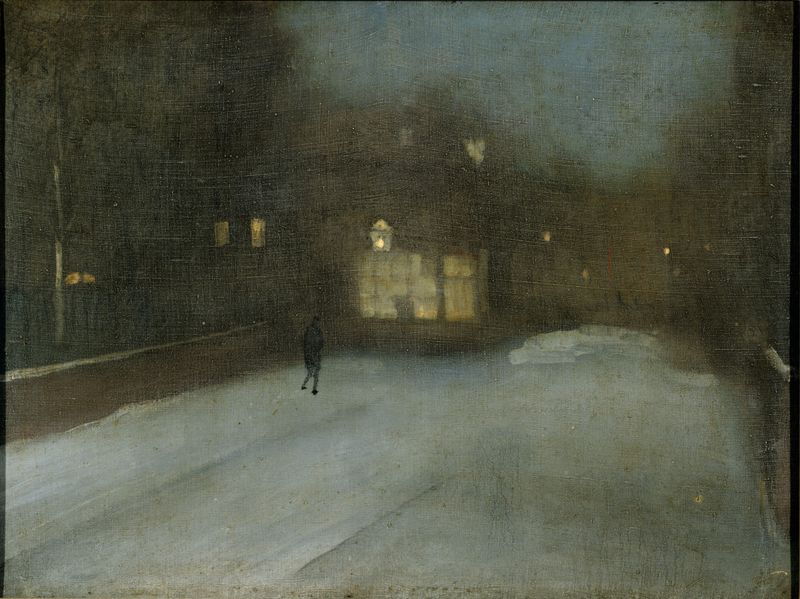
Nocturne in Grey and Gold: Chelsea Snow
James Abbott McNeill Whistler
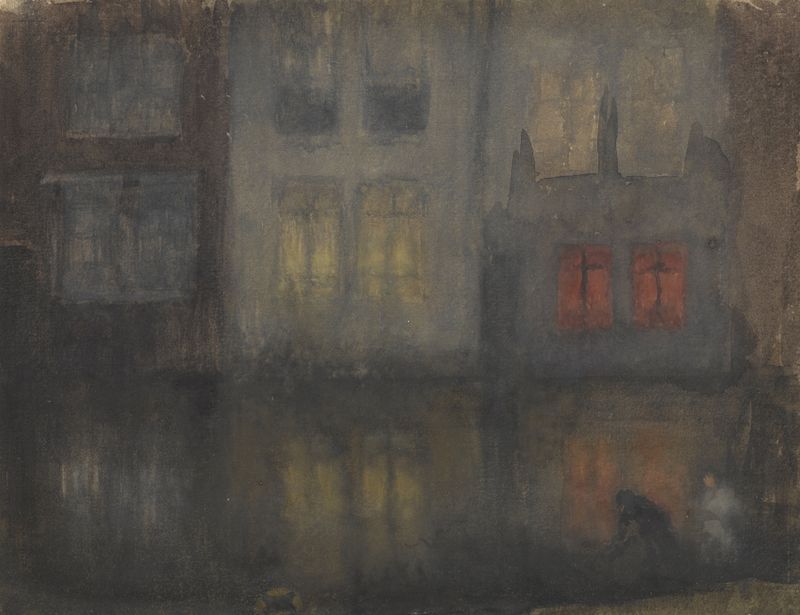
Nocturne: Black and Red—Back Canal, Holland
James Abbott McNeill Whistler
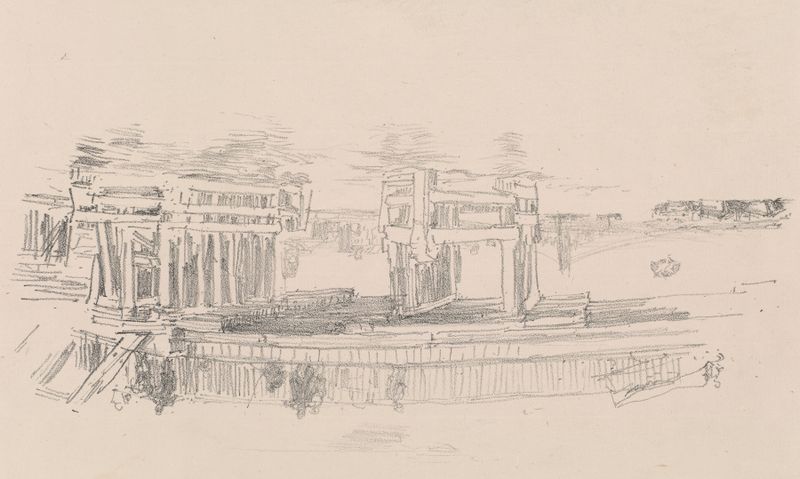
Old Battersea Bridge
James Abbott McNeill Whistler

Nocturne: Blue and Silver–Battersea Reach
James Abbott McNeill Whistler
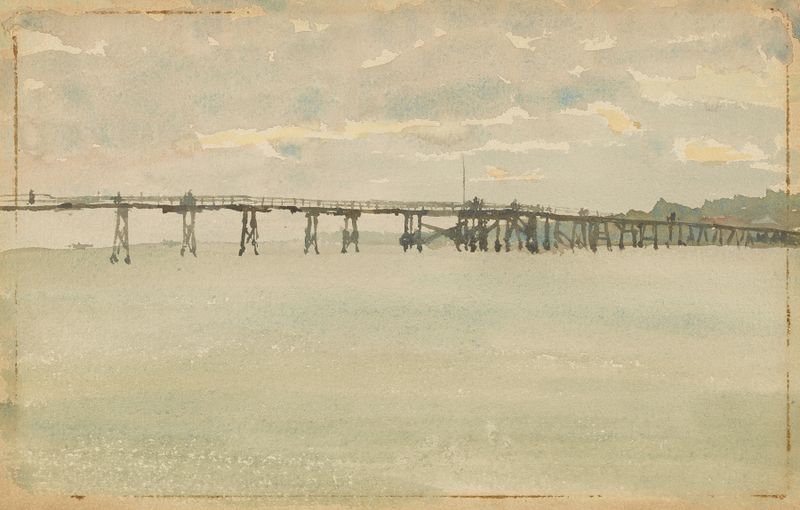
Grey and Silver–Pier, Southend
James Abbott McNeill Whistler




