
The Seashore — History & Facts
Beneath the placid surface of the shoreline, shadows whisper of deeper truths, inviting the viewer to embrace the paradox of light and darkness. Look to the horizon where the muted blues of the sky bleed seamlessly into the water, a delicate interplay of color that both soothes and unsettles. Notice how the sandy beach, rendered in soft, earthy tones, creates a quiet contrast with the shimmering surface of the sea. Each brushstroke is deliberate, evoking a sense of tranquility while hinting at the hidden tumult beneath.
The gentle waves lap quietly, yet the shadows they cast betray the underlying current of emotion just out of sight. Within this serene composition, fragments of tension emerge through the subtle play of light and shadow. The indistinct figures along the shore, mere silhouettes, evoke a sense of isolation, illustrating how connection can be obscured by the very beauty that surrounds us. Additionally, the balance between the solid ground and the shifting tide reflects the fragility of existence—how moments of peace can often be overshadowed by an unseen struggle, subtly urging the viewer to confront their own shadowy depths. During the years 1883 to 1885, Whistler was at a pivotal juncture in his career, living in London amidst a vibrant art community.
He was exploring new aesthetics and techniques, moving away from traditional representations towards a more evocative, atmospheric approach. The Seashore exemplifies this evolution, as it captures not just a moment in time, but also the emotional landscapes that shape our perception of beauty.
More Artworks by James Abbott McNeill Whistler
Browse all →
Nocturne in Blue and Silver
James Abbott McNeill Whistler
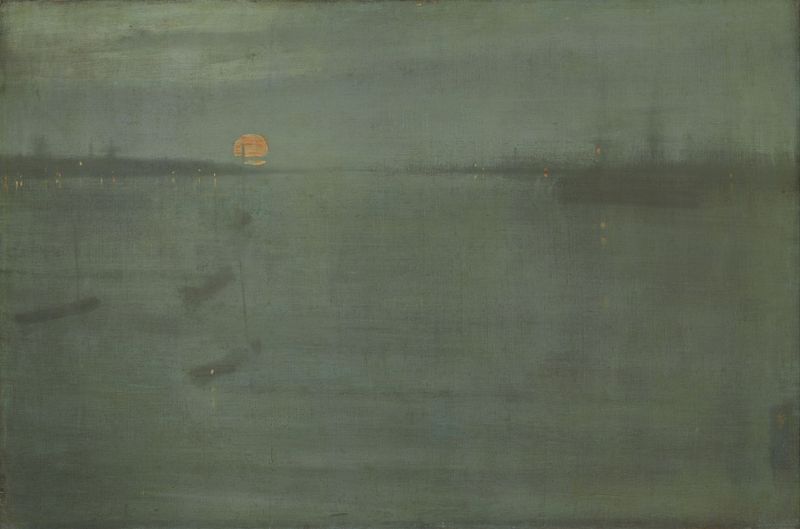
Nocturne: Blue and Gold–Southampton Water
James Abbott McNeill Whistler
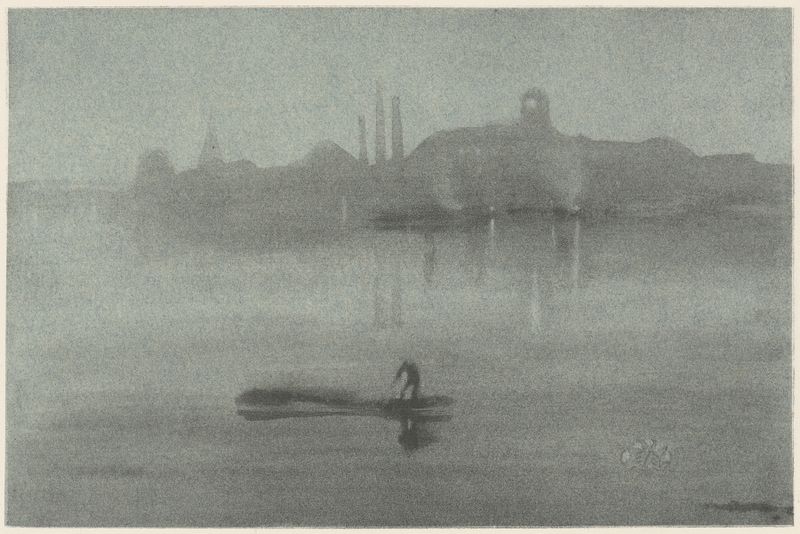
Nocturne
James Abbott McNeill Whistler
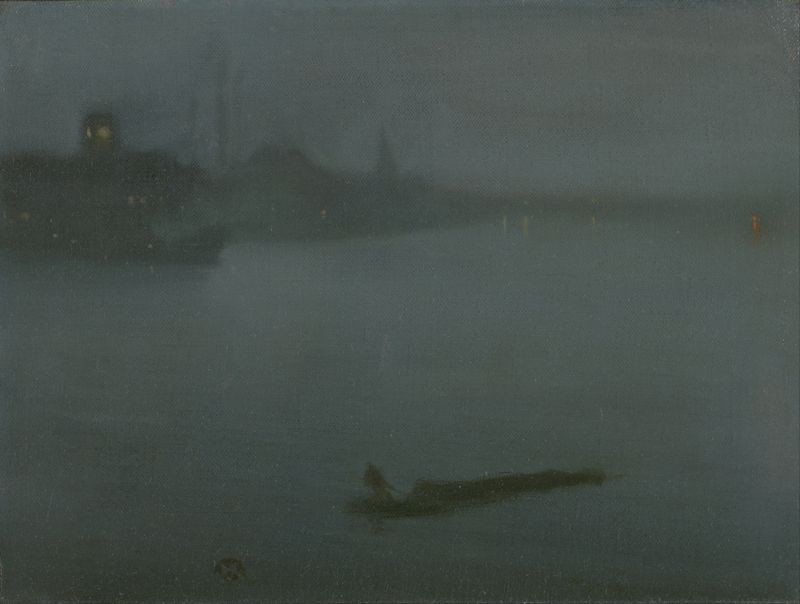
Nocturne in Blue and Silver
James Abbott McNeill Whistler
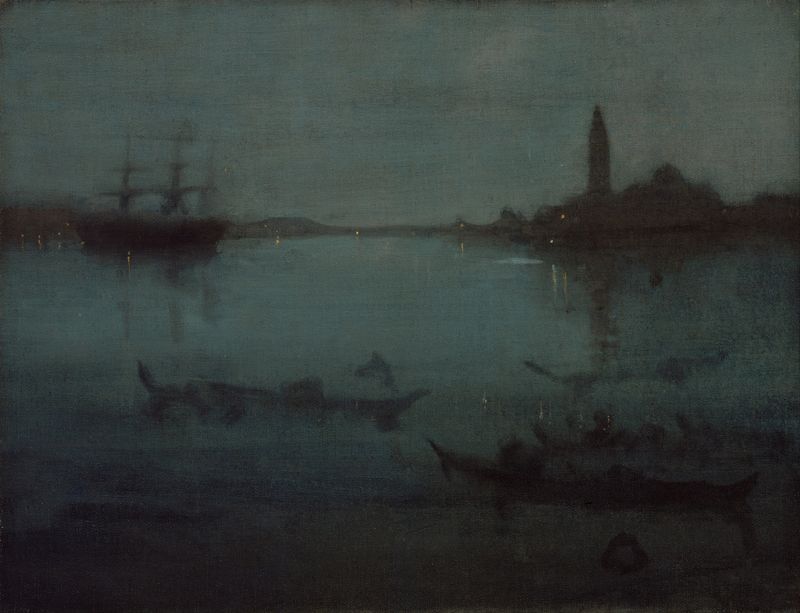
Nocturne in Blue and Silver- The Lagoon, Venice
James Abbott McNeill Whistler
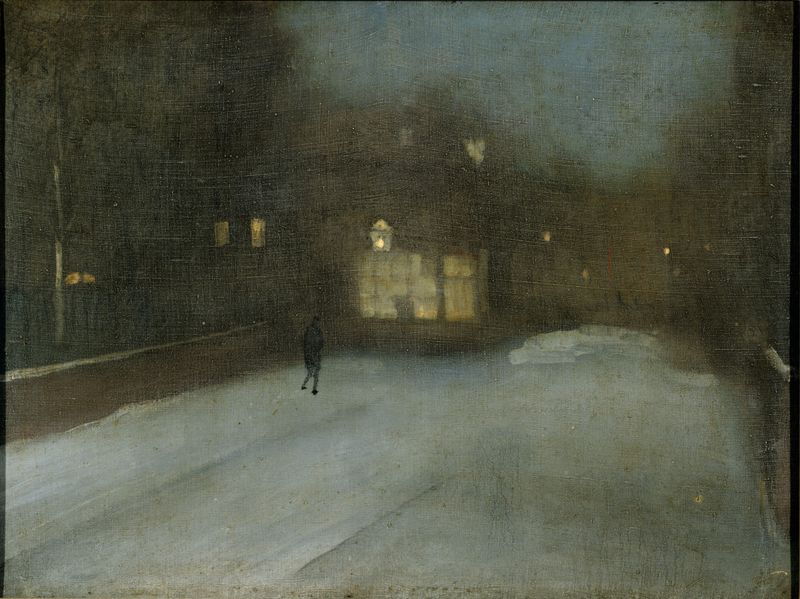
Nocturne in Grey and Gold: Chelsea Snow
James Abbott McNeill Whistler
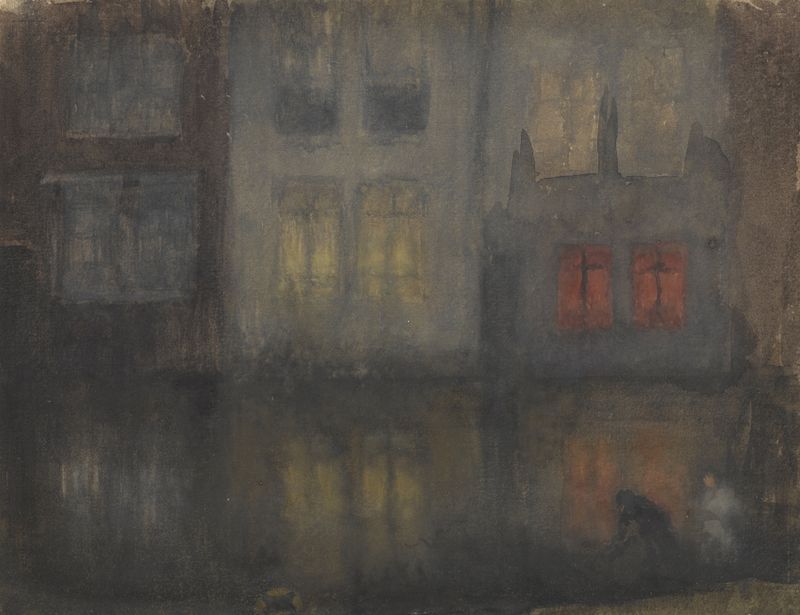
Nocturne: Black and Red—Back Canal, Holland
James Abbott McNeill Whistler
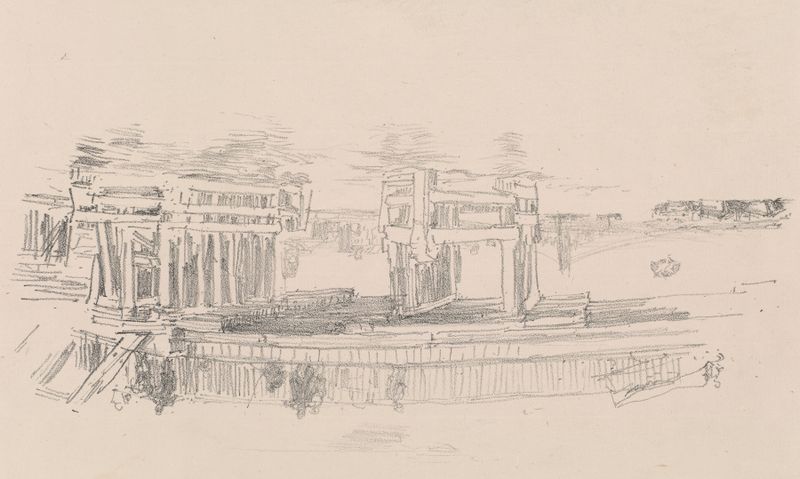
Old Battersea Bridge
James Abbott McNeill Whistler

Nocturne: Blue and Silver–Battersea Reach
James Abbott McNeill Whistler
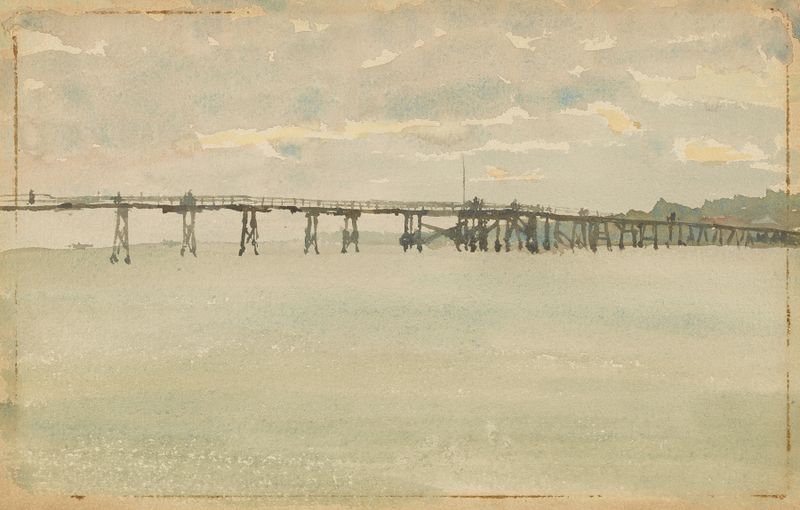
Grey and Silver–Pier, Southend
James Abbott McNeill Whistler




