The Seine — History & Facts
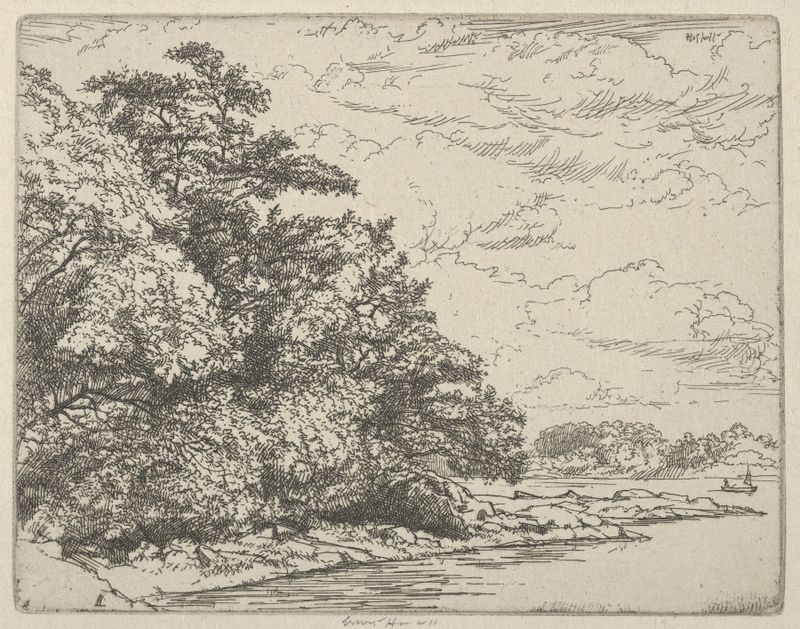
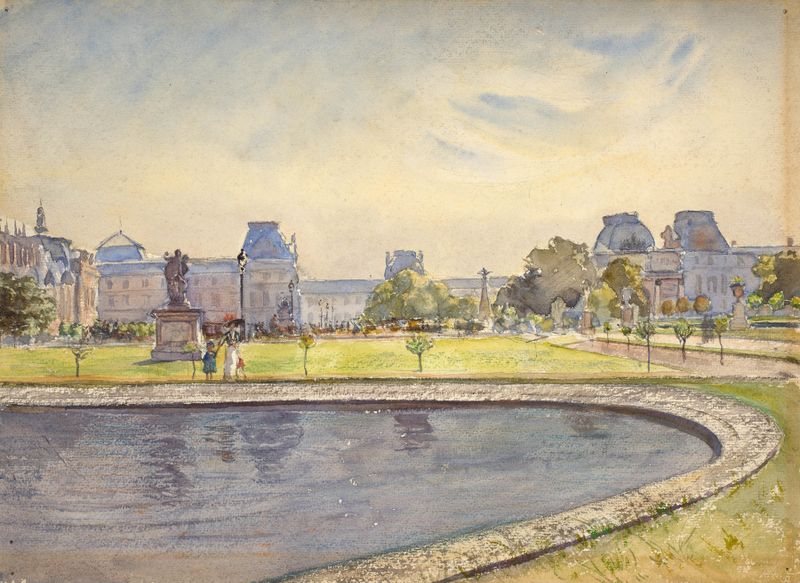
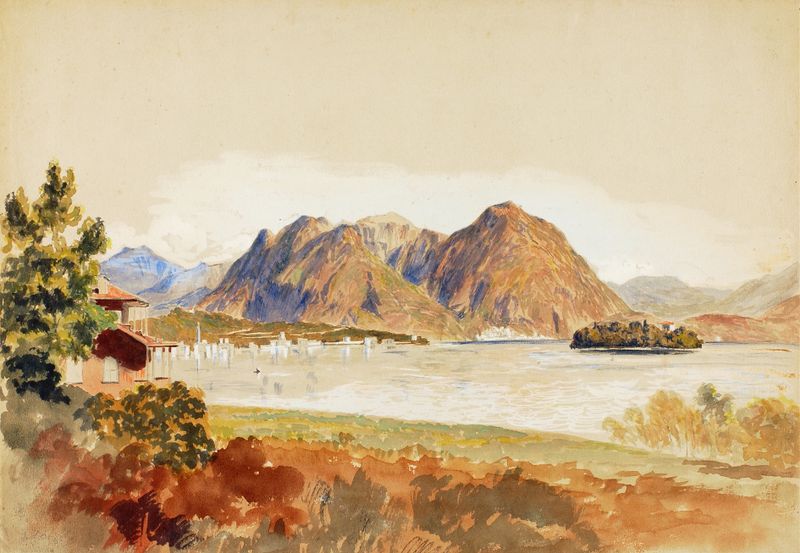
In the stillness of a moment captured, awe breathes life into the landscape, revealing the delicate interplay between nature and humanity. Look to the left at the gentle curve of the Seine, its waters shimmering under a soft, golden light. Notice how the artist uses a palette of muted blues and warm ochres to evoke a sense of calm serenity. The boats, almost like whispers on the water, guide the viewer's eye across the canvas, while the distant trees frame the scene, creating an intimate sanctuary.
This composition draws you in, inviting you to linger in the tranquility of the moment. Beneath the beauty lies a deeper exploration of contrast. The vibrant rush of life on the river, with its mingling colors, juxtaposes the quiet reflection in the water, suggesting a peaceful coexistence between the bustling world and serene solitude. The play of light not only illuminates the landscape but also hints at the transient nature of time, inviting contemplation on the fleeting moments that shape our lives.
The presence of distant figures, almost ethereal in their depiction, echoes the themes of longing and aspiration, urging the viewer to ponder their own connection to nature. Henry Ossawa Tanner painted The Seine around 1902 while living in France, a period marked by both personal and artistic exploration. A trailblazer of African American art, Tanner found inspiration in the Impressionists, and his time in Paris allowed him to immerse himself in a rich cultural dialogue. This painting reflects his journey and the broader shifts in artistic expression during the early 20th century, capturing not only the beauty of the landscape but the essence of a transformative moment in art history.
More Artworks by Henry Ossawa Tanner
Browse all →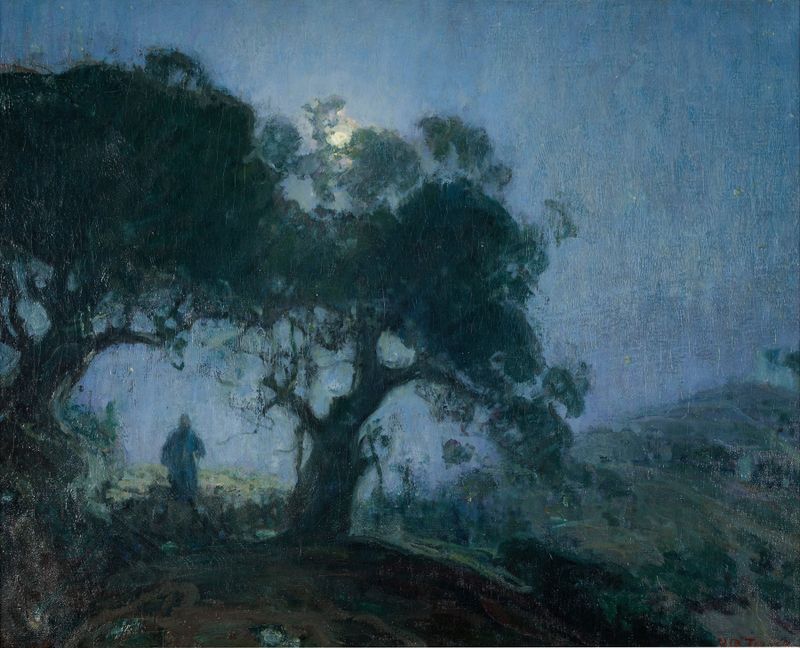
The Good Shepherd
Henry Ossawa Tanner
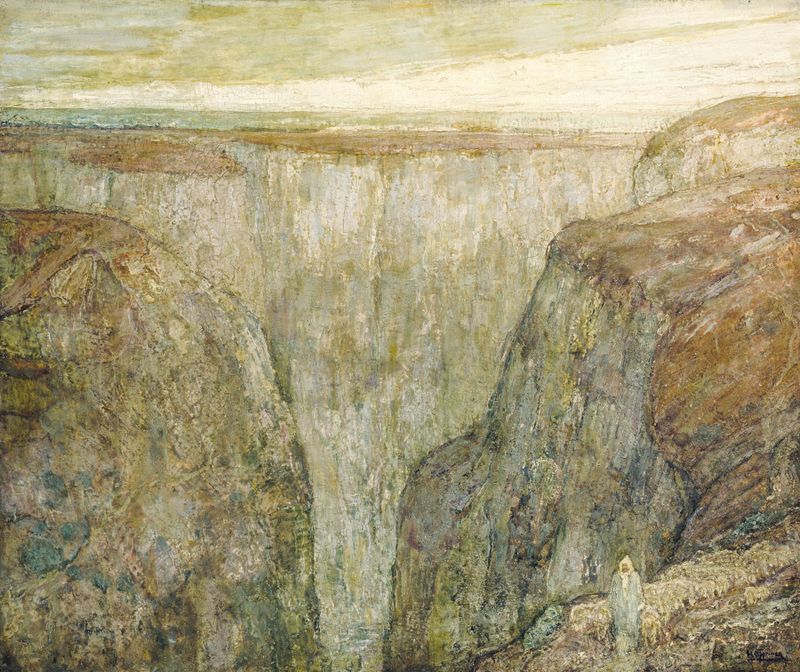
The Good Shepherd (Atlas Mountains, Morocco)
Henry Ossawa Tanner
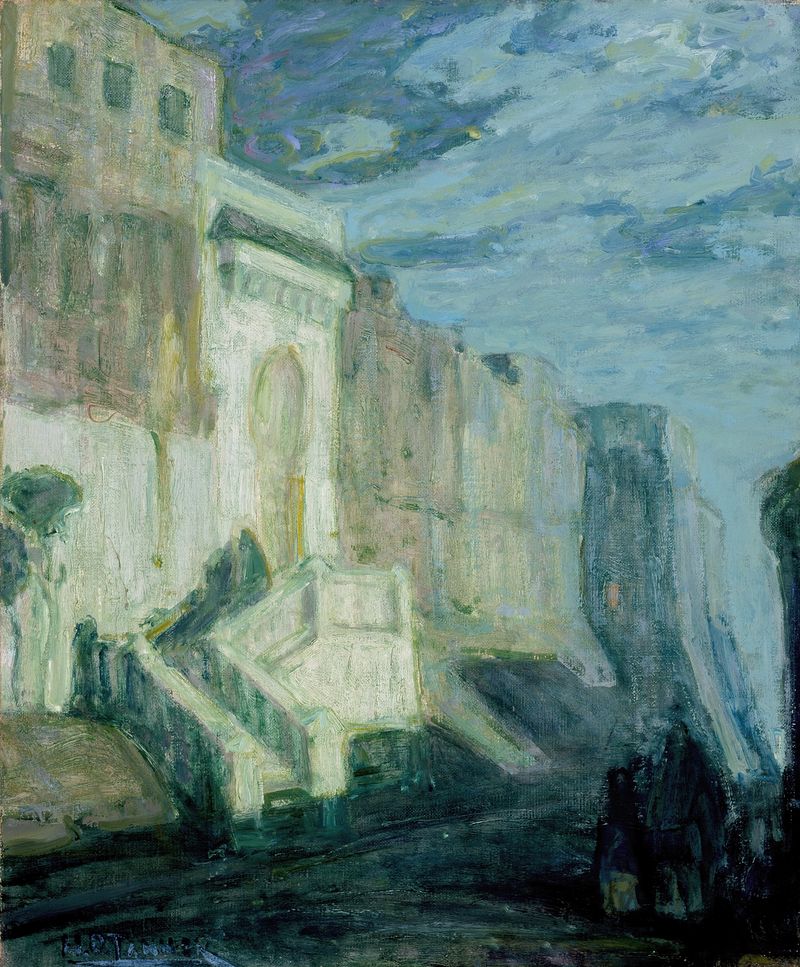
Moonlight; Walls of Tangiers
Henry Ossawa Tanner
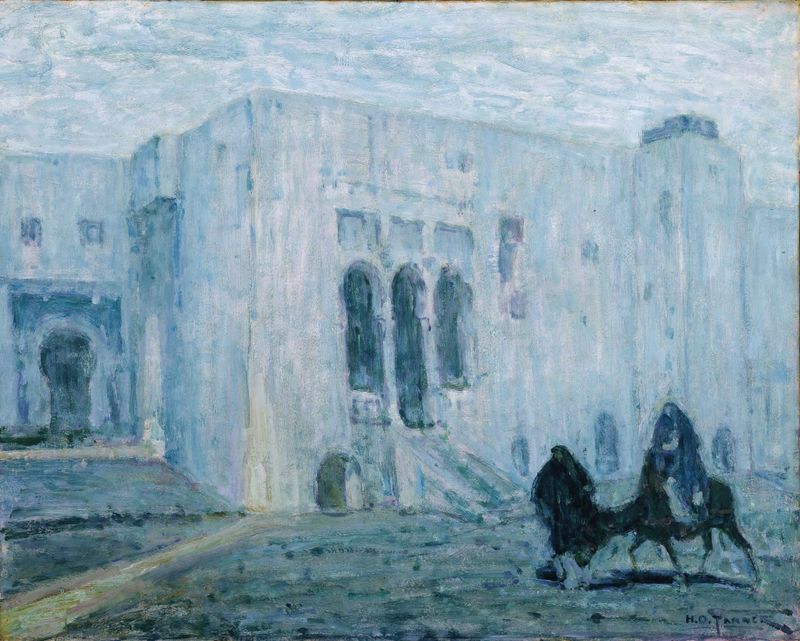
Palace of Justice, Tangier
Henry Ossawa Tanner
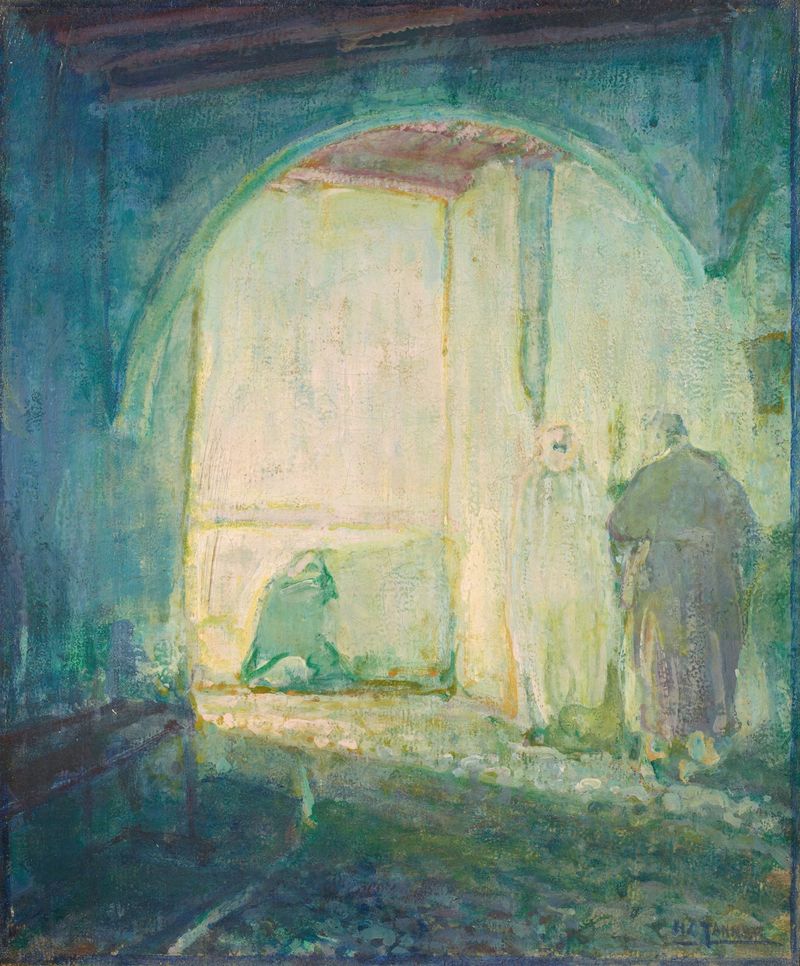
Moroccan Scene
Henry Ossawa Tanner
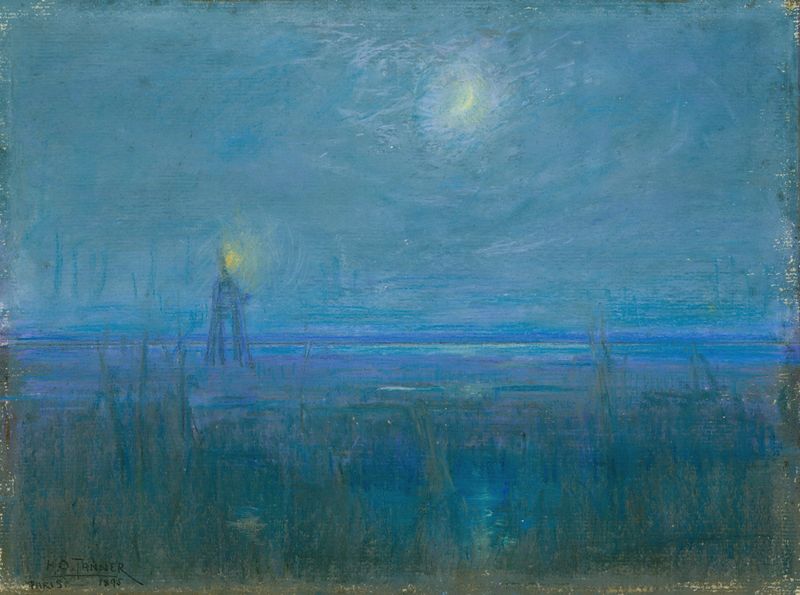
Marshes In New Jersey
Henry Ossawa Tanner
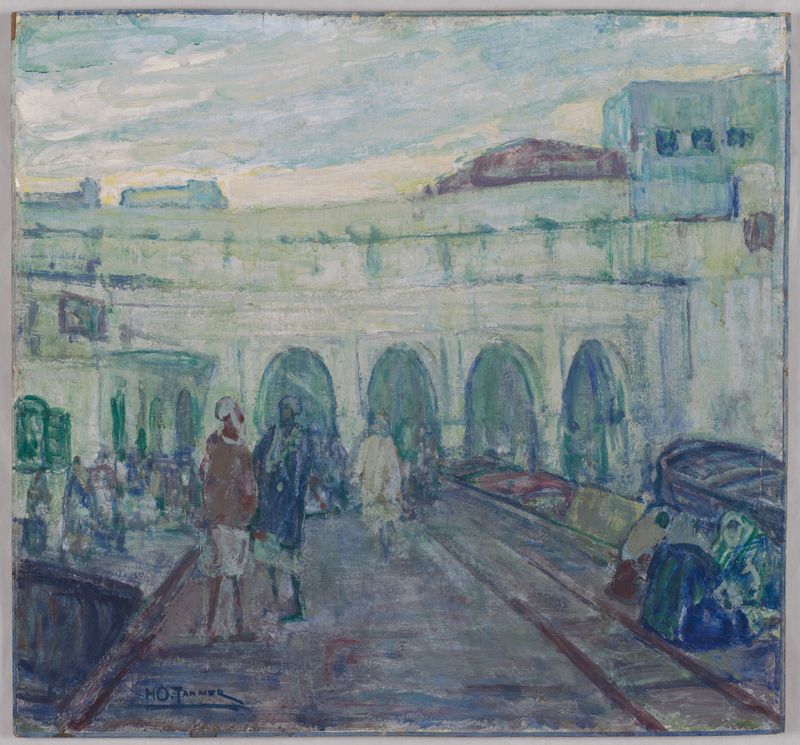
Port of Tangiers (Entrance to the Customs House)
Henry Ossawa Tanner
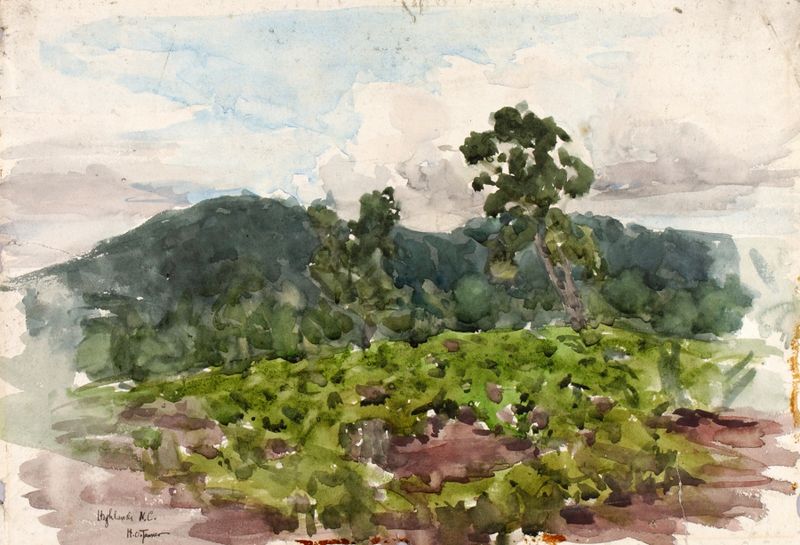
Highlands, N.C.
Henry Ossawa Tanner
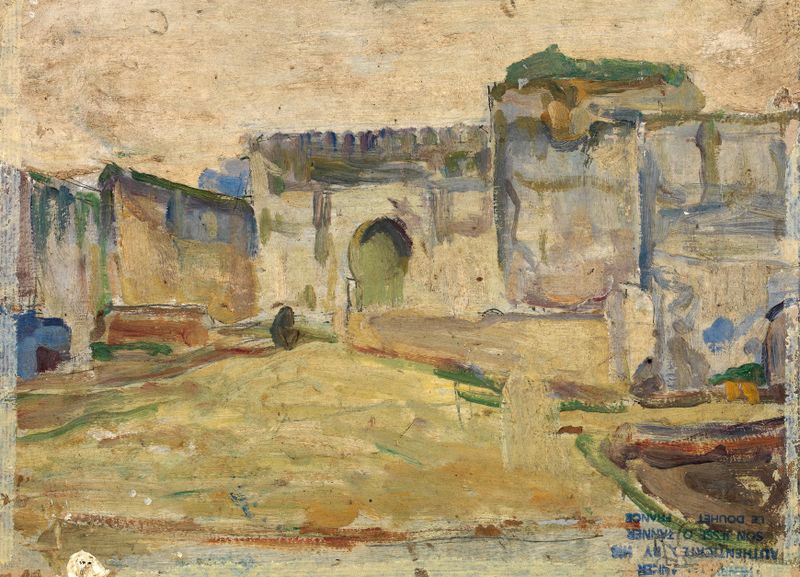
Street Scene, Tangier (Crenelated Architecture)
Henry Ossawa Tanner
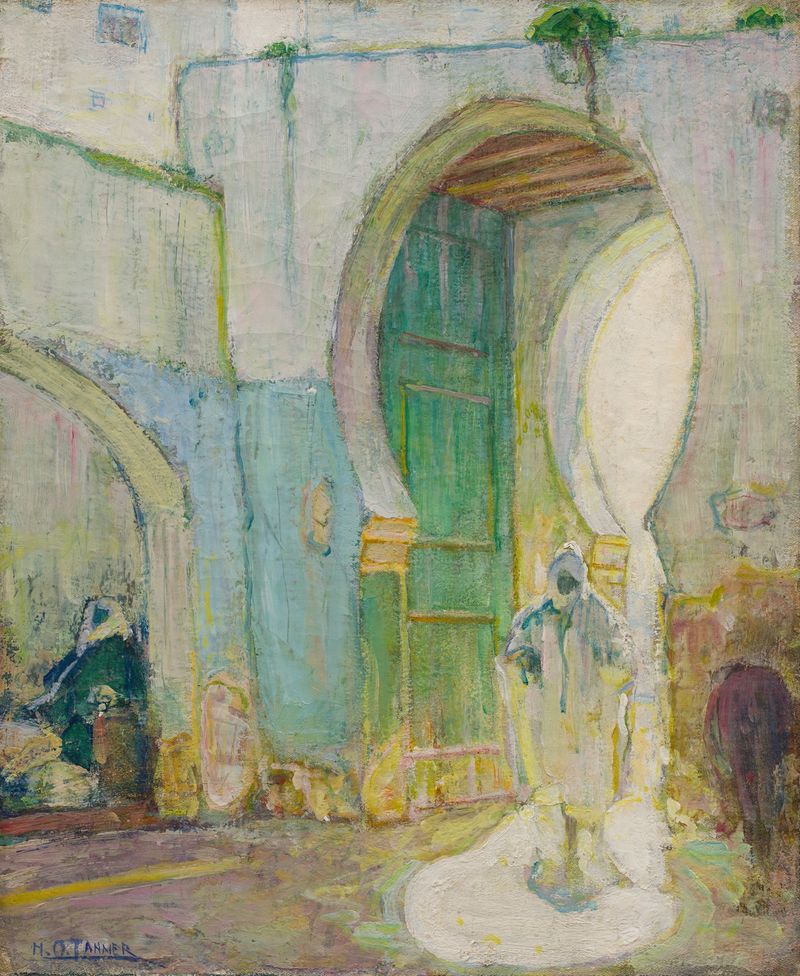
Gateway, Tangier
Henry Ossawa Tanner