
The Sky — History & Facts
When did color learn to lie? The intricate hues in The Sky whisper secrets of isolation, wrapping the viewer in an emotional embrace that resonates deeply. Look to the top third of the canvas, where a vast expanse of blue stretches endlessly. Wisps of white cloud drift lazily, each stroke meticulously crafted to evoke a sense of movement across the sky. The artist’s choice of luminous cerulean dominates the piece, pulling the eye upward and inviting contemplation.
Below, muted earth tones ground the ethereal qualities above, creating a poignant contrast that mirrors the dichotomy between aspiration and reality. In this work, the interplay of light and shadow evokes a profound sense of loneliness. The vastness of the sky suggests freedom and possibility, yet the absence of human presence amplifies the isolation inherent in the scene. The soft blending of colors may appear serene, yet hints at a deeper tension—an aching solitude that invites the viewer to ponder their own relationship with the vast unknown above. Jan Stanisławski painted The Sky between 1902 and 1903 during his tenure in Warsaw, Poland.
This period was marked by a growing interest in Impressionism and a focus on capturing the natural world. As the artist navigated the changing artistic landscape, he sought to express his emotional responses to the environment, reflecting both personal introspection and broader artistic trends of the time.
More Artworks by Jan Stanisławski
Browse all →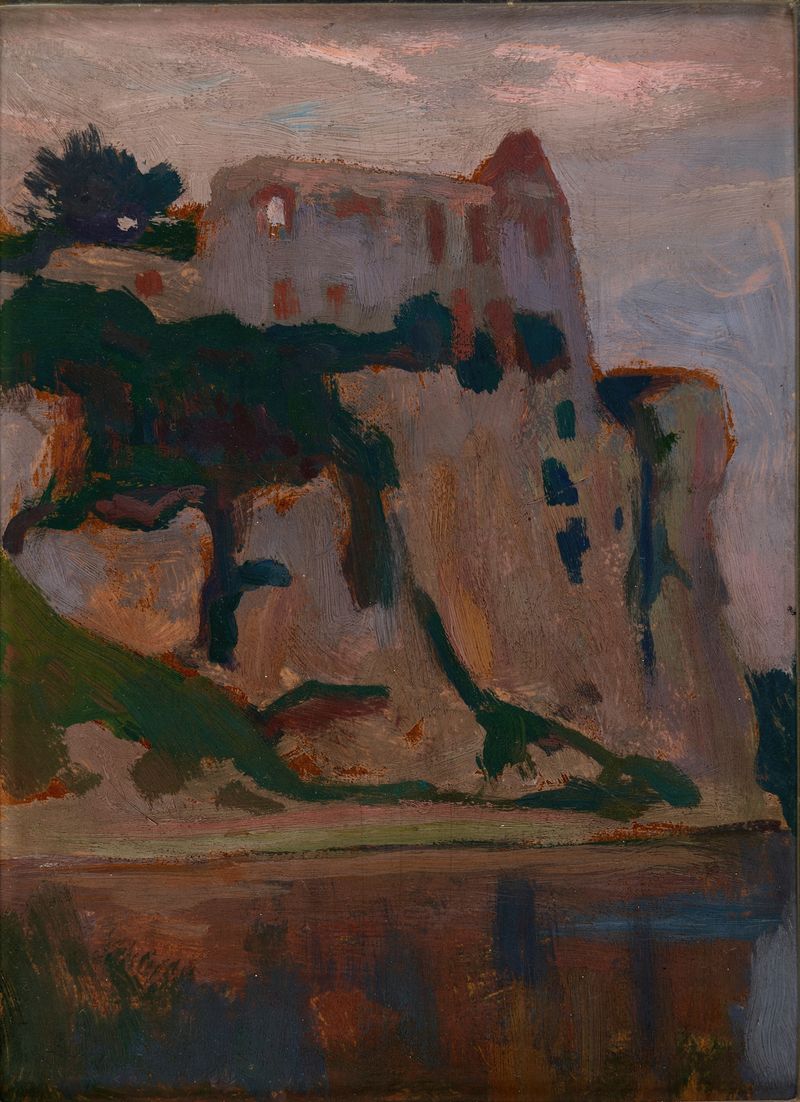
Tyniec at Dawn
Jan Stanisławski
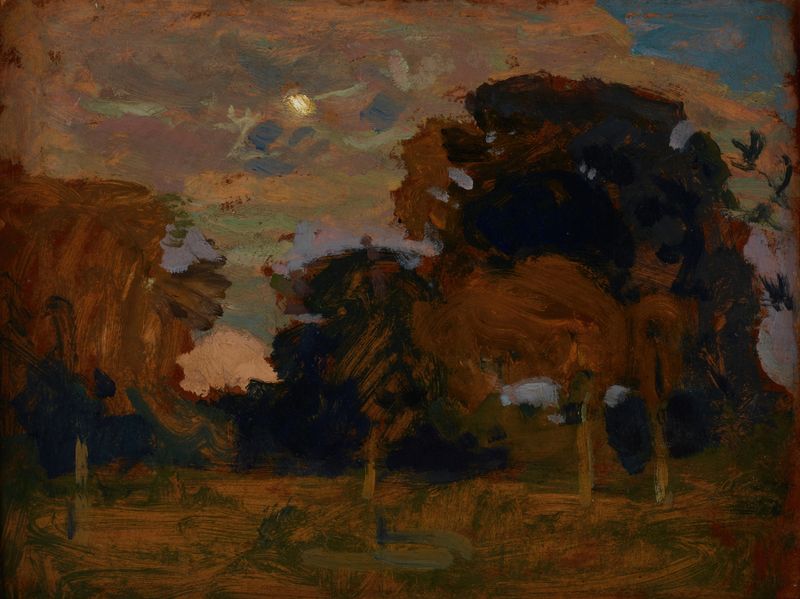
Moon in the Clouds
Jan Stanisławski
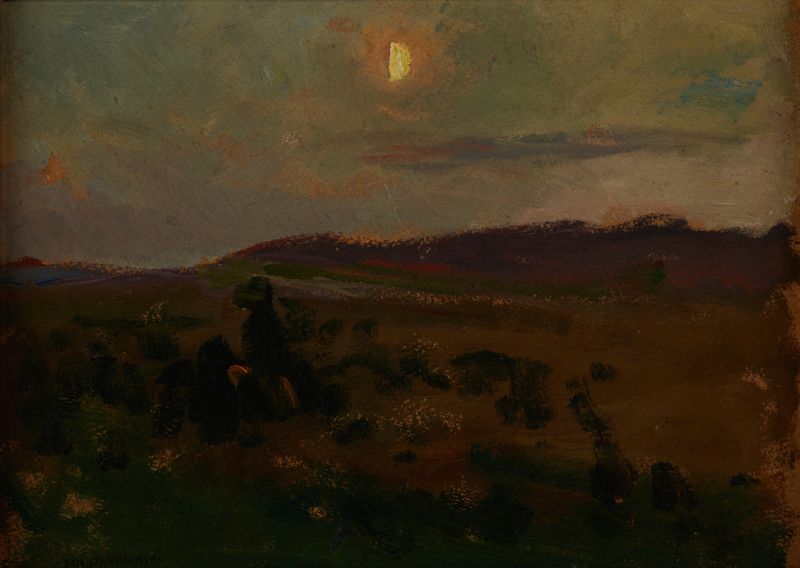
Moonrise
Jan Stanisławski
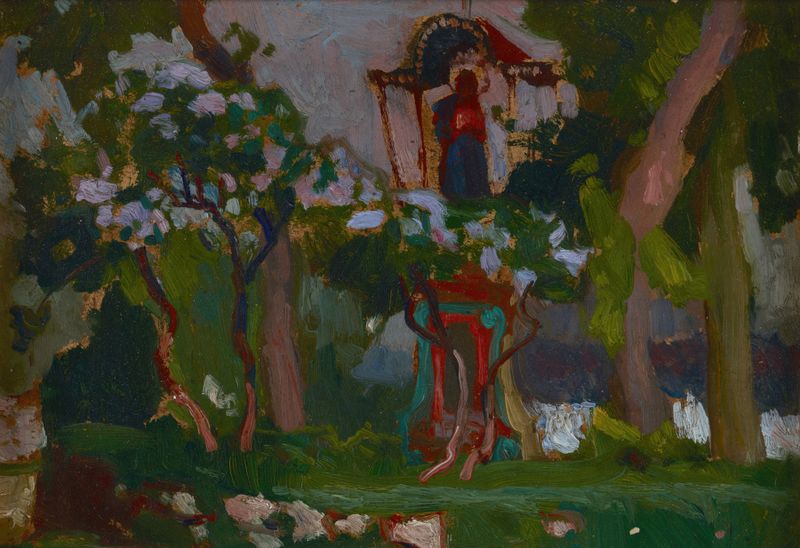
May
Jan Stanisławski
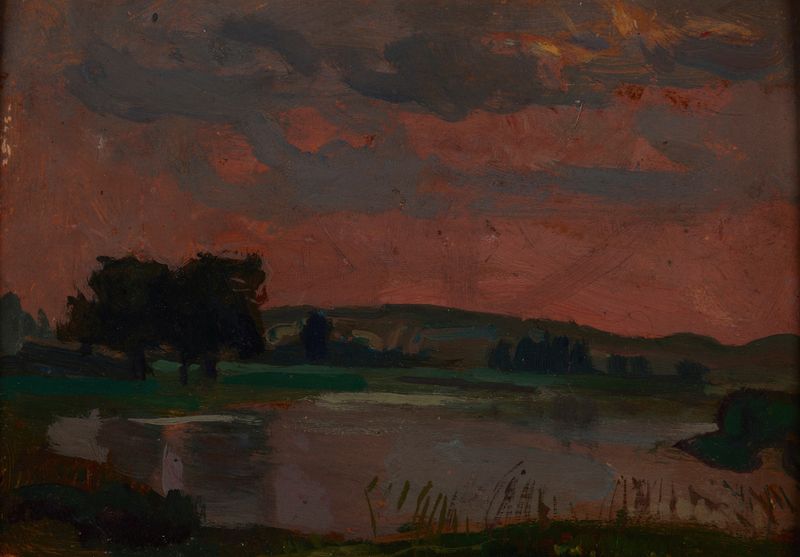
The Vistula in the Twilight
Jan Stanisławski
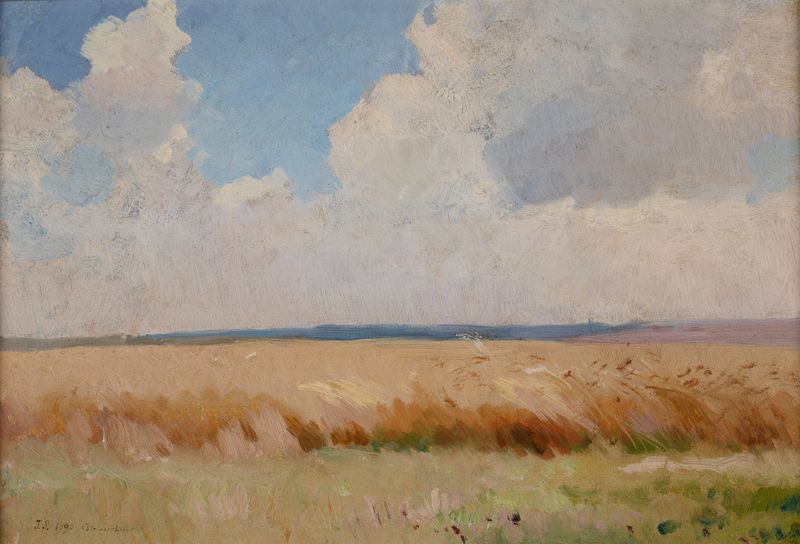
Field at Białocerkiew (Bila Tserkva)
Jan Stanisławski
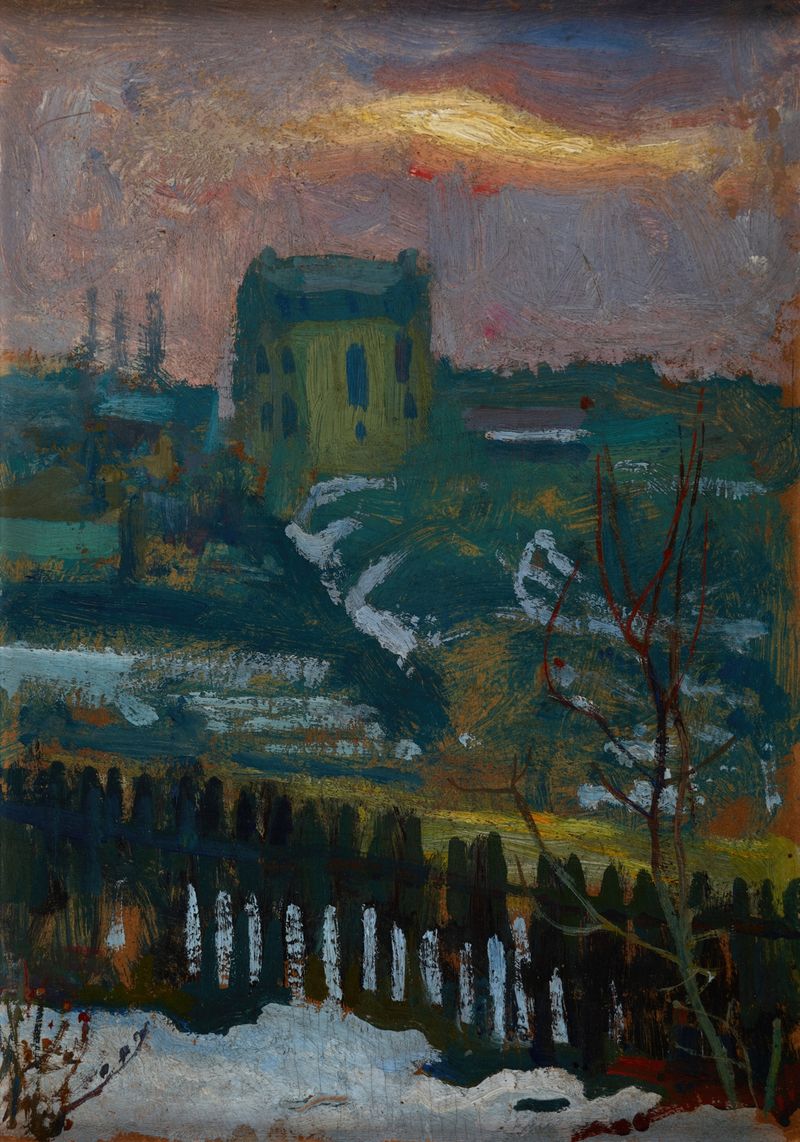
House in Winter
Jan Stanisławski
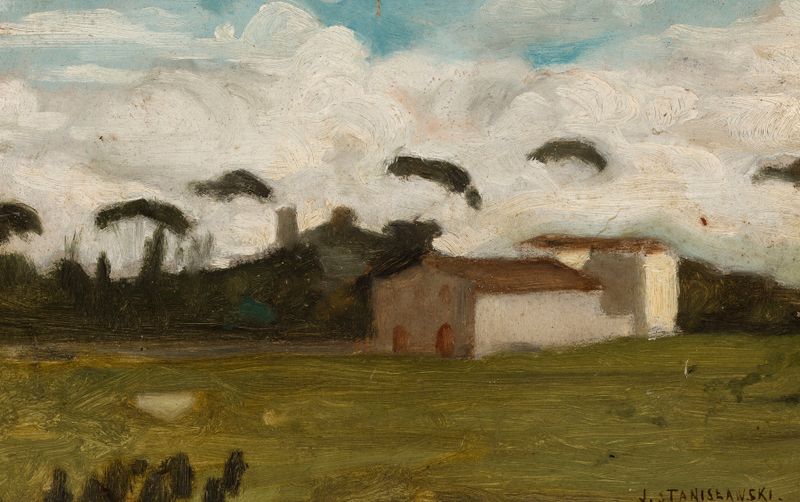
Landscape
Jan Stanisławski
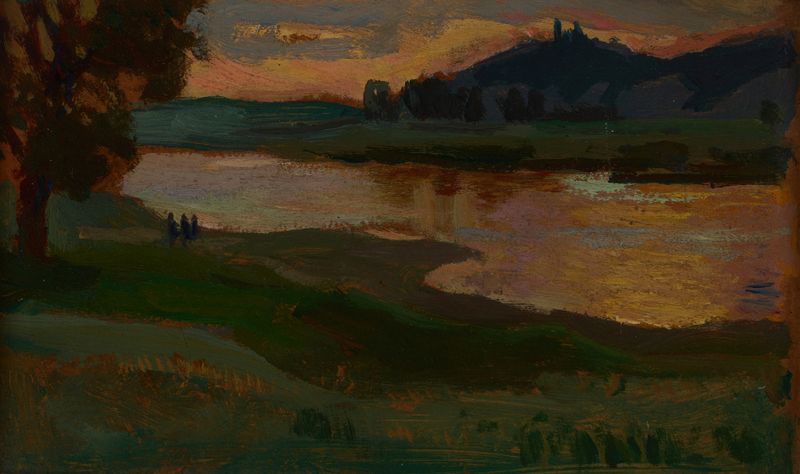
Bielany at Dusk
Jan Stanisławski
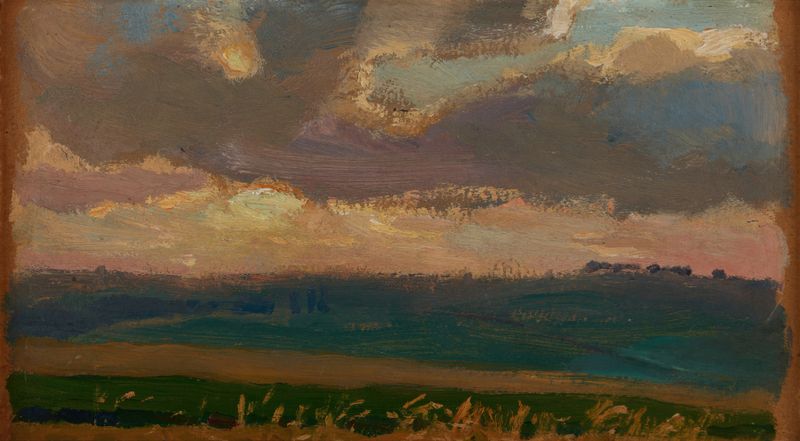
Fields at Proszowice
Jan Stanisławski





