
The Sphinx — History & Facts
What if silence could speak through light? In The Sphinx, Joseph Pennell captures a moment where the very essence of legacy unfolds in soft shadows and illuminating highlights. Focus on the left side of the canvas, where the ancient form of the Sphinx rises majestically against a muted backdrop. The limestone texture conveys a sense of age, while the warm, golden tones suggest the sun’s embrace during the late afternoon. Pennell’s delicate hatching technique creates depth, inviting the viewer to trace the contours and surfaces that tell stories of time and history, emphasizing the monument's enduring presence. As you explore further, notice the interplay between light and shadow — it breathes life into the stone, evoking a sense of reverence.
The simplicity of the composition contrasts with the complexity of the Sphinx’s legacy, prompting reflections on mortality and civilization. The vast sky looming overhead serves not only as a backdrop but also suggests the infinite passage of time, bridging the ancient and the present. Created in 1928, this work emerges during a time when the artist was deeply engaged with themes of travel and historical reflection. Pennell was living in a world on the brink of modernity, where the echoes of ancient civilizations inspired a longing for continuity.
His experiences in Egypt, coupled with the rise of new artistic movements, shaped his vision, creating a bridge to the past that resonates deeply in this evocative piece.
More Artworks by Joseph Pennell
Browse all →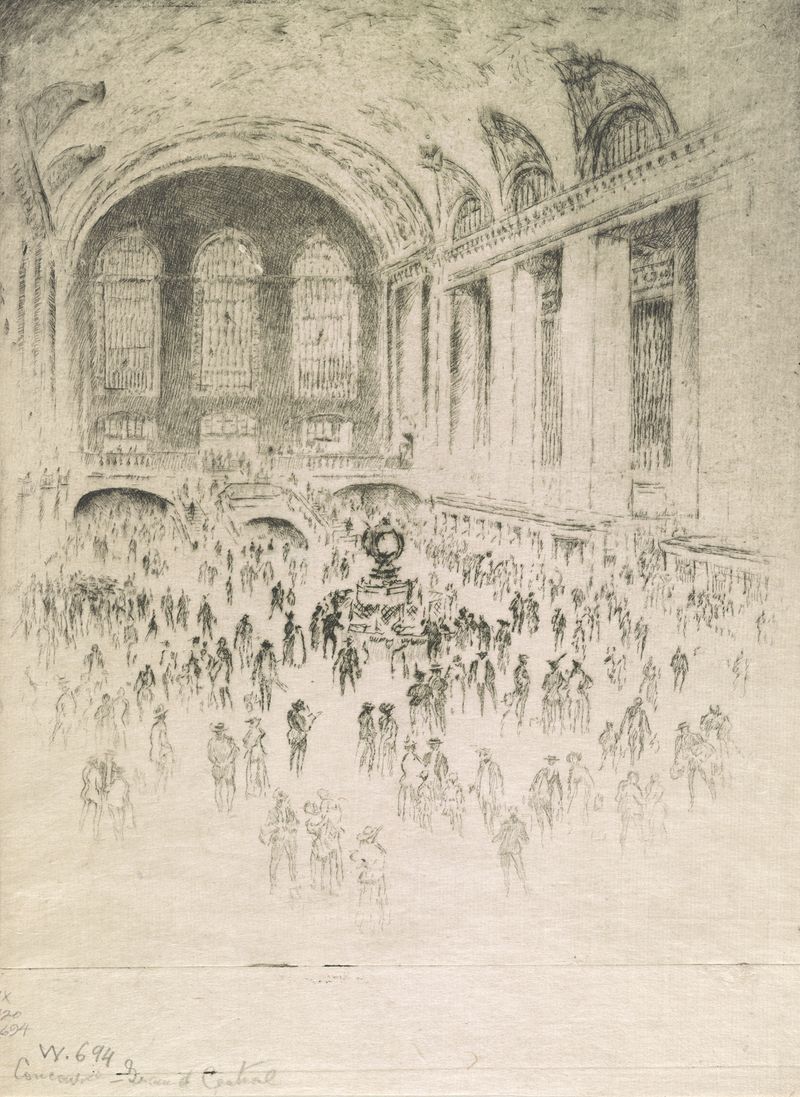
Concourse, Grand Central
Joseph Pennell
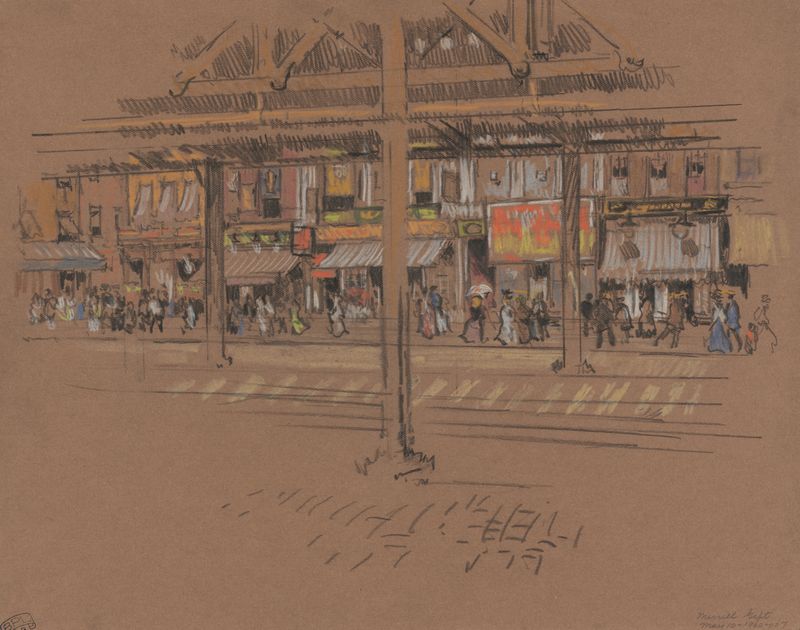
Sixth Avenue
Joseph Pennell
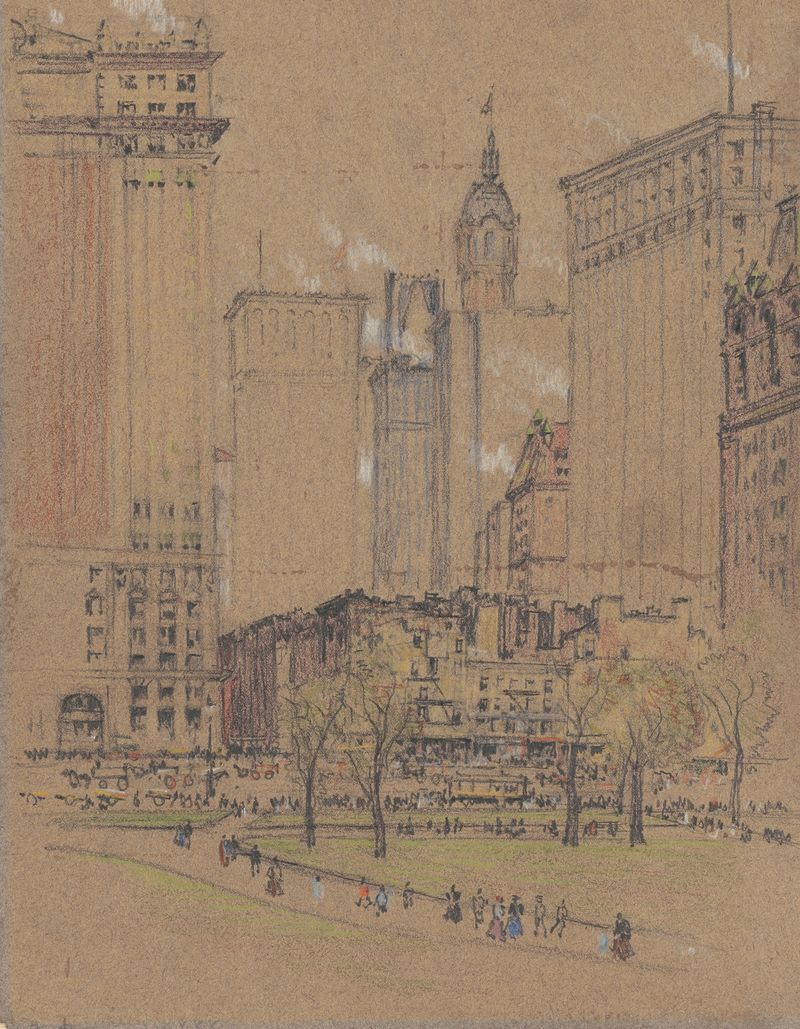
New York,the Old and the New
Joseph Pennell
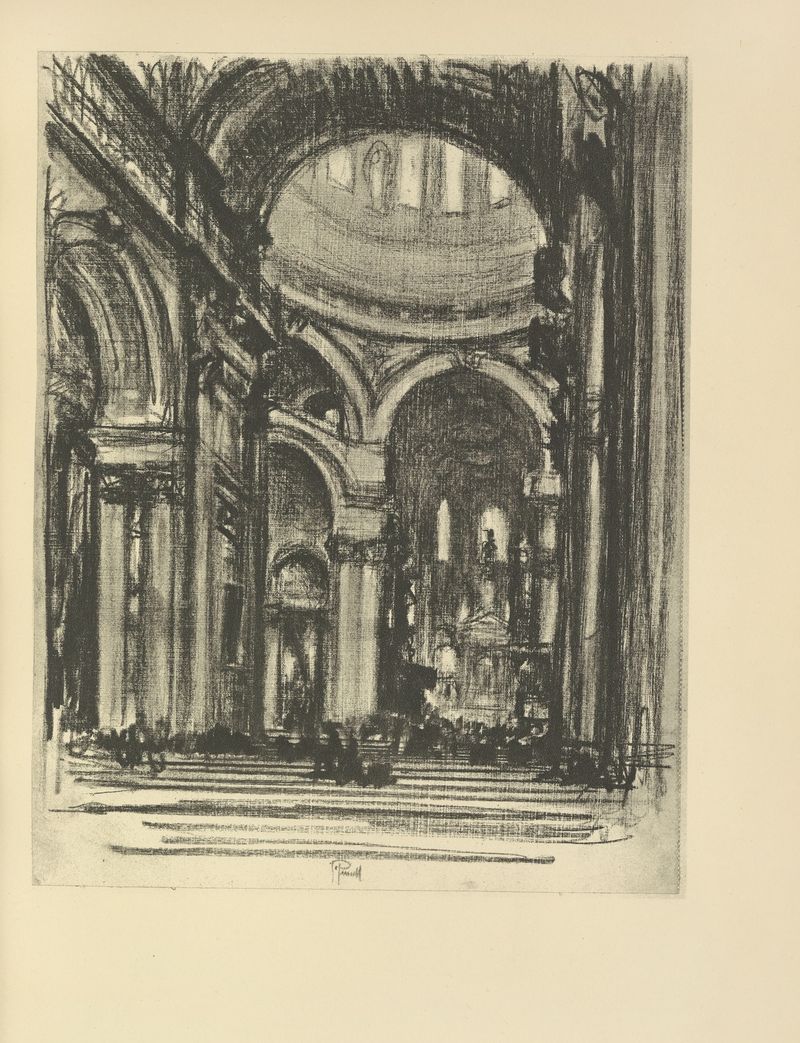
St. Paul’s, The Nave
Joseph Pennell
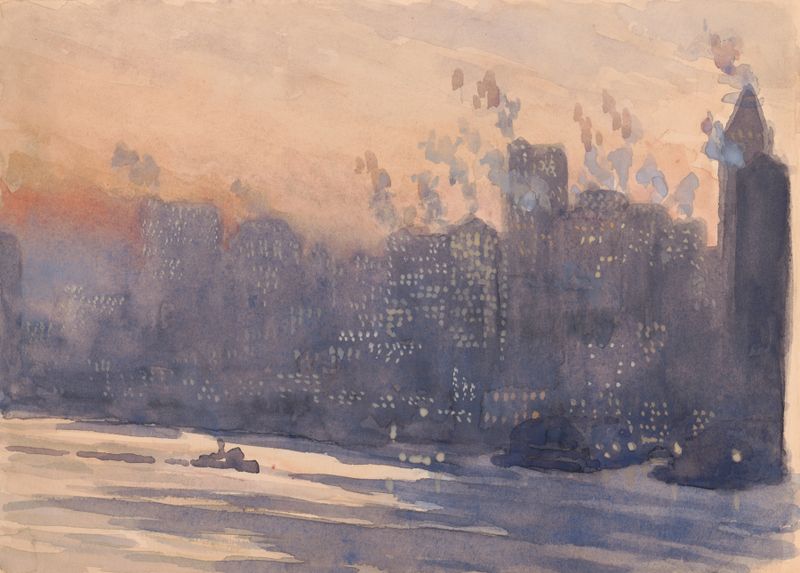
New York City harbor and skyline at night
Joseph Pennell
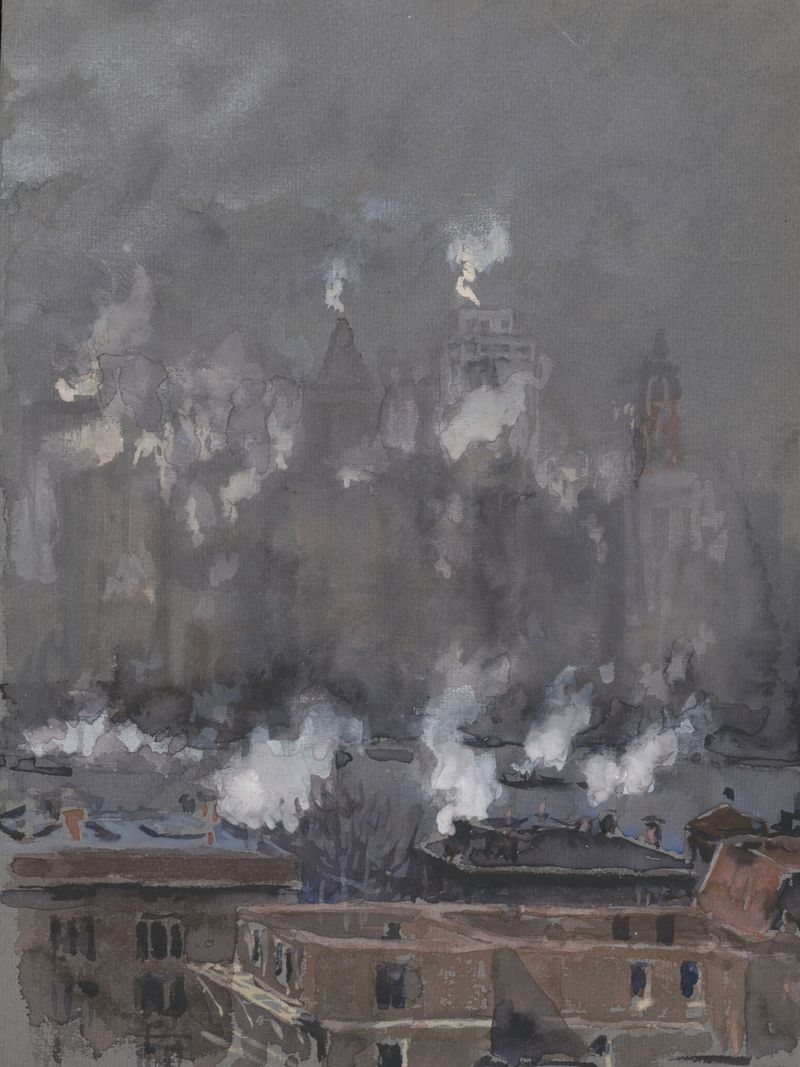
Smoke and fog on gray day, New York City
Joseph Pennell
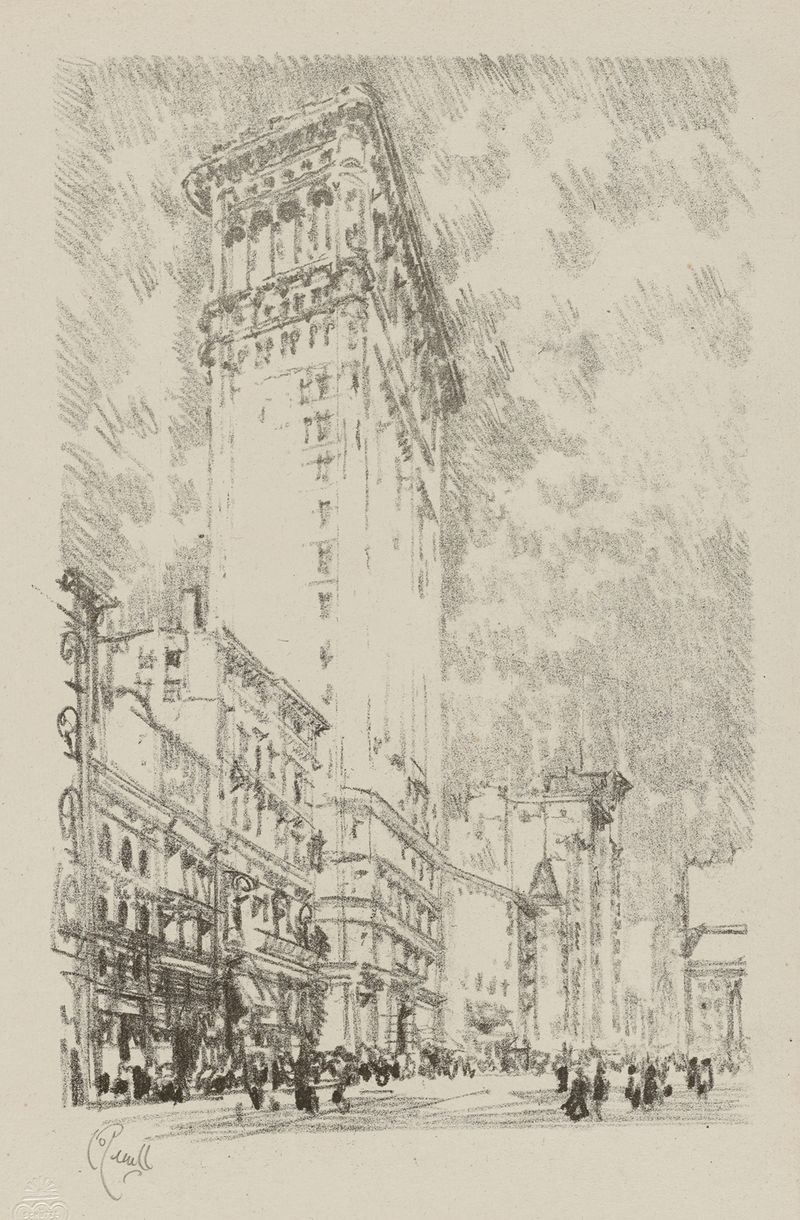
The Flat Iron
Joseph Pennell
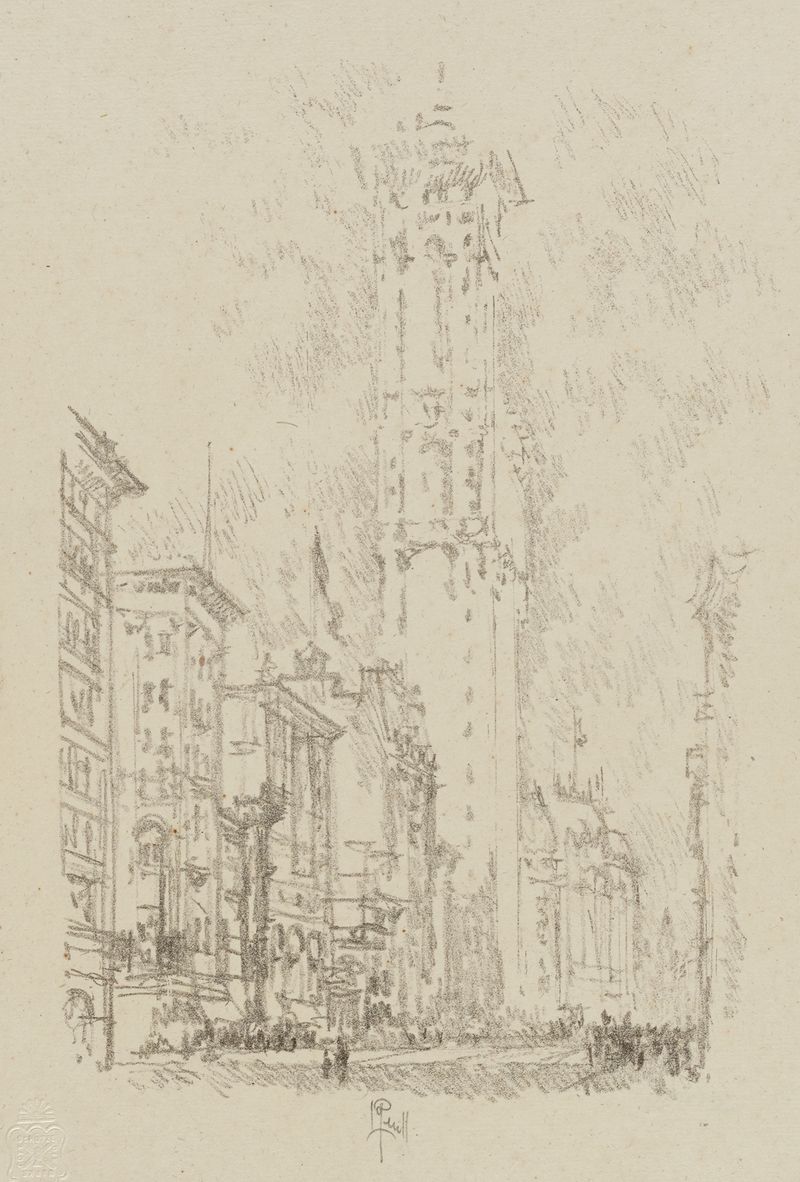
The Times Building
Joseph Pennell
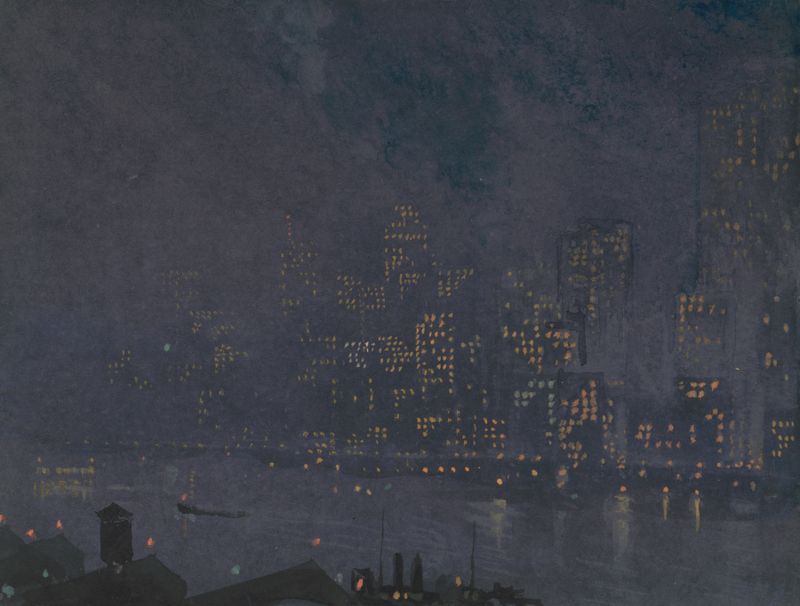
Skyscrapers at night
Joseph Pennell

St. James’ Park
Joseph Pennell
More Architecture Art
Browse all →
The statue of Liberty
Frédéric Auguste Bartholdi

View of Houses in Delft, Known as ‘The Little Street’
Johannes Vermeer

View of Houses in Delft, Known as ‘The Little Street’
Johannes Vermeer

The Cathedral in Rouen. The portal, Grey Weather
Claude Monet

The yellow house
Vincent van Gogh

The Church in Auvers-sur-Oise, View from the Chevet
Vincent van Gogh