
The Spirit of War — History & Facts
In the stillness of painted chaos, a profound balance emerges between conflict and tranquility, urging us to contemplate the nature of war and peace. Focus on the center of the artwork, where the tumultuous clash of nature and the anthropogenic is laid bare. The swirling clouds and darkened skies press down upon the horizon, creating a visual tempest that mirrors the unrest of battle, while the foreground reveals a serene pastoral landscape. Notice how the palette shifts from somber tones to vibrant greens, symbolizing a longing for harmony amidst chaos.
This duality invites the viewer to explore the intricate relationship between destruction and renewal. Delve deeper into the contrasts depicted here. The stark juxtaposition of the menacing sky against the calm land speaks to the tension between human ambition and the natural world. Subtle details, like the distant figures silhouetted against the horizon, evoke a sense of urgency, yet their stillness elicits an eerie calm, suggesting that while war may loom, life persists.
This interplay inspires contemplation about the responsibility of both humanity and nature in the face of conflict. Created in 1851 during Cropsey's time in New York, The Spirit of War reflects not just the artist's personal journey but also a nation grappling with the ramifications of its past and a burgeoning industrial future. As romanticism waned, Cropsey's work engaged with the emerging themes of American identity and landscape, revealing his preoccupation with the balance between the idyllic and the tumultuous—a theme that resonates deeply in the modern age.
More Artworks by Jasper Francis Cropsey
Browse all →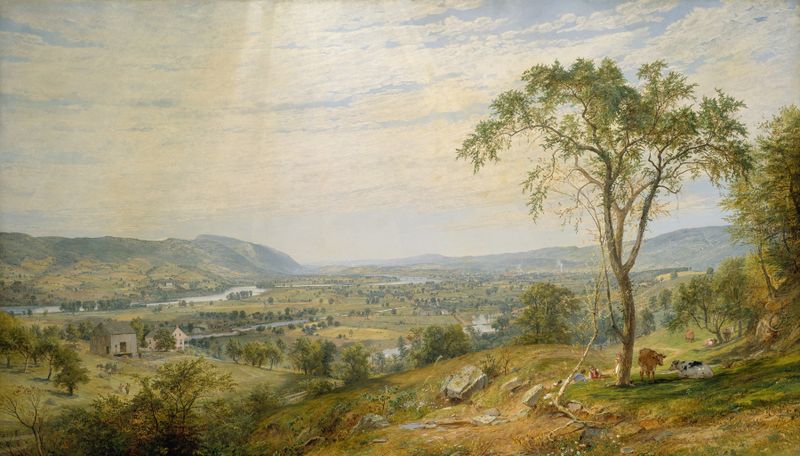
The Valley of Wyoming
Jasper Francis Cropsey
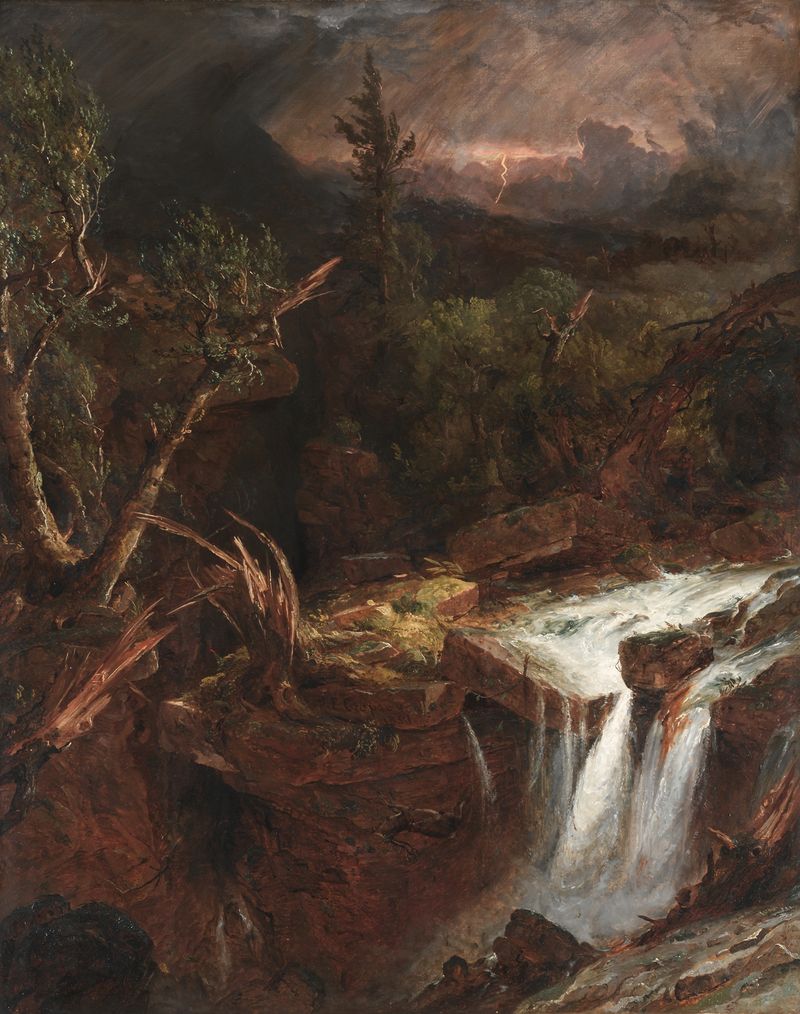
The Clove – A Storm Scene in the Catskill Mountains
Jasper Francis Cropsey
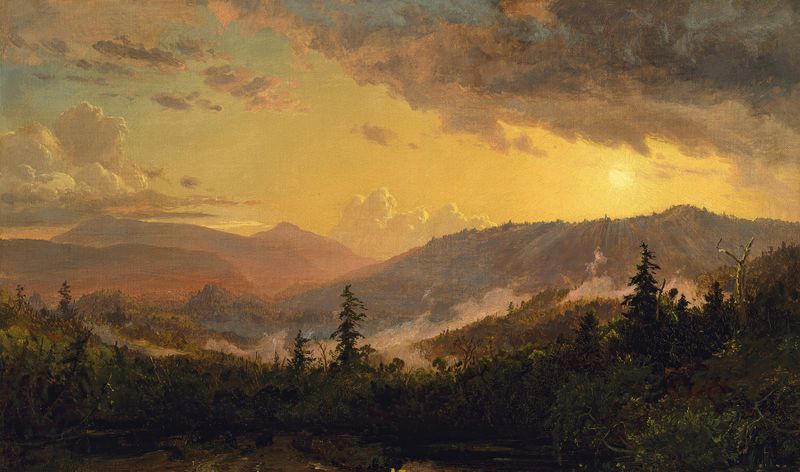
Sunset after a Storm in the Catskill Mountains
Jasper Francis Cropsey
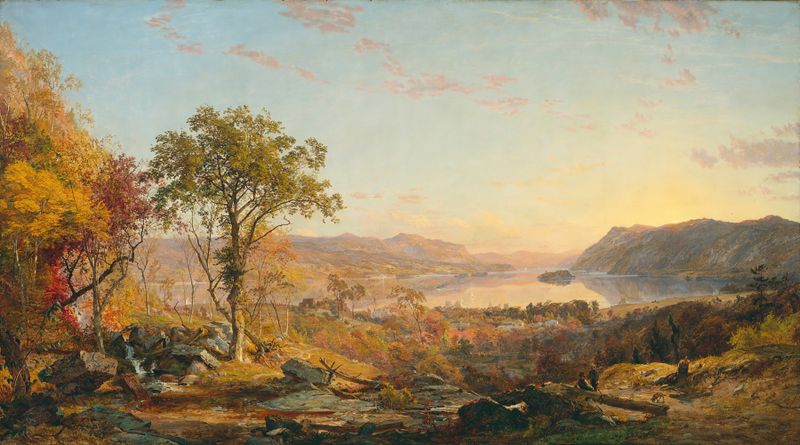
Indian Summer
Jasper Francis Cropsey

Autumn On The River
Jasper Francis Cropsey
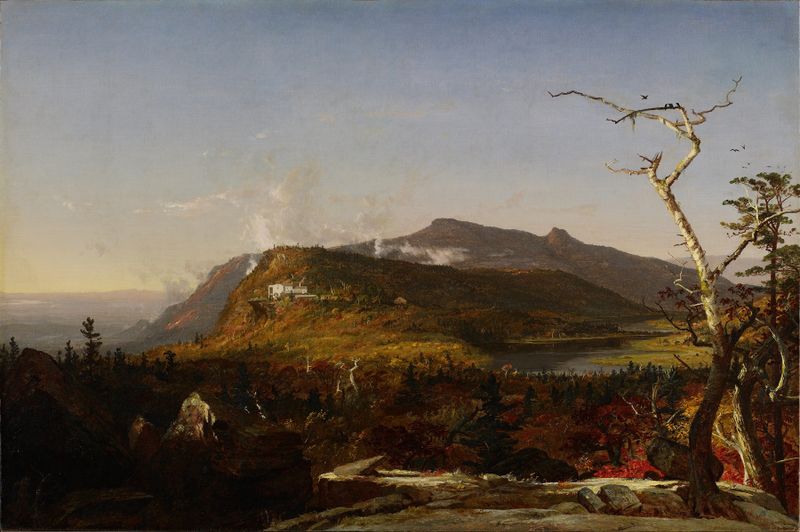
Catskill Mountain House
Jasper Francis Cropsey
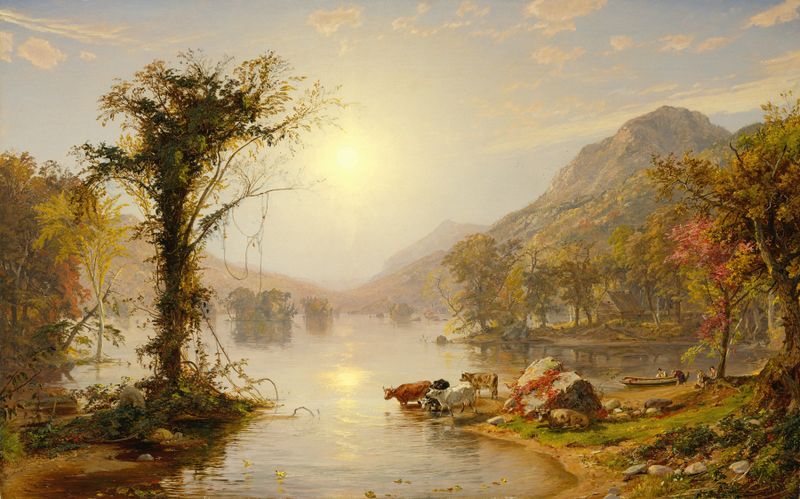
Autumn on Greenwood Lake
Jasper Francis Cropsey
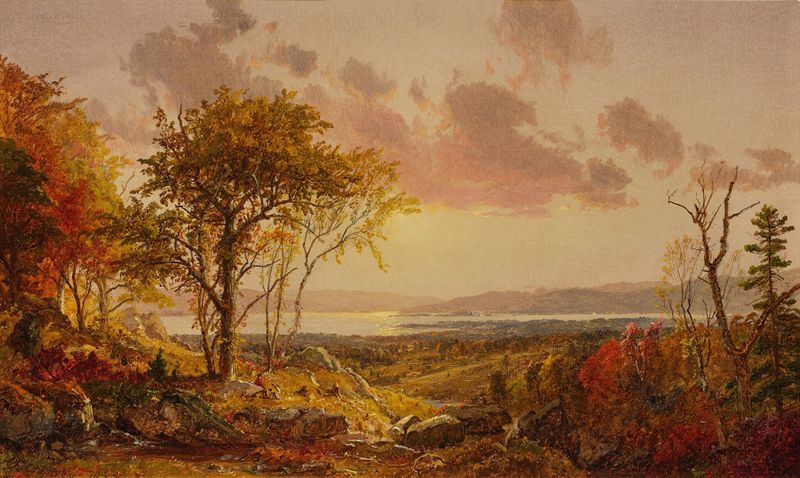
A Distant View of the Hudson River in the Fall
Jasper Francis Cropsey
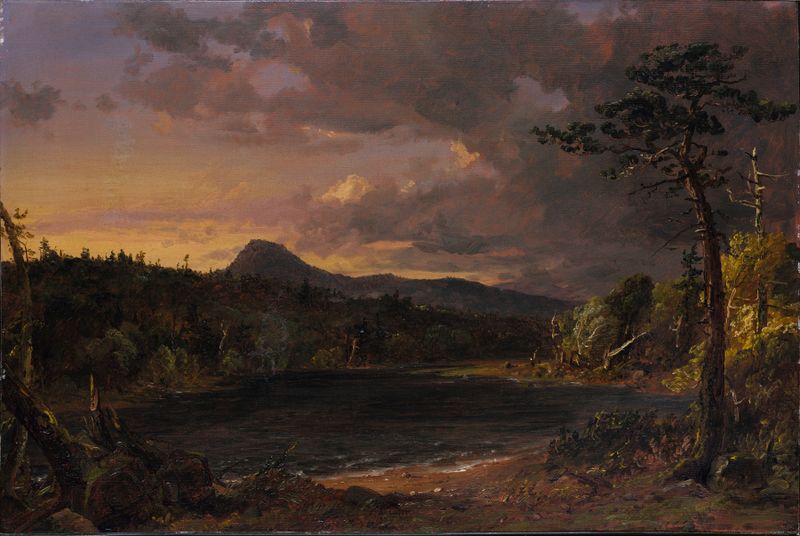
Catskill Creek
Jasper Francis Cropsey

Autumn on the Lake
Jasper Francis Cropsey





