The Storm, Right Part — History & Facts
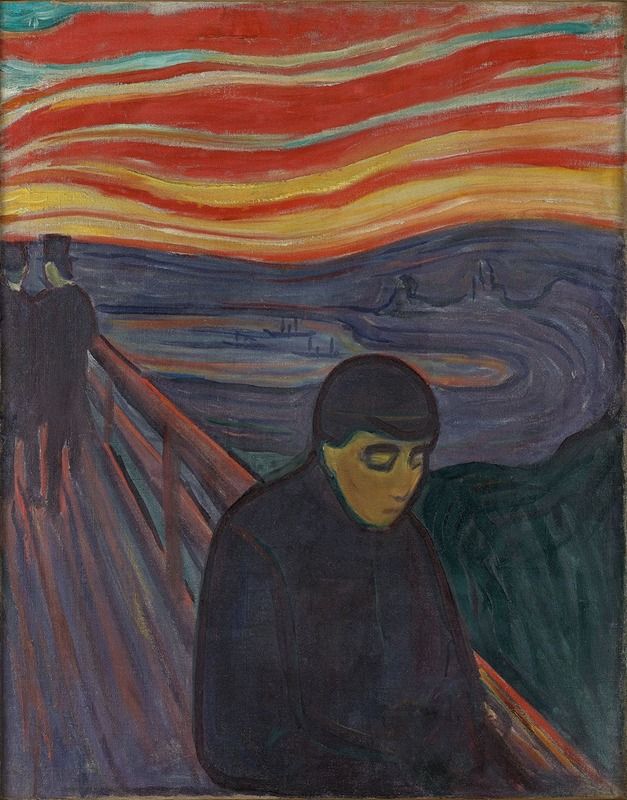
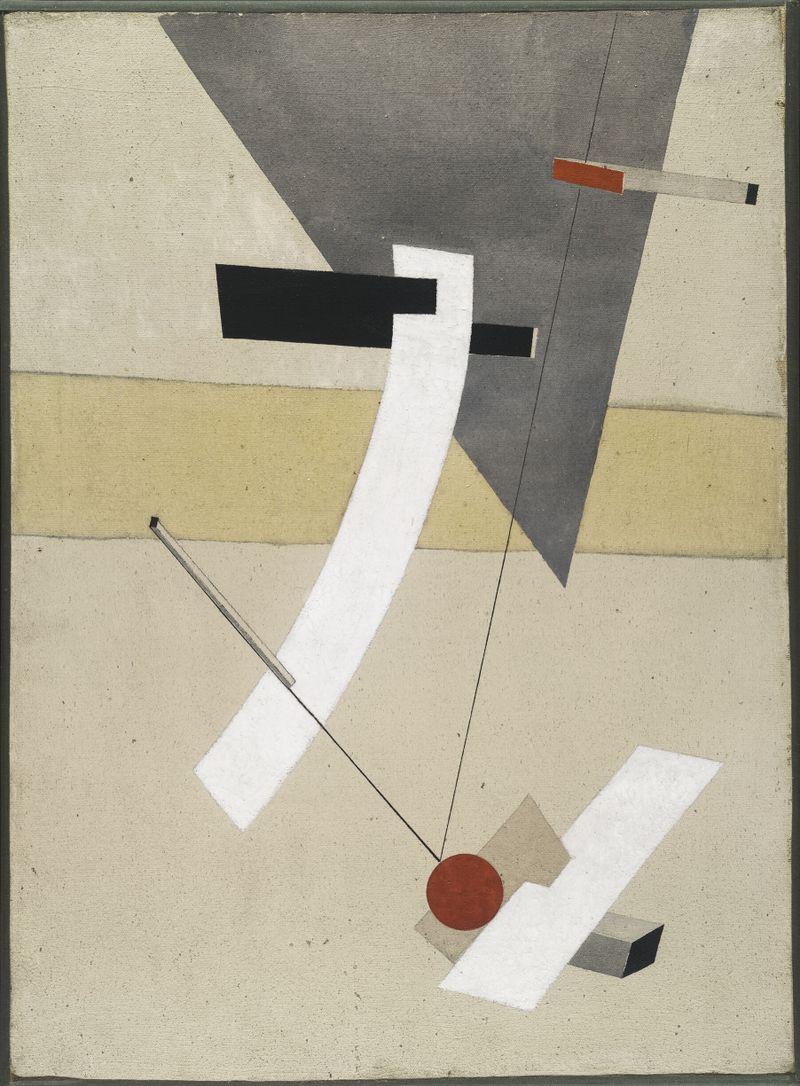
In the haunting interplay of color and form, we encounter grief that lingers like a storm cloud ready to burst. Look to the center of the work, where swirling strokes of deep blues and grays converge, creating a turbulent vortex. The brushwork is frenetic and alive, pulling the viewer’s gaze towards the dark horizon, where ominous shapes suggest both turmoil and transition. Notice how the lighter hues of white and pale beige break through the chaos, hinting at an elusive sense of hope amid despair, while occasional flashes of red punctuate the scene, igniting an emotional resonance that draws you in. This painting encapsulates the tension between the chaos of emotion and the search for clarity.
The juxtaposition of the fierce storm against the semblance of calm at the edges evokes an existential struggle, as if to ask: can we find peace within the turmoil? The figures, shrouded in shadow, embody isolation—a solitude that engulfs them while they confront their inner storms. Each stroke holds the weight of loss, transforming the canvas into a vessel for unspoken grief. Created during the years 1926 to 1927, this work emerged during a tumultuous period in Edvard Munch’s life, as he grappled with personal loss and the physical decline of his own health. The world of art was also shifting; expressionism was in full bloom, reflecting societal anxieties.
In this context, Munch sought to translate raw emotion onto the canvas, crafting a powerful visual dialogue with grief that still resonates today.