
The strolling musicians — History & Facts
Can paint confess what words never could? In The Strolling Musicians, a vibrant yet melancholic composition invites us to ponder the poignant solitude hidden behind the joyful facade of music. Look to the left at the musician with the lute, his expression a delicate balance of merriment and introspection. The warm, golden light cascades down, illuminating the figures while creating deep shadows that dance across the canvas. Notice how the contrasting hues of deep burgundy and muted earth tones evoke a sense of nostalgia, wrapping the scene in a bittersweet embrace.
The figures are engaged in an intricate choreography of gesture and posture, each conveying an unspoken narrative that lingers just beneath the surface. Amidst the lively notes and shared laughter, hints of loss and longing echo through the subtle interplay of expressions. The positioning of the musicians suggests a fleeting moment—their connection is electric, yet ephemeral, reminding us that joy is often undercut by the weight of absence. Even the youthful exuberance of the figures can be seen as a commentary on the inevitability of change and the bittersweet passage of time, prompting us to reflect on the joy that precedes sorrow. In the mid-1630s, as Rembrandt painted this scene, he was navigating tumultuous personal and professional waters.
Living in Amsterdam during a period of artistic flourishing, he contended with the complexities of fame—his career was on the rise, but the seeds of personal tragedy were being sown. The layering of his brushwork and emotional depth in The Strolling Musicians reflects this paradox, capturing the essence of a moment that resonates through both laughter and loss.
More Artworks by Rembrandt van Rijn
Browse all →
The Night Watch Militia Company of District II under the Command of Captain Frans Banninck Cocq
Rembrandt van Rijn

The Return of the Prodigal Son
Rembrandt van Rijn

The Hundred Guilder Print: the figures leaning on the wall in the centre left
Rembrandt van Rijn

The Hundred Guilder Print: the central piece with Christ preaching, the plate arched
Rembrandt van Rijn

Isaac and Rebecca, Known as ‘The Jewish Bride’
Rembrandt van Rijn
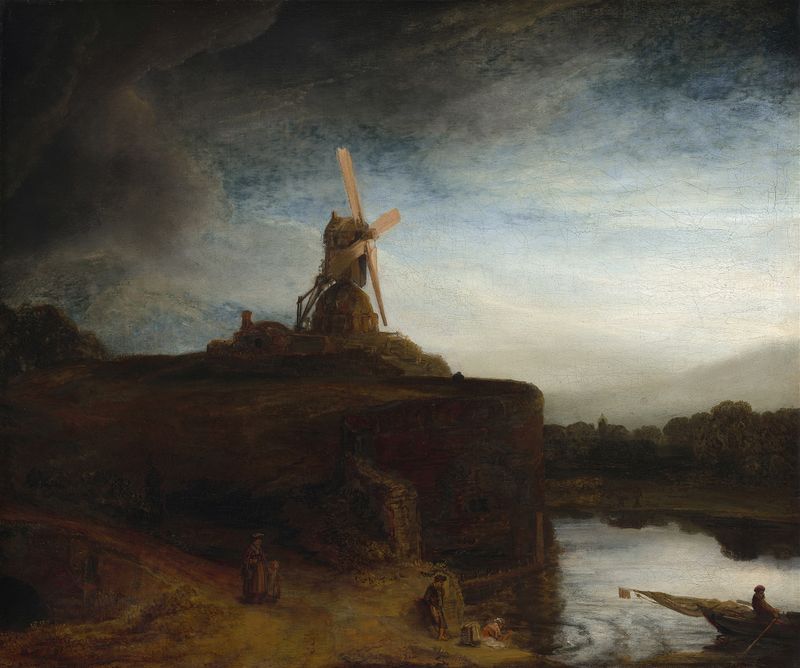
The Mill
Rembrandt van Rijn

The Sampling Officials of the Amsterdam Drapers’ Guild, Known as ‘The Syndics’
Rembrandt van Rijn

The return of the prodigal son
Rembrandt van Rijn
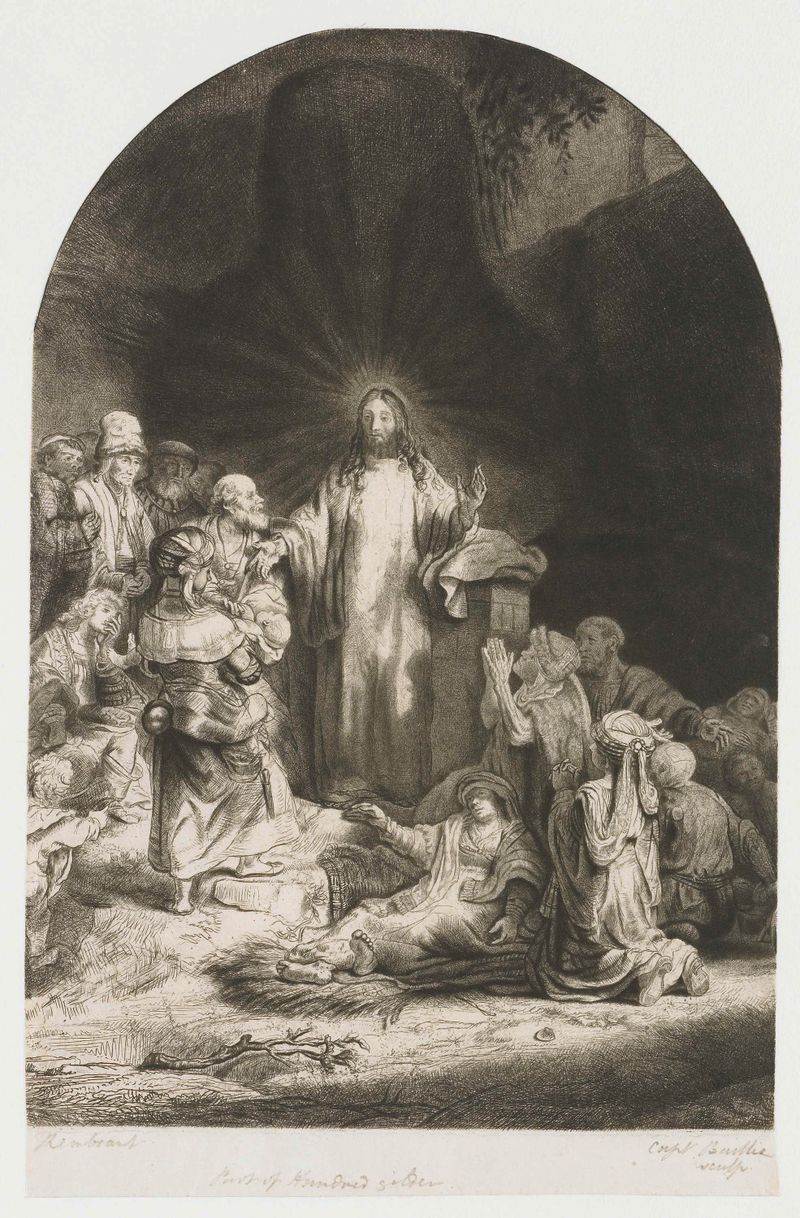
The Hundred Guilder Print: the central piece with Christ preaching, the plate arched
Rembrandt van Rijn

The Hundred Guilder Print: the man seen on the back in the lower left corner
Rembrandt van Rijn





