
The strolling musicians — History & Facts
The air hangs heavy with the weight of music that once was, enveloping the viewer in an atmosphere of forgotten melodies and lingering echoes of camaraderie. As the figures in the painting merge with the shadows, a sense of decay whispers from the canvas; the vibrancy of life now teeters on the edge of nostalgia. Look closely at the musicians on the left, their faces illuminated by a soft, golden light that contrasts sharply with the surrounding darkness. Notice the intricate details of their instruments, the delicate textures of their garments, and the way their postures suggest both playfulness and solemnity.
The composition is masterfully structured, leading the eye through a subtle dance of color—from the warm tones of the musicians to the cooler hues in the background, creating a layered depth that draws viewers into their world. Yet, beneath the lively facade lies a poignant story of transience. The musicians' expressions reveal a complex blend of joy and weariness, embodying the fleeting nature of youth and creativity. The decaying instruments may symbolize the inevitable decline of artistry over time, hinting at the struggles of artists to find meaning in a world that is ever-changing.
This duality of life and decay resonates through their presence, suggesting that every note played is also a whisper of what will eventually fade. In the early 1630s, Rembrandt was establishing his reputation in Amsterdam, surrounded by the flourishing Dutch Golden Age of art. The strolling musicians, created around 1635, reflects both his adeptness at capturing human emotion and the cultural milieu of convivial gatherings that characterized his time. As he explored the interplay of light and shadow, he also navigated his own personal challenges, setting the stage for the innovative works that would follow.
More Artworks by Rembrandt van Rijn
Browse all →
The Night Watch Militia Company of District II under the Command of Captain Frans Banninck Cocq
Rembrandt van Rijn

The Return of the Prodigal Son
Rembrandt van Rijn

The Hundred Guilder Print: the figures leaning on the wall in the centre left
Rembrandt van Rijn

The Hundred Guilder Print: the central piece with Christ preaching, the plate arched
Rembrandt van Rijn

Isaac and Rebecca, Known as ‘The Jewish Bride’
Rembrandt van Rijn
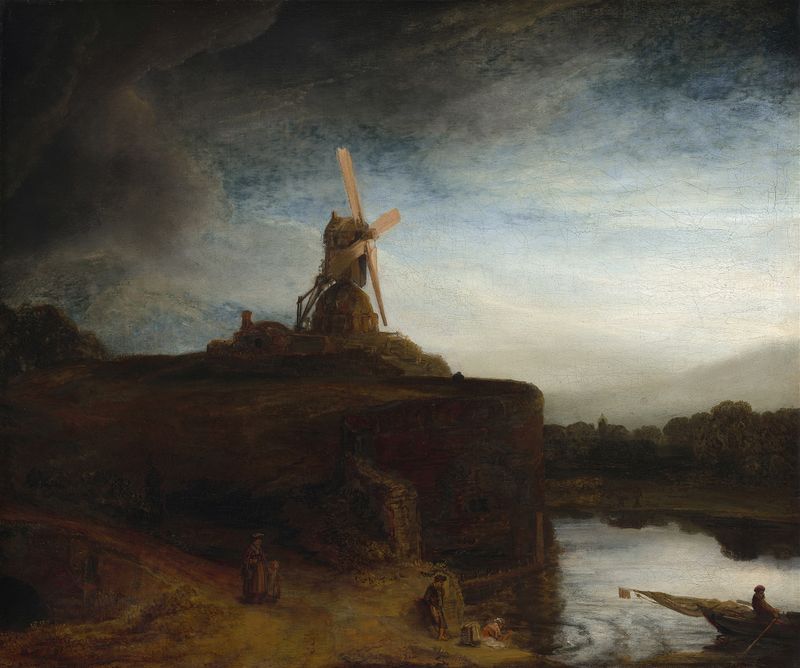
The Mill
Rembrandt van Rijn

The Sampling Officials of the Amsterdam Drapers’ Guild, Known as ‘The Syndics’
Rembrandt van Rijn

The return of the prodigal son
Rembrandt van Rijn
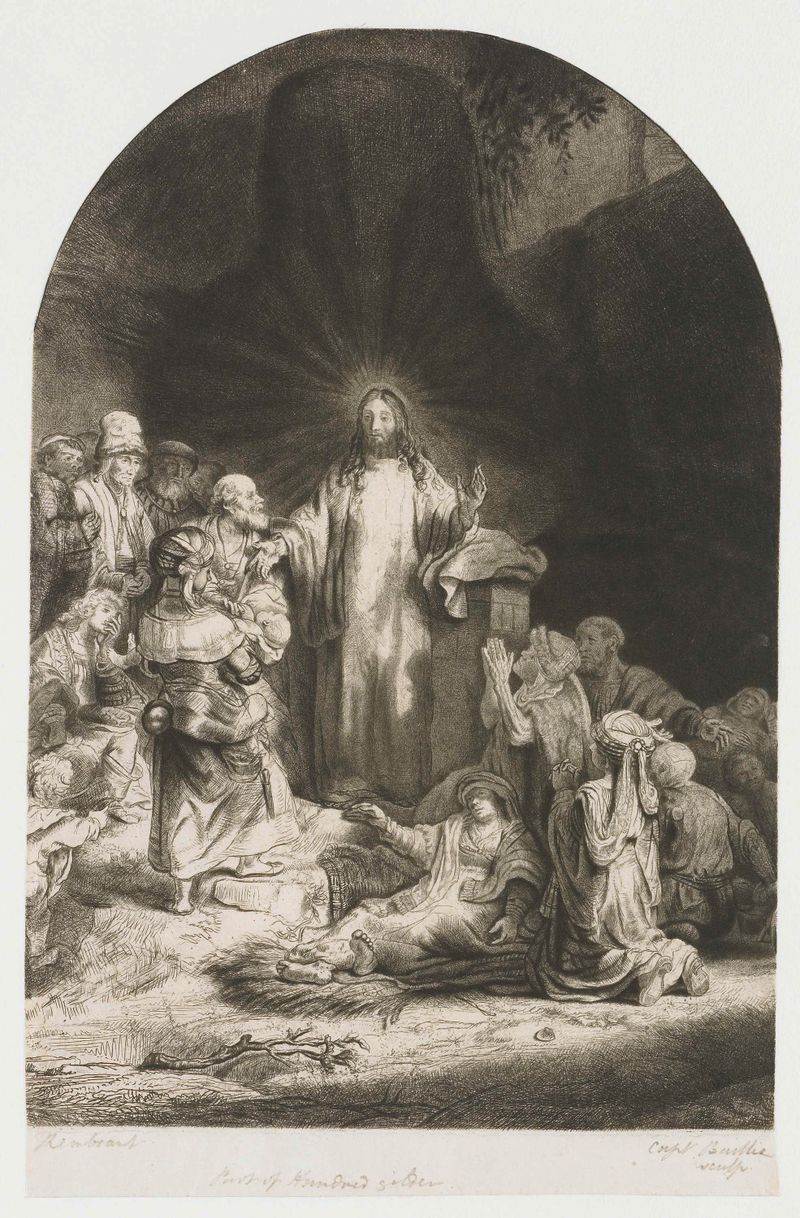
The Hundred Guilder Print: the central piece with Christ preaching, the plate arched
Rembrandt van Rijn

The Hundred Guilder Print: the man seen on the back in the lower left corner
Rembrandt van Rijn





