The Sunken Road — History & Facts
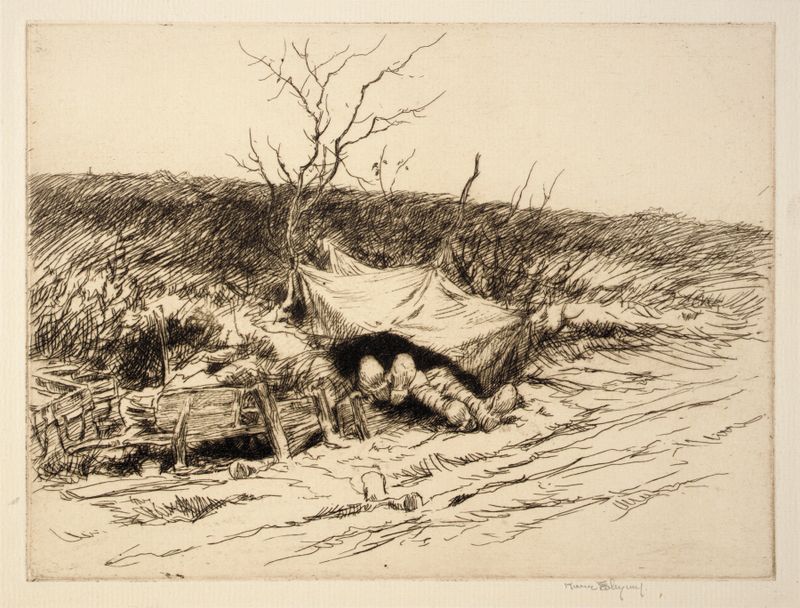
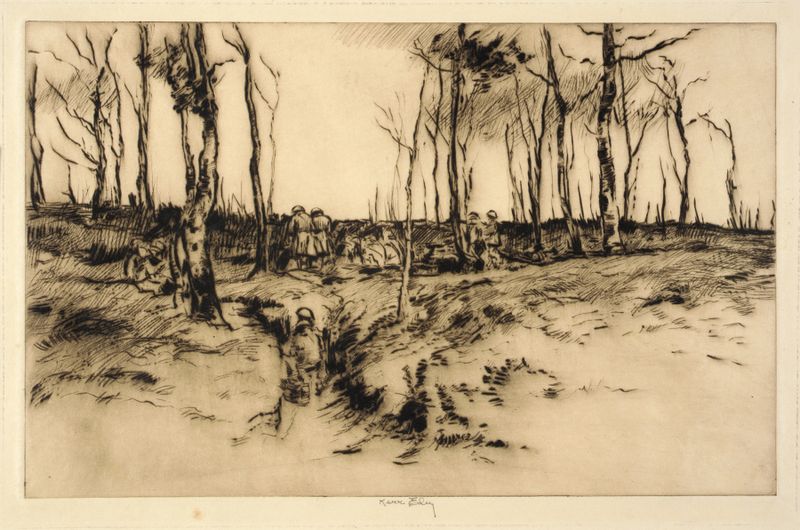
The stillness of a moment can whisper louder than any clamor of chaos. In The Sunken Road, serenity unfolds with a profound clarity, inviting contemplation amid the landscape's depth. Look to the left at the soft, rolling hills bathed in muted shades of green and brown, guiding your gaze towards the inviting path that meanders through the canvas. The sunlight filters gently through a canopy of trees, casting delicate shadows that dance lightly across the earth.
Notice how the interplay of light and texture creates a sense of timelessness, as each brushstroke seems to capture the tranquil essence of a forgotten journey. Delve deeper, and the subtle contrasts emerge. The stillness of the scene contrasts with the underlying tension of history, as the path evokes the weight of footsteps from those who have traversed it before. The delicate blues in the shadows bring forth an emotional resonance, hinting at stories untold—perhaps of solace or of sorrow.
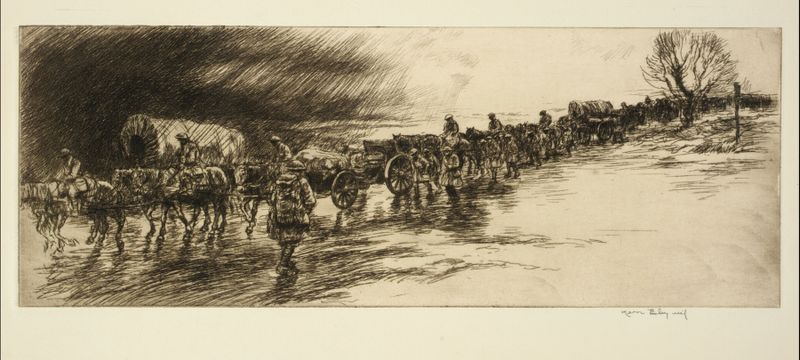
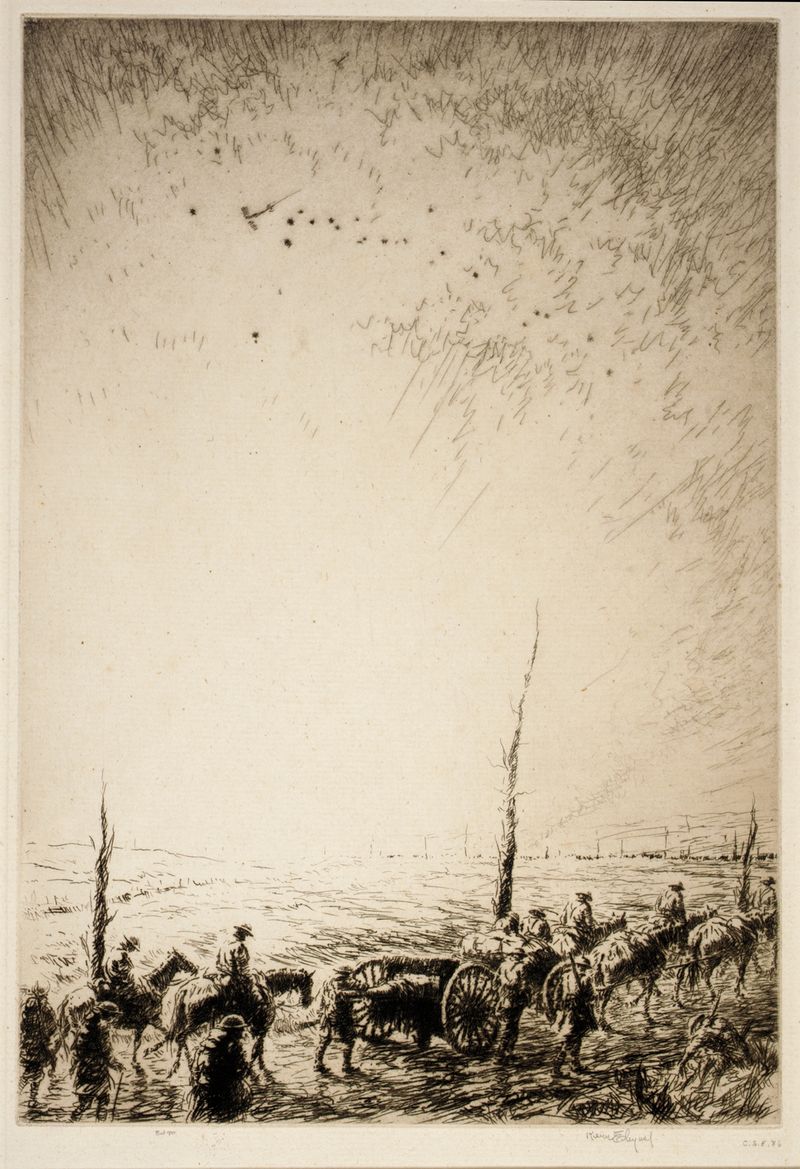
Here, nature embraces the viewer in a hug of quiet introspection, while the potential for movement lingers just beneath the surface. In 1919, Kerr Eby was at a pivotal point in his career, having recently returned from World War I. Living in New York City, he was grappling with the realities of a world forever changed by conflict. This period saw him pushing boundaries in printmaking and painting, seeking solace in landscapes that conveyed a sense of peace amid turmoil.
The Sunken Road stands as both a refuge and a reflection of the artist's inner journey during a time of profound transformation.