
The Terrace, Cintra — History & Facts
When did color learn to lie? In The Terrace, Cintra, the vibrant palette reveals a world both alluring and ephemeral, encapsulating the bittersweet dance of life and death. Look to the center, where a sun-drenched terrace stretches out before us, framed by the lush greens and earthy browns of the surrounding landscape. The interplay of light and shadow creates a shimmering effect, inviting the viewer to step into its embrace. Notice how the azure sky complements the warm hues of the terrace, creating a sense of harmony while simultaneously evoking the fleeting nature of beauty — each brushstroke whispering secrets of transience. Amid this vibrant portrayal, subtle tensions emerge.
The figures, seemingly engaged in leisurely pursuits, infer a deeper layer of vulnerability; their relaxed demeanor belies the inevitable passage of time. The carefully rendered foliage, lush yet encroaching, serves as a reminder of nature’s encroachment, hinting at mortality. The vivid colors, while enchanting, provoke a lingering question about the permanence of such moments — are they painted for eternity, or merely a fleeting glimpse? In 1877, Francis Seymour Haden painted this piece during a time of introspection and changing artistic currents.
Operating within the realms of etching and watercolor, he was both an established artist and an advocate for the medium’s evolution. This period marked a transition in the art world, where the impressionistic influence began to reshape perceptions of light, landscape, and the passage of time, mirroring Haden's own contemplations on the interplay of life and art.
More Artworks by Francis Seymour Haden
Browse all →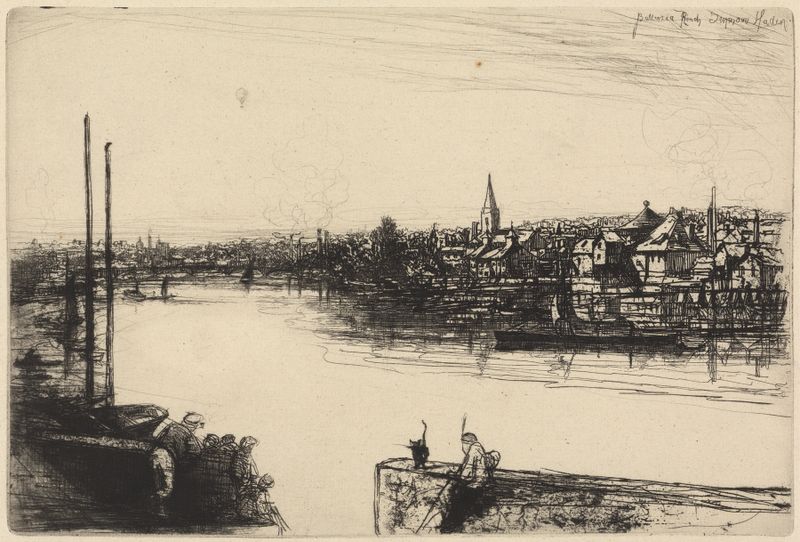
Battersea Reach
Francis Seymour Haden

Nine Barrow Down
Francis Seymour Haden
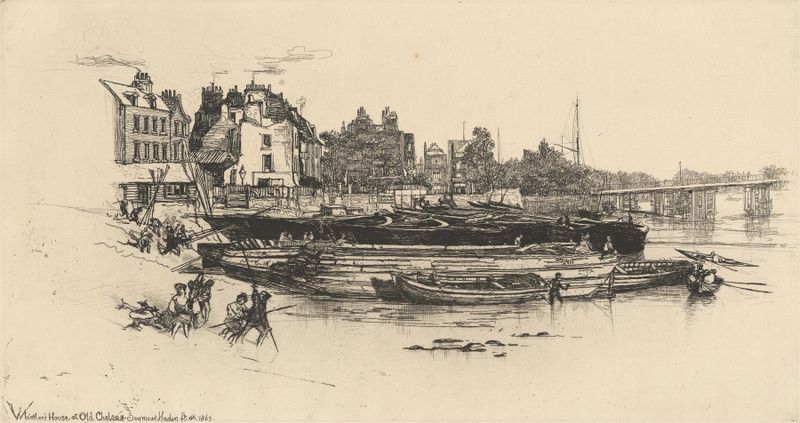
Whistler’s House at Old Chelsea
Francis Seymour Haden

The Mill-Wheel
Francis Seymour Haden
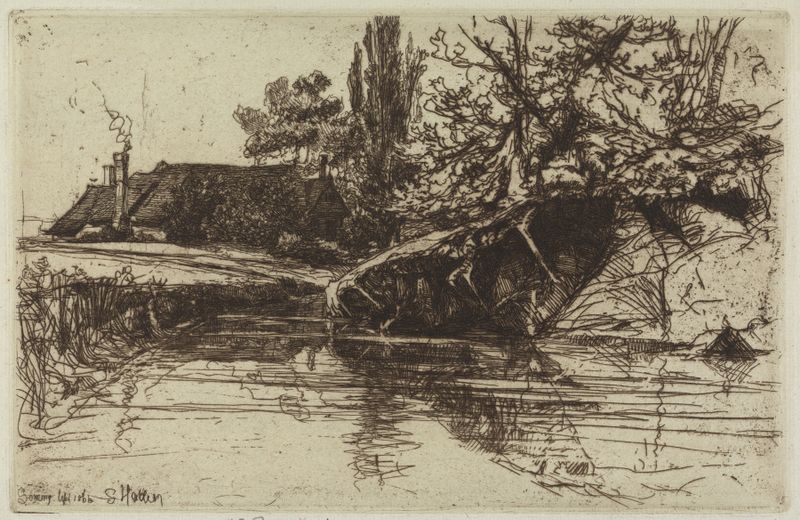
The Moat House
Francis Seymour Haden

By Twickenham
Francis Seymour Haden

Newcastle Emlyn
Francis Seymour Haden
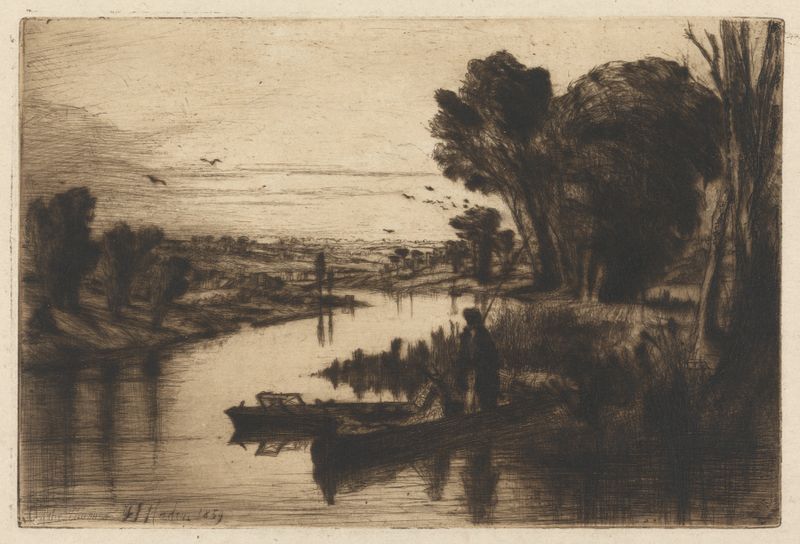
On the Thames
Francis Seymour Haden

Kidwelly Castle
Francis Seymour Haden
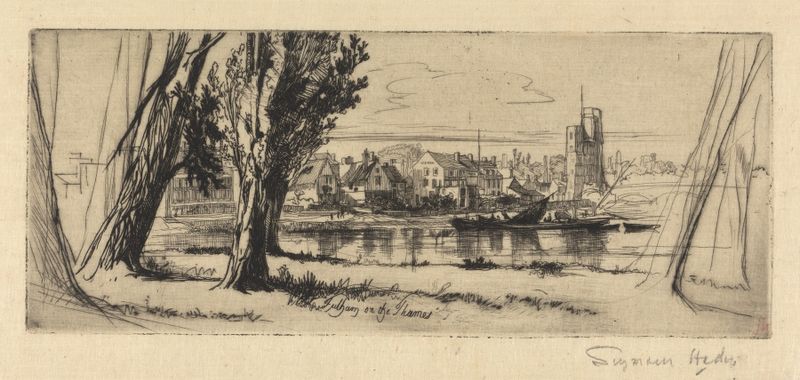
Fulham on the Thames
Francis Seymour Haden





