
The Thames — History & Facts
Where does light end, and longing begin? In The Thames, a whispered dance of color and form invites viewers to explore the delicate intersection of chaos and serenity. Look to the lower right corner, where the shimmering water reflects a muted palette of blues and grays, merging seamlessly with the warm, glowing hues of the sky above. The painter’s fluid brushstrokes evoke a sense of movement, capturing the river's gentle undulations as they flow toward an indistinct horizon. Notice how the light diffuses softly, casting an ethereal quality over the scene, and how the atmospheric perspective draws your eye deeper into the composition, creating a sense of infinite space. However, beneath this tranquil surface lies a tension, a contrast between the chaos of urban life and the calm of nature.
The hints of industrial structures in the background suggest humanity's encroachment, while the delicate interplay of light and shadow encapsulates the fleeting nature of beauty. Each brushstroke conveys a longing for connection amidst the relentless march of progress. The viewer is left contemplating the emotional weight of the moment, where tranquility teeters delicately on the edge of disorder. In 1896, Whistler was immersed in the aesthetic movement, focusing on the beauty and abstraction of everyday life.
Living in London, he sought to capture the essence of his environment, blending Impressionist techniques with his distinctive vision. At a time when industrialization was reshaping cities and landscapes, this work reflects not just the physical Thames but the artist’s inner world, grappling with the chaos around him and the calm he sought to convey.
More Artworks by James Abbott McNeill Whistler
Browse all →
Nocturne in Blue and Silver
James Abbott McNeill Whistler
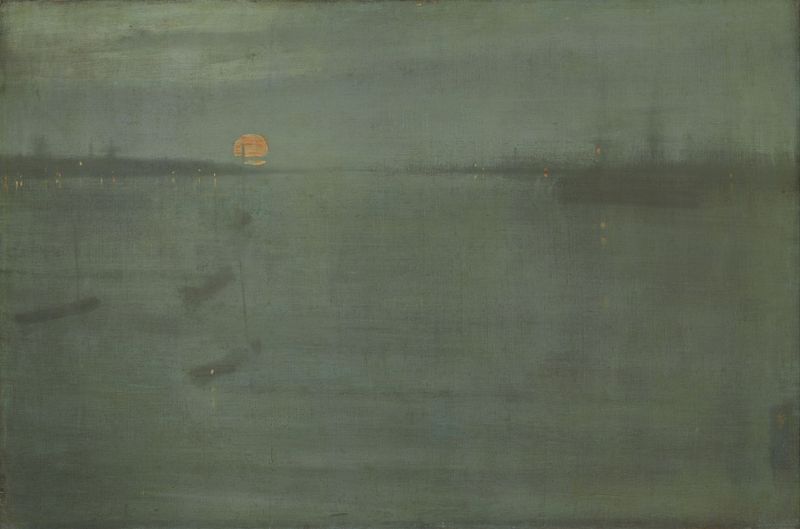
Nocturne: Blue and Gold–Southampton Water
James Abbott McNeill Whistler
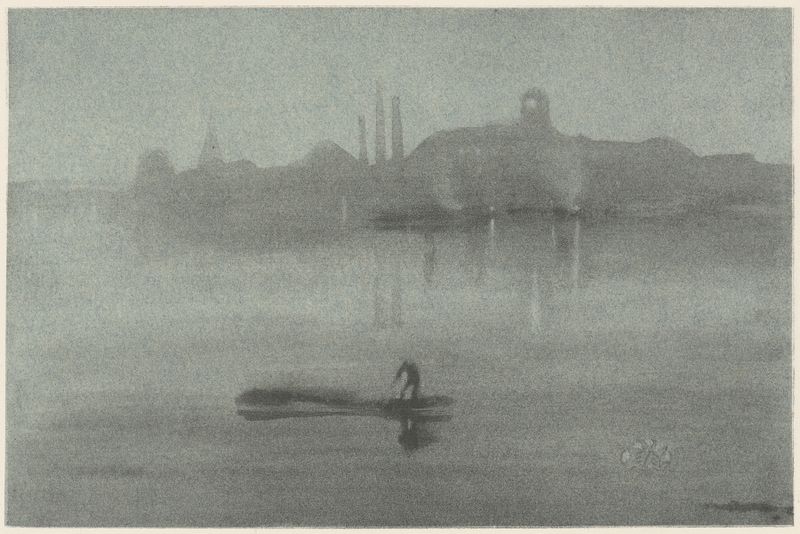
Nocturne
James Abbott McNeill Whistler
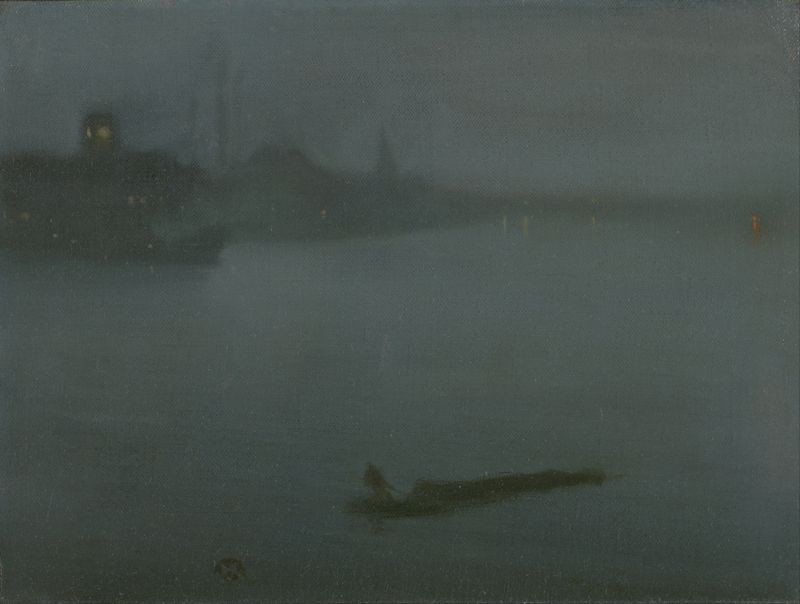
Nocturne in Blue and Silver
James Abbott McNeill Whistler
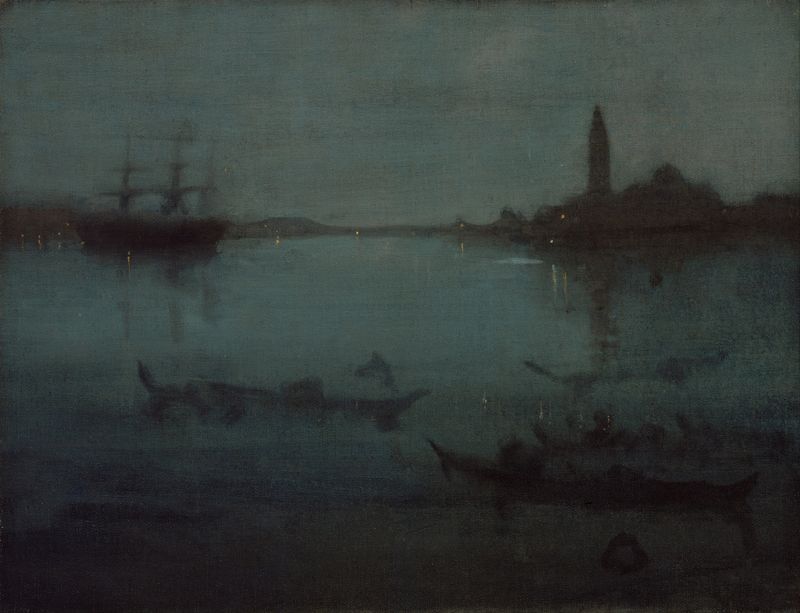
Nocturne in Blue and Silver- The Lagoon, Venice
James Abbott McNeill Whistler
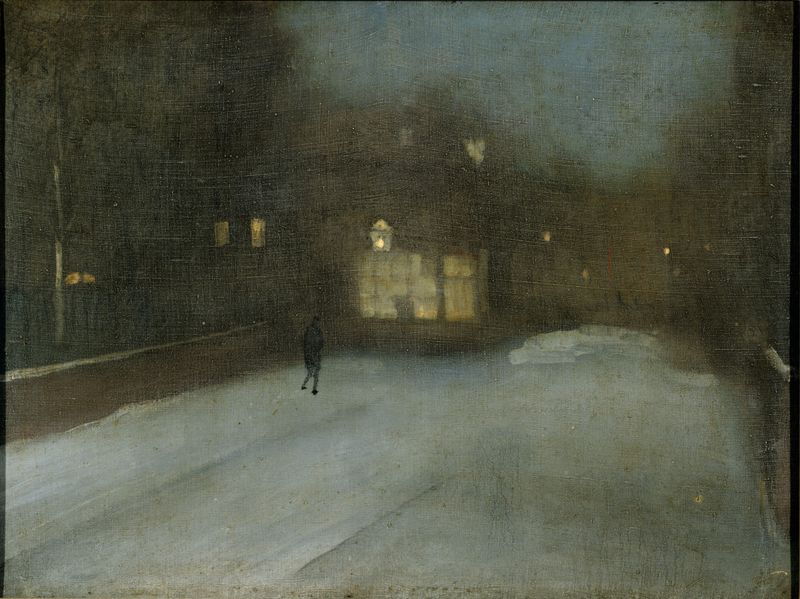
Nocturne in Grey and Gold: Chelsea Snow
James Abbott McNeill Whistler
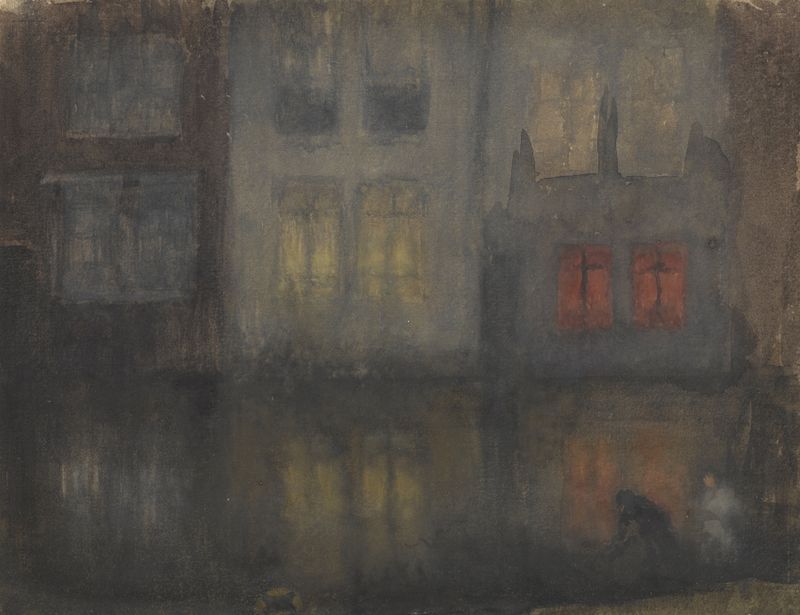
Nocturne: Black and Red—Back Canal, Holland
James Abbott McNeill Whistler
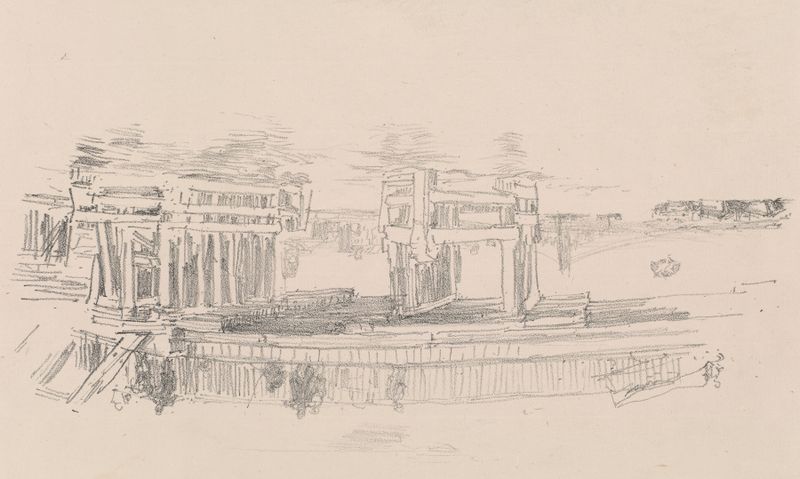
Old Battersea Bridge
James Abbott McNeill Whistler

Nocturne: Blue and Silver–Battersea Reach
James Abbott McNeill Whistler
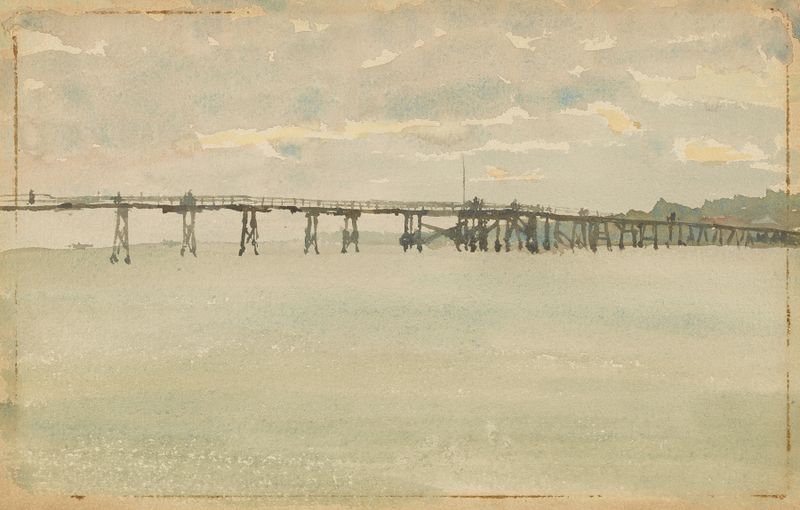
Grey and Silver–Pier, Southend
James Abbott McNeill Whistler




