
The Thames — History & Facts
Who listens when art speaks of silence? In a world clamoring for bold declarations, sometimes the quietest moments hold the deepest truths, revealing innocence untouched by the chaos of life. Look to the center where the river unfurls before you, a gentle ribbon of water reflecting a muted sky. The delicate brushstrokes create an atmospheric haze, enveloping the scene in a softened light that blurs the boundaries between water and air. Notice how the subtle palette – pale blues, soft grays, and whispers of lavender – invites your gaze to linger, drawing you deeper into its serene depths. Within this tranquil landscape, an emotional tension lies in the contrast of stillness and movement.
The boats, barely perceptible in the distance, evoke a sense of calm yet suggest a world bustling just beyond the canvas. Each stroke speaks of innocence; the quiet solitude of the river hints at a longing for peace in an increasingly complex world. The composition itself, with its inclined horizon, suggests the fleeting nature of time, as if the river carries away unspoken thoughts and untouched dreams. In 1896, Whistler was living in London, already established as a master of tonal harmony and atmospheric effects.
He worked during a period marked by shifts in artistic movements, engaging with the burgeoning Impressionist style while maintaining his own unique voice. This piece reflects not only his personal growth as an artist but also the transformative power of art in capturing the essence of fleeting moments.
More Artworks by James Abbott McNeill Whistler
Browse all →
Nocturne in Blue and Silver
James Abbott McNeill Whistler
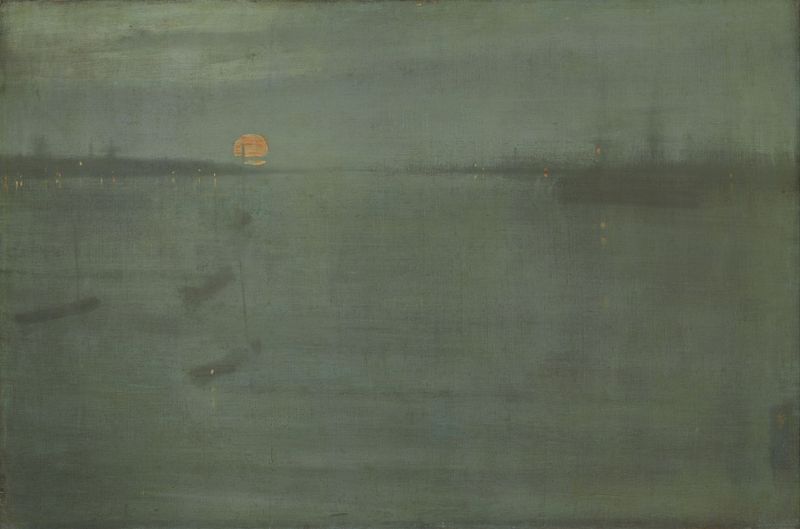
Nocturne: Blue and Gold–Southampton Water
James Abbott McNeill Whistler
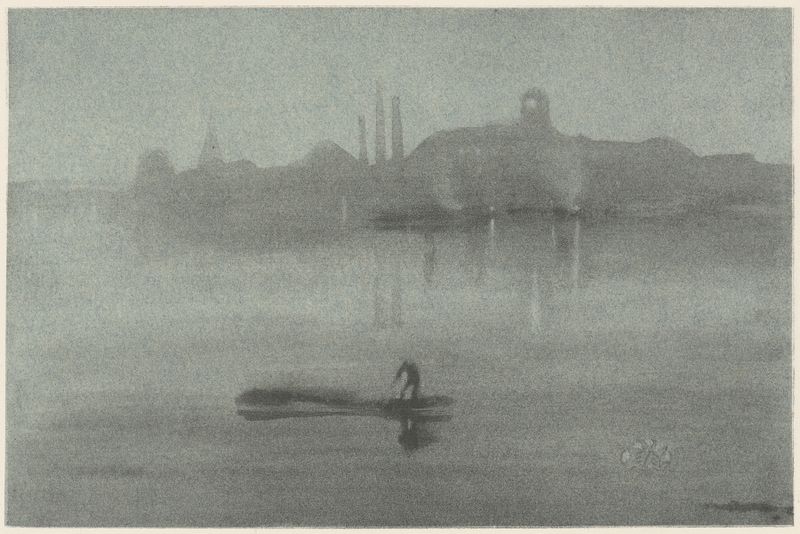
Nocturne
James Abbott McNeill Whistler
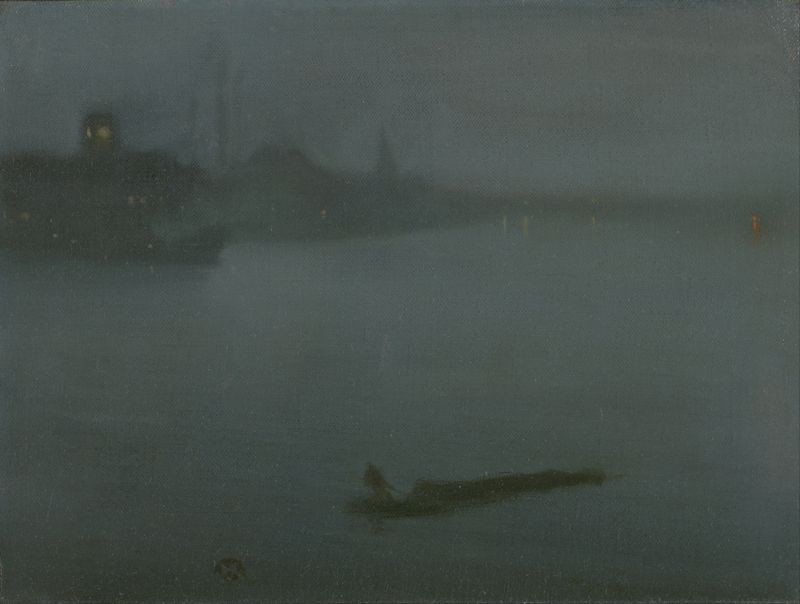
Nocturne in Blue and Silver
James Abbott McNeill Whistler
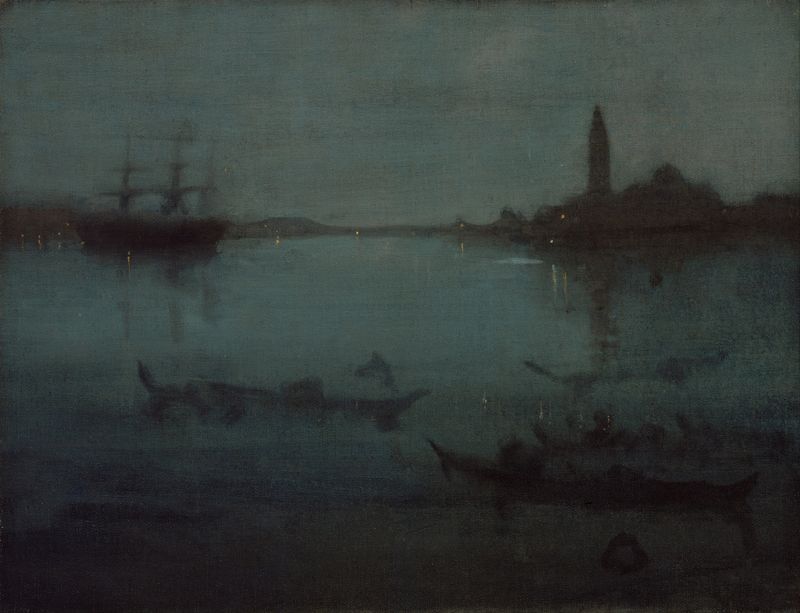
Nocturne in Blue and Silver- The Lagoon, Venice
James Abbott McNeill Whistler
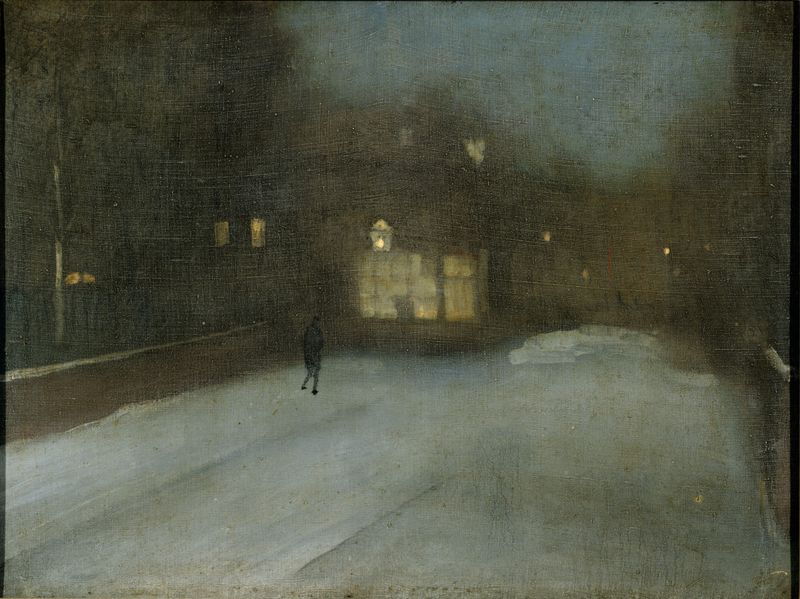
Nocturne in Grey and Gold: Chelsea Snow
James Abbott McNeill Whistler
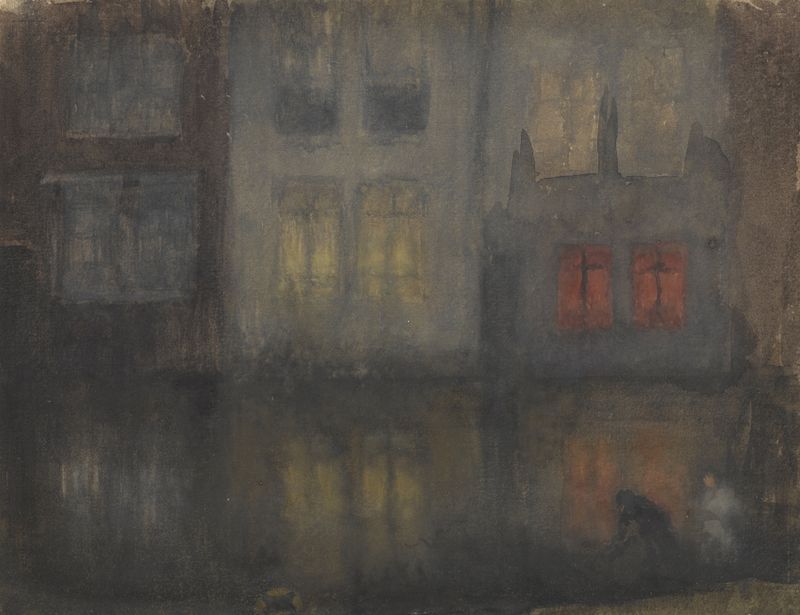
Nocturne: Black and Red—Back Canal, Holland
James Abbott McNeill Whistler
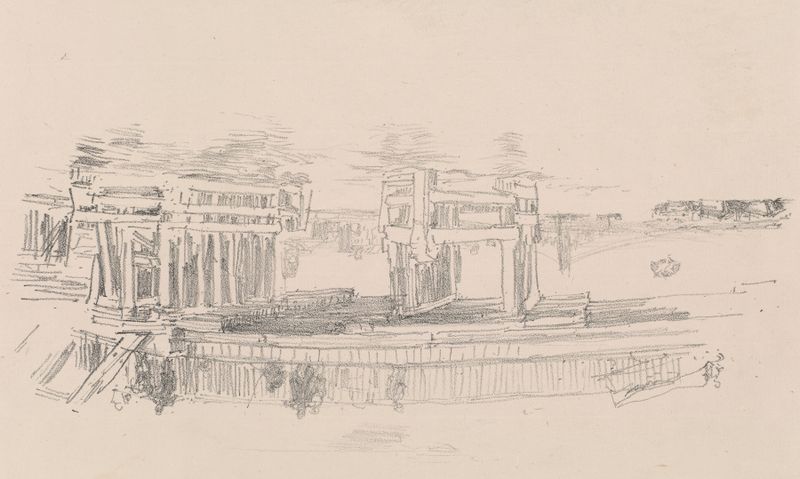
Old Battersea Bridge
James Abbott McNeill Whistler

Nocturne: Blue and Silver–Battersea Reach
James Abbott McNeill Whistler
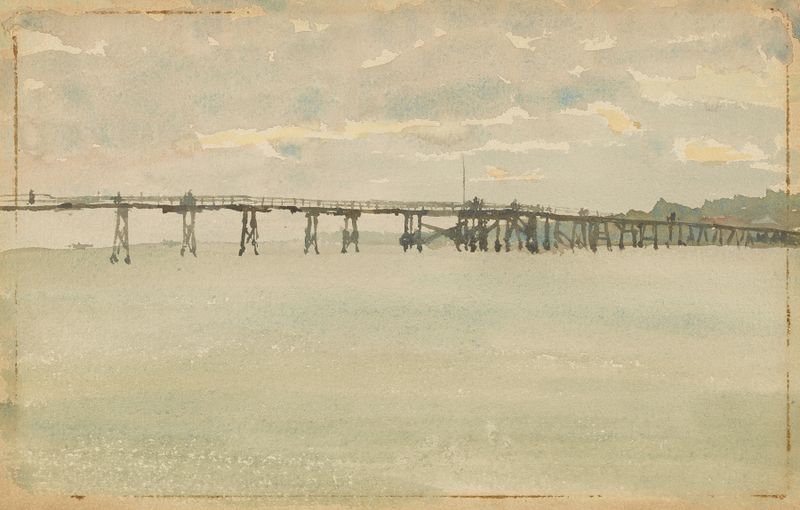
Grey and Silver–Pier, Southend
James Abbott McNeill Whistler





