
The Théâtre du Gymnase — History & Facts
A hush falls over the crowd, but not on stage—here, in The Théâtre du Gymnase, the drama is already in motion. Adolph von Menzel captures the electric tension between audience and performer, the flicker of footlights casting long shadows and igniting the rich folds of a blue silk gown. The viewer’s eye is drawn first to the actors, poised mid-speech, their gestures frozen in the golden haze.
The audience below, rendered in quick, shadowy strokes, becomes a sea of anticipation, their faces half-lit, their attention riveted. A single, brightly lit box to the right gleams with gilded detail, its occupants leaning forward, as if about to tumble into the scene themselves. Painted in 1856, this work belongs to the world of mid-nineteenth-century Europe, when the theatre was both a social arena and a showcase of modern life. Artists like Menzel, fascinated by the spectacle of urban entertainment, turned their gaze from grand historical subjects to the immediacy of contemporary experience.
The Théâtre du Gymnase in Paris was renowned for its lively productions and fashionable crowds, and paintings such as this one offered viewers a glimpse behind the velvet curtain—into the interplay of artifice and reality, light and shadow. Though little is recorded about this particular canvas beyond its date and its presence in the Google Arts & Culture collection, its energy and detail invite us to linger, searching for stories in every illuminated face.
More Artworks by Adolph von Menzel
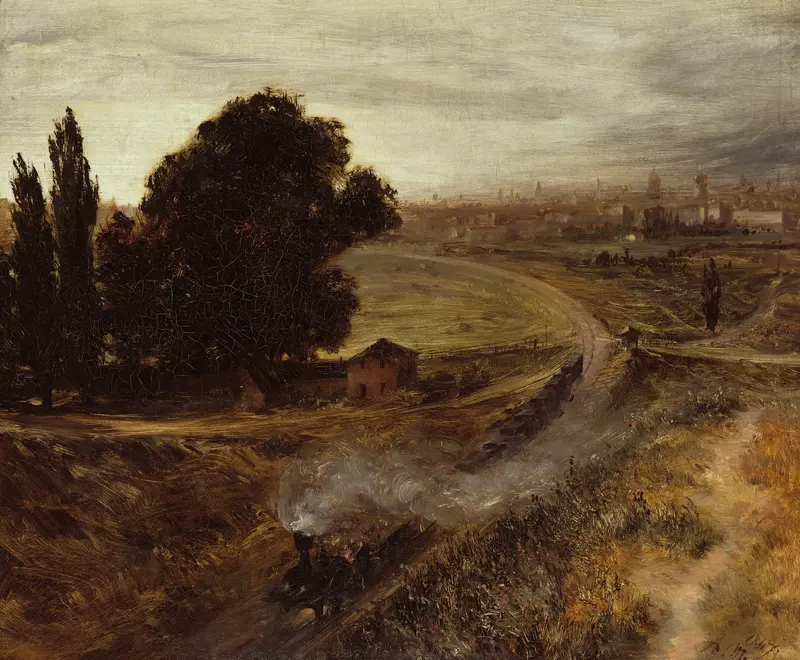
The Berlin-Potsdam Railway
Adolph von Menzel
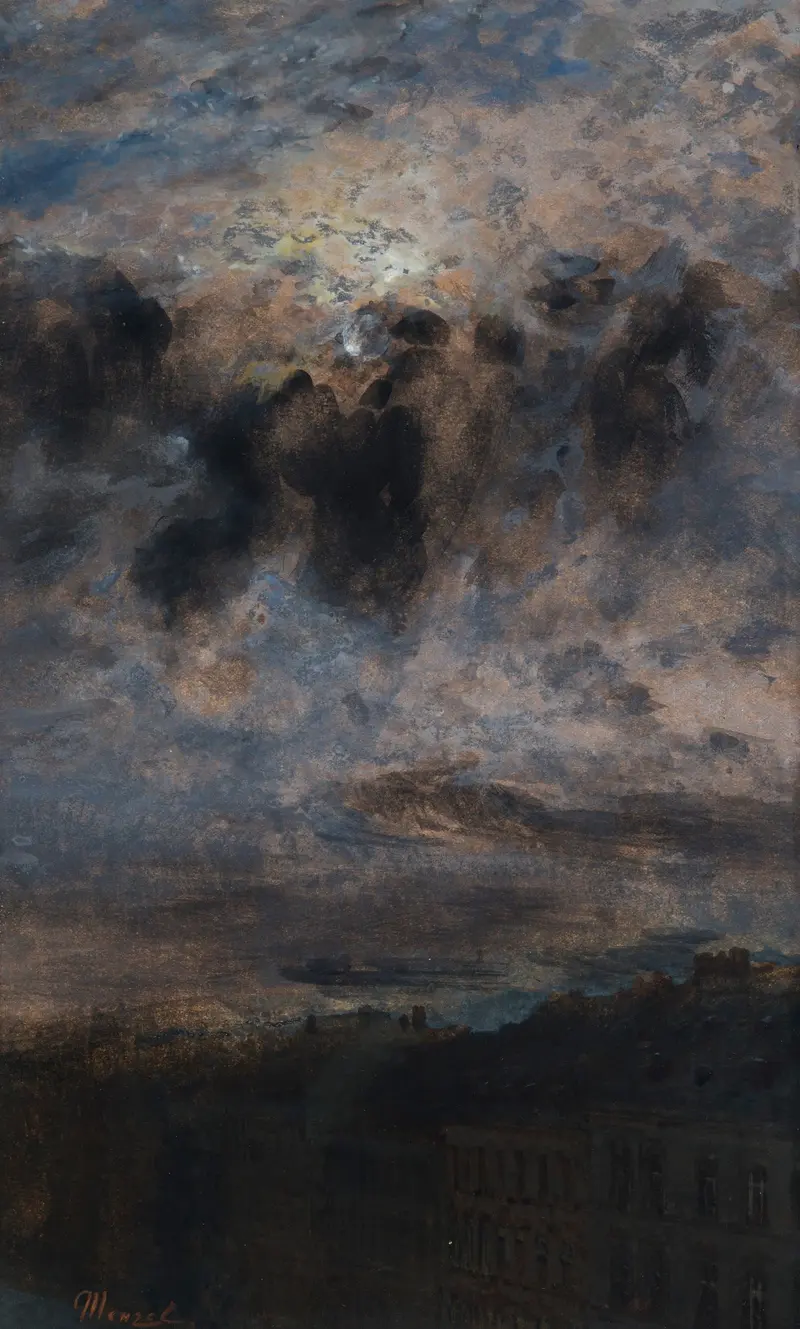
Mondschein über den Dächern von Berlin
Adolph von Menzel
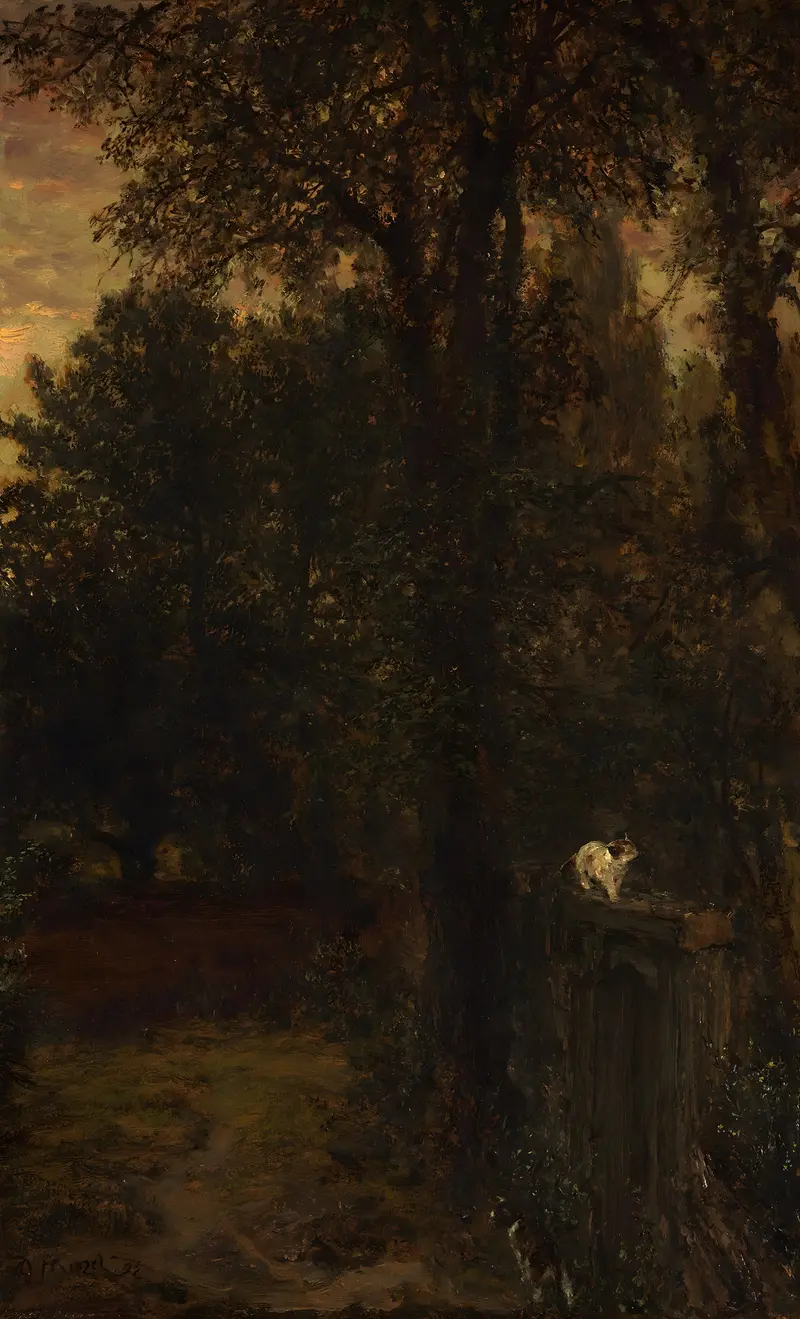
Landscape
Adolph von Menzel
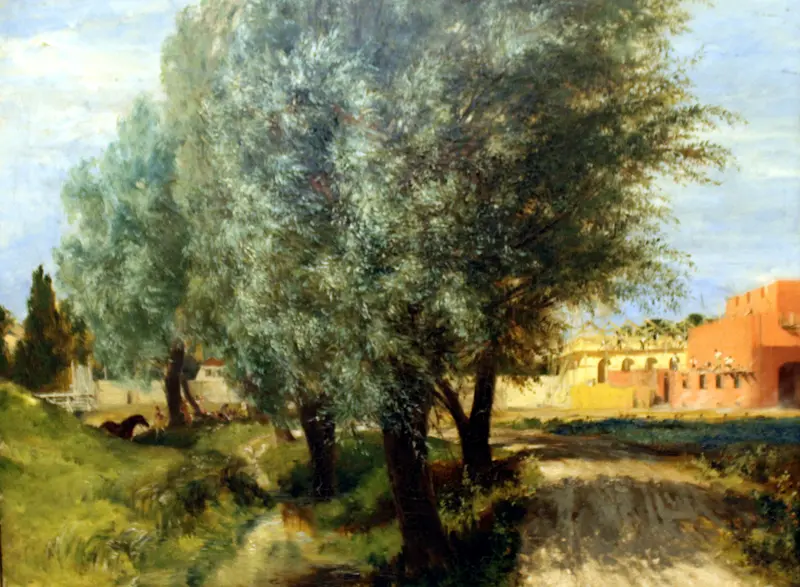
Building Site with Willows
Adolph von Menzel
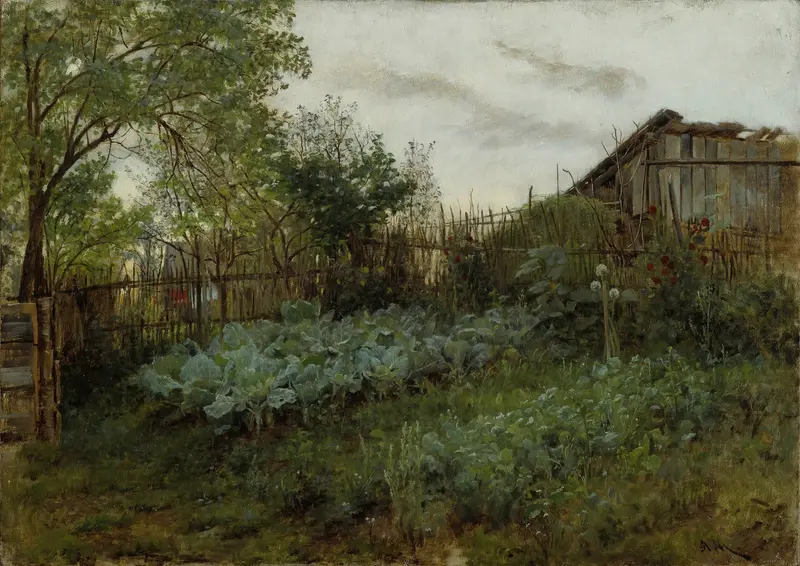
The Back Garden
Adolph von Menzel
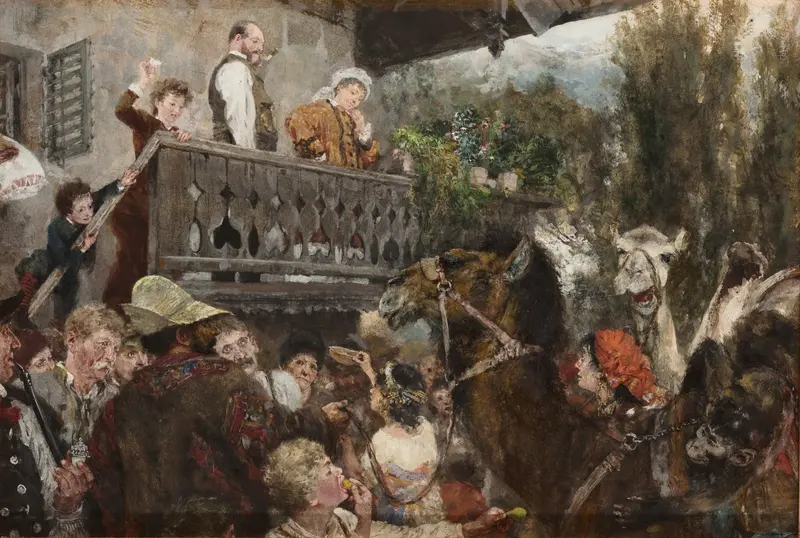
The wandering circus (Camel drivers in Partenkirchen)
Adolph von Menzel
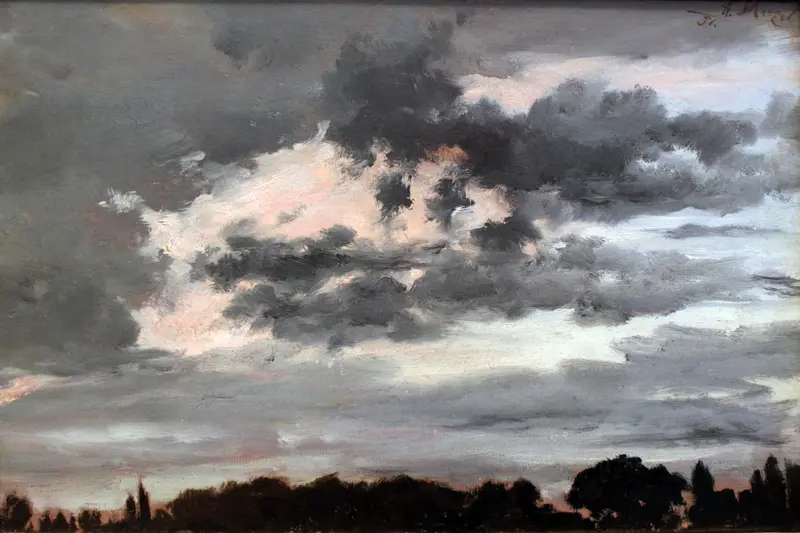
Cloud Study
Adolph von Menzel
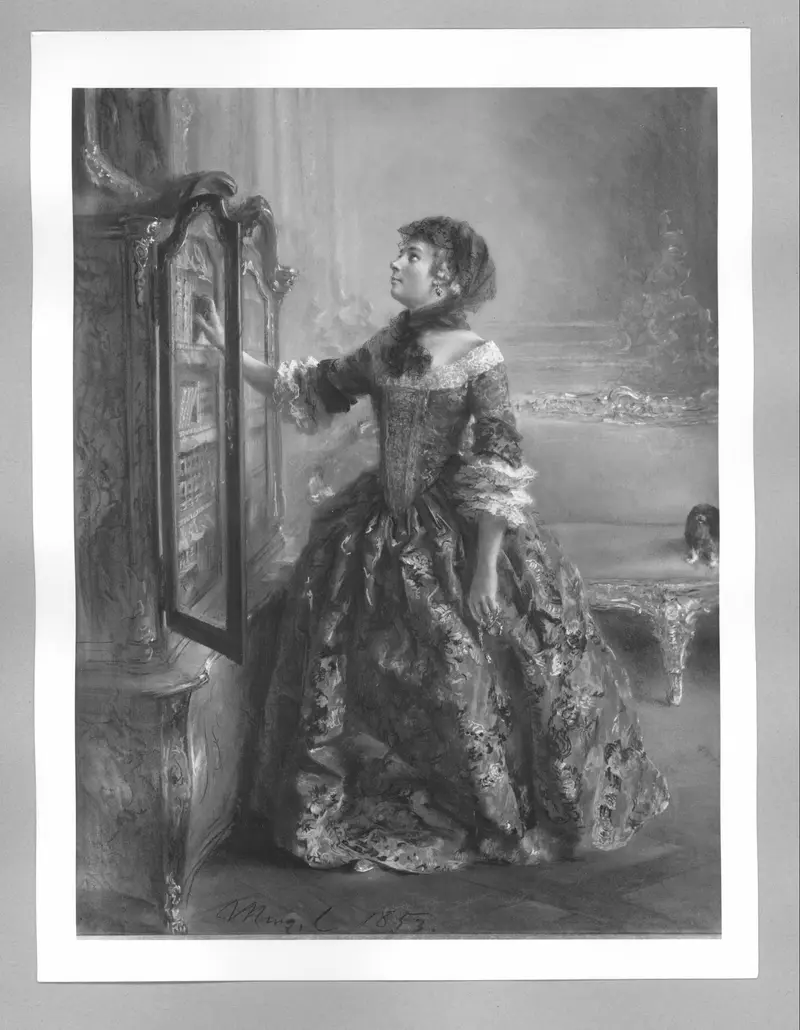
Adolf Friedrich Erdmann Menzel Dame in Rokoko Kostüm vor einem Bücherschrank (Prinzessin Amalie von Hohenzollern) 2320 Führermuseum
Adolph von Menzel
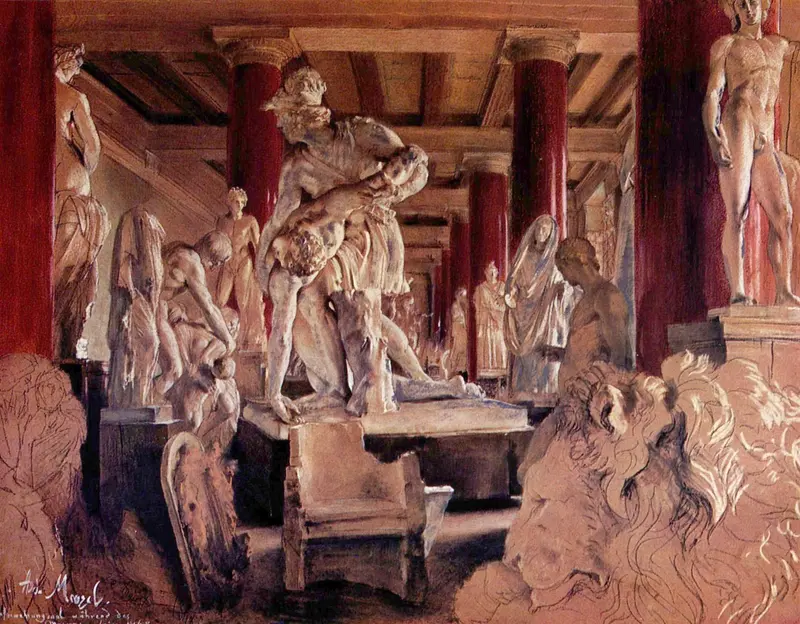
Aufbewahrungssaal während des Museumsumbaus Adolf Friedrich Erdmann von Menzel (Alte Nationalgalerie, Berlin)
Adolph von Menzel
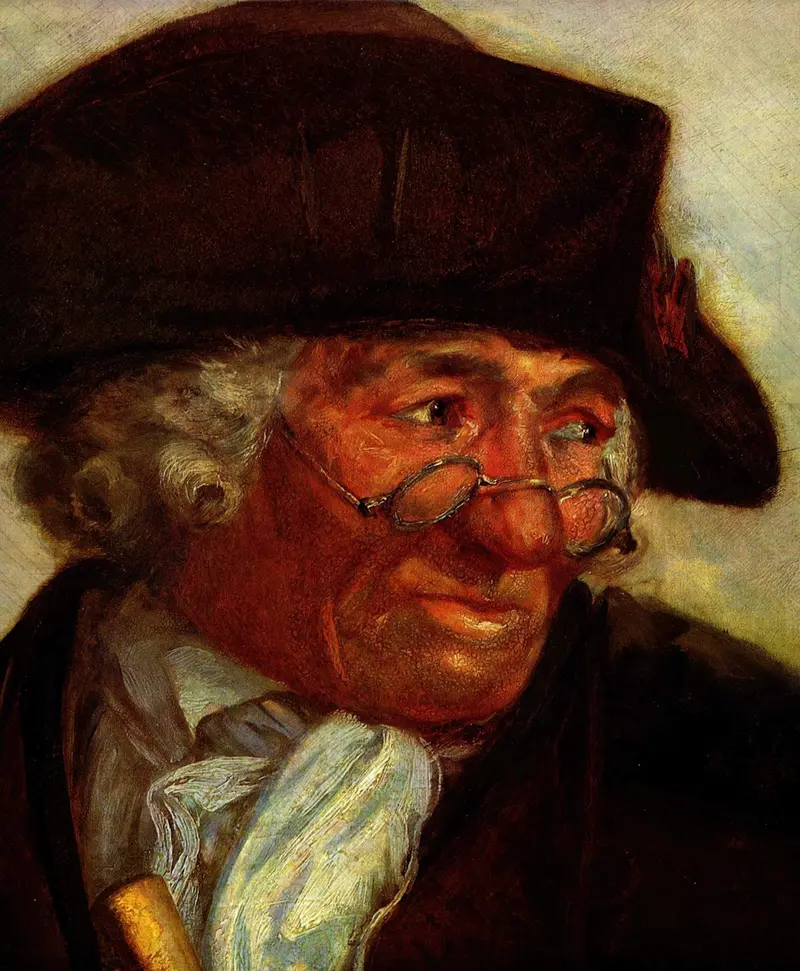
Chodowiecki on the Jannowitz Bridge
Adolph von Menzel
More Genre Scene Art

Banquet of the Officers of the St George Civic Guard
Frans Hals

Rembrandt and Saskia in the Scene of the Prodigal Son
Rembrandt van Rijn

Bal du moulin de la Galette
Pierre-Auguste Renoir

Quadrille at the Moulin Rouge
Henri de Toulouse-Lautrec

A Burial at Ornans
Gustave Courbet

When Will You Marry?
Paul Gauguin