
The Three Graces (East Indian Worship) — History & Facts
In The Three Graces (East Indian Worship) by Arthur Bowen Davies, the viewer is greeted by a vibrant palette of colors. The figures of the three graces are depicted with flowing garments that seem to dance around them. The setting includes lush foliage and intricate patterns that suggest an East Indian influence.
This combination creates a lively and dynamic atmosphere. The painting is executed in oil on canvas, allowing for rich textures and depth in color. The artist employs a Symbolist style, evident in the dreamlike quality of the figures and their surroundings. The use of light and shadow enhances the three-dimensionality of the composition.
Viewers can appreciate the details in the fabric and the natural elements that frame the figures. Arthur Bowen Davies was known for his interest in mythology and symbolism, often blending different cultural influences in his works. This painting reflects his fascination with the concept of beauty and grace, as represented by the three figures. An interesting fact about this work is that it was created during a time when Davies was exploring themes of spirituality and Eastern philosophies.
This context adds layers of meaning to the depiction of the Graces.
More Artworks by Arthur Bowen Davies

Mirror of Illusion
Arthur Bowen Davies
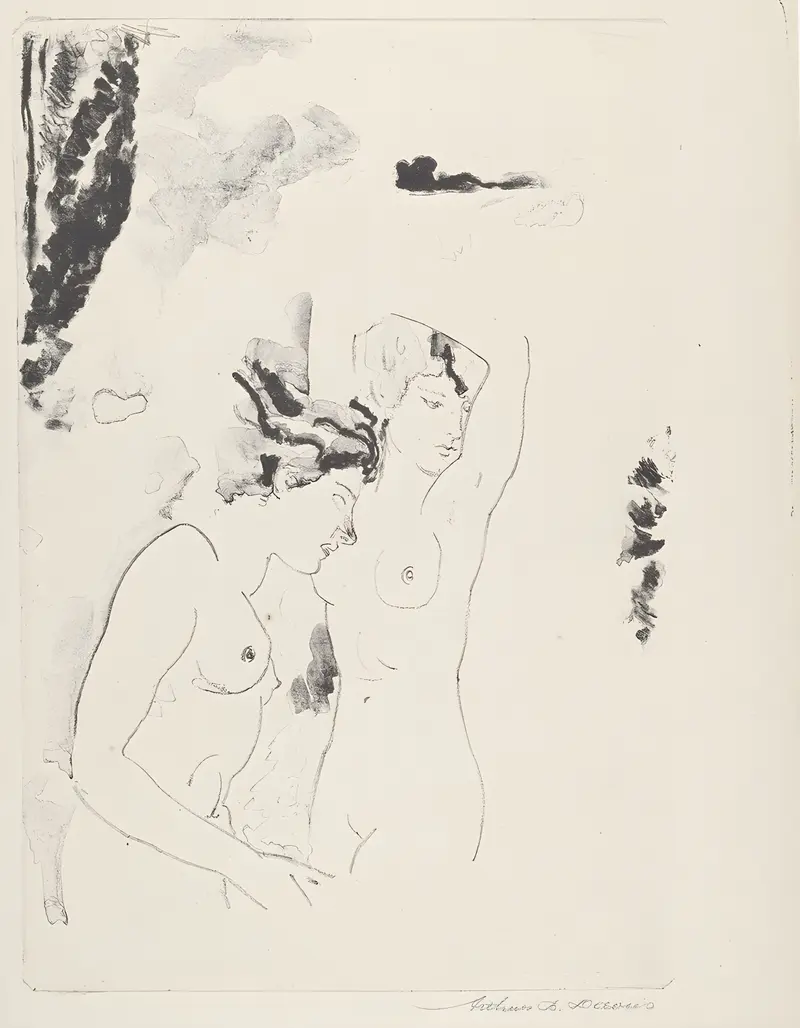
Nymphs of the Stream
Arthur Bowen Davies

Woman Dancing
Arthur Bowen Davies
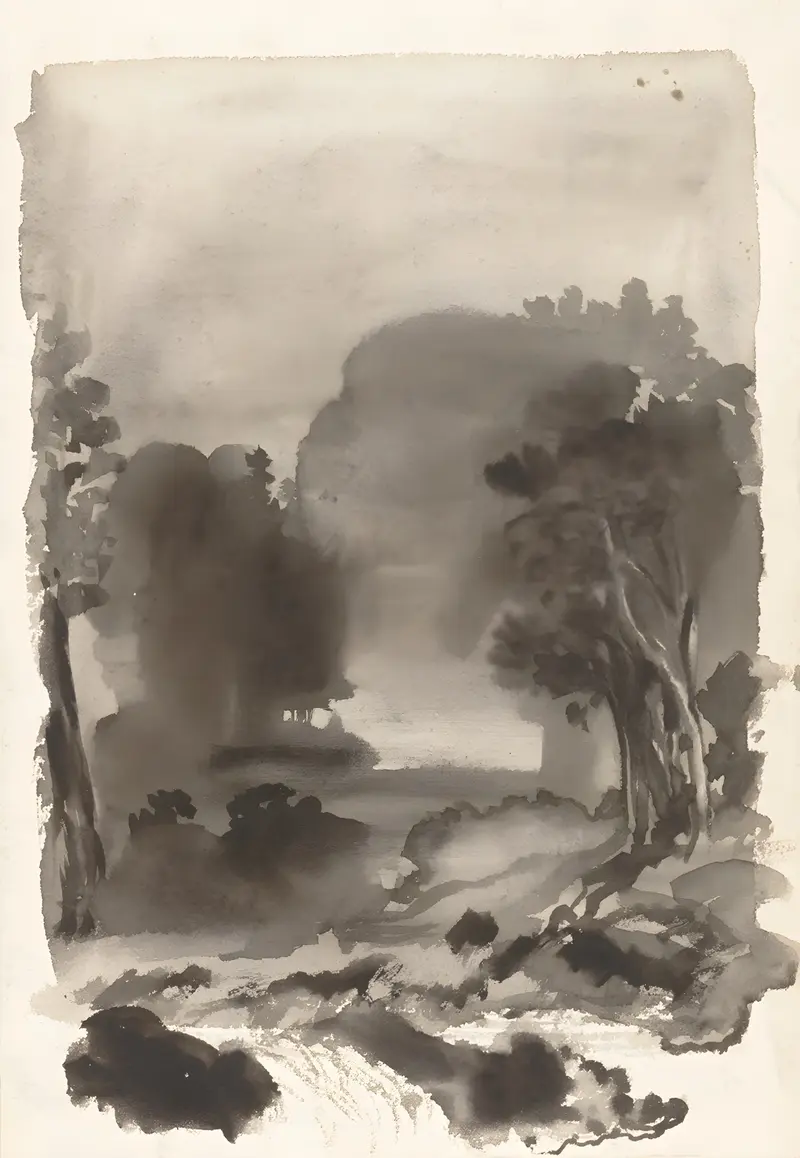
Landscape 2
Arthur Bowen Davies
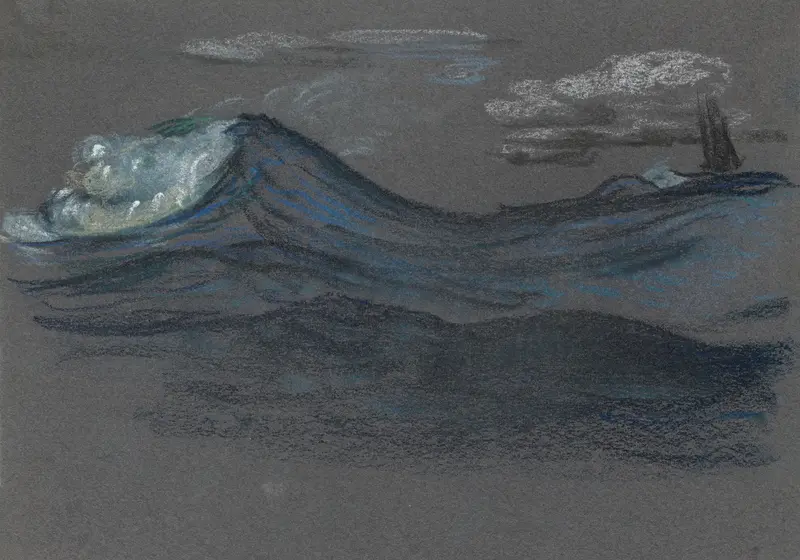
Ocean Swells
Arthur Bowen Davies
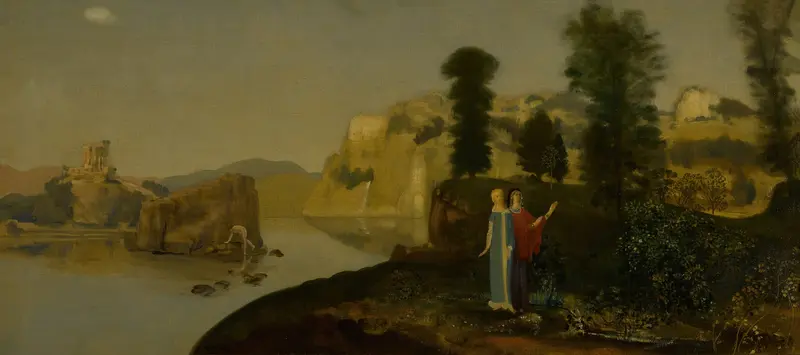
Silver Springs
Arthur Bowen Davies
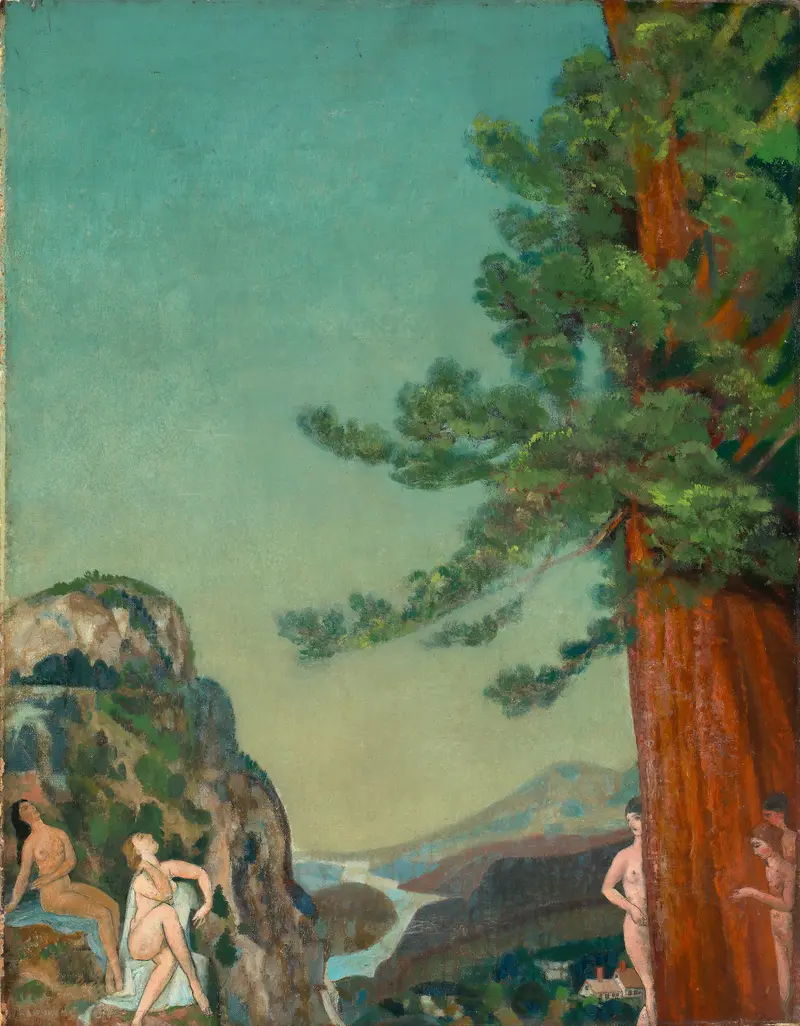
On the Cliffs
Arthur Bowen Davies

Landscape
Arthur Bowen Davies
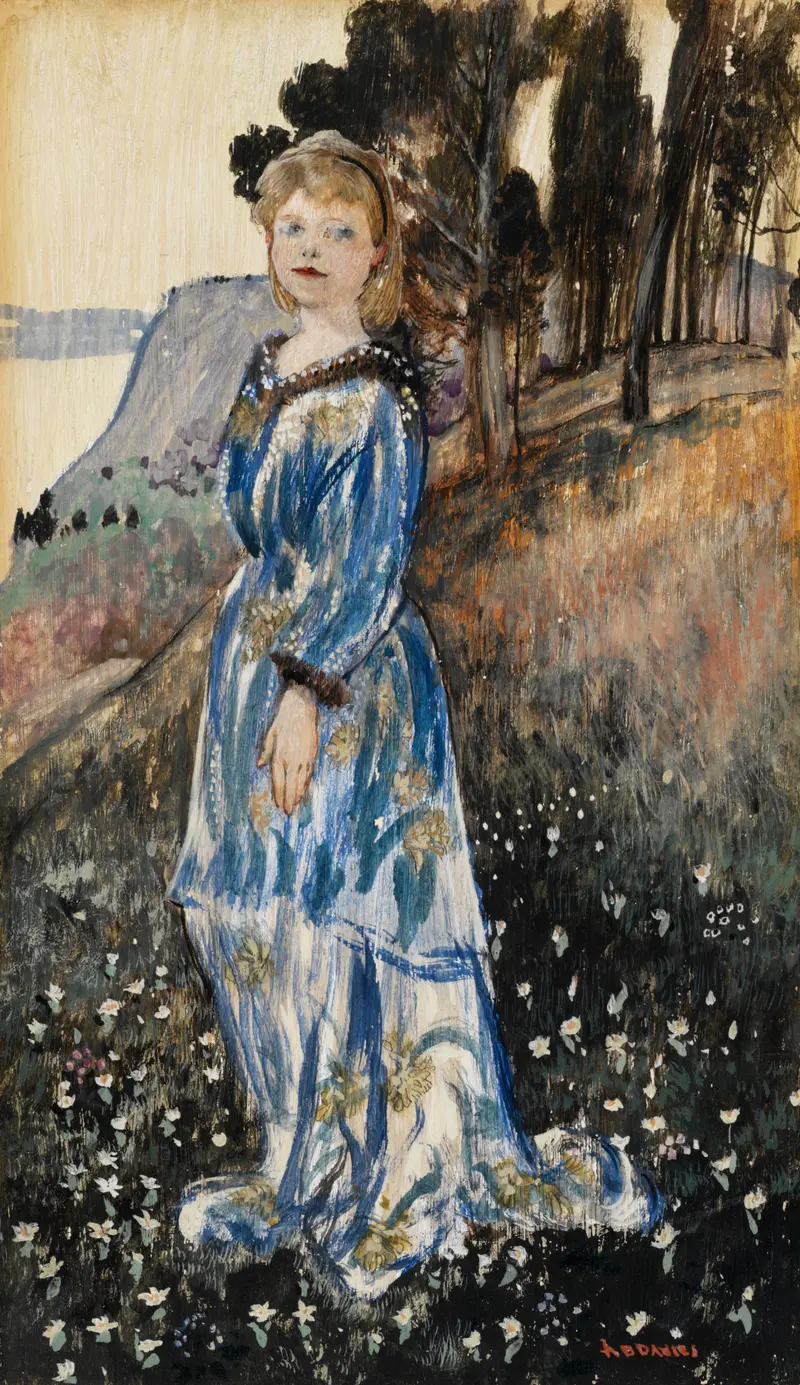
Flora
Arthur Bowen Davies
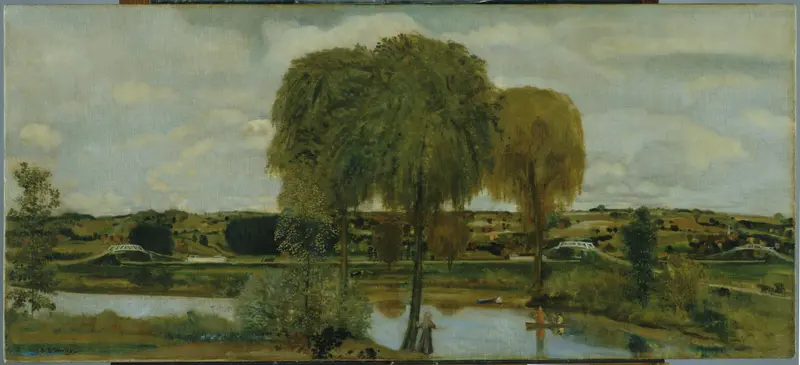
Along the Erie Canal
Arthur Bowen Davies





