
The town of Guadalupe, taken from a balloon — History & Facts
In the silence of memory, we often find the echoes of loss, a theme woven into the very fabric of existence. Look to the expansive aerial view where the town of Guadalupe sprawls beneath a vast, open sky. The delicate brushwork captures both the intricate layout of the streets and the undulating rooftops, while soft hues of greens and browns evoke a sense of tranquility. Notice how the light bathes the town in a golden glow, casting long shadows that suggest both the warmth of life and the passage of time, as if the scene were held in a precious moment before the inevitable changes to come. The composition hints at the duality of existence; the lively town center juxtaposed with the empty spaces around it creates a haunting sense of absence.
Each building carries stories of its inhabitants, and yet the absence of figures accentuates a feeling of solitude. This contrast invites contemplation on the nature of community and loss, urging viewers to reflect on the lives that once filled those spaces and how the passage of time erases both presence and memory. C. Castro painted this piece in 1869, a time when aerial perspectives were capturing the public imagination, fueled by the advent of hot air balloon travel.
Working in a rapidly changing world, he sought to document the landscape and essence of his surroundings amidst the shifts brought by modernity, making The town of Guadalupe a poignant reflection of the ephemeral nature of life and belonging.
More Artworks by C. Castro
Browse all →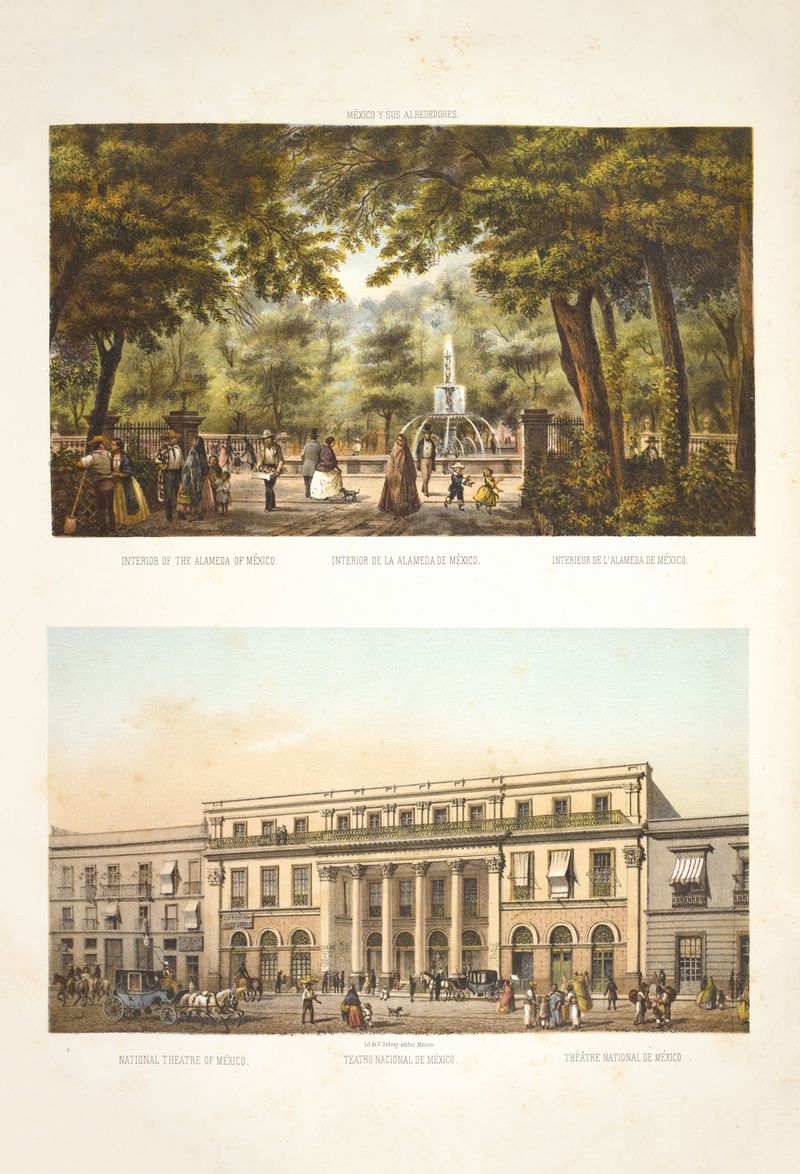
Interior of the Alameda of Mexico ; National Theatre of Mexico.
C. Castro
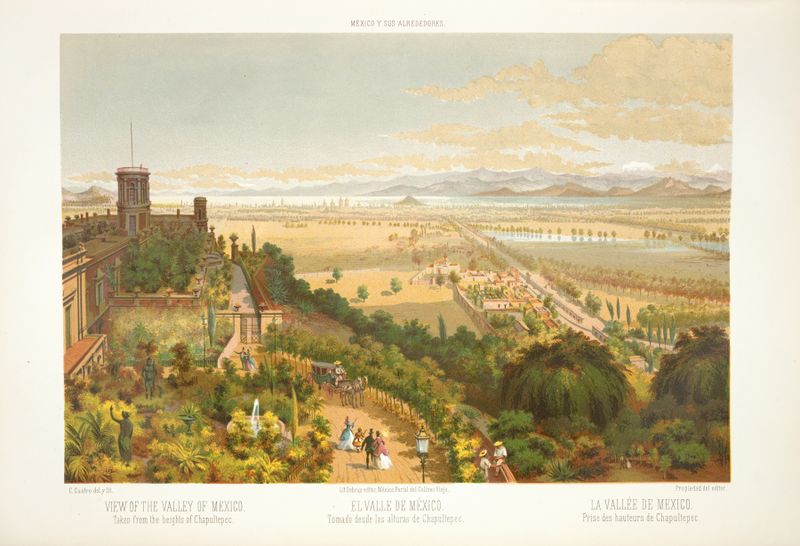
View of the Valley of Mexico, taken from the heights of Chapultepec.
C. Castro
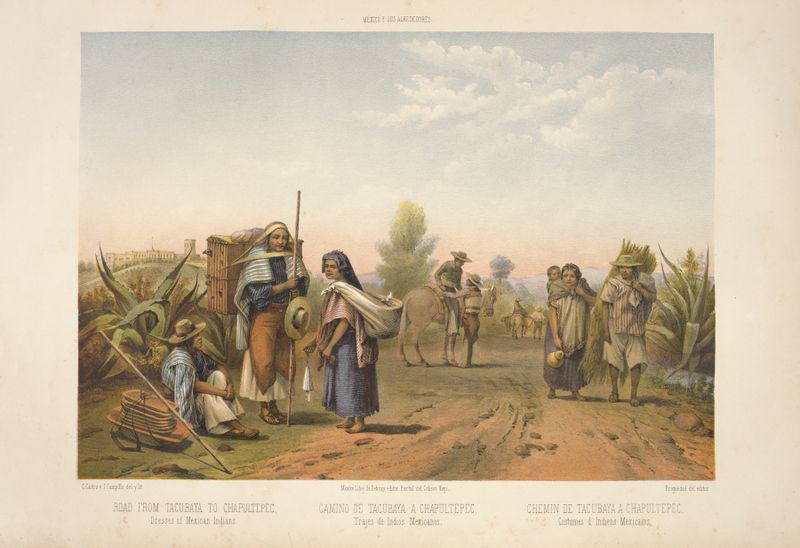
Road from Tacubaya to Chapultepec, dresses of Mexican Indians.
C. Castro
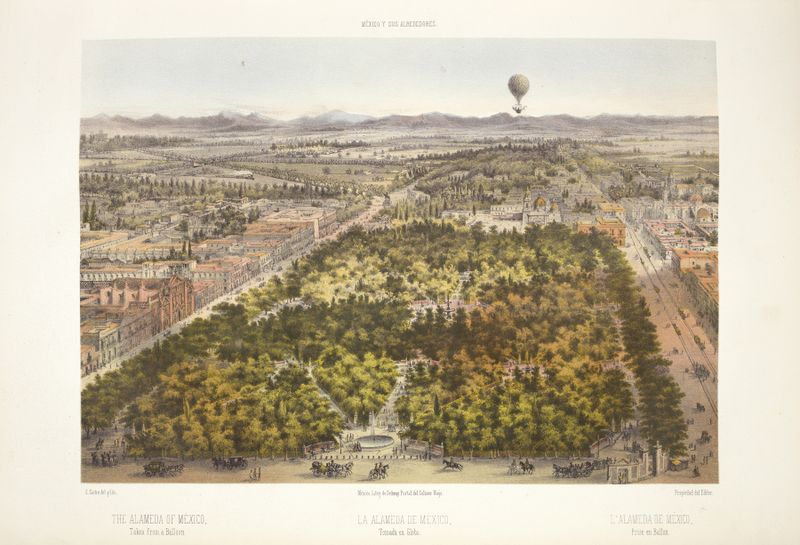
The Alameda of Mexico, taken from a balloon.
C. Castro
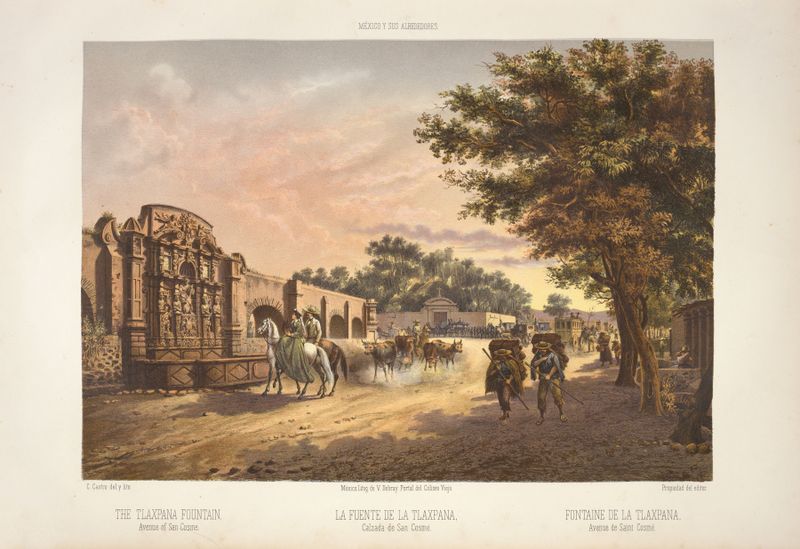
The Tlaxpana fountain, Avenue of San Cosme.
C. Castro
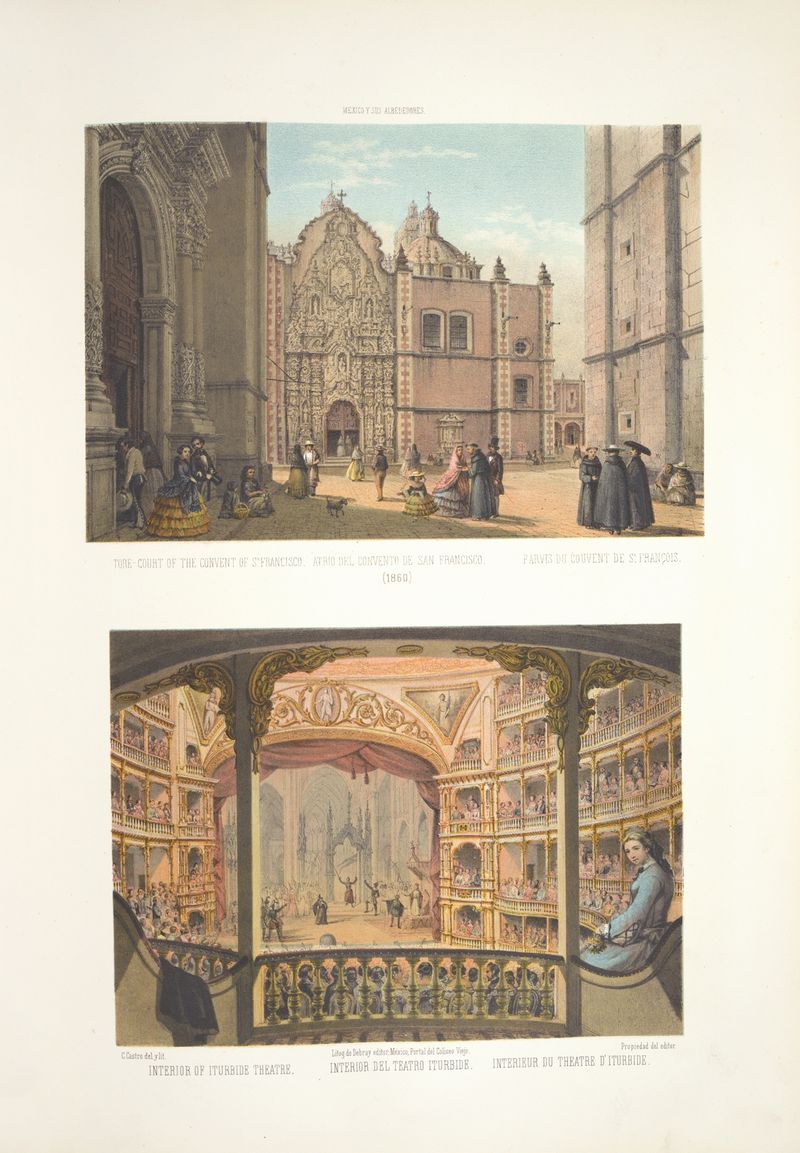
Tore-court of the convent of St. Francisco ; Interior del Teatro Iturbide
C. Castro
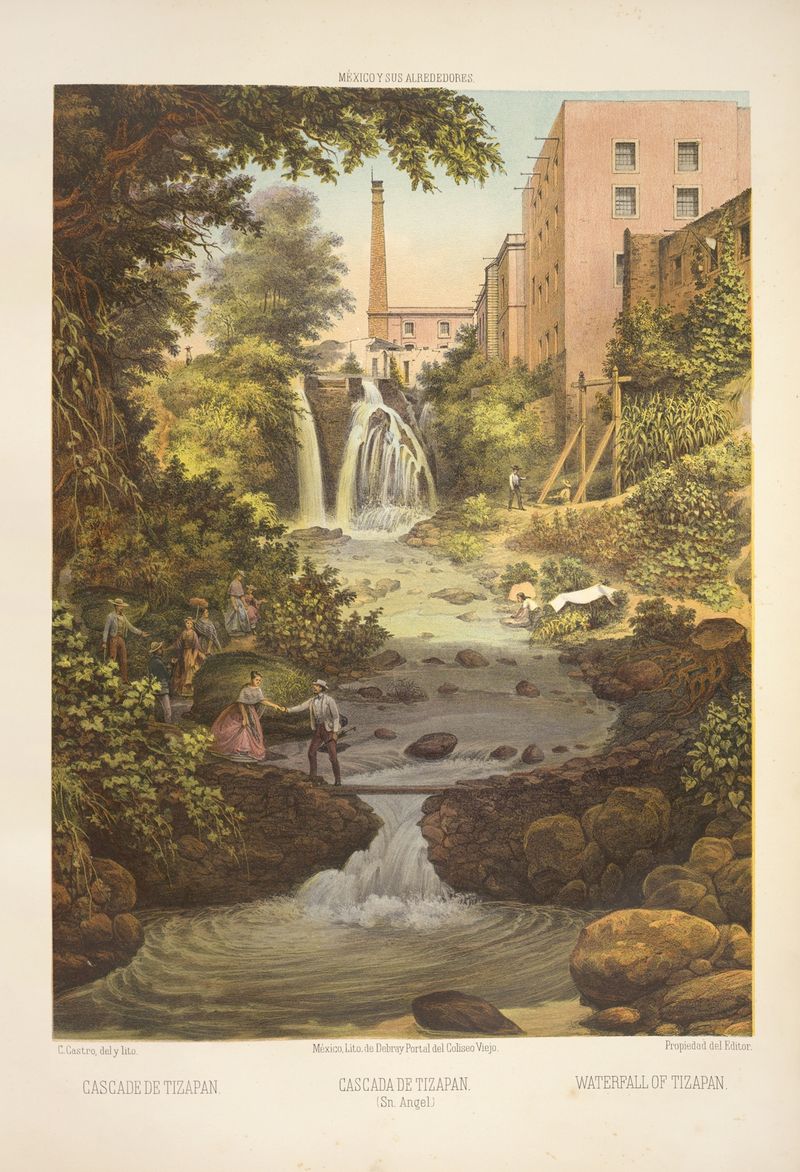
Waterfall of Tizapan
C. Castro
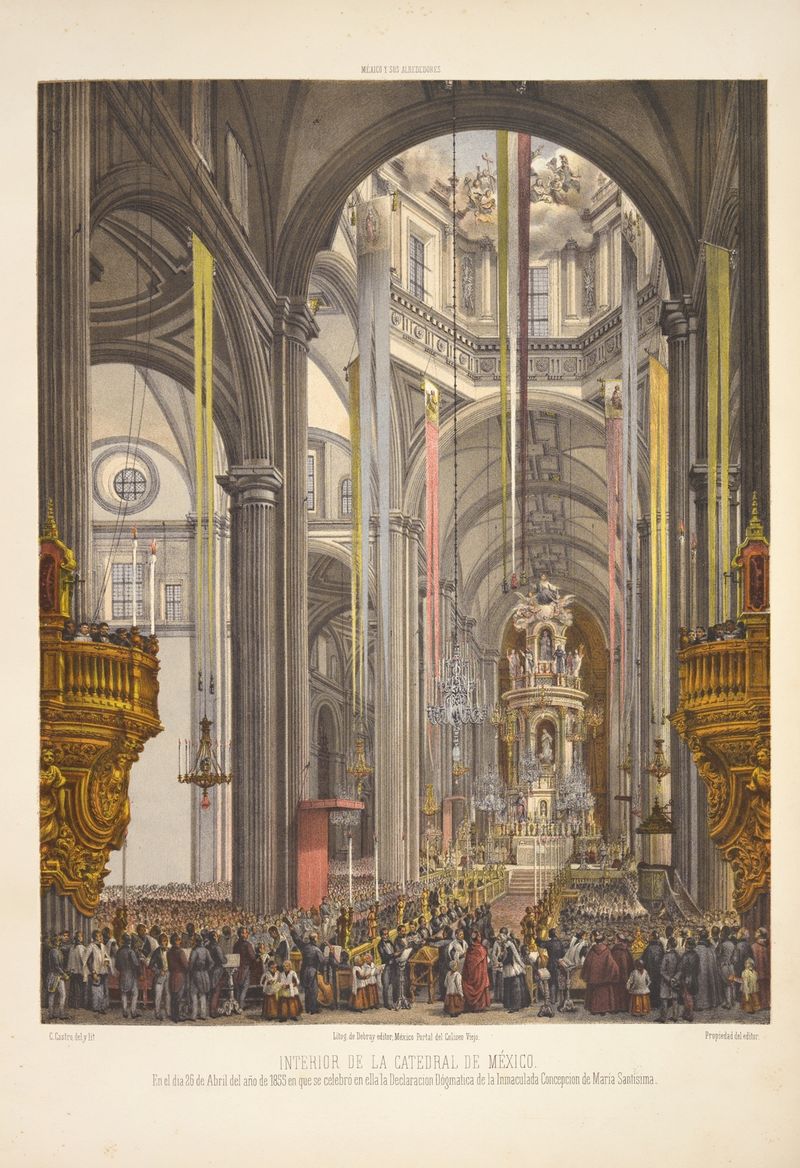
Interior de la Catedral de México. En el dia 26 de Abril del año de 1855 en que se celebró en ella la Declaracion Dógmatica de la Inmaculada Concepcion de María Santisima.
C. Castro
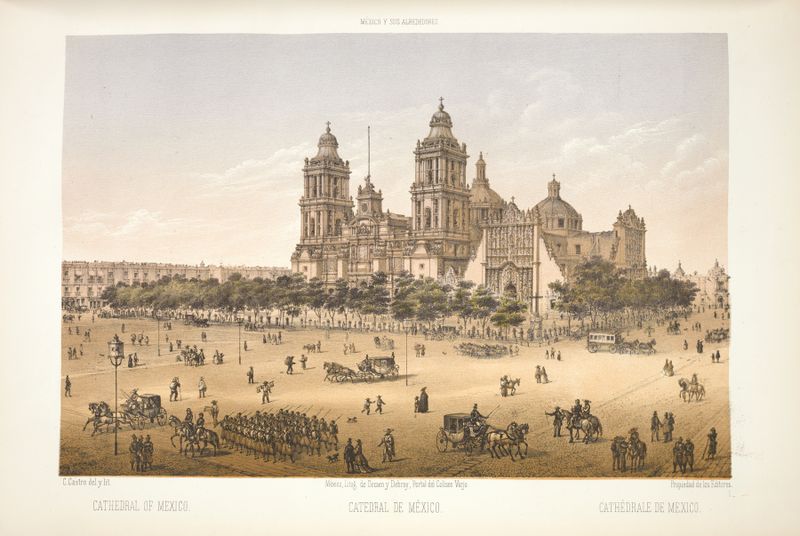
Cathedral of Mexico.
C. Castro
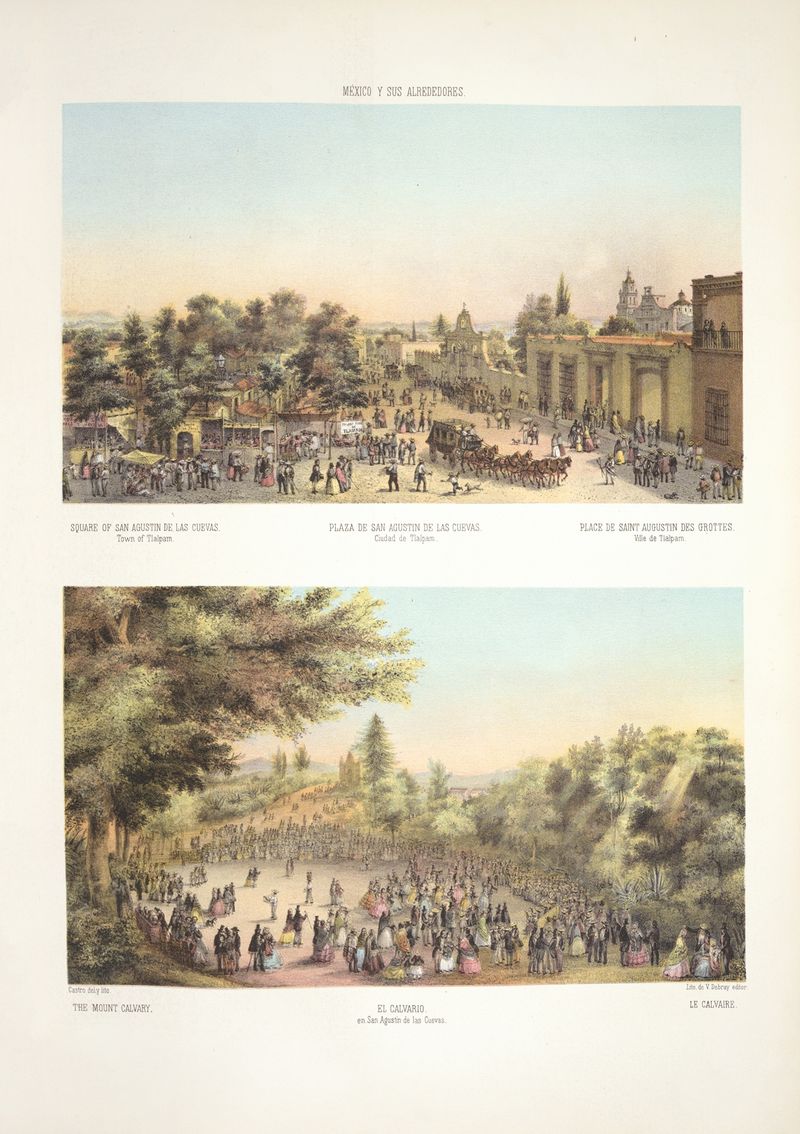
Square of San Agustin de las Cuevas, town of Tlalpam ; The Mount Calvary.
C. Castro





