
The Truncated Windmill — History & Facts
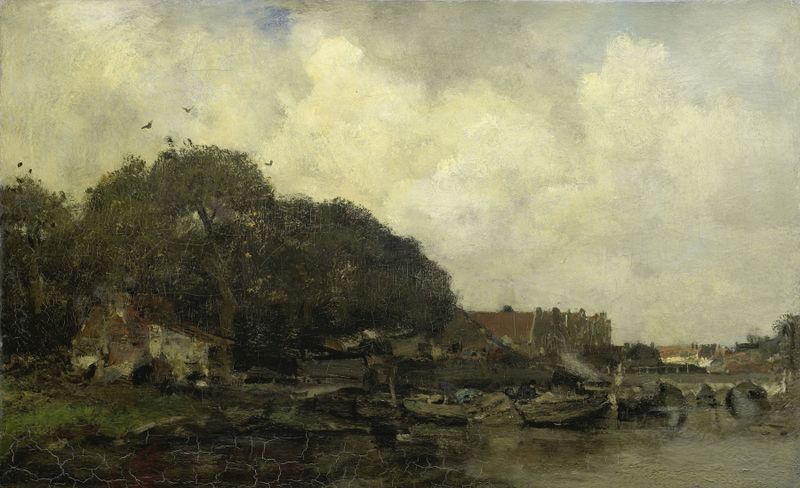
Can paint confess what words never could? In The Truncated Windmill, the canvas speaks quietly of balance, nature, and the whispers of time suspended in an unyielding frame. Look to the left at the aged windmill, its blades suggesting movement yet forever frozen in stillness. The muted palette of grays and earth tones envelops the scene, while delicate brushstrokes capture a soft interplay of light and shadow. Notice how the sun filters through the clouds, casting a gentle glow that brings warmth to the rustic structures, inviting the eye to explore the serene landscape beyond. In this composition, the windmill symbolizes the interplay between human endeavor and the inevitability of decay.
The truncated design hints at aspirations unfulfilled, while the lush grass surrounding it cradles the relic in a nurturing embrace. This contrast of industriousness and nature’s reclamation creates a tension that pulses beneath the surface, urging viewers to contemplate the balance between progress and preservation. Jacob Maris painted The Truncated Windmill in 1872 while living in the Netherlands, a time when the Dutch landscape tradition was evolving. As he navigated his artistic journey, Maris sought to capture the nuances of light and atmosphere, reflecting the Romantic sensibilities of the era.
His work emerged amidst a growing interest in plein air painting, which sought to depict scenes directly from nature, celebrating the beauty and transience of rural life.
More Artworks by Jacob Maris
Browse all →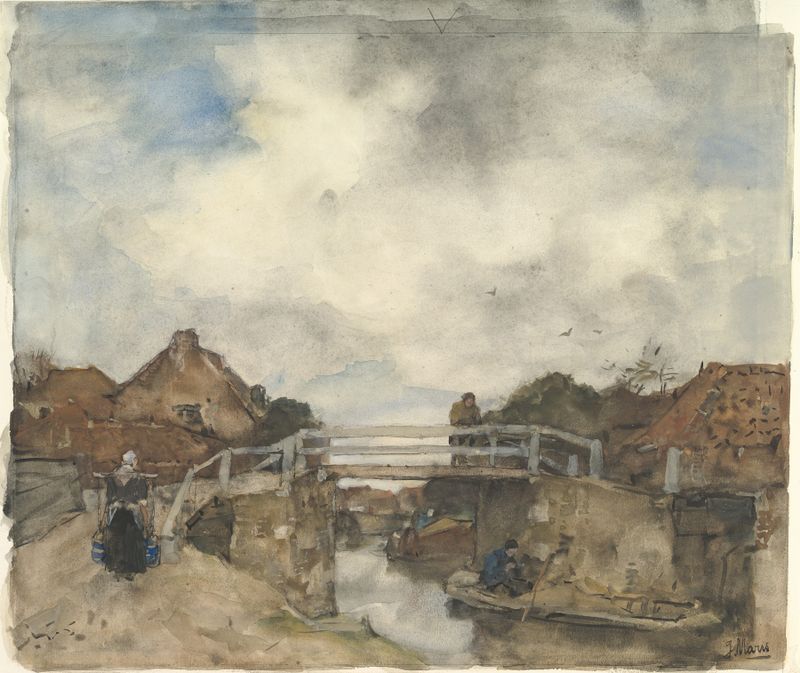
Dutch Canal, Rijswijk
Jacob Maris
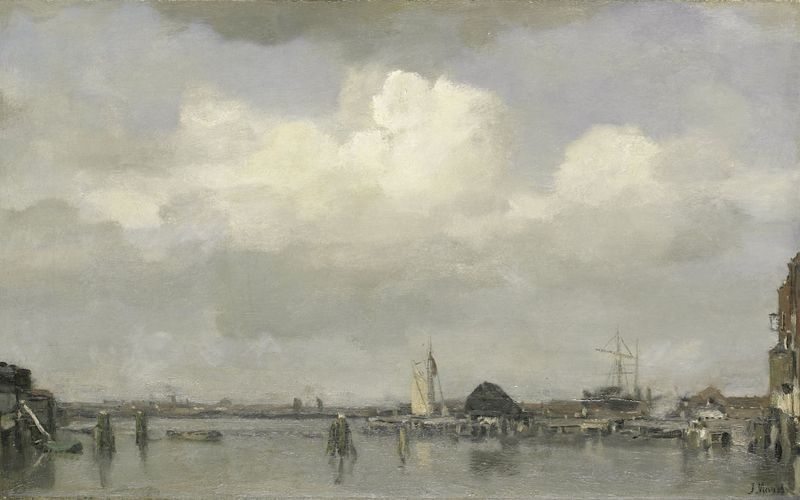
Havengezicht
Jacob Maris
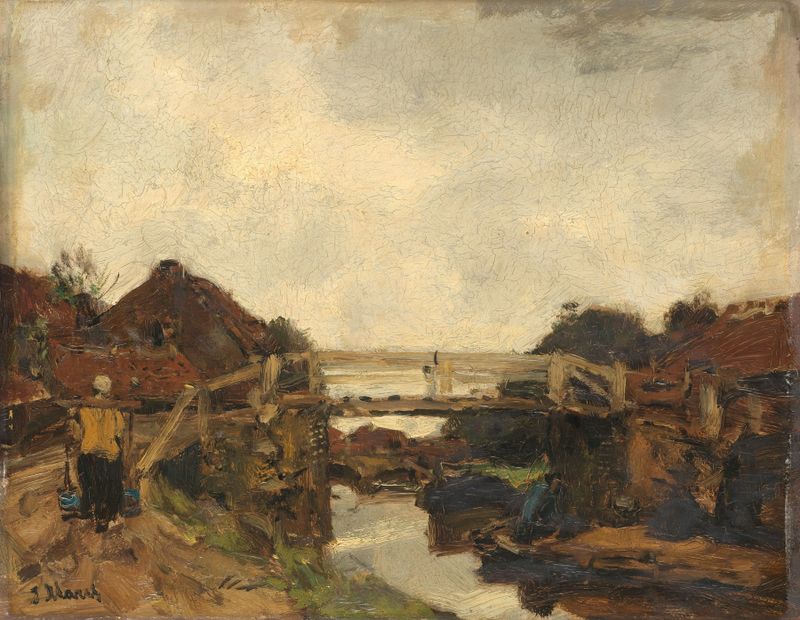
Wooden Bridge across a Canal at Rijswijk
Jacob Maris
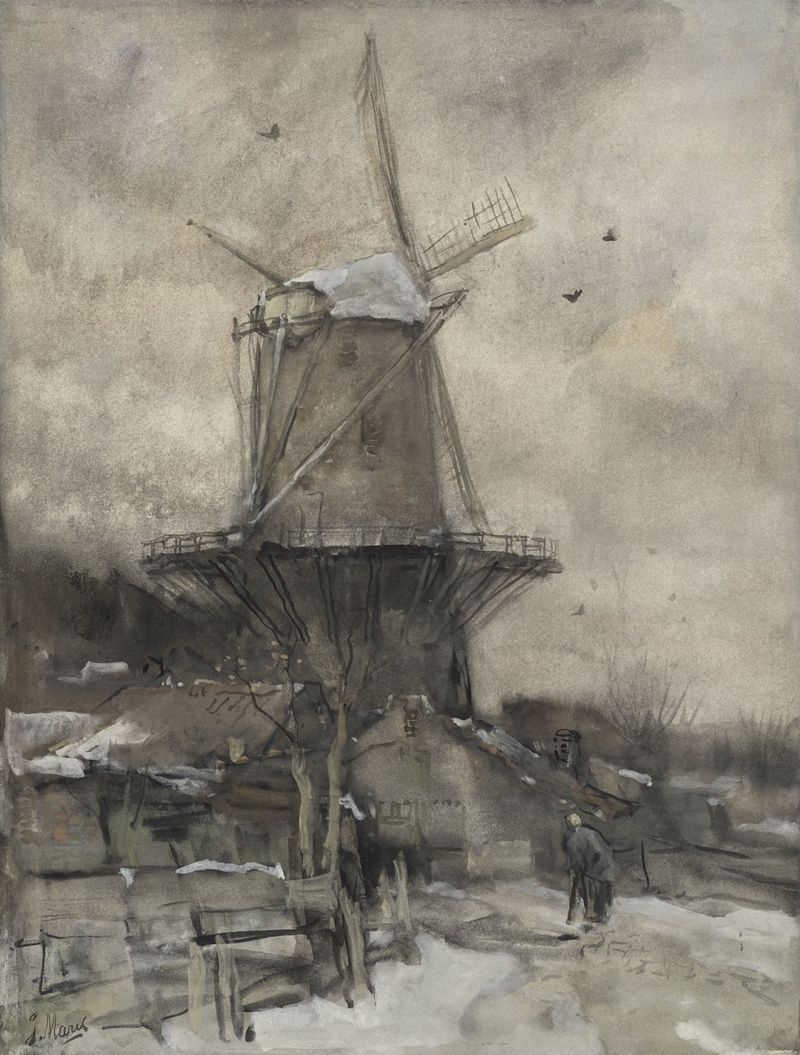
Een molen in de winter
Jacob Maris
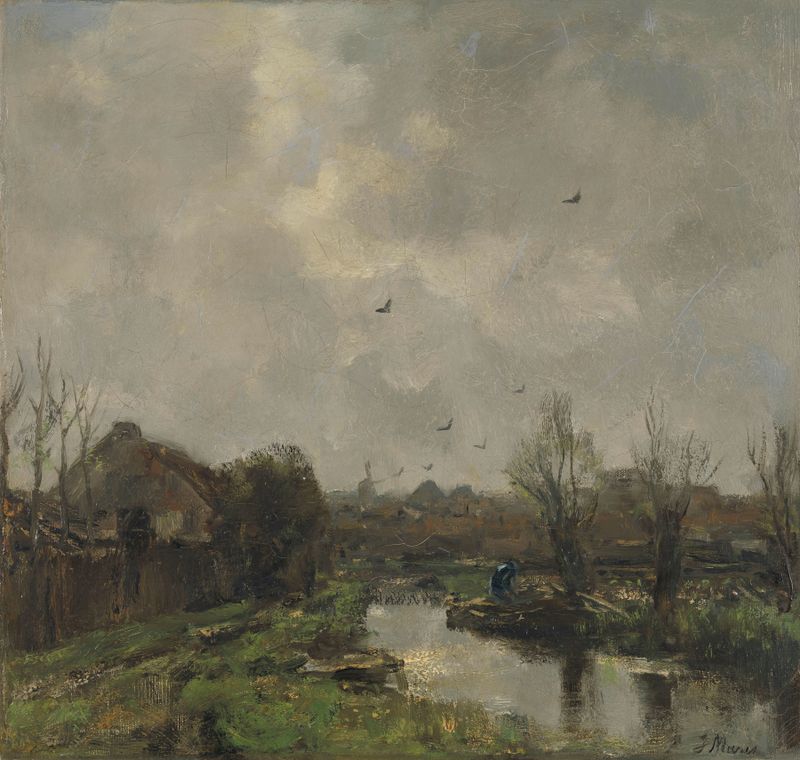
Landschap in de omgeving van Den Haag
Jacob Maris
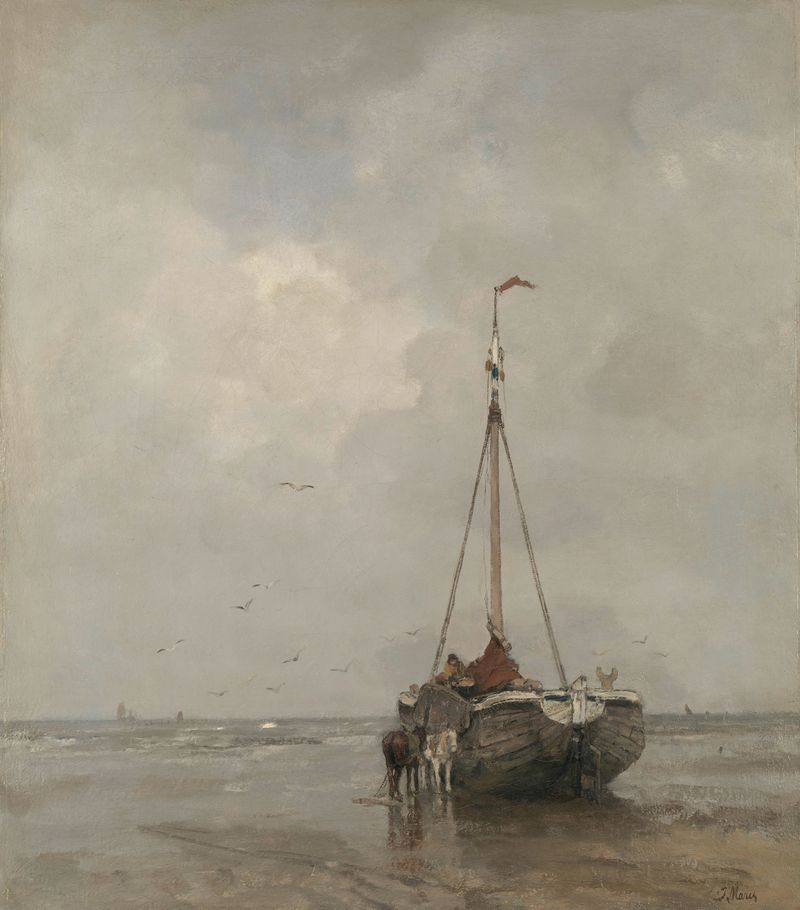
Bluff-bowed Fishing Boat on the Beach at Scheveningen
Jacob Maris
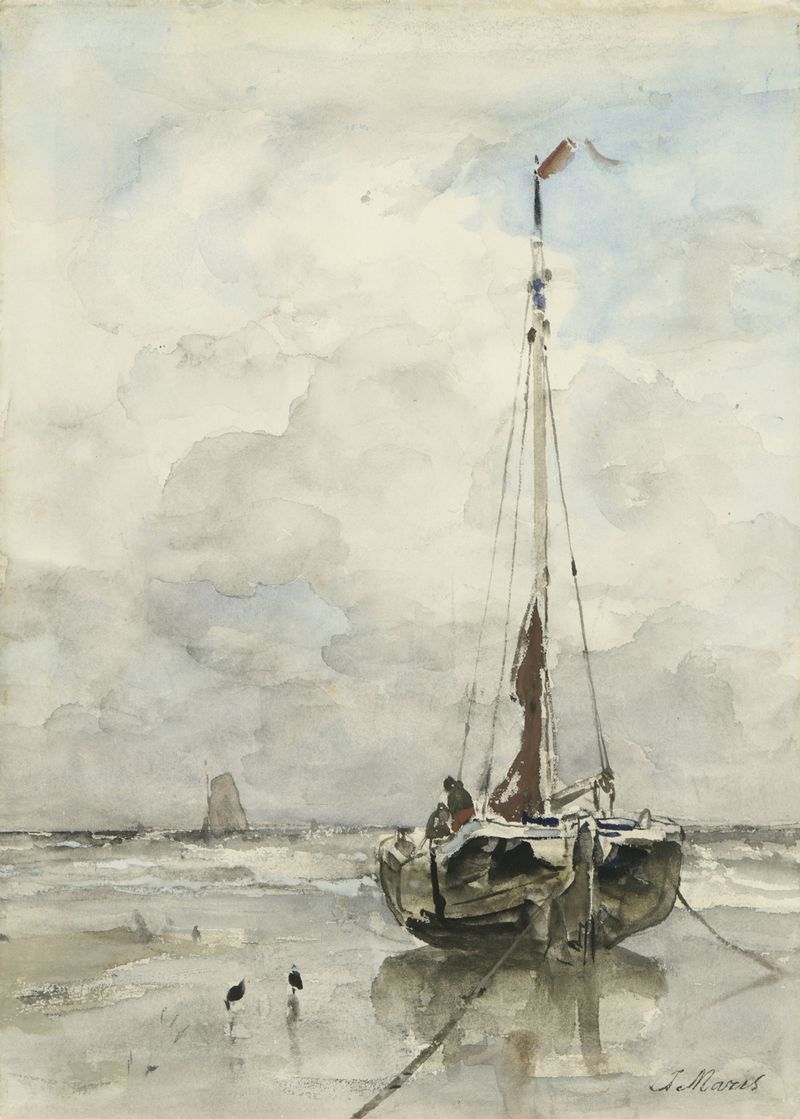
Visserspink aan het strand
Jacob Maris
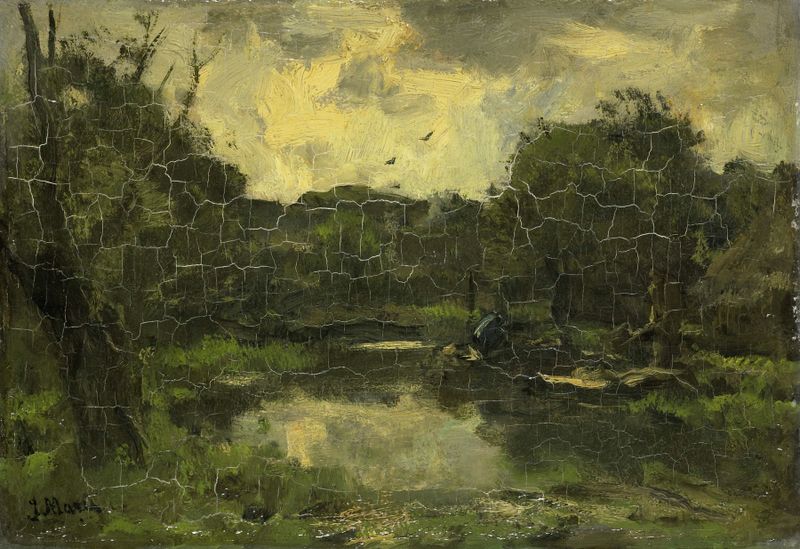
Landschap met schuit
Jacob Maris
Havengezicht
Jacob Maris
Schepen in de haven van Dordrecht
Jacob Maris





