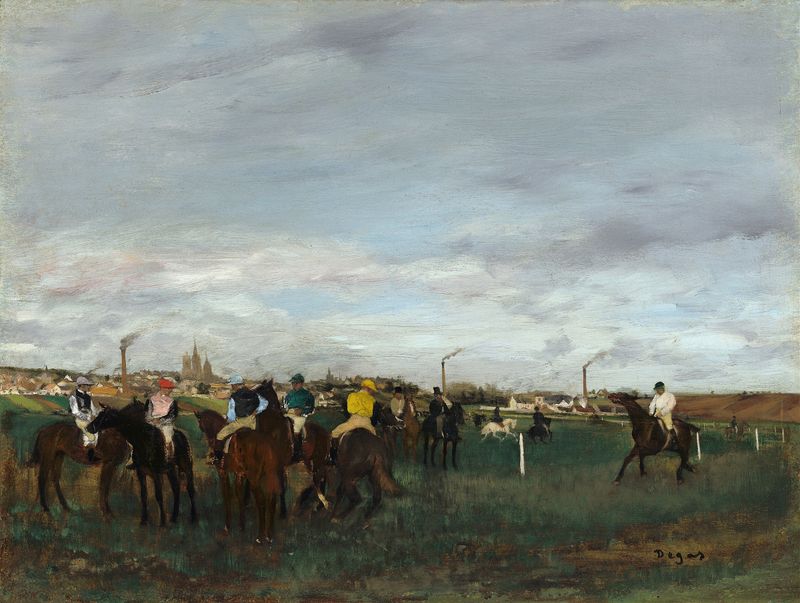
The Two Asses — History & Facts
Can beauty exist without sorrow? In The Two Asses, Haden captures a moment where light and shadow entwine, highlighting the delicate balance of joy and melancholy in everyday life. Look closely at the foreground, where the two donkeys stand side by side, their soft fur illuminated by the gentle glow of afternoon light. Notice how the artist skillfully contrasts the deep shadows of the surrounding landscape with the warmth that caresses their forms, drawing the eye to their expressive faces. The textured strokes evoke a sense of roughness in the animals, yet their stillness imbues a sense of tranquility, inviting the viewer to pause and reflect. The juxtaposition of the donkeys against the expansive, muted backdrop serves as a meditation on simplicity and companionship.
Each animal, while seemingly content, carries an undercurrent of vulnerability, suggesting a deeper narrative about the burdens they carry. The way light dances across their bodies speaks to the transient nature of existence, reinforcing the idea that beauty is often accompanied by an unspoken ache. In 1863, Haden painted this work during a period marked by his exploration of etching as a medium. He was deeply engaged in the art community of London, influenced by the evolving techniques of his contemporaries.
This piece reflects both his personal style and the broader art movement, as artists began to find inspiration in the ordinary, revealing layers of emotion beneath the surface.
More Artworks by Francis Seymour Haden
Browse all →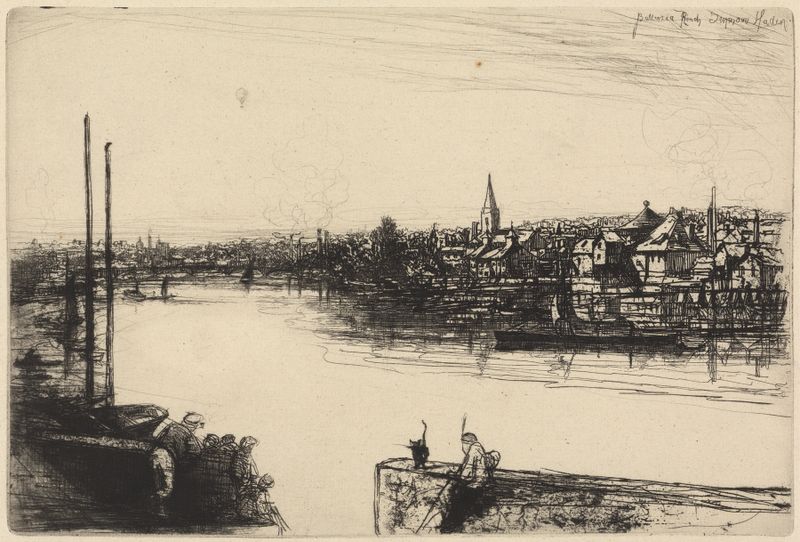
Battersea Reach
Francis Seymour Haden

Nine Barrow Down
Francis Seymour Haden
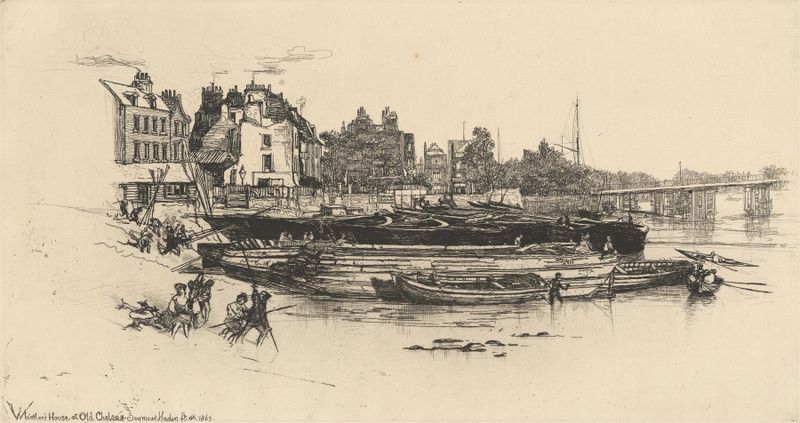
Whistler’s House at Old Chelsea
Francis Seymour Haden

The Mill-Wheel
Francis Seymour Haden
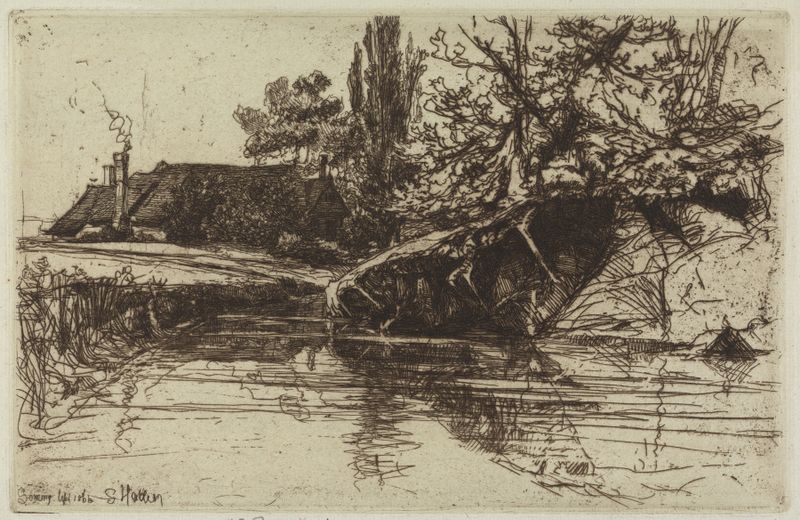
The Moat House
Francis Seymour Haden

By Twickenham
Francis Seymour Haden

Newcastle Emlyn
Francis Seymour Haden
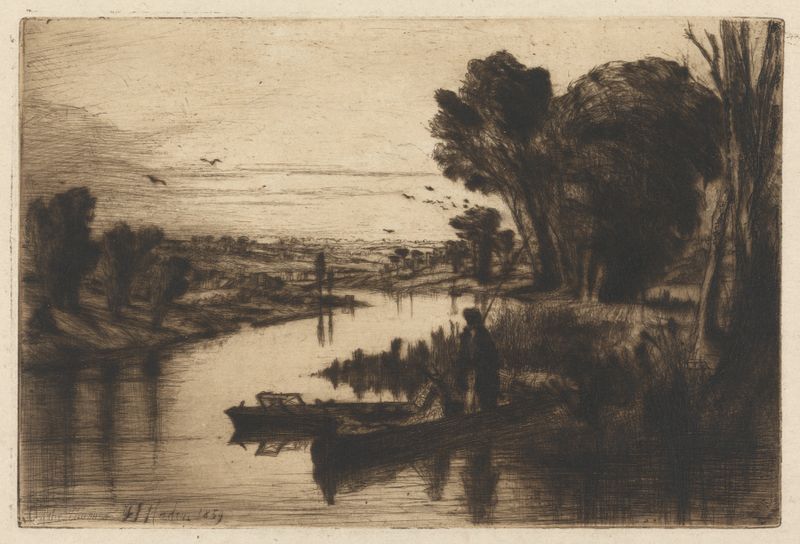
On the Thames
Francis Seymour Haden

Kidwelly Castle
Francis Seymour Haden
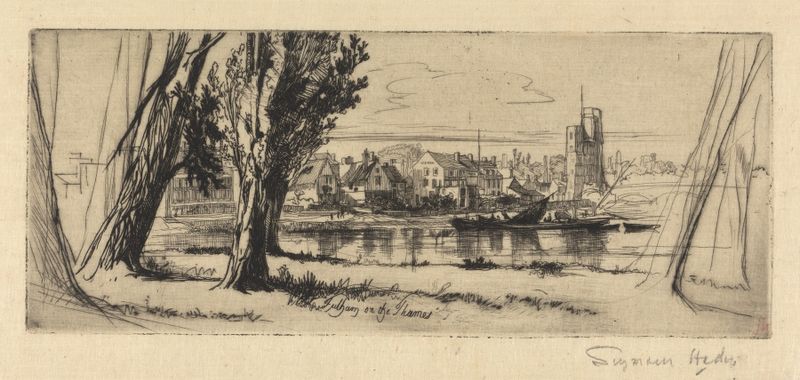
Fulham on the Thames
Francis Seymour Haden