
The Two Bridges — History & Facts
Can paint confess what words never could? The silent conversation between nature and architecture unfolds on the canvas, revealing a world caught in the delicate balance of human ambition and the sublime beauty of the natural landscape. Look to the center of the work, where the two bridges gracefully arch over a serene river. The gentle ripples in the water mirror the pastel hues of the sky, while soft strokes of greens and browns evoke the lush surroundings. Notice how the light filters through the trees, casting dappled shadows that lead your eye toward the distant horizon, where the bridges invite exploration.
The painter's mastery lies in the juxtaposition of structured forms and the organic fluidity of the landscape, creating an enchanting dialogue between man-made and natural beauty. Delve deeper and observe the subtle tension between tranquility and activity. On one bridge, a solitary figure stands, gazing contemplatively into the distance, while on the other, a group converses animatedly, embodying the diverse ways humanity interacts with the world. The muted color palette enhances this contrast, as the warm tones of the bridges contrast with the cool blues and greens of the environment, symbolizing the coexistence of civilization and nature.
It becomes a canvas of contemplation, challenging the viewer to reflect on their own relationship with the landscapes they inhabit. Antonie Waterloo created this masterpiece during the latter part of the 17th century, a period marked by a deep appreciation for the landscape genre in Dutch art. Living in a time of burgeoning scientific exploration and cultural shifts, his work reflects the era's fascination with nature's majesty as well as the engineered beauty of human constructions. The piece encapsulates a moment where appreciation for the aesthetic of the world harmonized with the burgeoning identity of a civilization in flux.
More Artworks by Antonie Waterloo
Browse all →
Gezicht op het dorp Soest
Antonie Waterloo

Hagar comforted by the Angel
Antonie Waterloo

Waldbach, der über Felsen stürzt, über die eine Holzbrücke führt
Antonie Waterloo
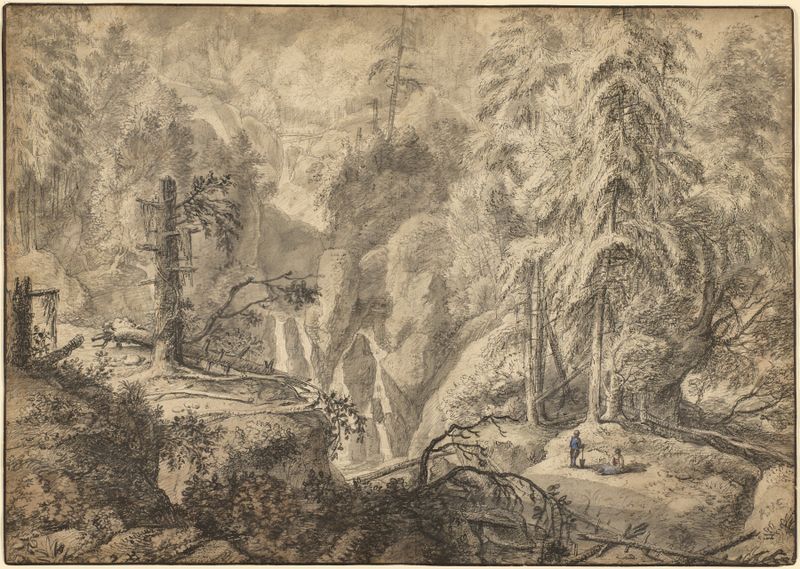
Mountain Landscape, Peasants in a Clearing near a Waterfall
Antonie Waterloo
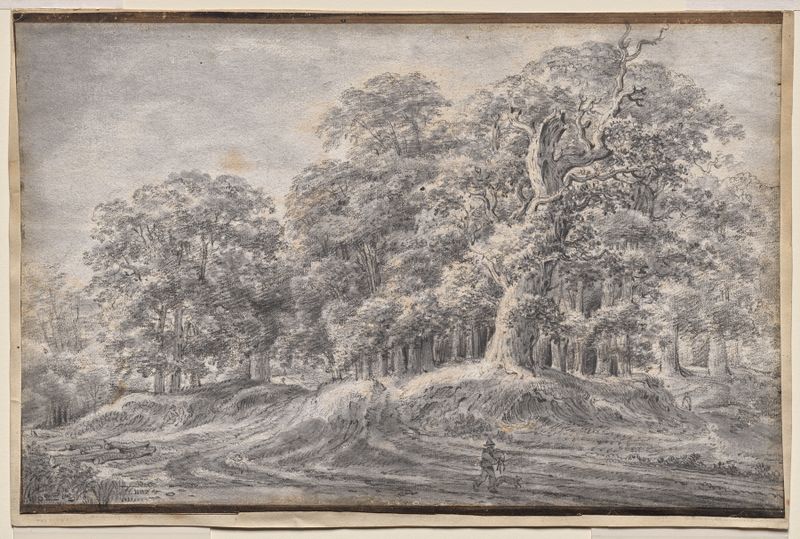
A Track on the Edge of a Wood with a Peasant Carrying Sheep
Antonie Waterloo
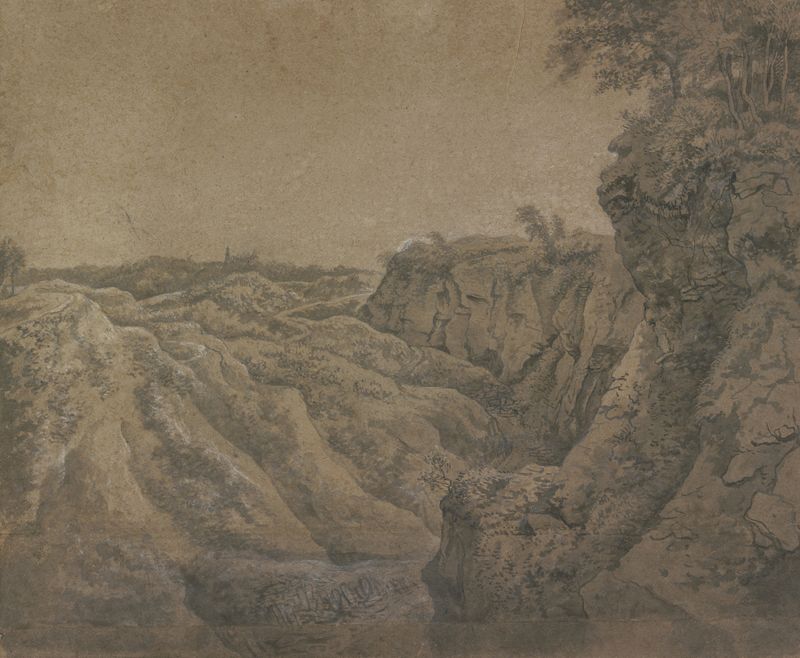
Landscape with a View of Bentheim Castle in the far Distance
Antonie Waterloo
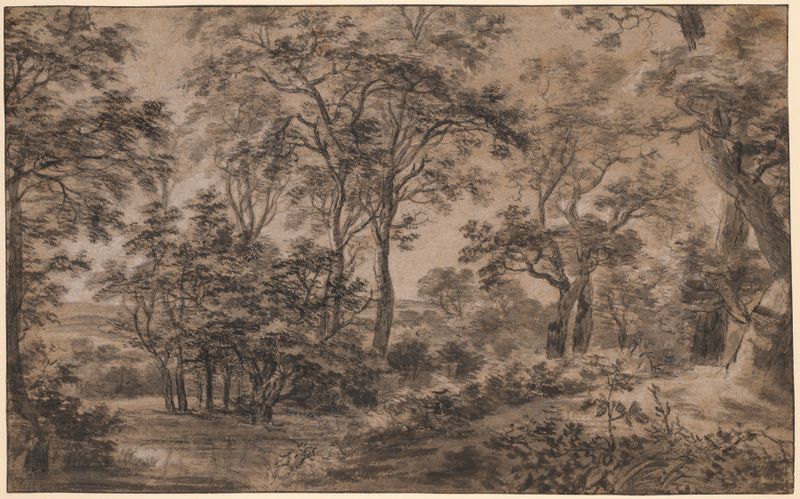
Wooded Landscape
Antonie Waterloo
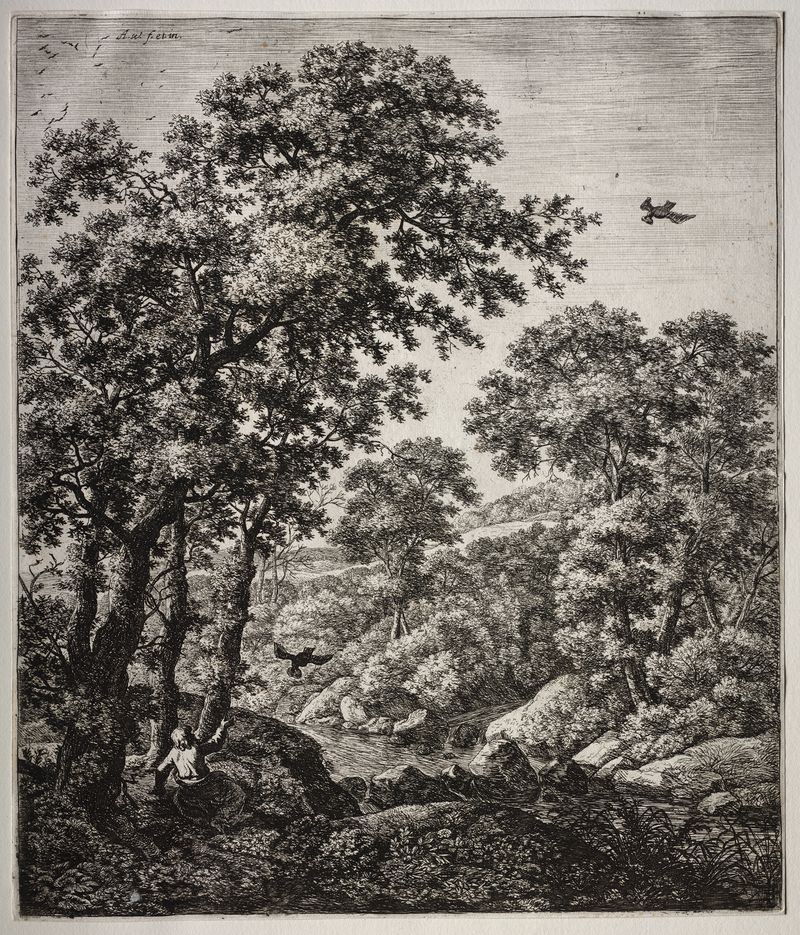
Elijah Fed by the Ravens
Antonie Waterloo
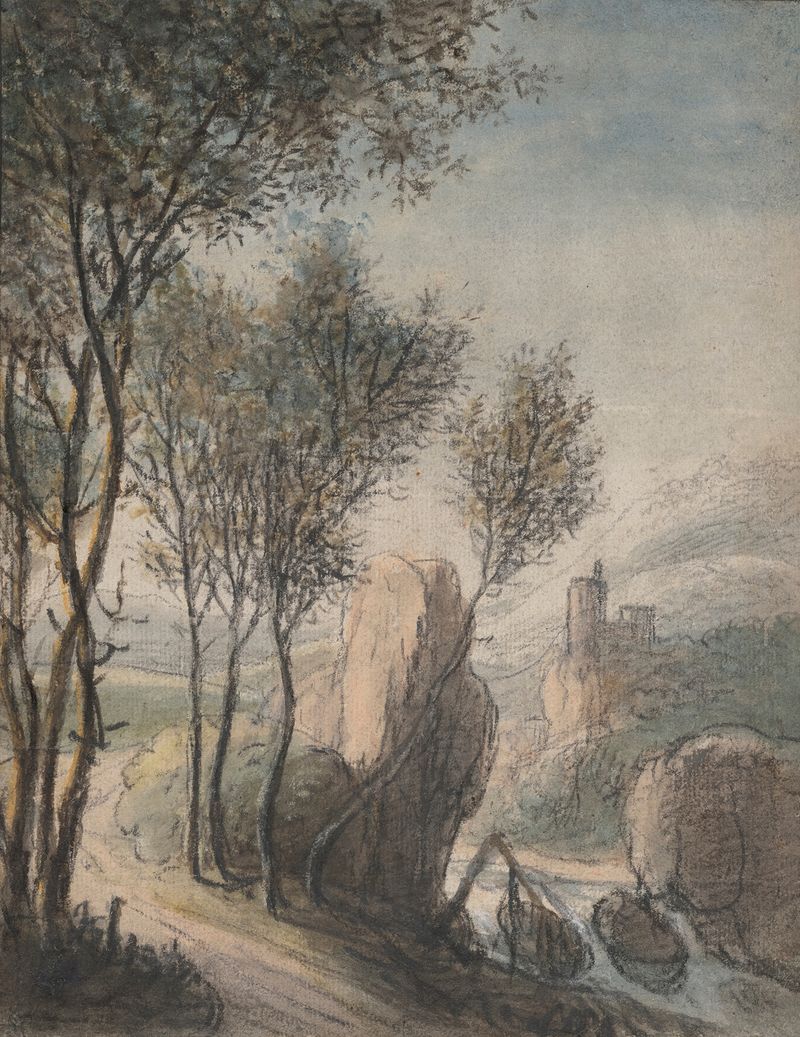
River Landscape with a Castle in the Distance
Antonie Waterloo

Trees and cottages in hilly landscape
Antonie Waterloo





