
The Two Ships — History & Facts
Could beauty survive in a century of chaos? In the delicate balance of Whistler's The Two Ships, faith in artistry stands resilient against the tumult of its time. Look to the left where the silhouettes of two vessels emerge from the mist, their shapes sharpened against the soft, muted hues of twilight. The artist employs a limited palette—grays and blues intertwine like whispers, drawing the viewer's gaze through the gentle ripples of the water. Notice how the horizon is barely discernible, creating a sense of ambiguity that mirrors the uncertainty of an age marked by industrial upheaval. In this tableau, a tranquil stillness contrasts with the tumultuous world surrounding it.
The ships, though distinct, are united in their isolation, symbolizing the fragility of existence amidst change. The fog enveloping them is an embodiment of both mystery and hope, suggesting that beauty can thrive in uncertainty. This nuanced interplay of light and shadow reflects the emotional tension, inviting viewers to contemplate the resilience of the human spirit when faced with adversity. In 1875, Whistler painted this scene while living in London, a time when the art world was shifting under the weight of modernity.
He was navigating the complexities of his career, striving to establish his own aesthetic vision amidst the growing influence of Impressionism. This work encapsulates his belief in the power of harmony and beauty, even as society grappled with rapid change.
More Artworks by James Abbott McNeill Whistler
Browse all →
Nocturne in Blue and Silver
James Abbott McNeill Whistler
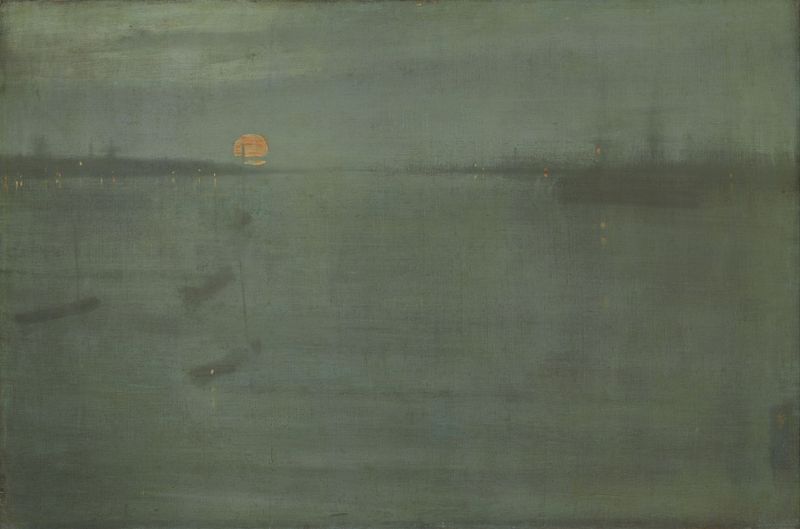
Nocturne: Blue and Gold–Southampton Water
James Abbott McNeill Whistler
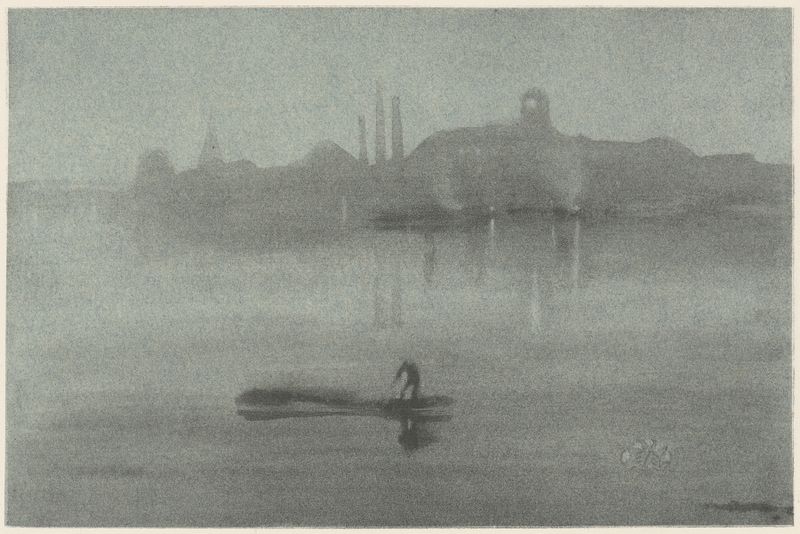
Nocturne
James Abbott McNeill Whistler
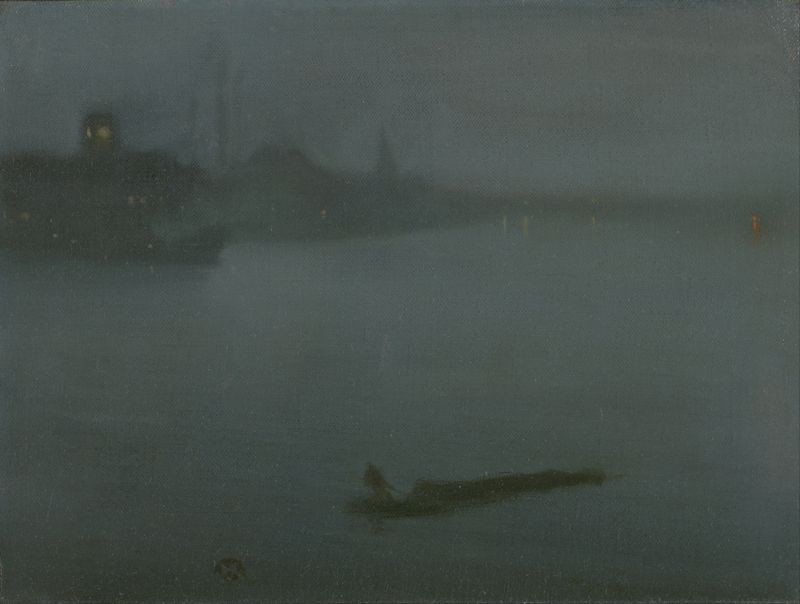
Nocturne in Blue and Silver
James Abbott McNeill Whistler
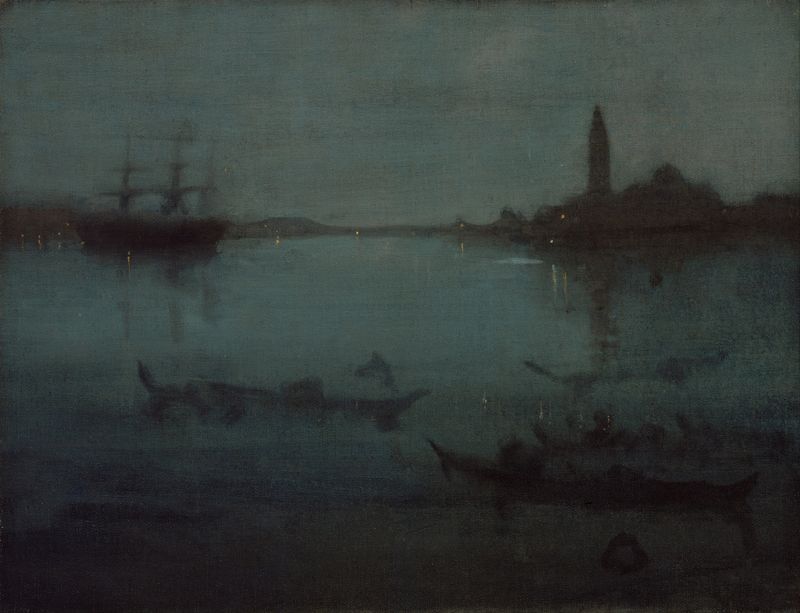
Nocturne in Blue and Silver- The Lagoon, Venice
James Abbott McNeill Whistler
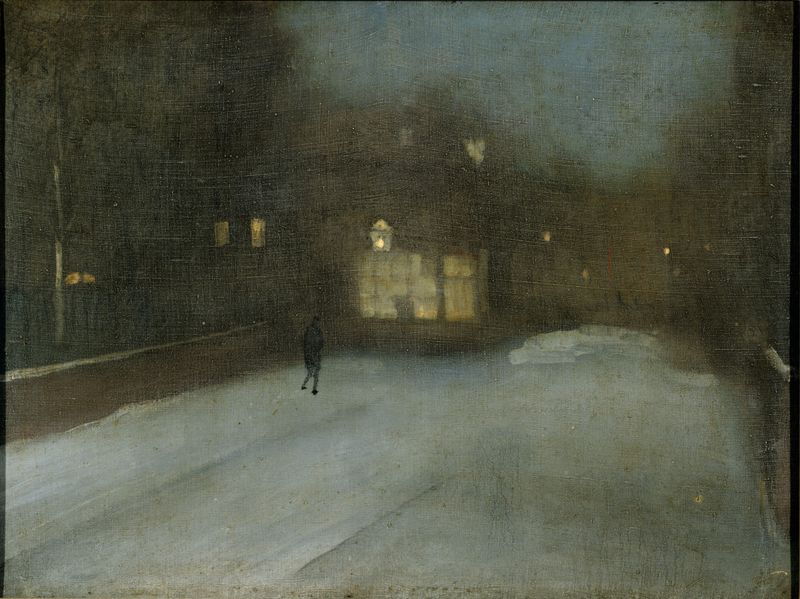
Nocturne in Grey and Gold: Chelsea Snow
James Abbott McNeill Whistler
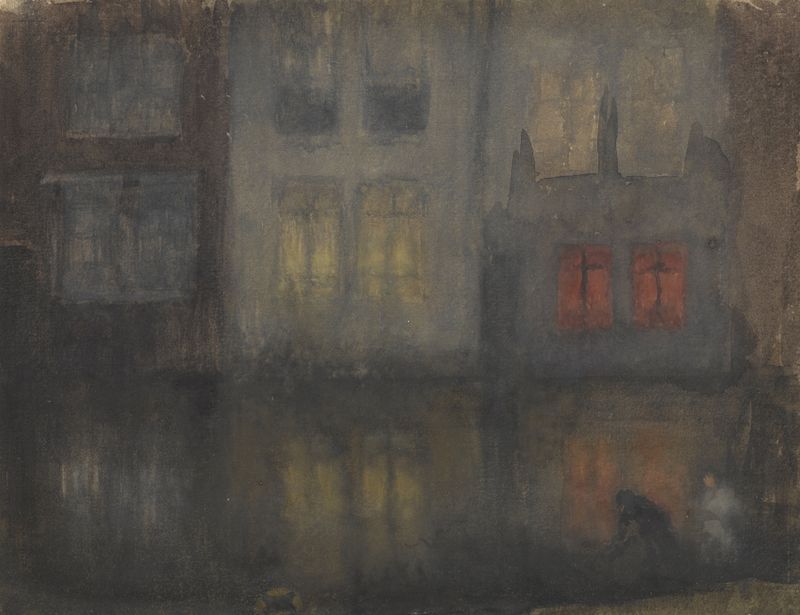
Nocturne: Black and Red—Back Canal, Holland
James Abbott McNeill Whistler
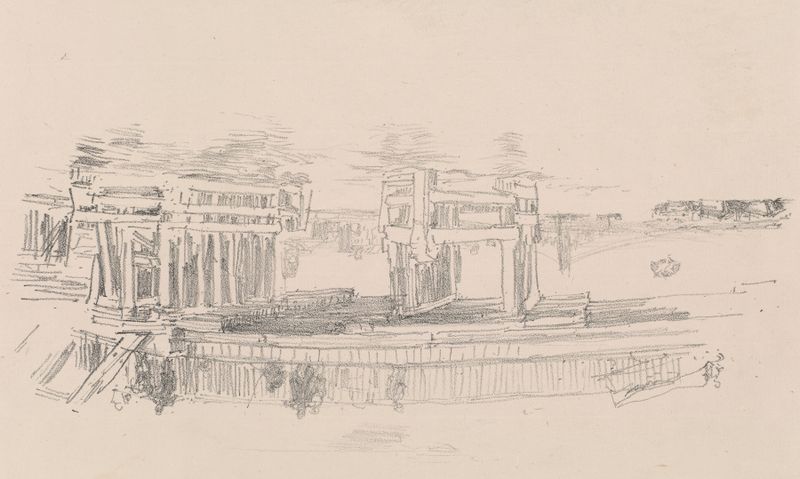
Old Battersea Bridge
James Abbott McNeill Whistler

Nocturne: Blue and Silver–Battersea Reach
James Abbott McNeill Whistler
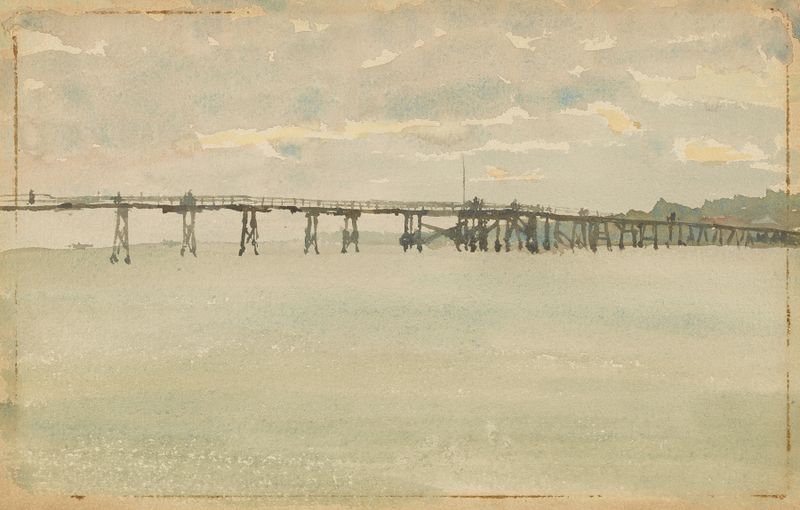
Grey and Silver–Pier, Southend
James Abbott McNeill Whistler




