
The Unfaithful Prophet of Judah — History & Facts
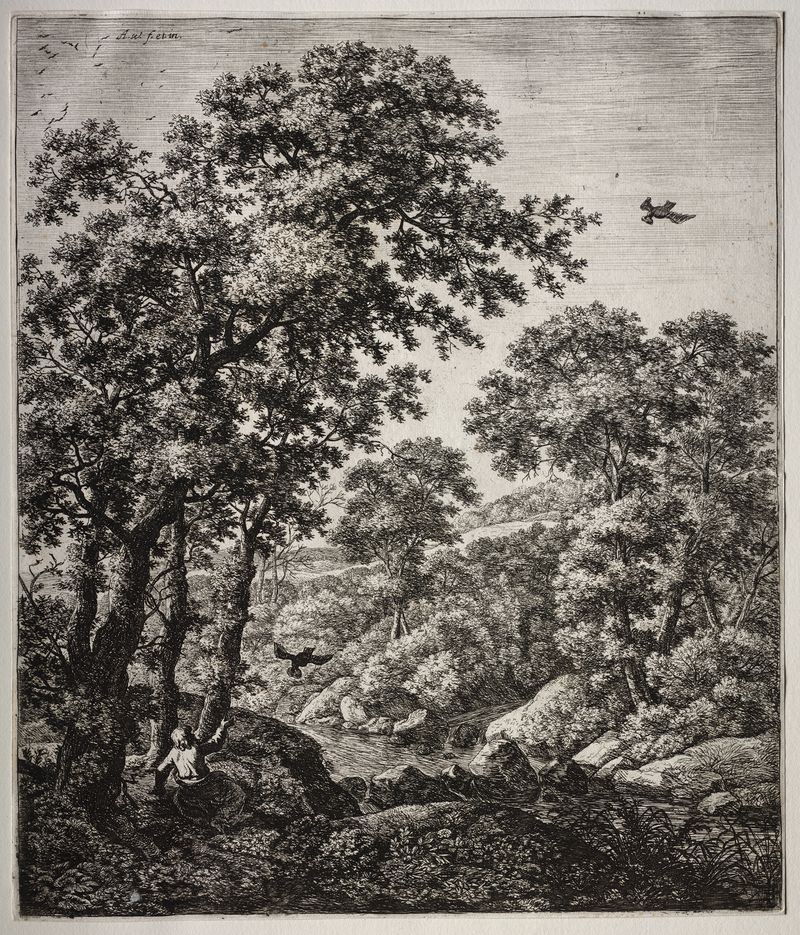
Where does light end, and longing begin? In The Unfaithful Prophet of Judah, an ethereal landscape unfolds, capturing a moment where the spiritual and the earthly collide, leaving viewers awestruck. Look to the left, where the soft, golden hues of the sunset bath the tranquil scene in a warm embrace. The prophet stands at the forefront, his figure draped in richly colored robes, a vibrant contrast against the muted earth tones of the background. Notice how the delicate brushstrokes create a sense of movement in the clouds overhead, echoing the turmoil within the character's heart.
The artist’s mastery of chiaroscuro amplifies the tension, illuminating the prophet's conflicted expression as he wrestles with the weight of his message amidst nature's quiet splendor. This juxtaposition of light and shadow reveals deeper meanings about faith and doubt. The prophet, caught between divine inspiration and human frailty, embodies the struggle of all who seek truth. The landscape itself seems to mirror this internal conflict; the serene setting conceals an undercurrent of unease, as if the very air vibrates with the energy of unfulfilled prophecies.
Each detail, from the gnarled tree branches to the distant mountains, adds layers to the narrative, inviting contemplation of our own allegiances and failures. Antonie Waterloo painted this work during a period of dynamic artistic evolution in the late 17th century, a time where landscapes began to tell more profound stories beyond mere representation. Living in the Netherlands, Waterloo was influenced by the burgeoning Baroque movement, which celebrated dramatic scenes and emotional depth, allowing him to explore the complexities of human experience amid the natural world.
More Artworks by Antonie Waterloo
Browse all →
Gezicht op het dorp Soest
Antonie Waterloo

Hagar comforted by the Angel
Antonie Waterloo

Waldbach, der über Felsen stürzt, über die eine Holzbrücke führt
Antonie Waterloo
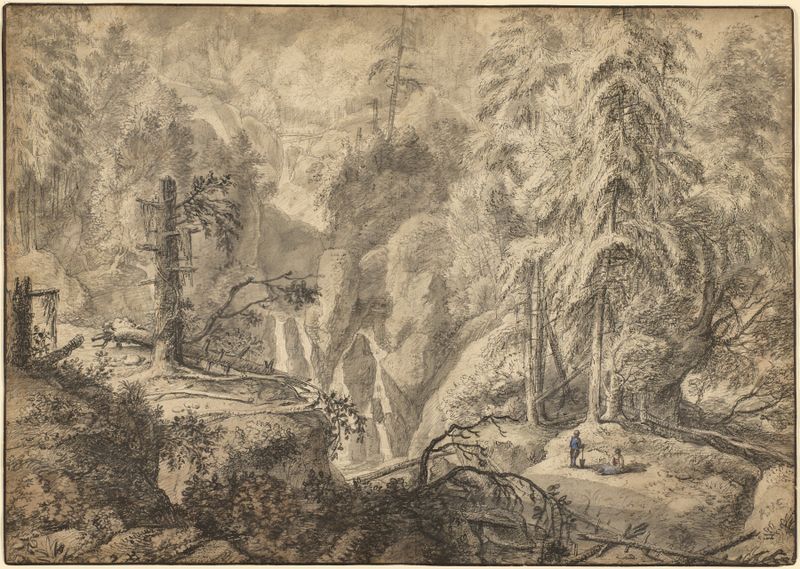
Mountain Landscape, Peasants in a Clearing near a Waterfall
Antonie Waterloo
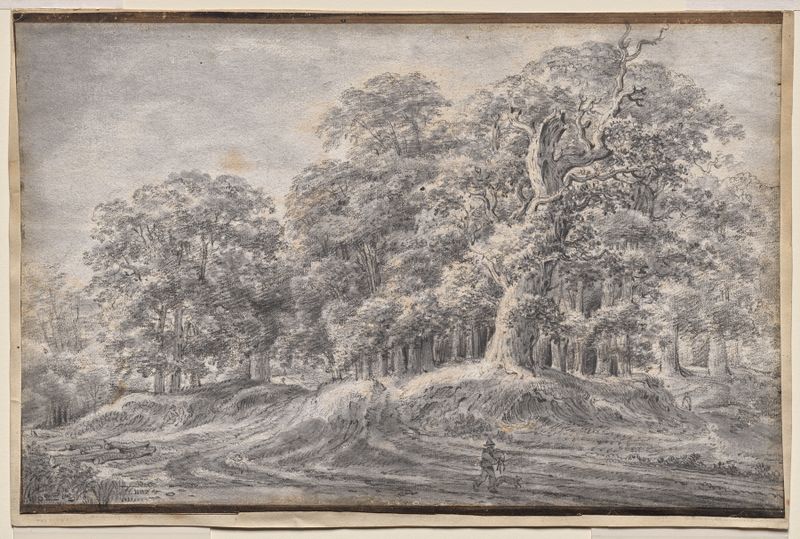
A Track on the Edge of a Wood with a Peasant Carrying Sheep
Antonie Waterloo
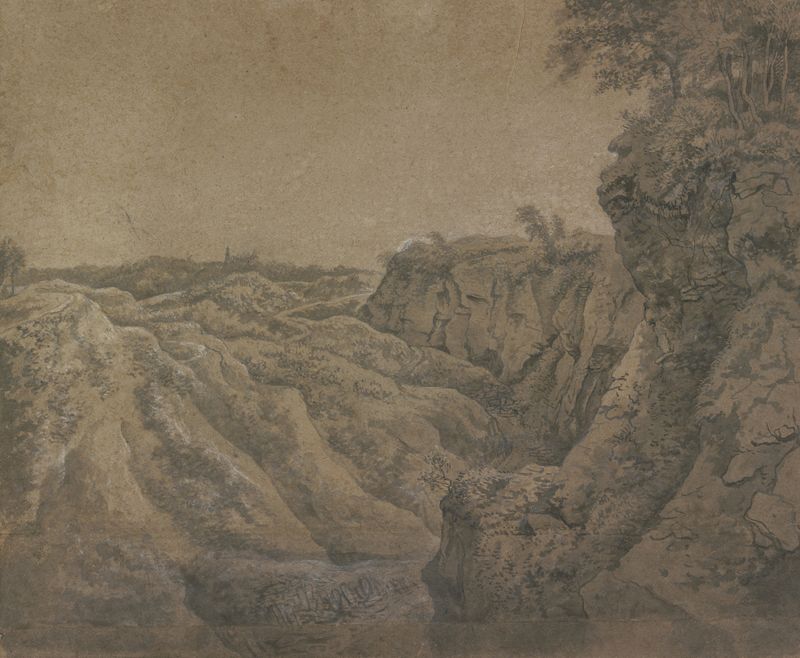
Landscape with a View of Bentheim Castle in the far Distance
Antonie Waterloo
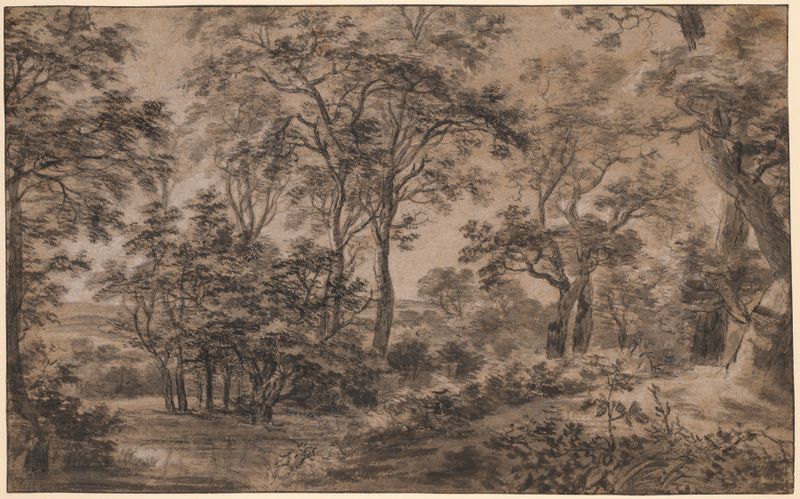
Wooded Landscape
Antonie Waterloo
Elijah Fed by the Ravens
Antonie Waterloo
River Landscape with a Castle in the Distance
Antonie Waterloo

Trees and cottages in hilly landscape
Antonie Waterloo





