
The Unsafe Tenement — History & Facts
Who listens when art speaks of silence? In The Unsafe Tenement, a haunting stillness envelops the scene, echoing the obsessions that linger within its walls. Look first to the somber hues of ochre and grey that dominate the canvas, drawing your gaze toward the dilapidated building at the center. The uneven lines of the tenement rise awkwardly, creating a sense of instability that mirrors the fragility of life within. Notice how Whistler's delicate brushwork captures the interplay of light and shadow, illuminating the windows that seem to watch like hollow eyes, witnessing the stories hidden from view. Delve deeper into the work's emotional layers, where the contrast between opulence and decay reflects the struggles of urban existence.
Each small detail, from the crumbling facade to the dimly lit interiors, whispers of lives consumed by the relentless grind of survival. The artist's choice to render this tenement not just as a structure but as a living entity hints at a broader societal neglect, revealing the obsession of an era fixated on progress while ignoring the human cost. In 1858, Whistler painted this piece during a time of great personal upheaval and artistic exploration in London. He sought to capture the essence of modern life, fresh from his studies in Paris, where the avant-garde was redefining art.
Amidst the backdrop of industrial expansion and societal change, he became increasingly aware of the dichotomy between beauty and despair, a theme that would resonate throughout his career.
More Artworks by James Abbott McNeill Whistler
Browse all →
Nocturne in Blue and Silver
James Abbott McNeill Whistler
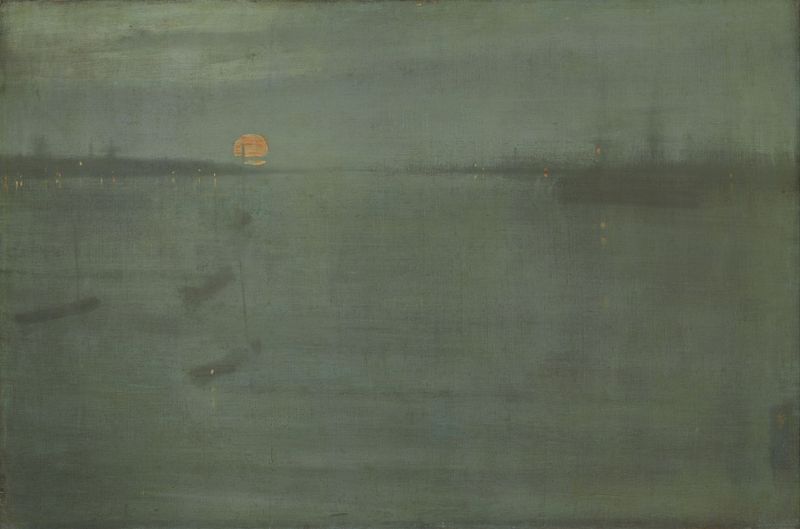
Nocturne: Blue and Gold–Southampton Water
James Abbott McNeill Whistler
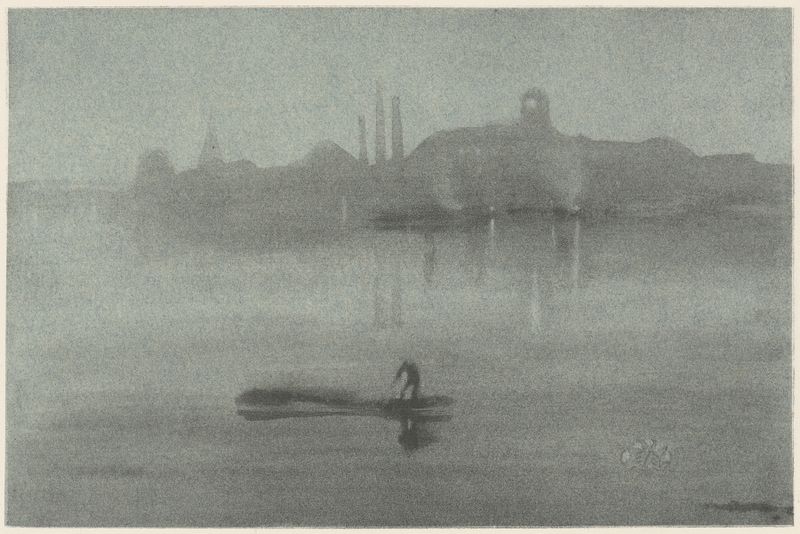
Nocturne
James Abbott McNeill Whistler
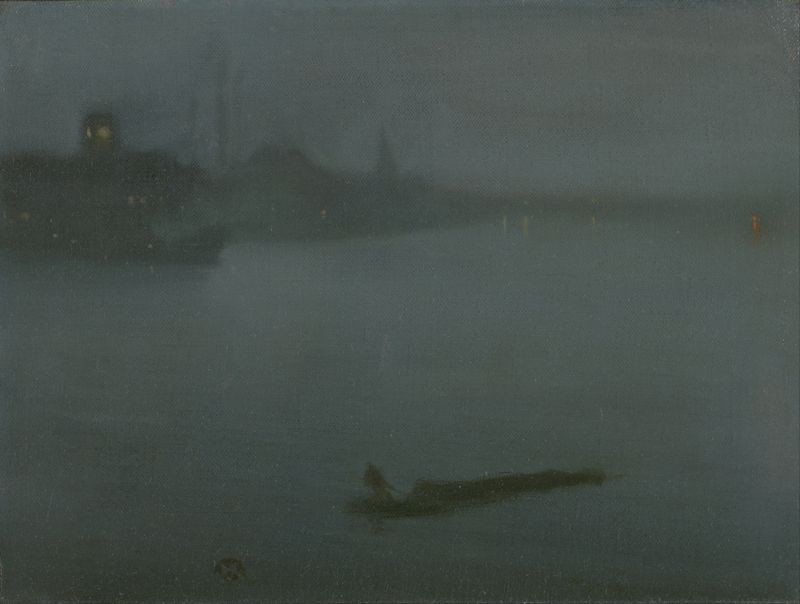
Nocturne in Blue and Silver
James Abbott McNeill Whistler
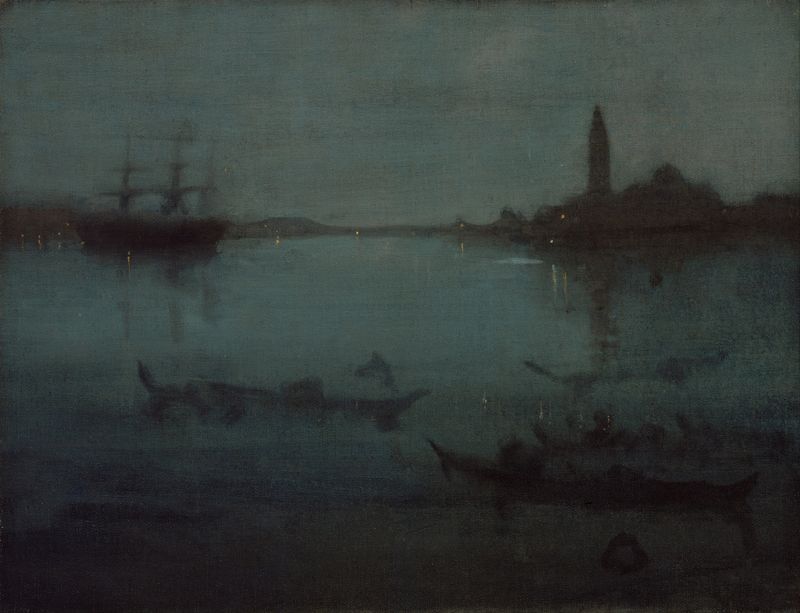
Nocturne in Blue and Silver- The Lagoon, Venice
James Abbott McNeill Whistler
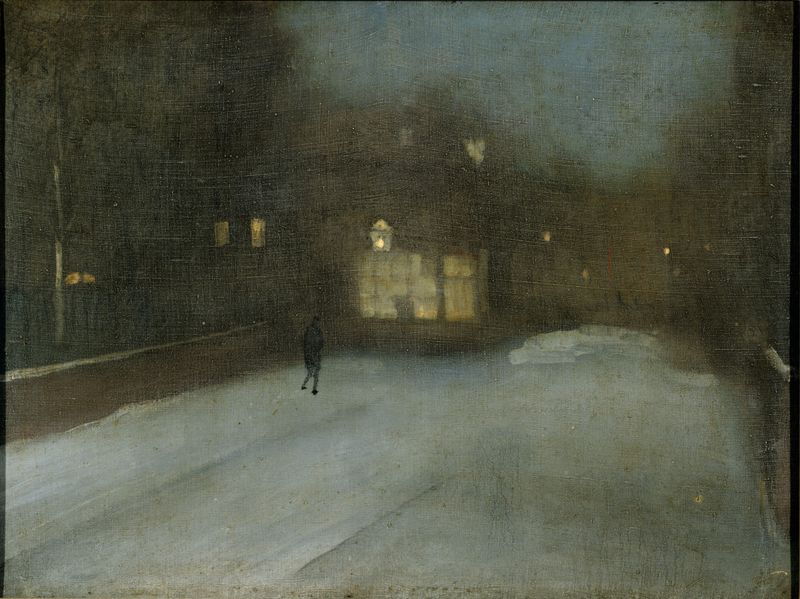
Nocturne in Grey and Gold: Chelsea Snow
James Abbott McNeill Whistler
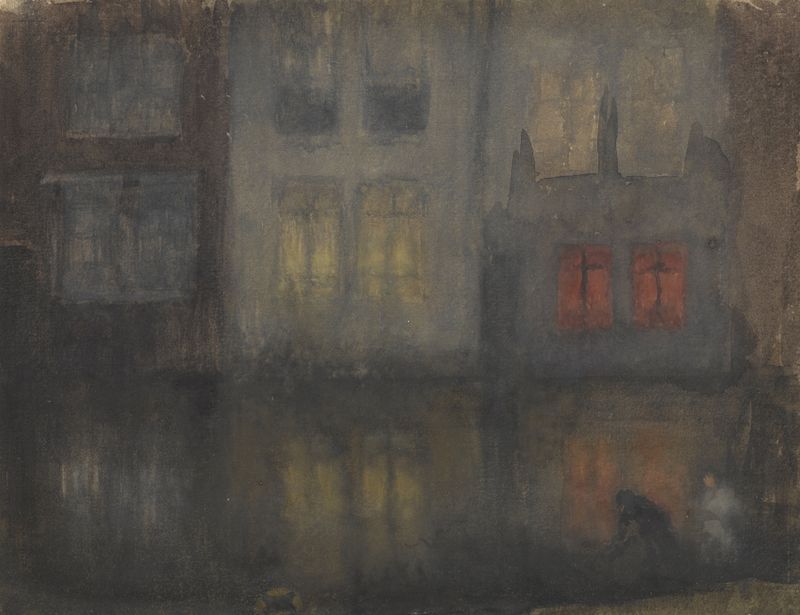
Nocturne: Black and Red—Back Canal, Holland
James Abbott McNeill Whistler
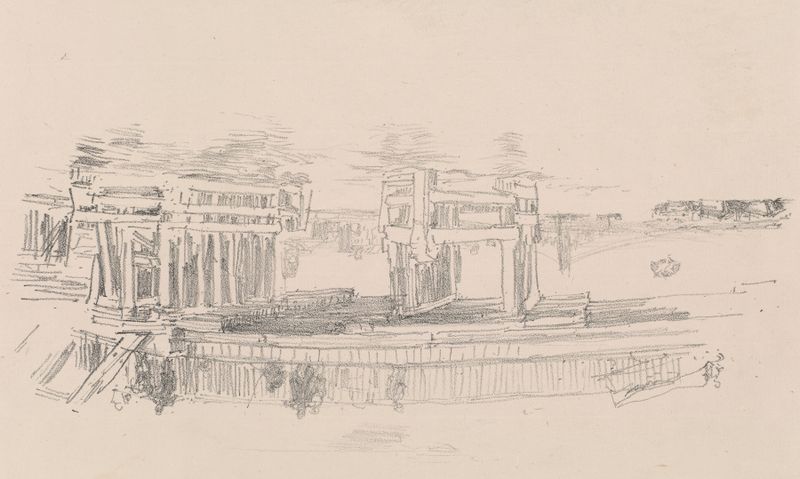
Old Battersea Bridge
James Abbott McNeill Whistler

Nocturne: Blue and Silver–Battersea Reach
James Abbott McNeill Whistler
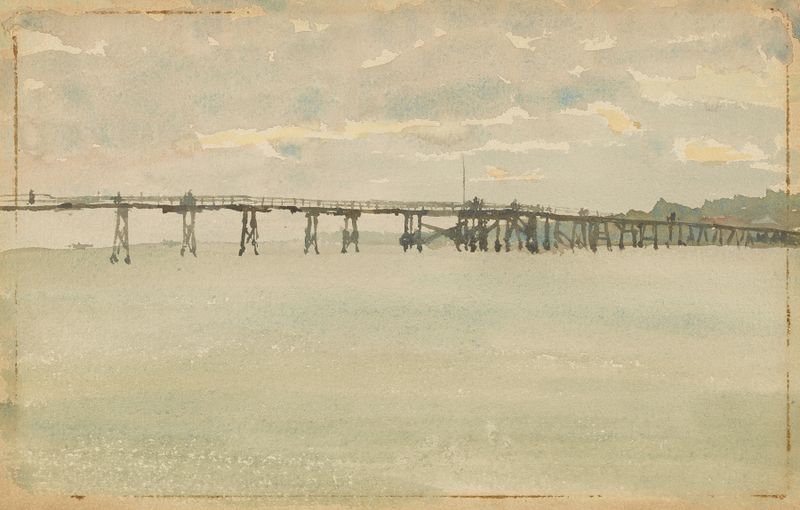
Grey and Silver–Pier, Southend
James Abbott McNeill Whistler
More Architecture Art
Browse all →
The statue of Liberty
Frédéric Auguste Bartholdi

View of Houses in Delft, Known as ‘The Little Street’
Johannes Vermeer

View of Houses in Delft, Known as ‘The Little Street’
Johannes Vermeer

The Cathedral in Rouen. The portal, Grey Weather
Claude Monet

The yellow house
Vincent van Gogh

The Church in Auvers-sur-Oise, View from the Chevet
Vincent van Gogh