
The Unsafe Tenement — History & Facts
In the folds of our memories, dreams linger, capturing moments that fade away too quickly. It’s within these reflections that we find the essence of life — a haunting beauty wrapped in the remnants of experience. Look closely at the somber scene, where tenement buildings loom like forgotten giants against a cloudy backdrop. The muted palette of grays and blues invokes an atmosphere of melancholy, while the thin, almost ethereal brushstrokes give the structures an ephemeral quality.
Notice how the windows, often dark and lifeless, seem to watch silently, as if bearing witness to untold stories. The skillful layering of paint creates a depth that invites the viewer into the heart of the urban landscape. As you delve deeper, consider the contrast between the grandeur of the architecture and the grim reality it represents. These buildings, silent guardians of untold lives, evoke feelings of isolation and despair.
The juxtaposition of light and shadow further emphasizes the tension between hope and hopelessness, suggesting a longing for connection amid the harshness of existence. Each detail reflects a dreamlike quality, as if the artist is urging us to remember the forgotten narratives of those who lived within these walls. In 1858, Whistler was living in Paris, absorbed in the artistic movements of the time. Influenced by the burgeoning Impressionist ideals, he sought to capture the essence of modern life while grappling with his own artistic identity.
The creation of this piece came amidst a growing interest in urban subjects, as artists began to explore the complexities of city life, making it a poignant reflection of a changing world.
More Artworks by James Abbott McNeill Whistler
Browse all →
Nocturne in Blue and Silver
James Abbott McNeill Whistler
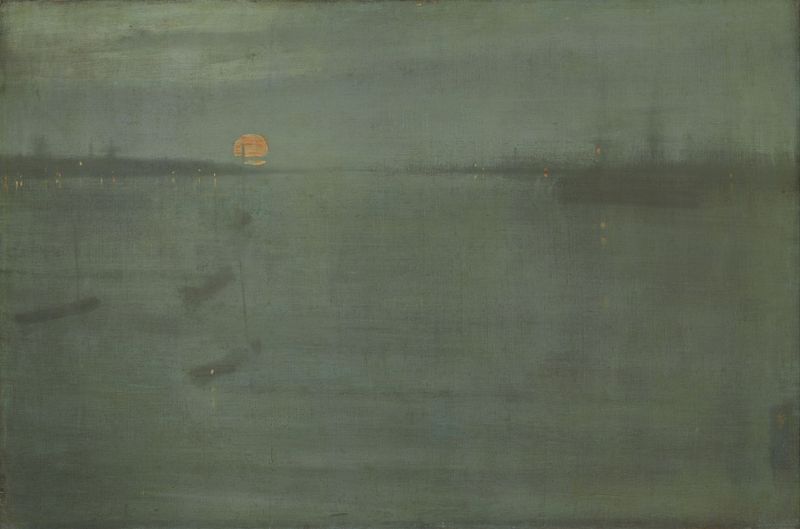
Nocturne: Blue and Gold–Southampton Water
James Abbott McNeill Whistler
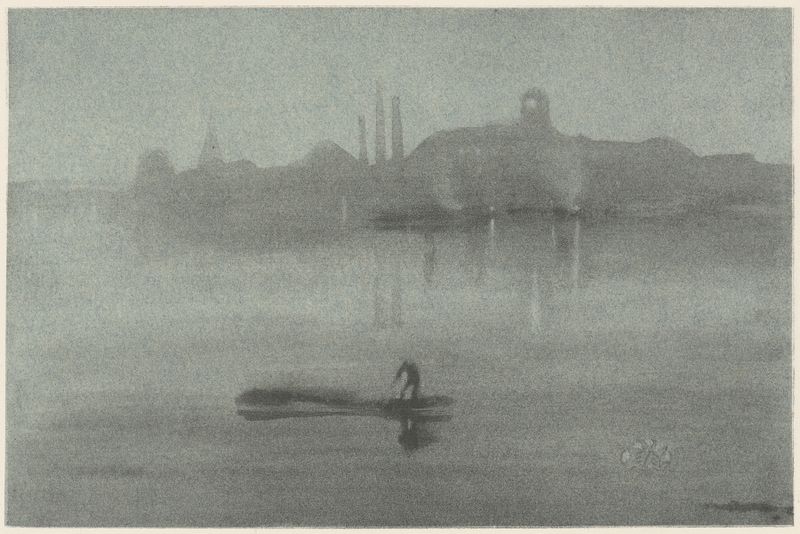
Nocturne
James Abbott McNeill Whistler
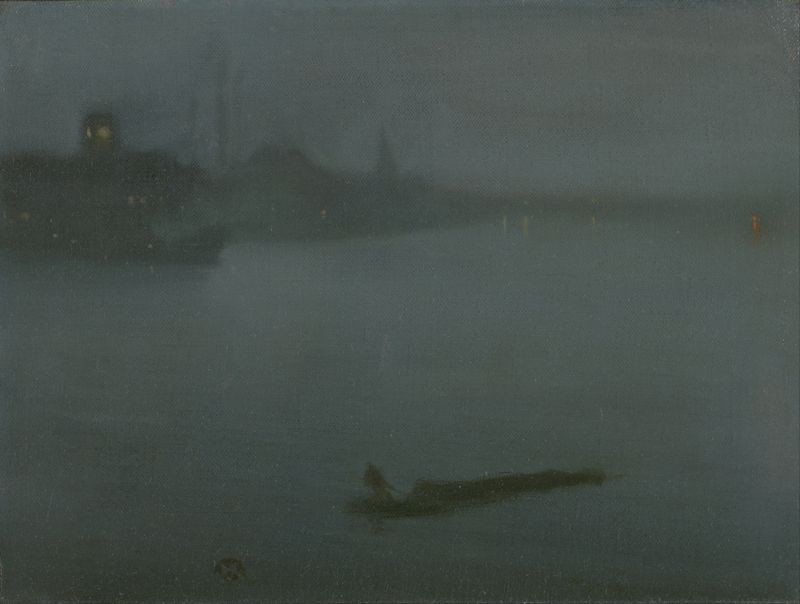
Nocturne in Blue and Silver
James Abbott McNeill Whistler
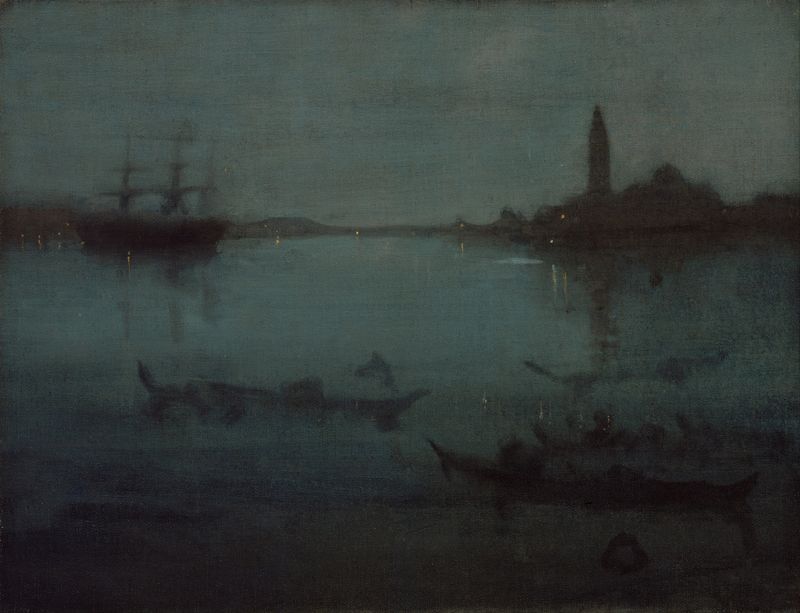
Nocturne in Blue and Silver- The Lagoon, Venice
James Abbott McNeill Whistler
Nocturne in Grey and Gold: Chelsea Snow
James Abbott McNeill Whistler
Nocturne: Black and Red—Back Canal, Holland
James Abbott McNeill Whistler
Old Battersea Bridge
James Abbott McNeill Whistler

Nocturne: Blue and Silver–Battersea Reach
James Abbott McNeill Whistler
Grey and Silver–Pier, Southend
James Abbott McNeill Whistler
More Architecture Art
Browse all →
The statue of Liberty
Frédéric Auguste Bartholdi

View of Houses in Delft, Known as ‘The Little Street’
Johannes Vermeer

View of Houses in Delft, Known as ‘The Little Street’
Johannes Vermeer

The Cathedral in Rouen. The portal, Grey Weather
Claude Monet

The yellow house
Vincent van Gogh

The Church in Auvers-sur-Oise, View from the Chevet
Vincent van Gogh