
The Valley of the Derwent, Tasmania — History & Facts
In the heart of nature’s chaos, tranquility often reveals the turmoil beneath. The essence of this juxtaposition draws us into the landscape with a force that is both calming and unsettling. Look to the right at the gentle curve of the river, shimmering with hints of cerulean and emerald as it winds through the lush valley. Notice how the light falls upon the distant hills, their rolling forms softened by layers of mist, while the foreground bursts with vibrant greenery, suggesting life in all its unruly glory.
Barraud’s brushwork captures both the details and the expansive landscape, inviting the viewer to linger on every stroke, every nuance of color, and the harmonious contrast between chaos and serenity. Hidden beneath the surface, the painting speaks to the disarray of nature. The chaotic interplay of light and shadow hints at the unseen forces that shape the landscape, perhaps alluding to the tumultuous changes in Tasmania’s environment during this period. The delicate flowers and towering trees, while appearing peaceful, reflect nature's raw power—each element a whisper of resilience amidst the chaos of existence. In 1891, Charles Decimus Barraud painted this captivating piece in Tasmania, a time when the region was experiencing both natural beauty and the pressures of colonial expansion.
Immersed in the lush landscapes, Barraud explored themes of the sublime in nature while witnessing a world at the cusp of transformation, where the pristine beauty faced inevitable disruption.
More Artworks by Charles Decimus Barraud
Browse all →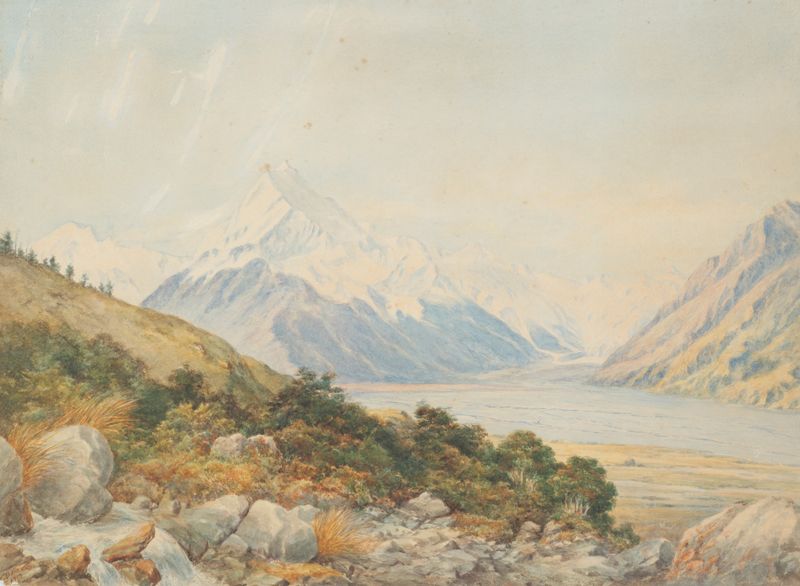
Mt. Cook from Tasman Valley
Charles Decimus Barraud
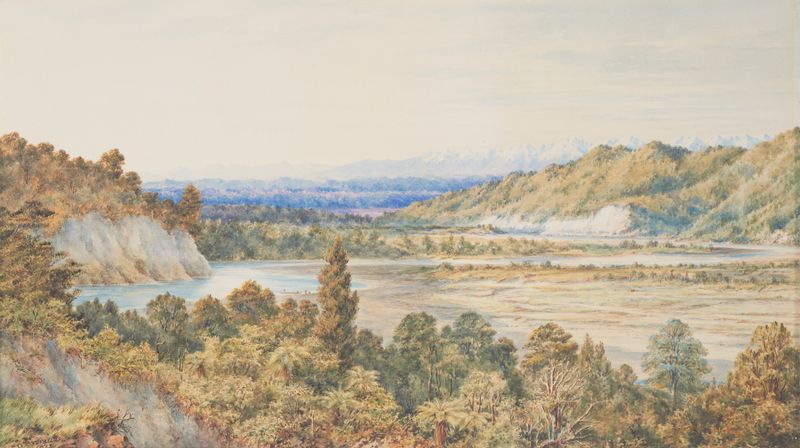
The Manawatu
Charles Decimus Barraud
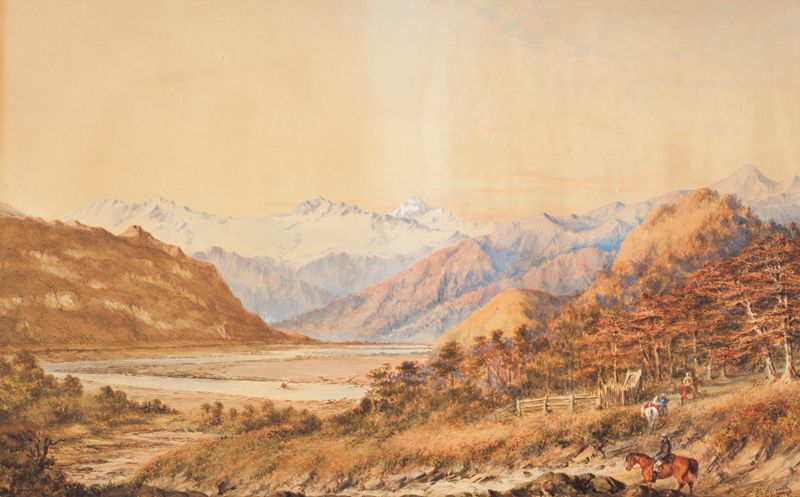
View of Mt. Aspiring, Province of Otago, looking north up the Valley of Matekitiki River from Dr Hector’s camp of 1863
Charles Decimus Barraud
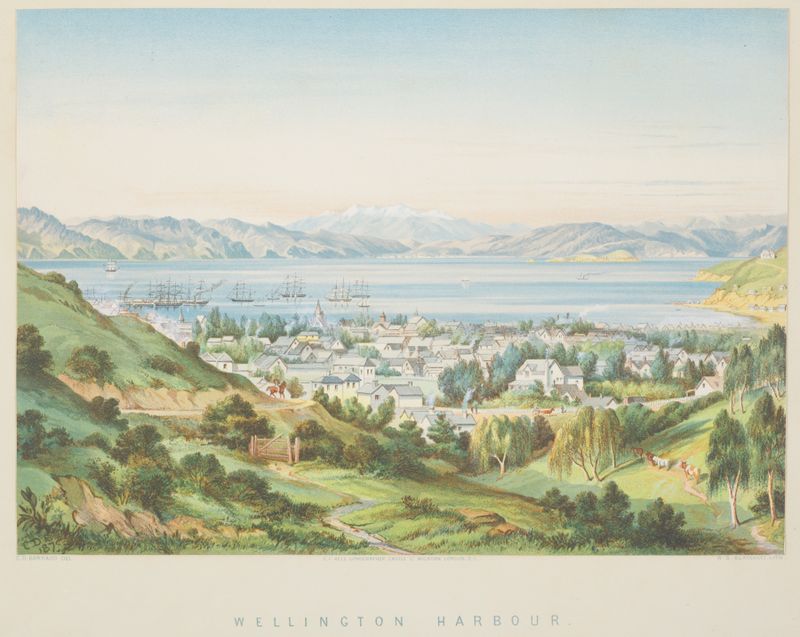
New Zealand Graphic and Descriptive. Wellington Harbour.
Charles Decimus Barraud
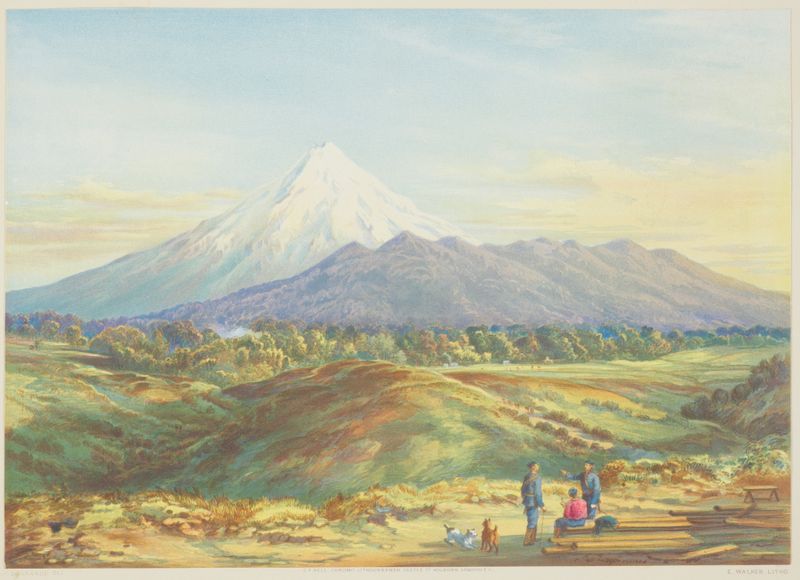
New Zealand Graphic and Descriptive. Mt Egmont.
Charles Decimus Barraud
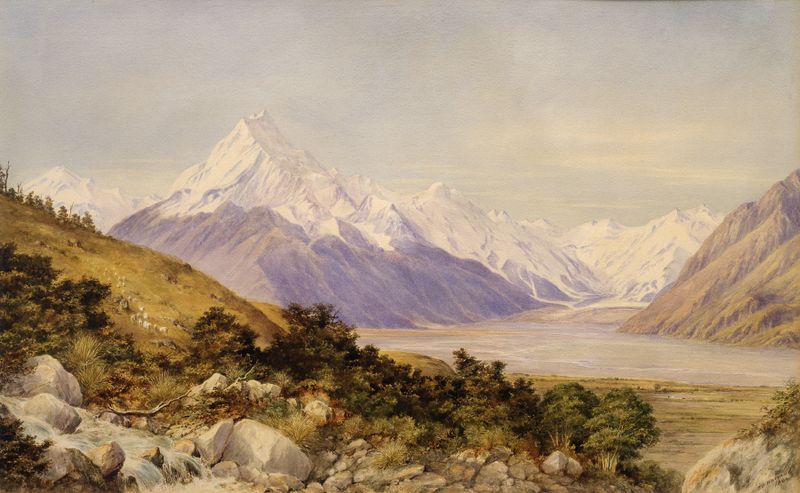
Mt. Cook
Charles Decimus Barraud
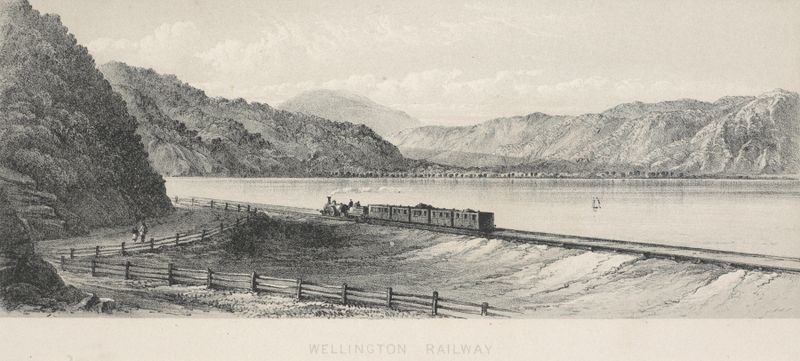
New Zealand Graphic and Descriptive. Plate I. Wellington Railway
Charles Decimus Barraud
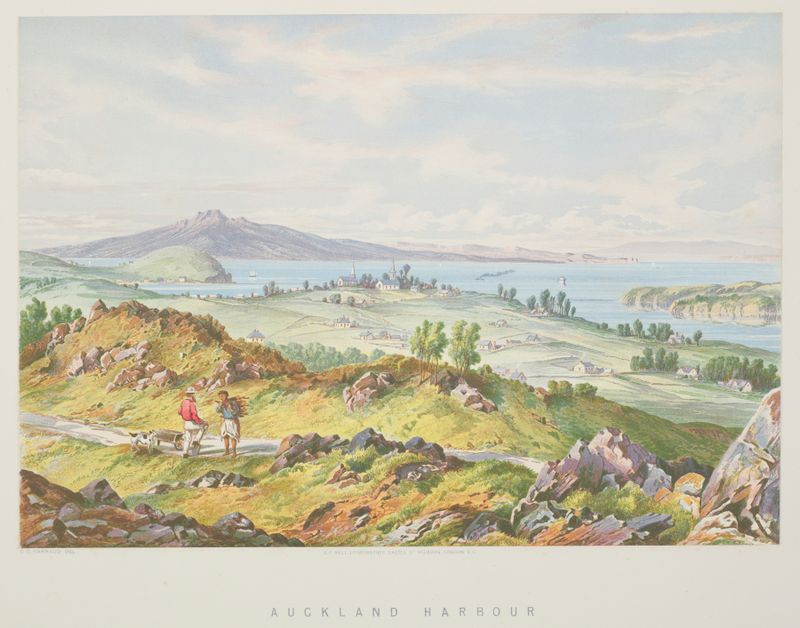
New Zealand Graphic and Descriptive. Auckland Harbour
Charles Decimus Barraud
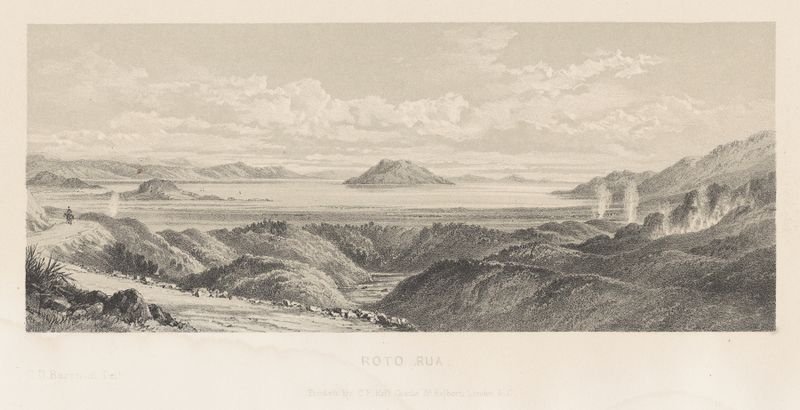
New Zealand Graphic and Descriptive. Plate III. Roto-rua
Charles Decimus Barraud
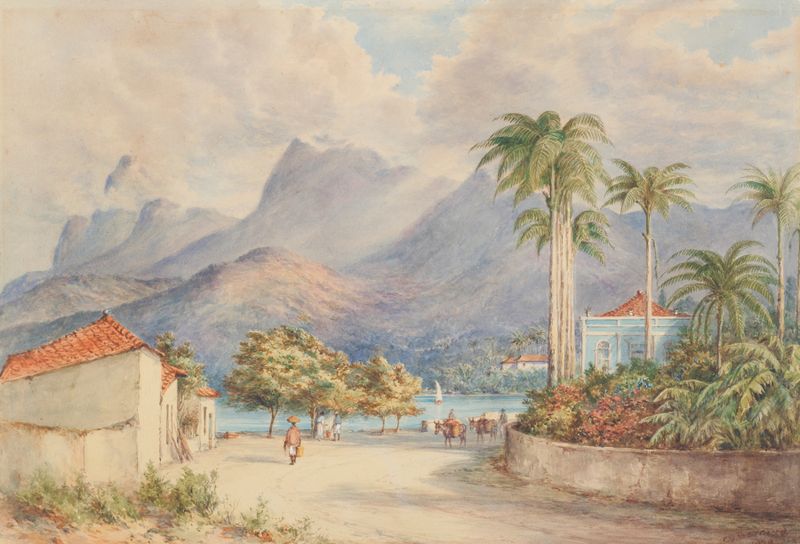
Rio de Janeiro
Charles Decimus Barraud





