
The Vasas’ Gate in Kyiv — History & Facts
What secret hides in the quiet of the canvas? An echo of nostalgia lingers in the air, inviting the viewer to step into a world suspended in time. Look to the left at the intricately designed gate, its weathered stonework glowing softly under the embrace of a diffused light. The muted palette of earthy tones creates a harmonious backdrop, where shades of green and brown speak to the passage of seasons. Notice how the artist skillfully captures the interplay of light and shadow, imbuing the scene with both depth and a sense of yearning, as if the gate itself is a threshold to memories waiting to be uncovered. The emotional tension lies not just in the architecture but in the empty spaces surrounding it.
The absence of people suggests a longing for connection or perhaps the quiet isolation of a city once bustling with life. Every brushstroke resonates with a history that feels palpable, evoking the weight of time and the stories that the gate has witnessed – tales of arrivals and departures, joy and sorrow. In 1903, Jan Stanisławski was exploring the dynamics of color and light in his homeland of Poland. At this point in his career, the artist was deeply influenced by the Symbolist movement, which sought to convey emotions and ideas beyond mere representation.
The world was transitioning, with the echoes of change beginning to shape the landscape of art, and Stanisławski’s work reflected this quest for deeper meaning through stillness and contemplation.
More Artworks by Jan Stanisławski
Browse all →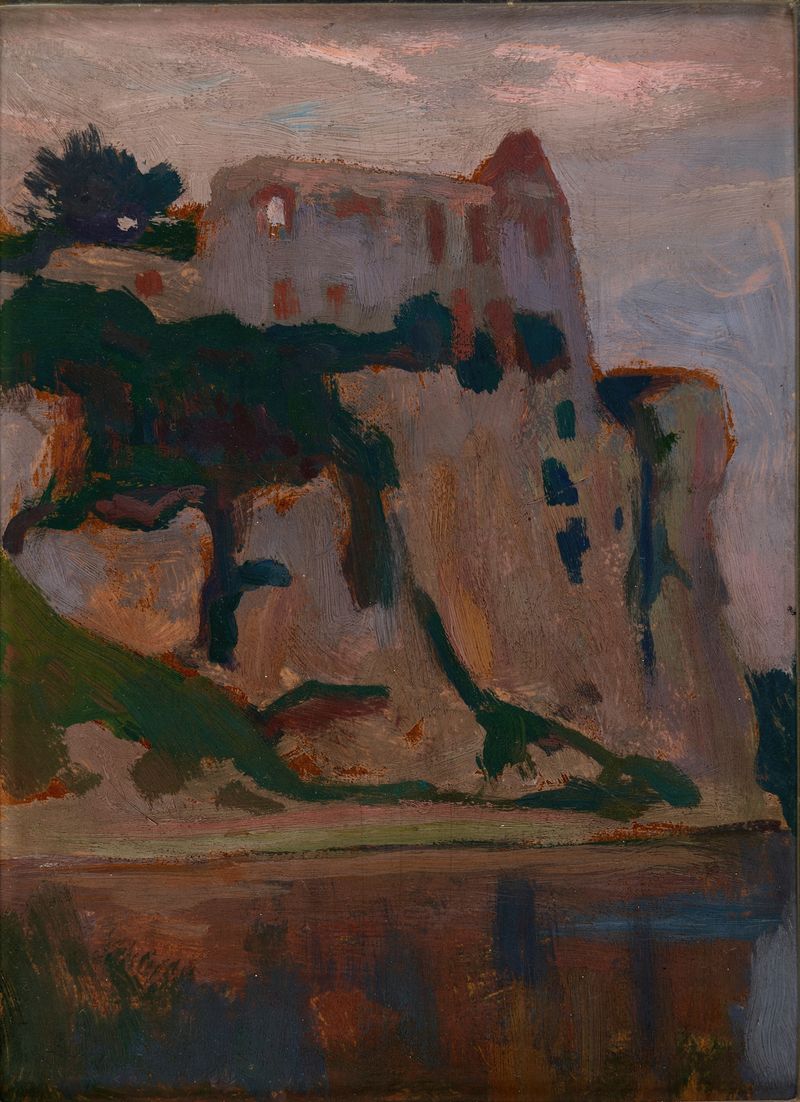
Tyniec at Dawn
Jan Stanisławski
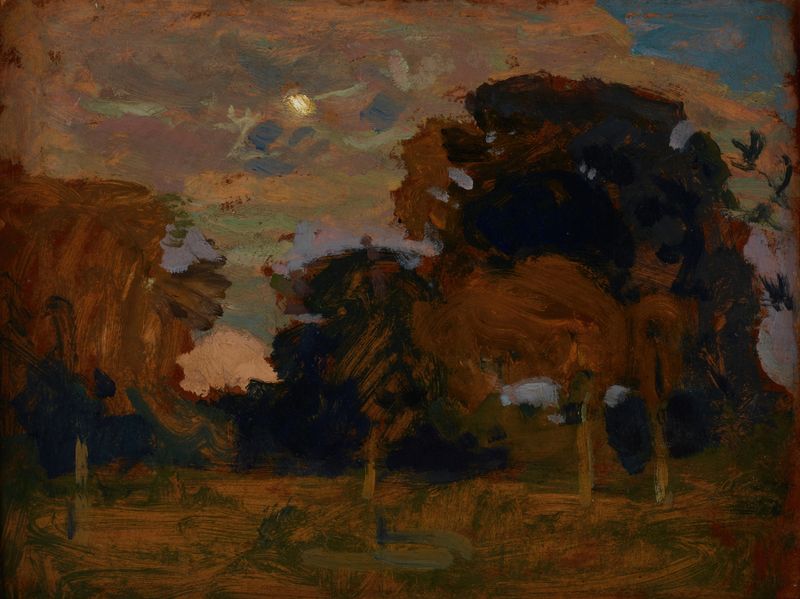
Moon in the Clouds
Jan Stanisławski
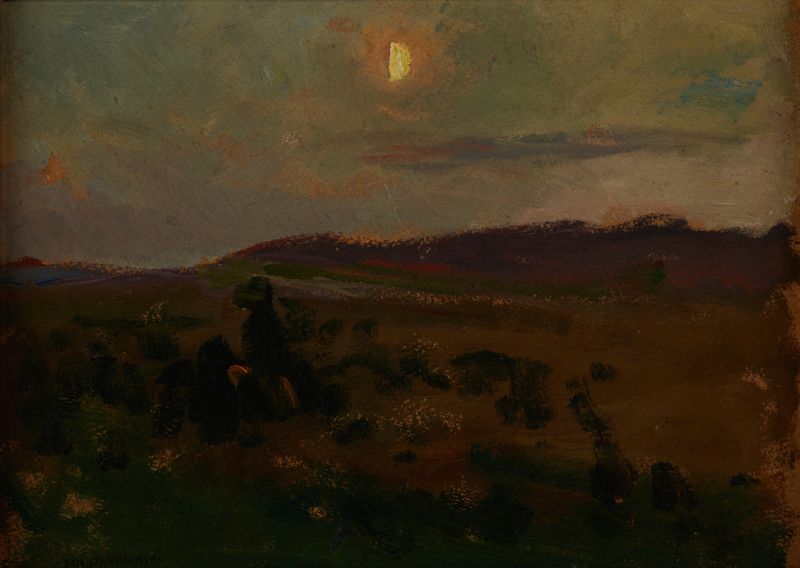
Moonrise
Jan Stanisławski
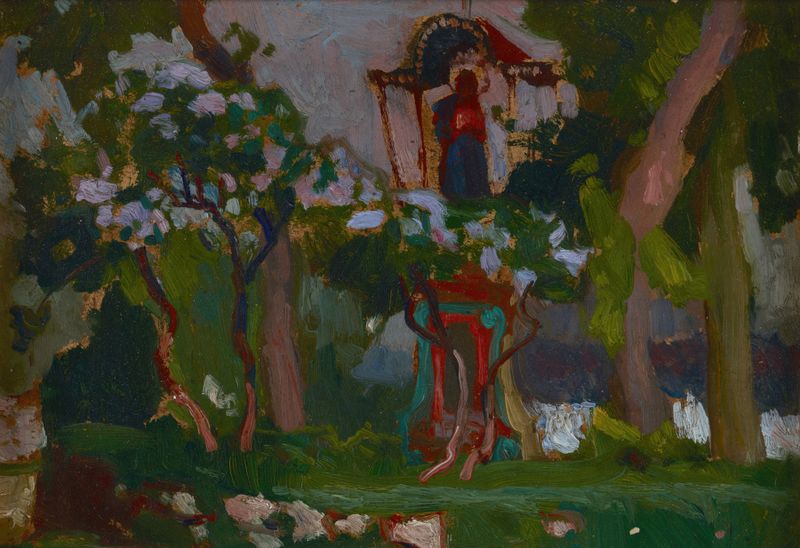
May
Jan Stanisławski
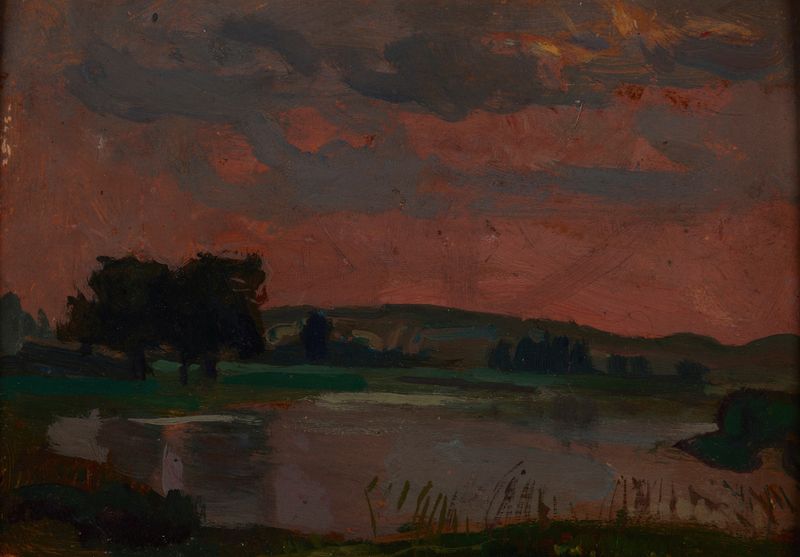
The Vistula in the Twilight
Jan Stanisławski
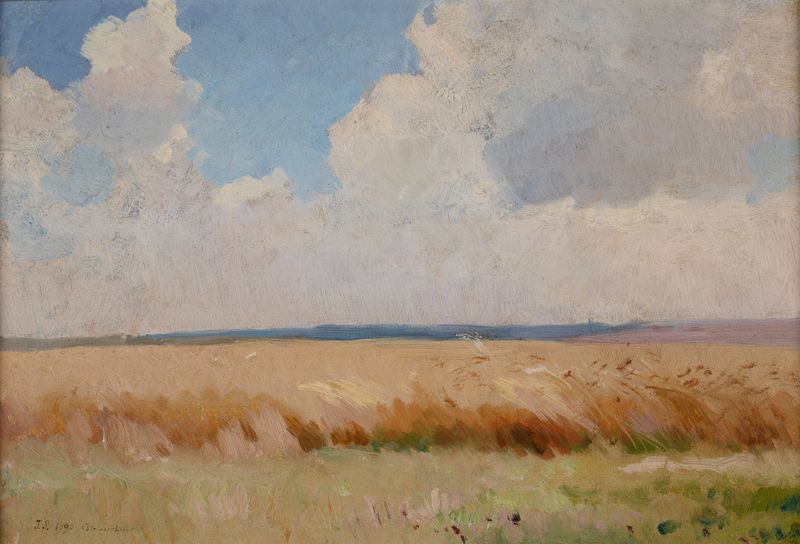
Field at Białocerkiew (Bila Tserkva)
Jan Stanisławski
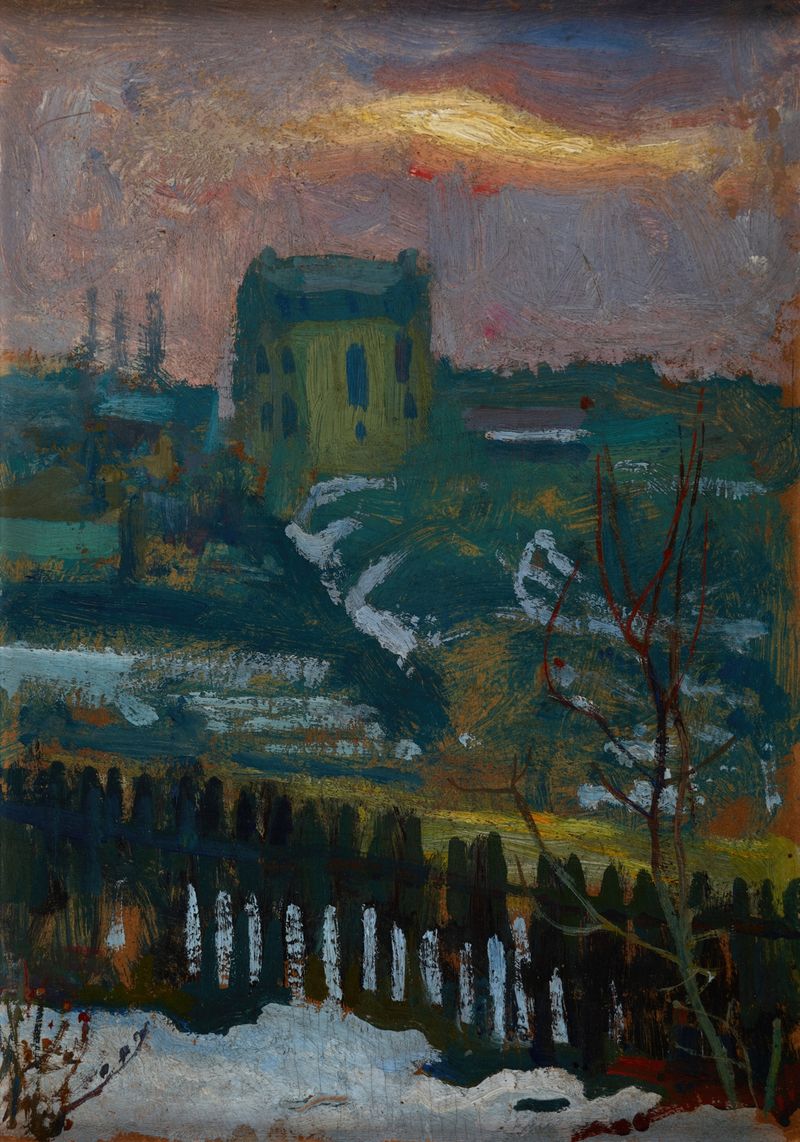
House in Winter
Jan Stanisławski
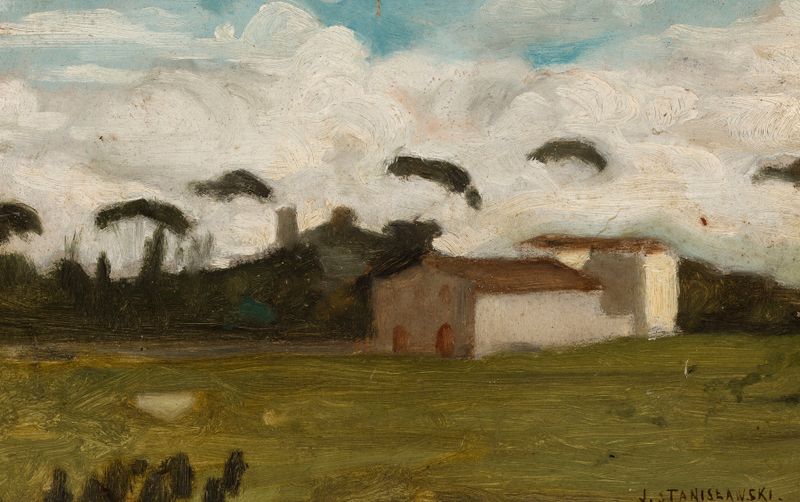
Landscape
Jan Stanisławski
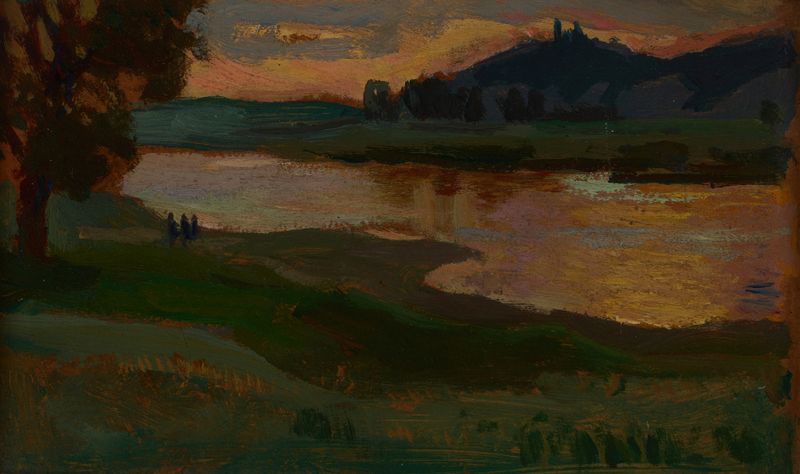
Bielany at Dusk
Jan Stanisławski
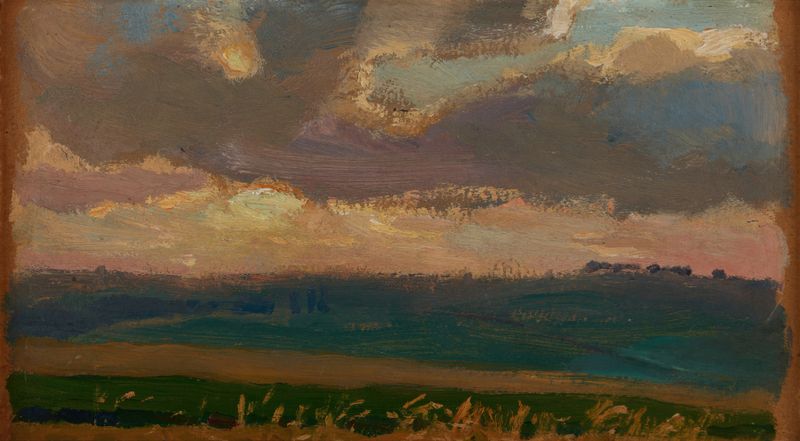
Fields at Proszowice
Jan Stanisławski
More Architecture Art
Browse all →
The statue of Liberty
Frédéric Auguste Bartholdi

View of Houses in Delft, Known as ‘The Little Street’
Johannes Vermeer

View of Houses in Delft, Known as ‘The Little Street’
Johannes Vermeer

The Cathedral in Rouen. The portal, Grey Weather
Claude Monet

The yellow house
Vincent van Gogh

The Church in Auvers-sur-Oise, View from the Chevet
Vincent van Gogh