
The Venetian Mast — History & Facts
In its stillness, a sense of loneliness seeps through, whispering secrets of solitude and introspection in every brushstroke. Look closely at the center of the composition where the mast stands tall against a muted backdrop. The stark verticality of the structure draws the eye, rising like a solitary figure amidst the soft, atmospheric haze of color. Notice how Whistler employs a palette of deep blues and grays, evoking a sense of twilight that envelops the scene, suggesting both beauty and isolation.
The delicate interplay of light and shadow enhances the stillness, while wisps of movement in the surrounding water hint at an unseen world beyond the frame. As you explore the canvas further, consider the emotional weight of the mast, a symbol of longing and reflection. It seems to guard the secrets of those lost at sea, embodying the tension between presence and absence. The soft strokes and flowing lines convey a sense of melancholy, inviting contemplation on what is left unexpressed, what awaits on the horizon, and the bittersweet nature of solitude. During the late 1870s, Whistler painted this piece while living in Venice, immersed in a city that inspired both admiration and introspection.
He was navigating a shift in his career, embracing the Impressionist style while grappling with personal challenges and fluctuating reputations. The work reflects his innovative spirit and desire to capture ephemeral moments, echoing the profound connection between art and the human experience of loneliness.
More Artworks by James Abbott McNeill Whistler
Browse all →
Nocturne in Blue and Silver
James Abbott McNeill Whistler
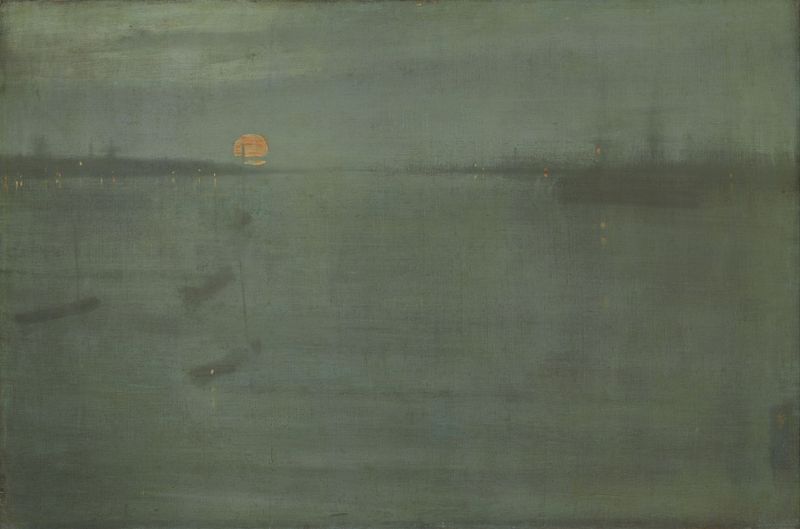
Nocturne: Blue and Gold–Southampton Water
James Abbott McNeill Whistler
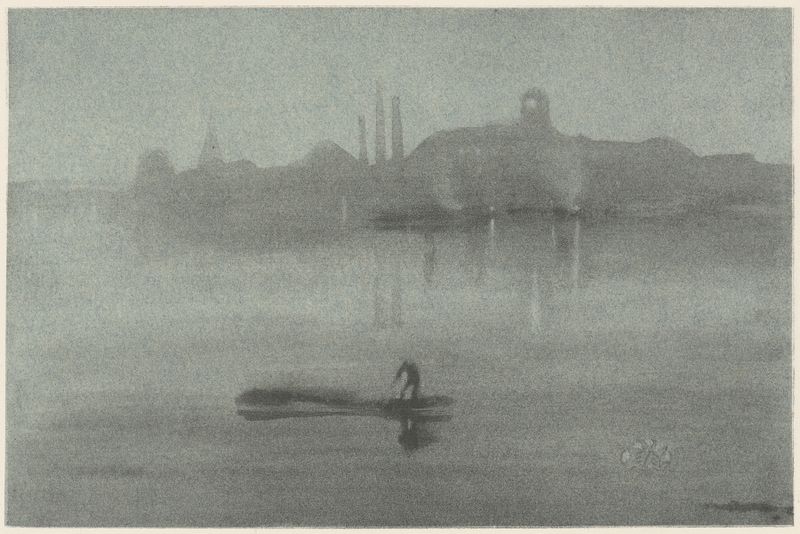
Nocturne
James Abbott McNeill Whistler
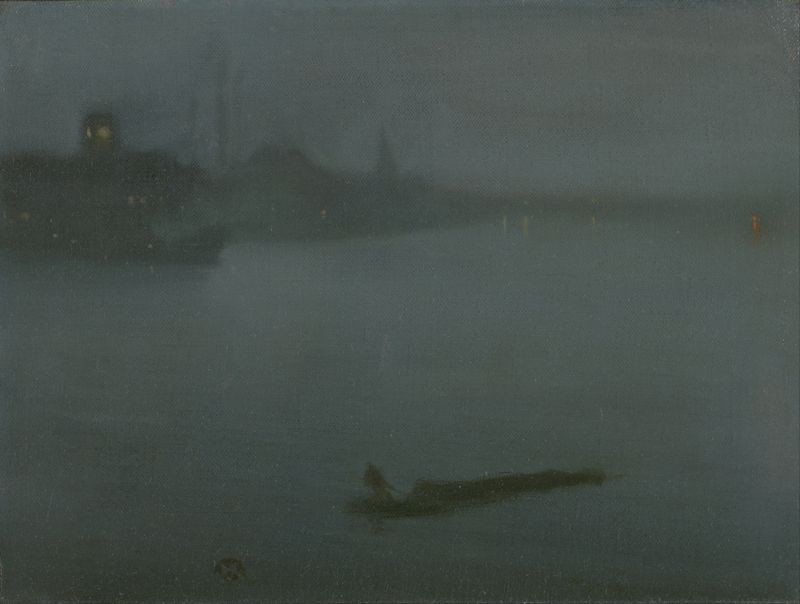
Nocturne in Blue and Silver
James Abbott McNeill Whistler
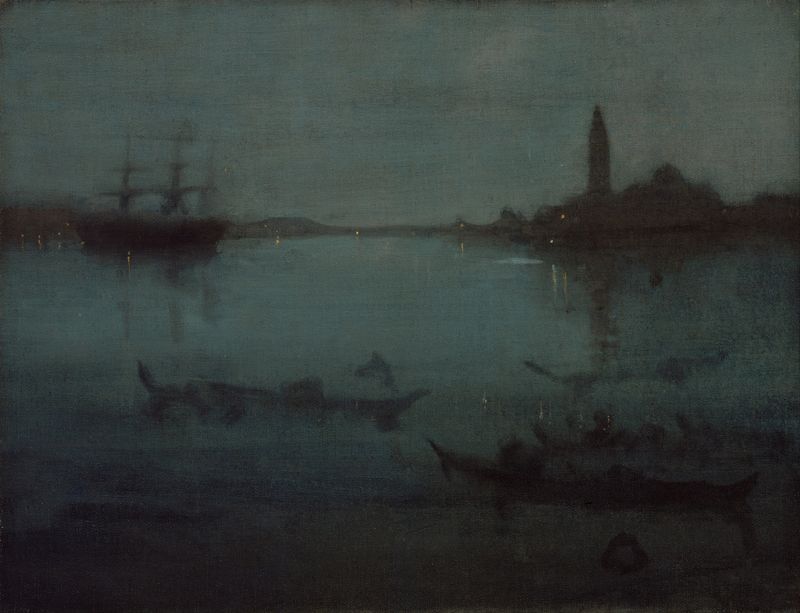
Nocturne in Blue and Silver- The Lagoon, Venice
James Abbott McNeill Whistler
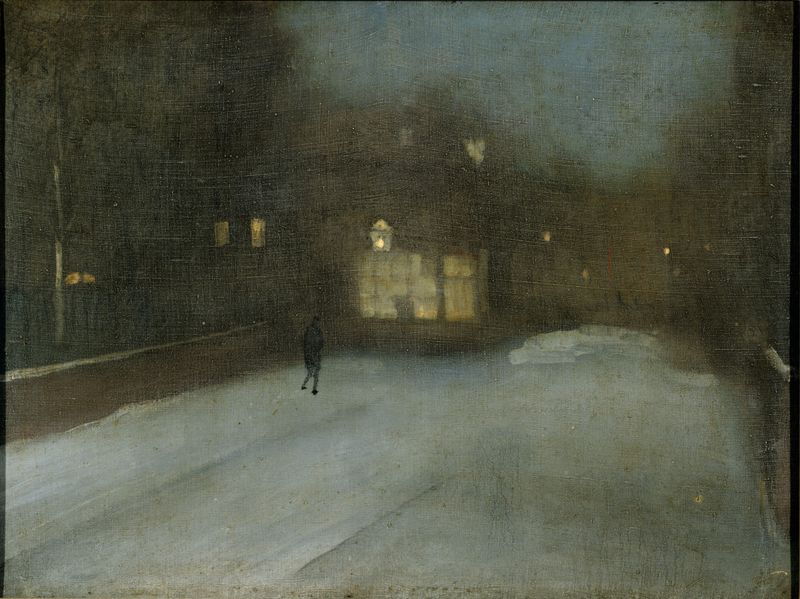
Nocturne in Grey and Gold: Chelsea Snow
James Abbott McNeill Whistler
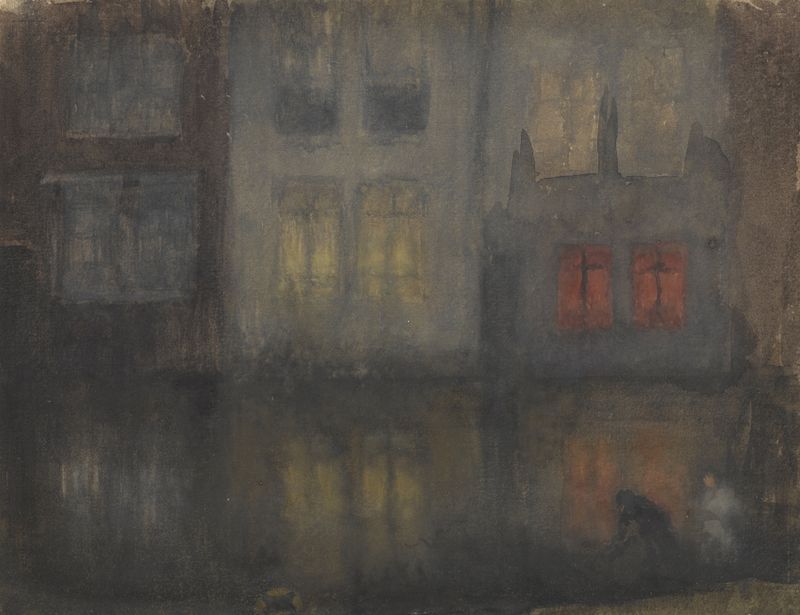
Nocturne: Black and Red—Back Canal, Holland
James Abbott McNeill Whistler
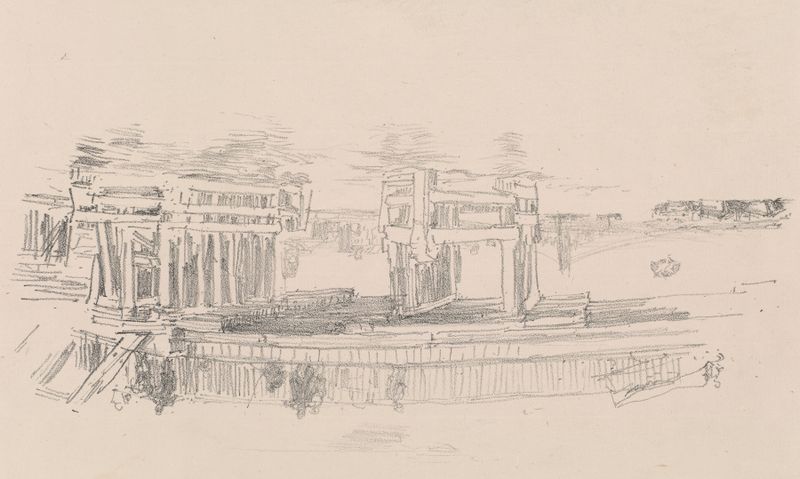
Old Battersea Bridge
James Abbott McNeill Whistler

Nocturne: Blue and Silver–Battersea Reach
James Abbott McNeill Whistler
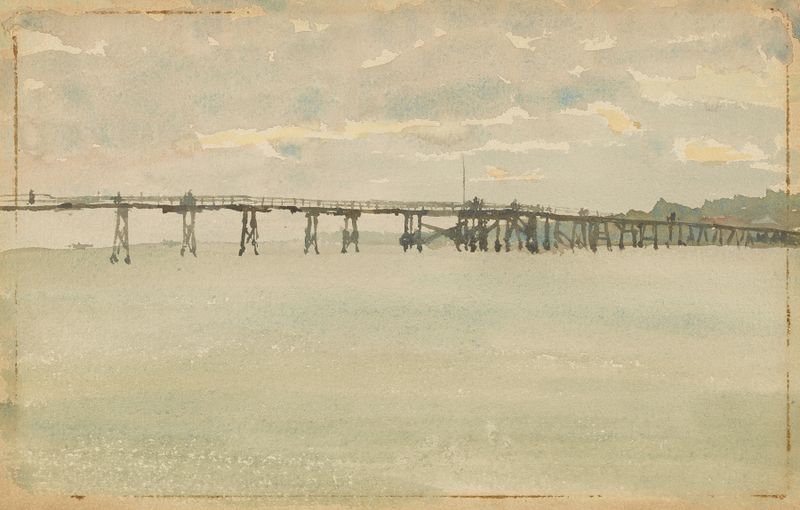
Grey and Silver–Pier, Southend
James Abbott McNeill Whistler




