
The Viga promenade. — History & Facts
Did the painter know this moment would outlive them? In The Viga promenade, a solitary figure walks along the path, bathed in a soft glow of twilight that hints at the encroaching night. Each step seems laden with grief, embodying both a physical journey and an emotional one, as the silhouette merges with the landscape, suggesting the weight of memories shared and lost. Look to the left at the grassy bank, where flickers of light dance upon the surface of gently rippling water. The composition is anchored by the figure, framed beautifully against a cascade of verdant trees that create a natural archway.
Earthy tones of green juxtapose against the vibrant oranges of the evening sky, evoking a sense of warmth that contrasts sharply with the solitude of the lone pedestrian. The brushwork, delicate yet deliberate, captures the texture of the leaves, while deeper shadows begin to retreat, signaling the inevitable passage of time. As you explore further, notice the way the figure’s posture speaks volumes—slumped shoulders echo the weight of loss, while their gaze turns inward, suggesting a world of unspoken thoughts. The path, curving gently ahead, metaphorically represents life’s journey, invoking the bittersweet realization that moments like these, filled with both beauty and sorrow, are fleeting.
Within this stillness lies the tension between the serenity of nature and the tumult of human emotion, creating a poignant dialogue that lingers long after the viewer leaves. C. Castro painted The Viga promenade in 1869, during a period marked by significant social and political change in Mexico. As the country grappled with the aftermath of wars and upheaval, the artist found solace in capturing everyday scenes of life, weaving personal narratives into the fabric of the broader cultural landscape.
This painting, reflective of that time, encapsulates the juxtaposition of hope and grief that defined both the artist's experience and the collective mood of the era.
More Artworks by C. Castro
Browse all →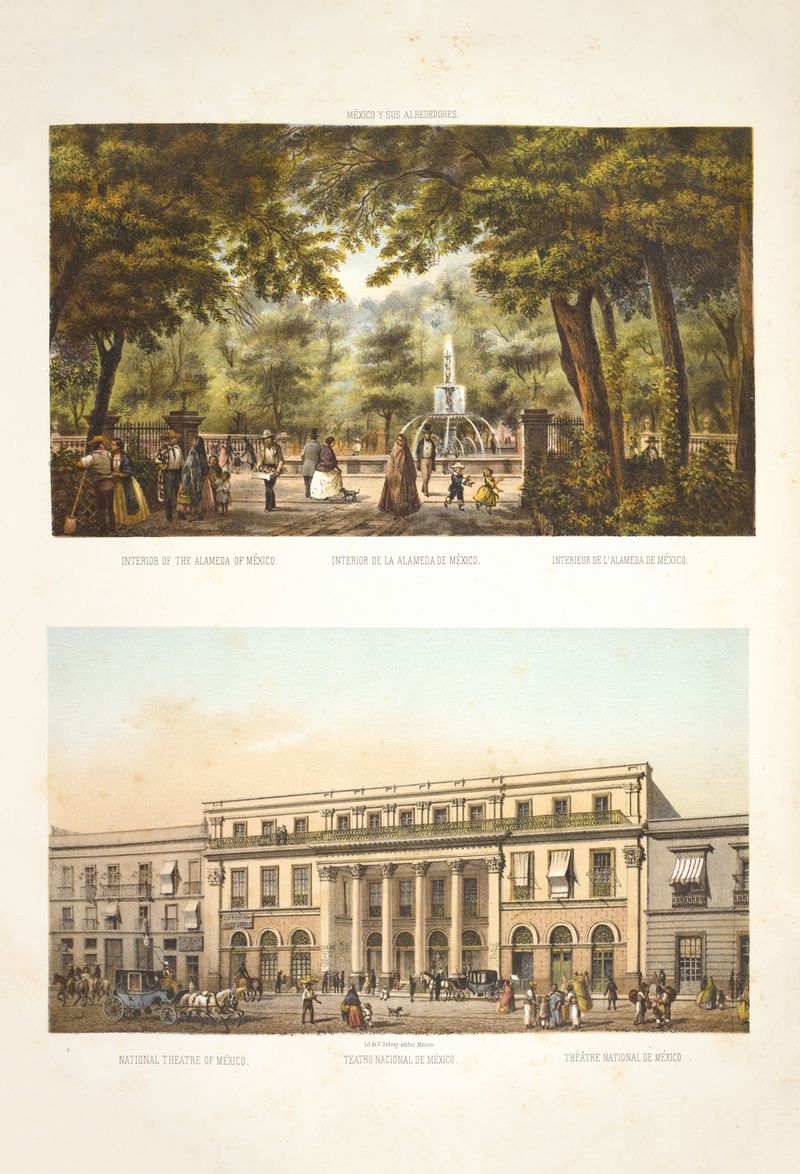
Interior of the Alameda of Mexico ; National Theatre of Mexico.
C. Castro
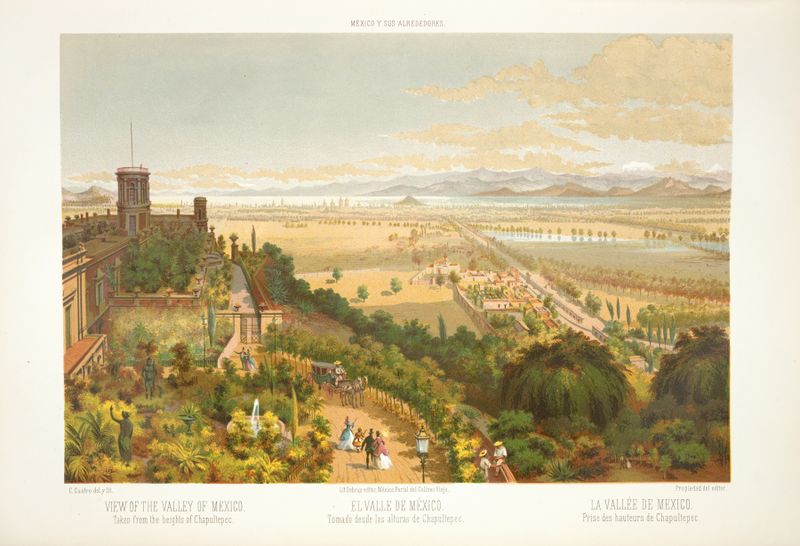
View of the Valley of Mexico, taken from the heights of Chapultepec.
C. Castro
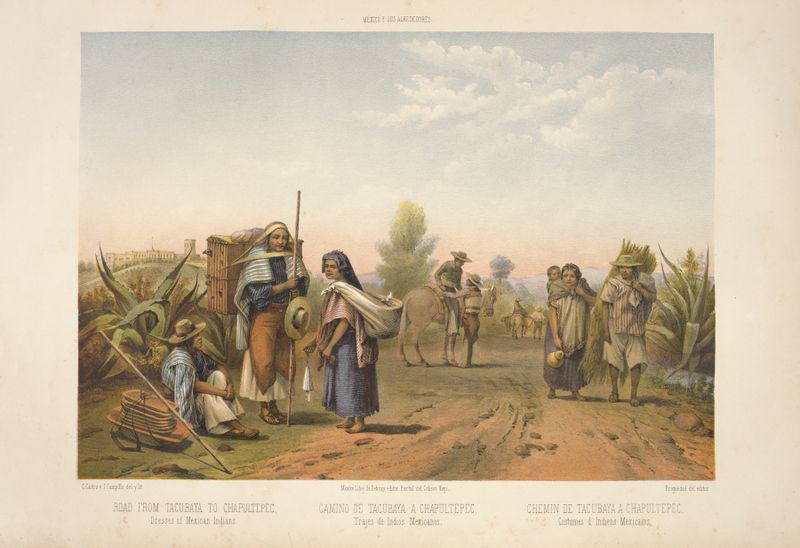
Road from Tacubaya to Chapultepec, dresses of Mexican Indians.
C. Castro
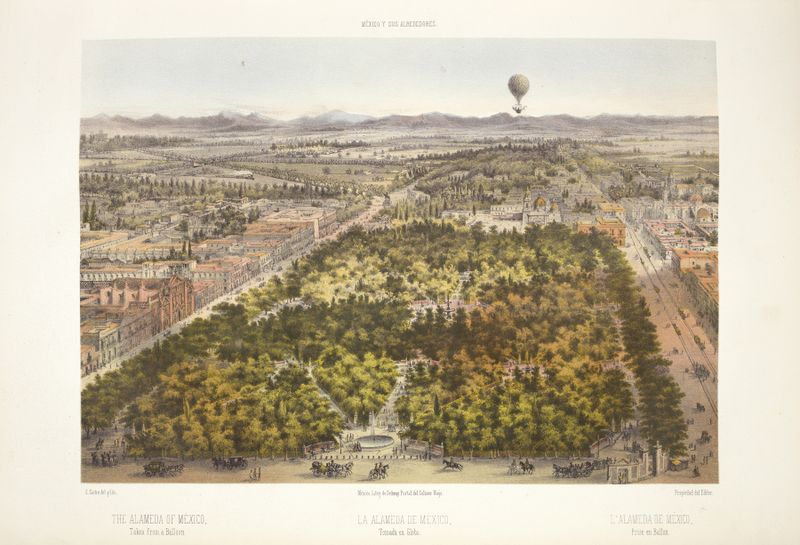
The Alameda of Mexico, taken from a balloon.
C. Castro
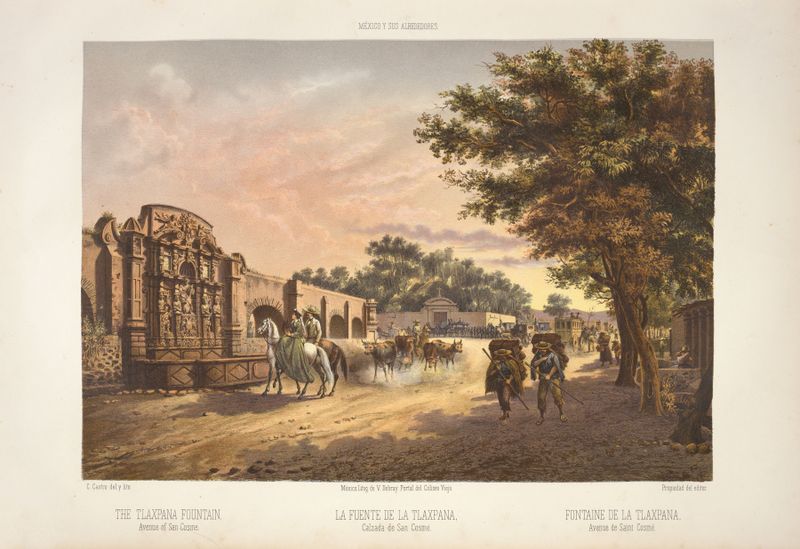
The Tlaxpana fountain, Avenue of San Cosme.
C. Castro
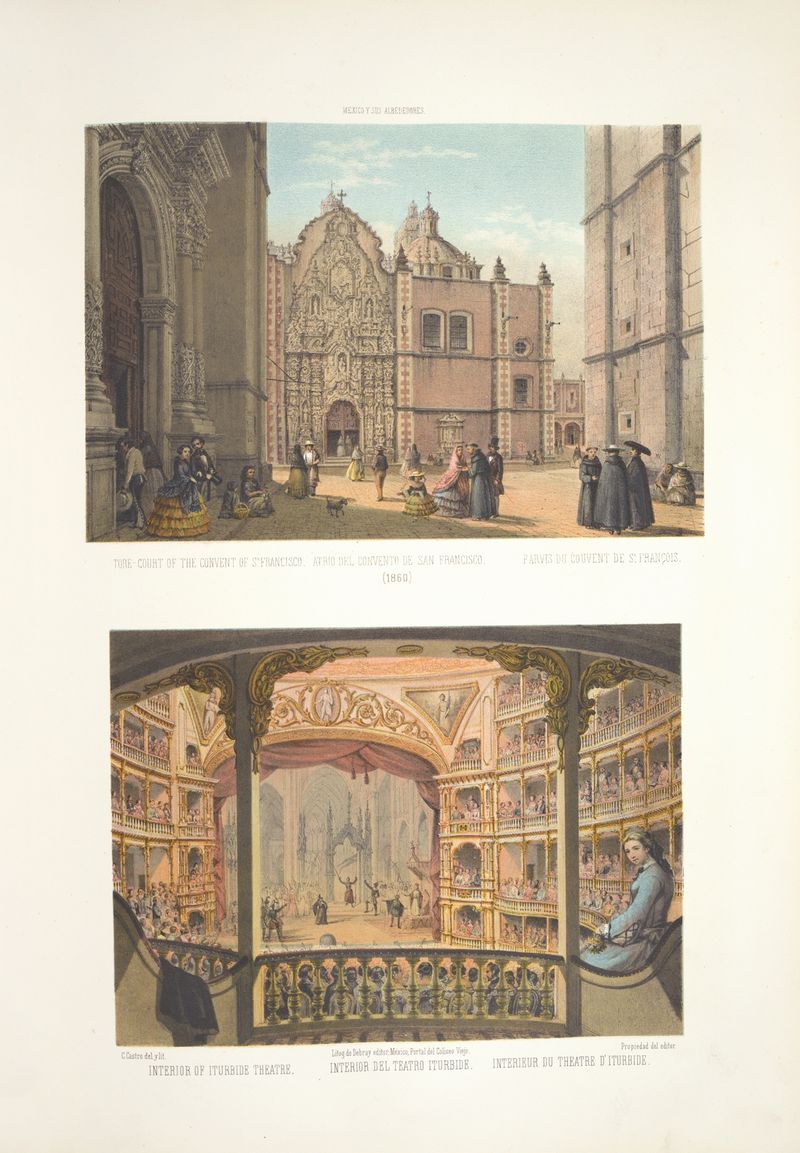
Tore-court of the convent of St. Francisco ; Interior del Teatro Iturbide
C. Castro
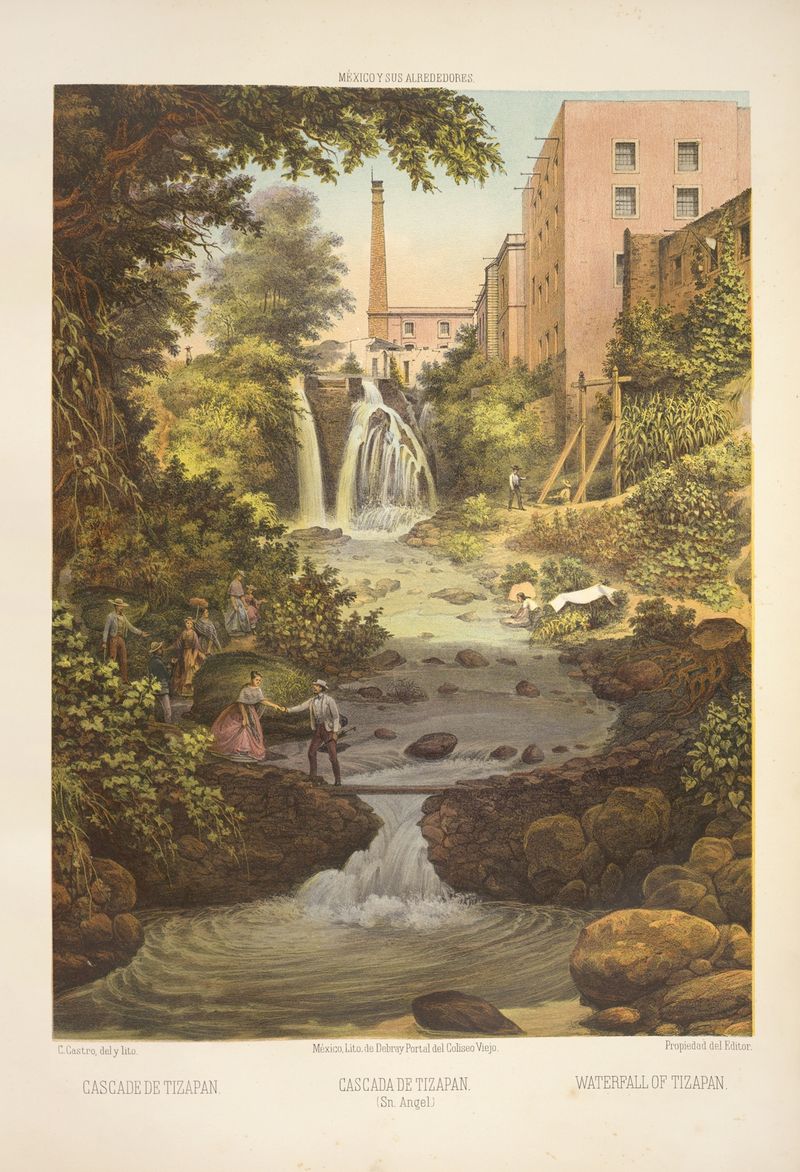
Waterfall of Tizapan
C. Castro
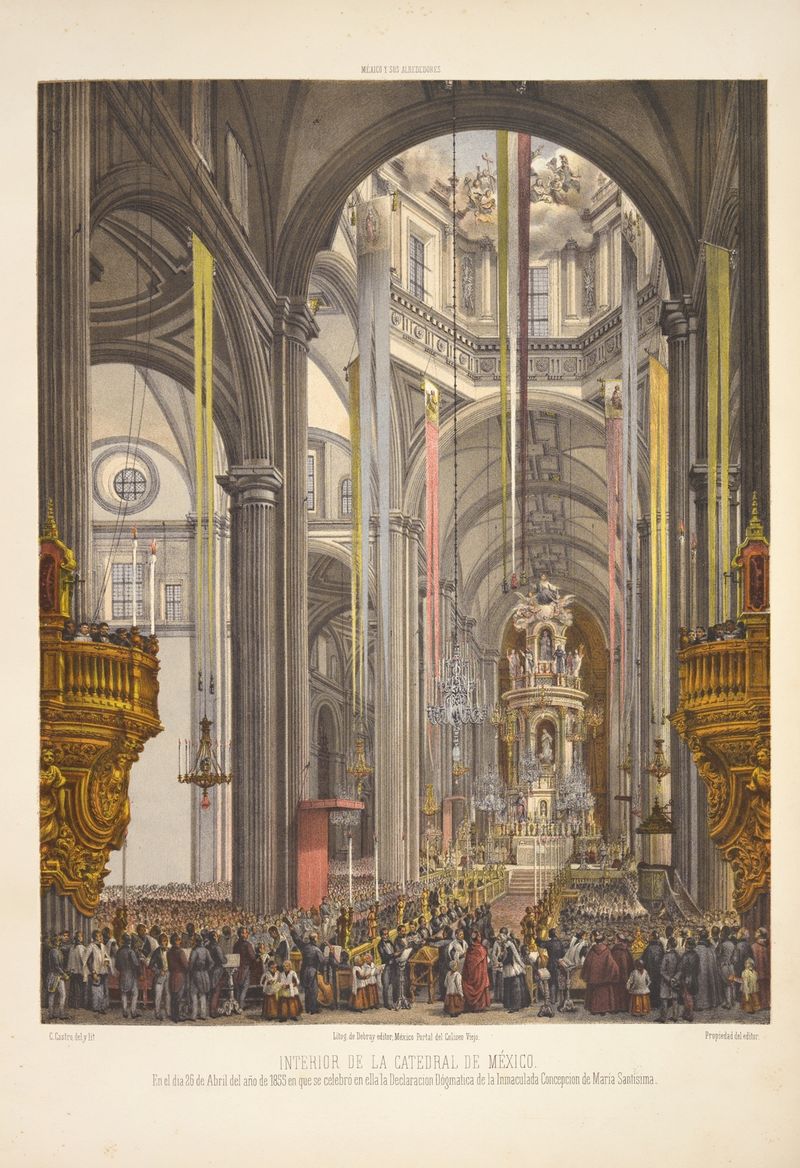
Interior de la Catedral de México. En el dia 26 de Abril del año de 1855 en que se celebró en ella la Declaracion Dógmatica de la Inmaculada Concepcion de María Santisima.
C. Castro
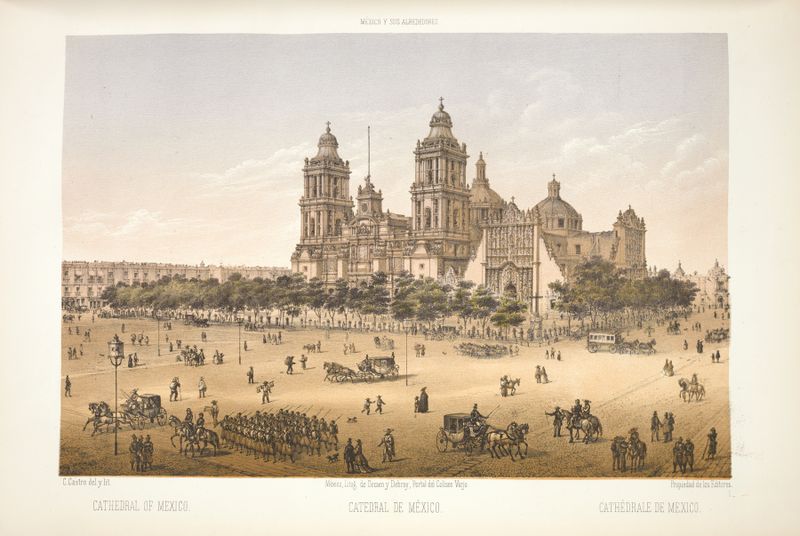
Cathedral of Mexico.
C. Castro
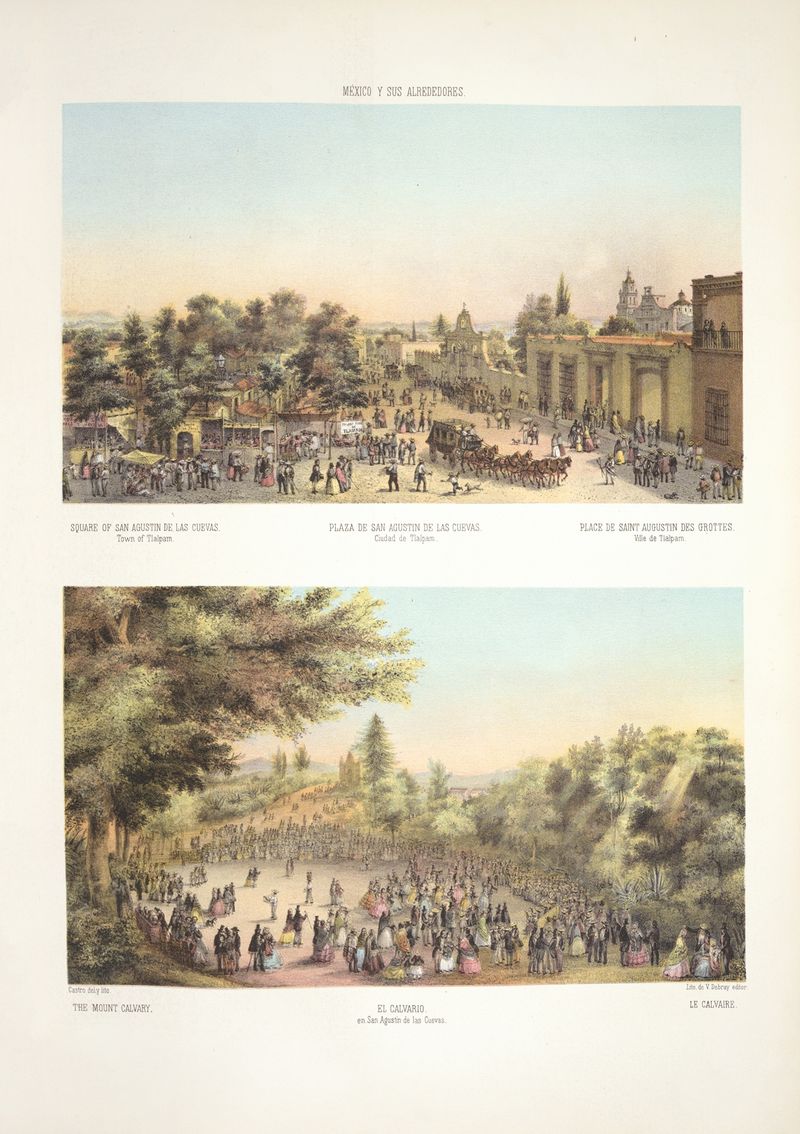
Square of San Agustin de las Cuevas, town of Tlalpam ; The Mount Calvary.
C. Castro





