
The vilage of Ixtacalco. — History & Facts
What if silence could speak through light? In The Village of Ixtacalco, the luminous palette and tranquil composition invite the viewer to explore the quietude of a rural landscape, where serenity transcends sound and reverberates through the canvas. Look to the left at the sun-kissed fields, where gentle hues of gold and green blend seamlessly, creating a warm embrace that draws you into the heart of the village. Notice how the light falls softly upon the thatched roofs, illuminating patches where shadows linger, reminding us of the delicate balance between presence and absence. The painter’s meticulous brushwork suggests a stillness, as if time pauses to let the viewer linger in contemplative silence. As you delve deeper, consider the contrast between the bustling life implied by the tiny figures in the distance and the overarching calm of the landscape.
The horizon, both inviting and distant, hints at the void of the unknown, while the vibrant earth tones evoke a sense of warmth and community rooted in tradition. The village, though small, represents a world full of stories—a collective resonance that whispers through every brushstroke. C. Castro painted The Village of Ixtacalco in 1869, a period marked by a burgeoning interest in capturing the essence of rural life in Mexico.
Living in a time of socio-political change, Castro sought to portray the beauty of everyday existence against a backdrop of emerging modernity in art. His work reflects a deep appreciation for place and community, contributing to the narrative of Mexican identity during a pivotal moment in history.
More Artworks by C. Castro
Browse all →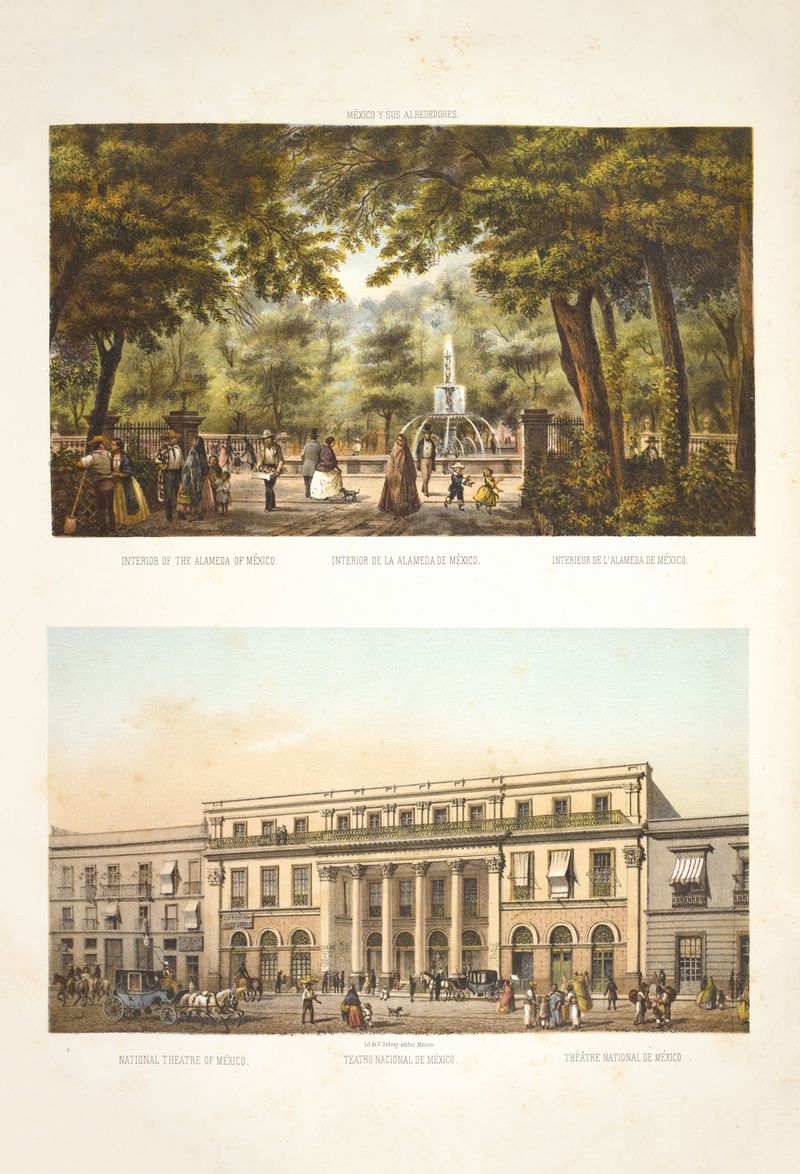
Interior of the Alameda of Mexico ; National Theatre of Mexico.
C. Castro
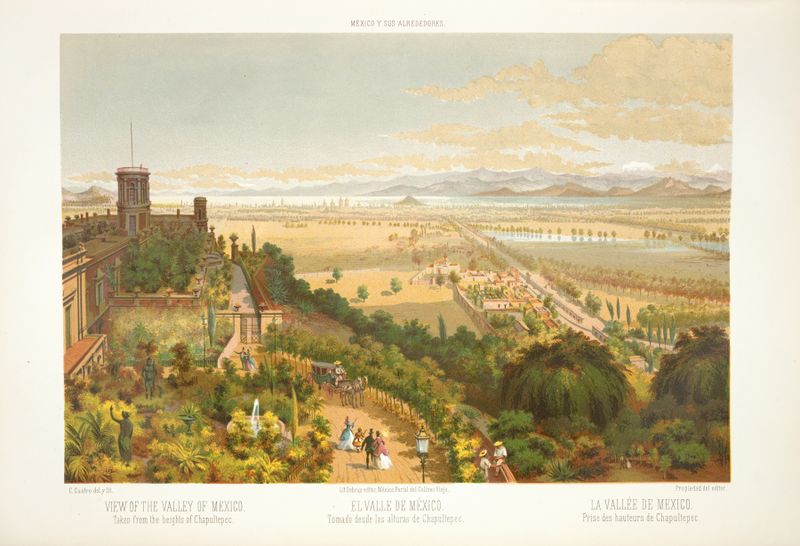
View of the Valley of Mexico, taken from the heights of Chapultepec.
C. Castro
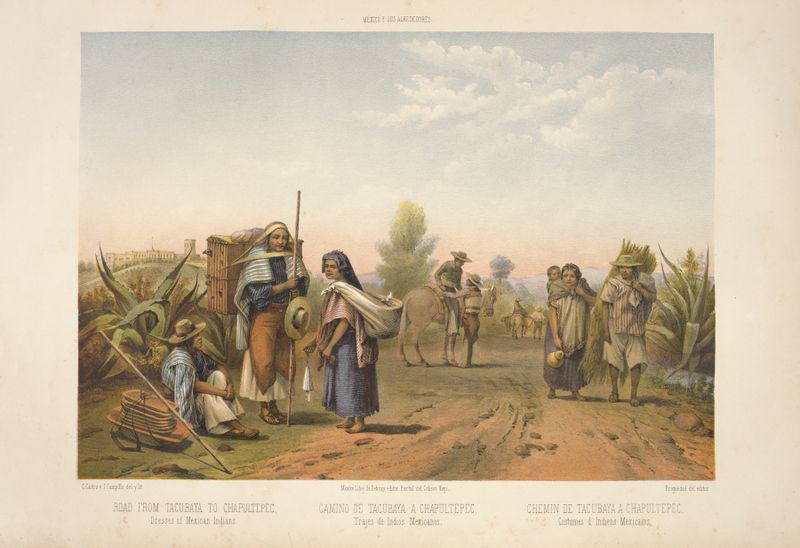
Road from Tacubaya to Chapultepec, dresses of Mexican Indians.
C. Castro
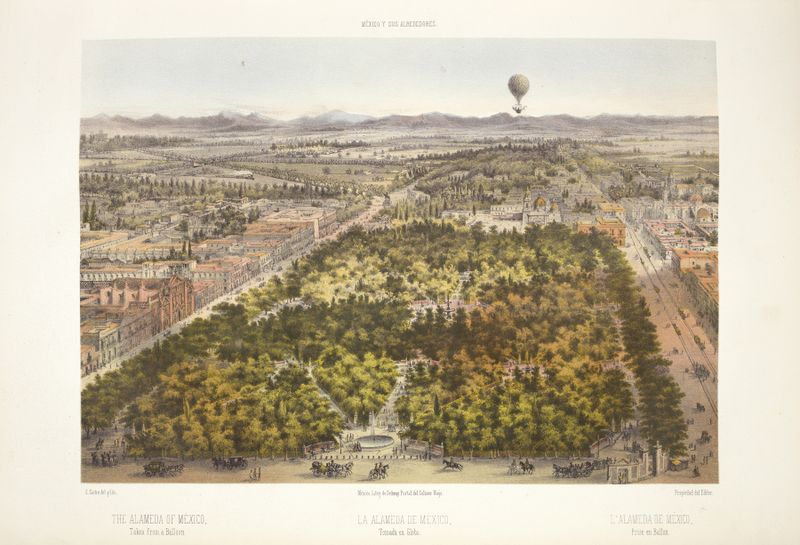
The Alameda of Mexico, taken from a balloon.
C. Castro
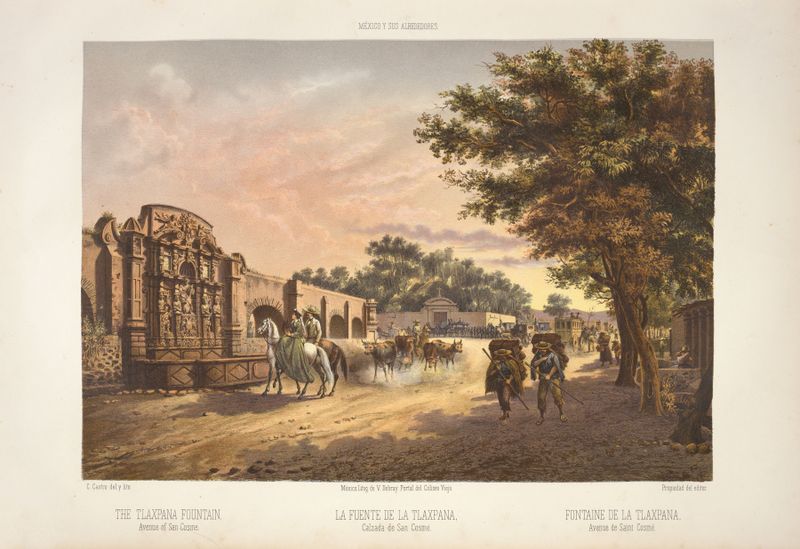
The Tlaxpana fountain, Avenue of San Cosme.
C. Castro
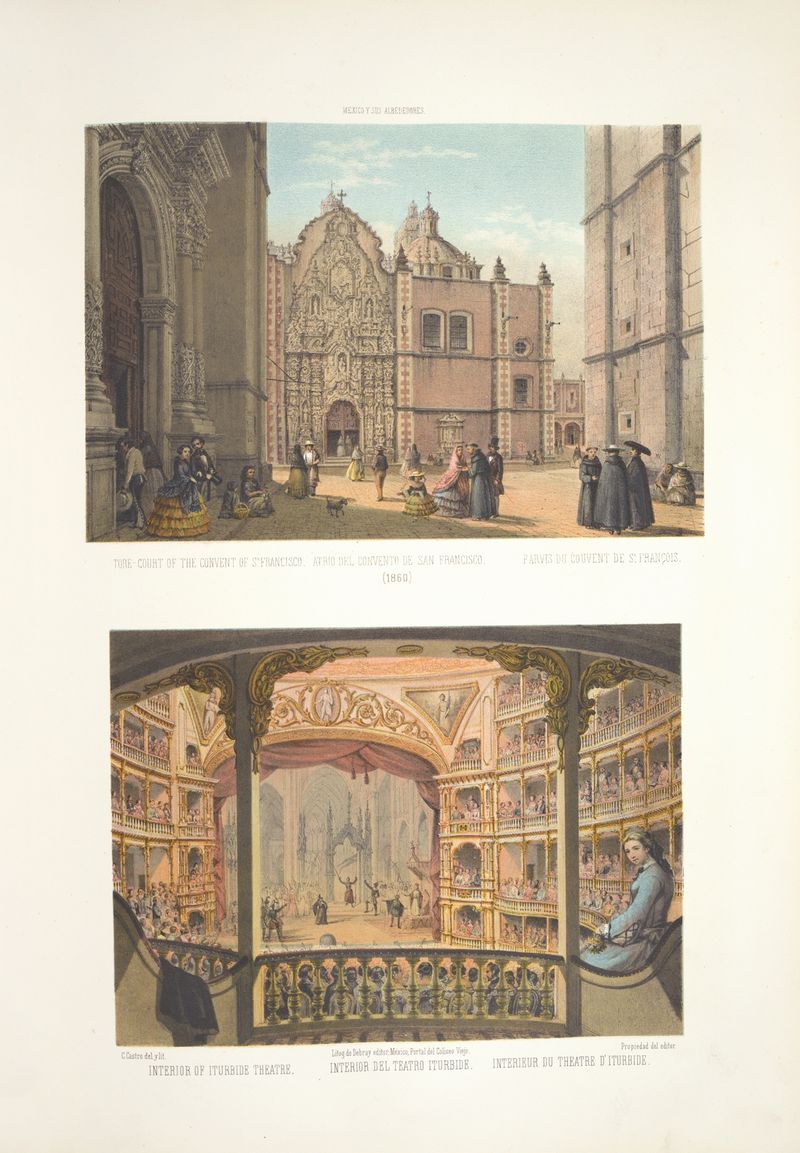
Tore-court of the convent of St. Francisco ; Interior del Teatro Iturbide
C. Castro
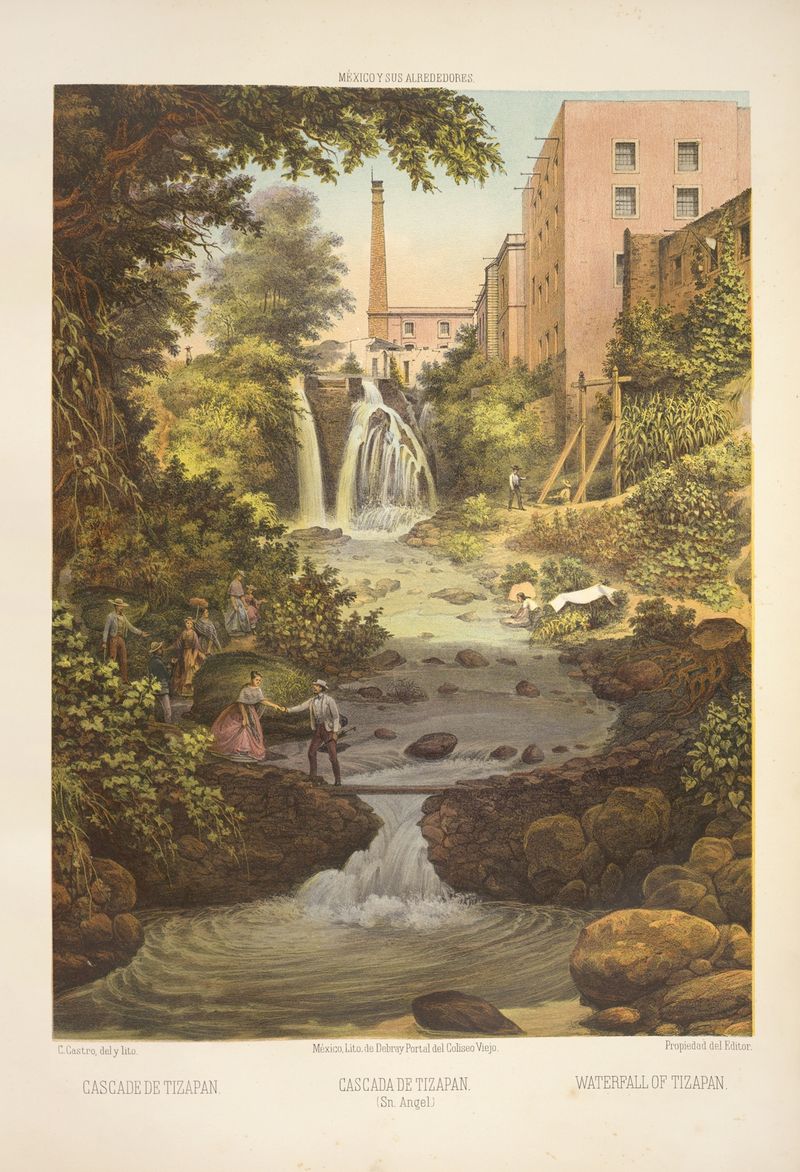
Waterfall of Tizapan
C. Castro
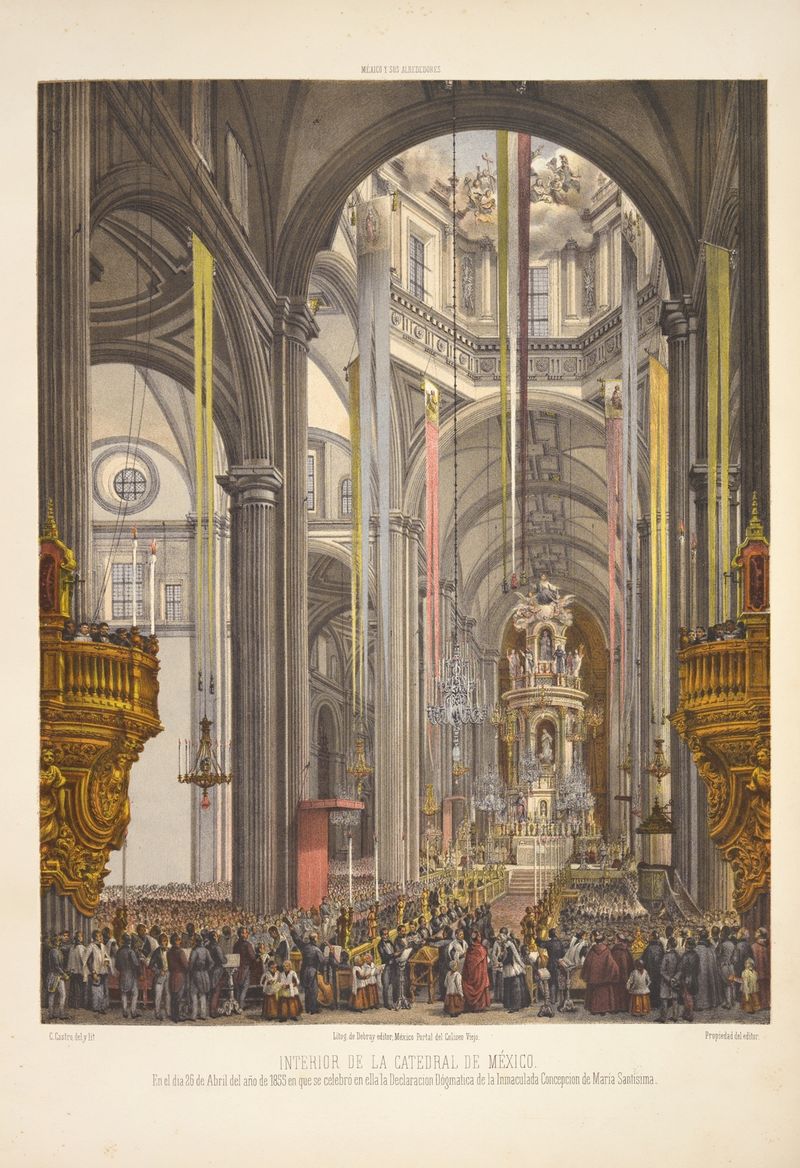
Interior de la Catedral de México. En el dia 26 de Abril del año de 1855 en que se celebró en ella la Declaracion Dógmatica de la Inmaculada Concepcion de María Santisima.
C. Castro
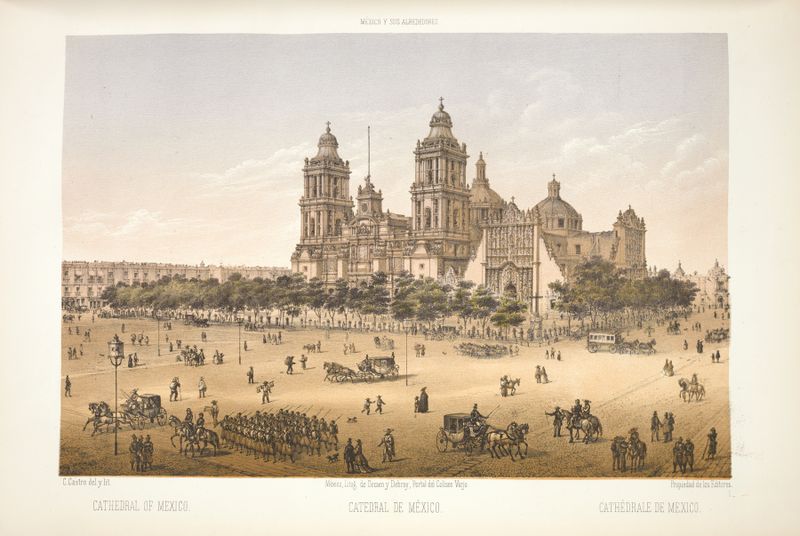
Cathedral of Mexico.
C. Castro
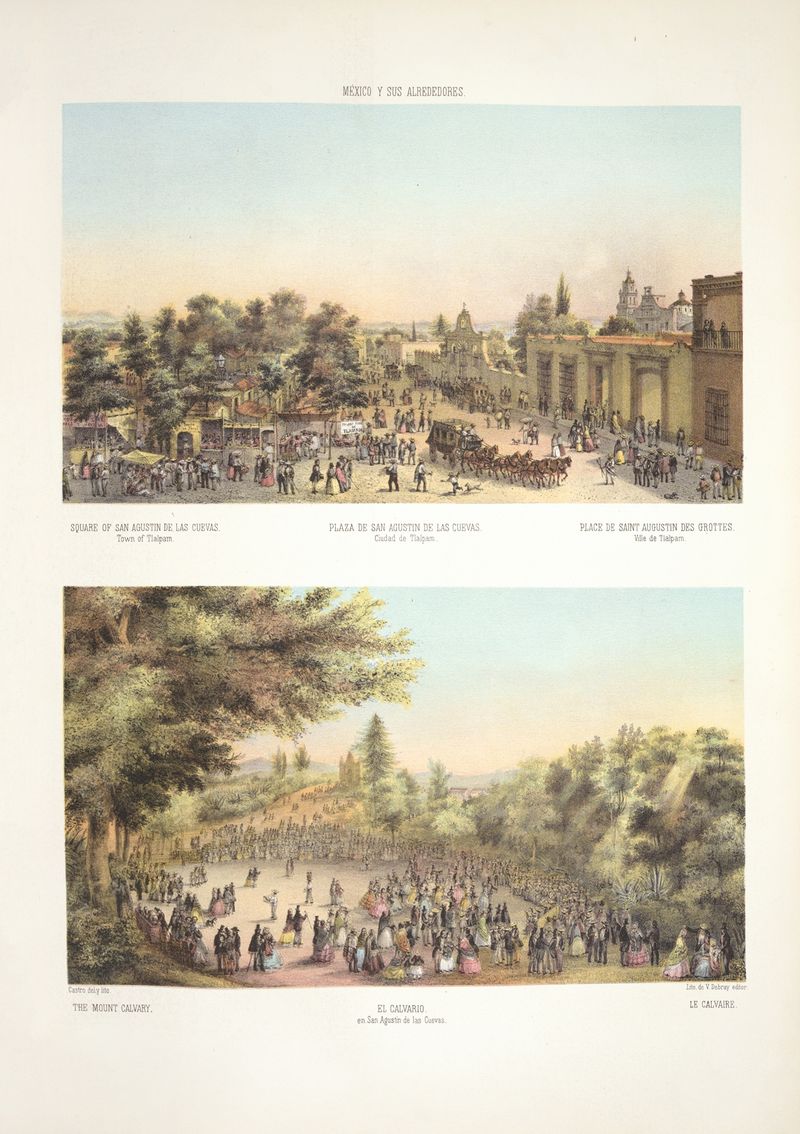
Square of San Agustin de las Cuevas, town of Tlalpam ; The Mount Calvary.
C. Castro





