
The Virgin and Child — History & Facts
No fewer than five versions of the Madonna and Child by Sandro Botticelli survive, each subtly different, each a testament to the subject’s popularity in late 15th-century Florence. This particular The Virgin and Child, painted around 1490, stands out for its tender intimacy and the delicate interplay between mother and son—qualities that made Botticelli’s Madonnas especially sought after by private patrons. The proliferation of these images reflects not just artistic fashion, but the deepening role of personal devotion in Renaissance households.
Botticelli’s workshop, bustling with commissions, often revisited the theme, sometimes with the help of assistants, but always with the master’s distinctive grace. Here, the Virgin Mary cradles the Christ Child against a gentle, almost dreamlike backdrop. Botticelli captures a moment of quiet exchange: the Child reaches up, perhaps for comfort or blessing, while Mary’s gaze rests on him with a mix of sorrow and love, foreshadowing his fate. The delicate gold filigree on her robe, the translucent veil, and the soft, luminous skin tones all point to Botticelli’s skill in rendering both the spiritual and the human.
The composition’s circular rhythm draws the eye back and forth between mother and child, a visual echo of their bond. Compared to the more sculptural Madonnas of Leonardo da Vinci, Botticelli’s figures seem lighter, almost floating, their outlines softened by the artist’s characteristic line. Little is known about the original patron or the early history of this specific painting, a common situation for devotional works intended for private Florentine homes rather than public altarpieces. Its medium is uncertain, as records do not specify whether it is tempera or oil, though Botticelli was known for his mastery of tempera on panel.
Over the centuries, the painting has passed quietly through collections, sometimes misattributed or overshadowed by larger, more dramatic Botticelli works. Today, The Virgin and Child is recognized as a quintessential example of the artist’s late style, where the elegance of line and gentle emotion reveal both the painter’s hand and the devotional spirit of his age.
More Artworks by Sandro Botticelli
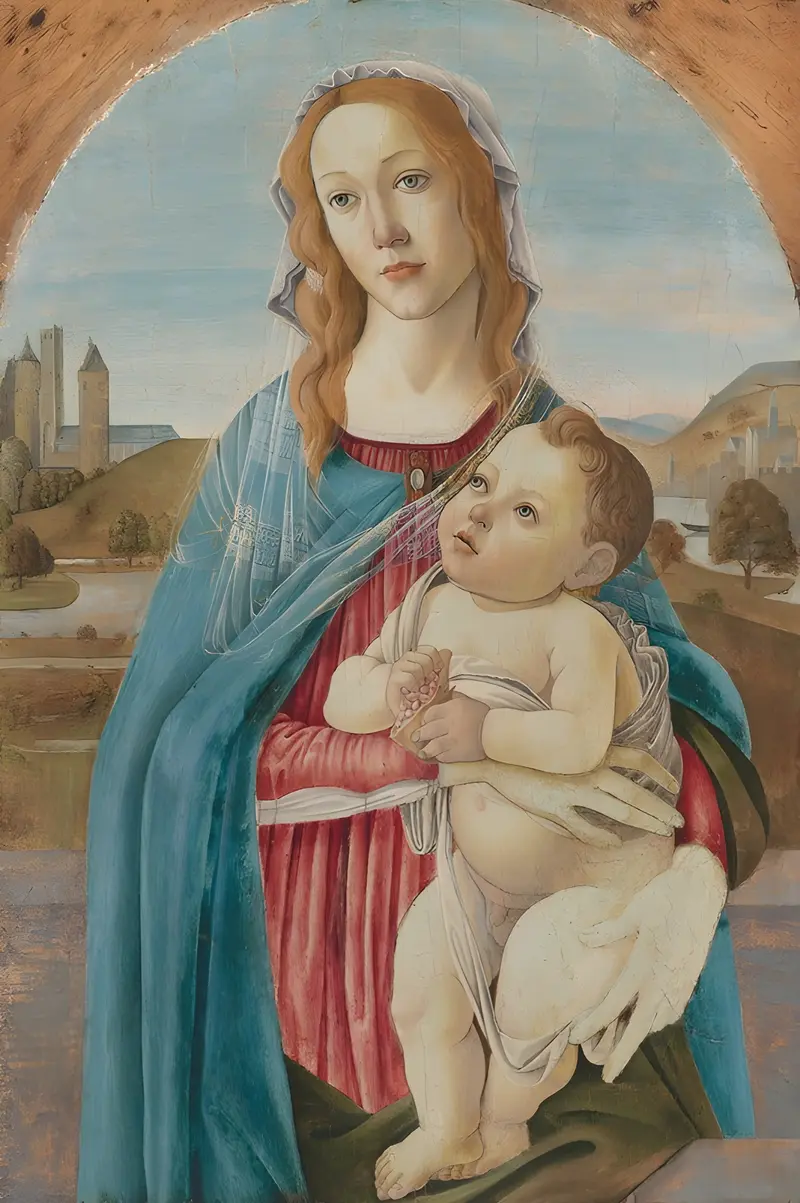
Virgin and Child
Sandro Botticelli
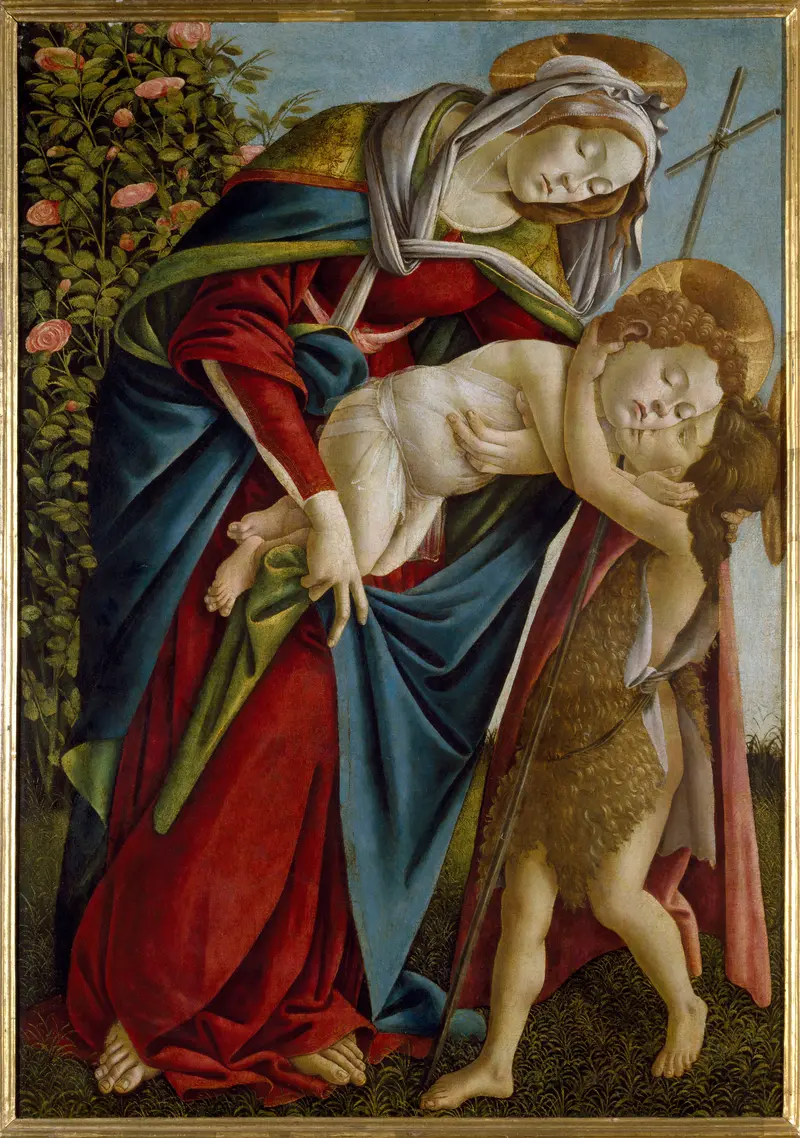
Madonna and Child and the Young St John the Baptist
Sandro Botticelli
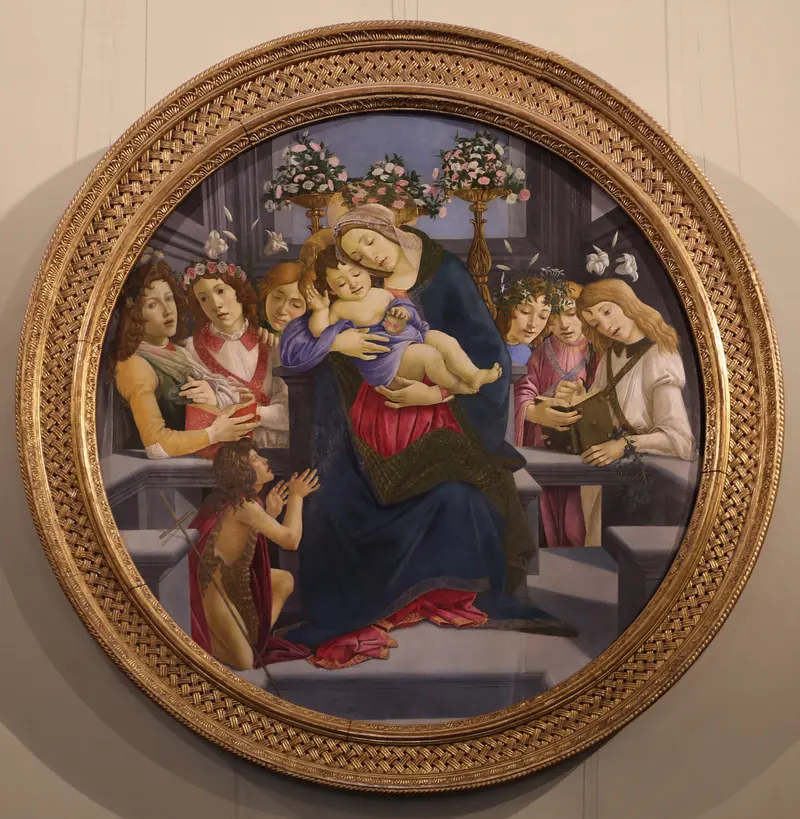
Madonna and Child with six angels and Saint John the Baptist as Child
Sandro Botticelli
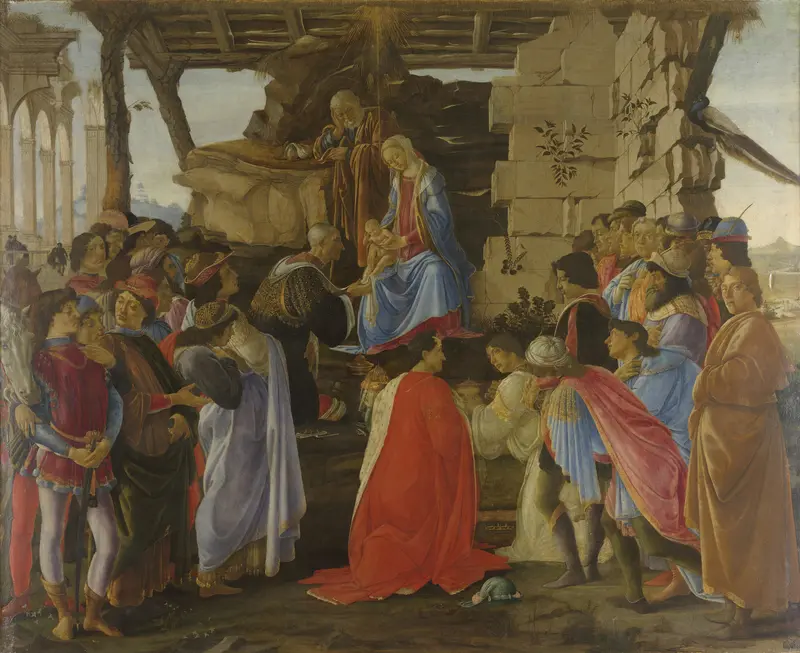
Adoration of the Magi
Sandro Botticelli

Virgin and Child with the Young Saint John the Baptist
Sandro Botticelli
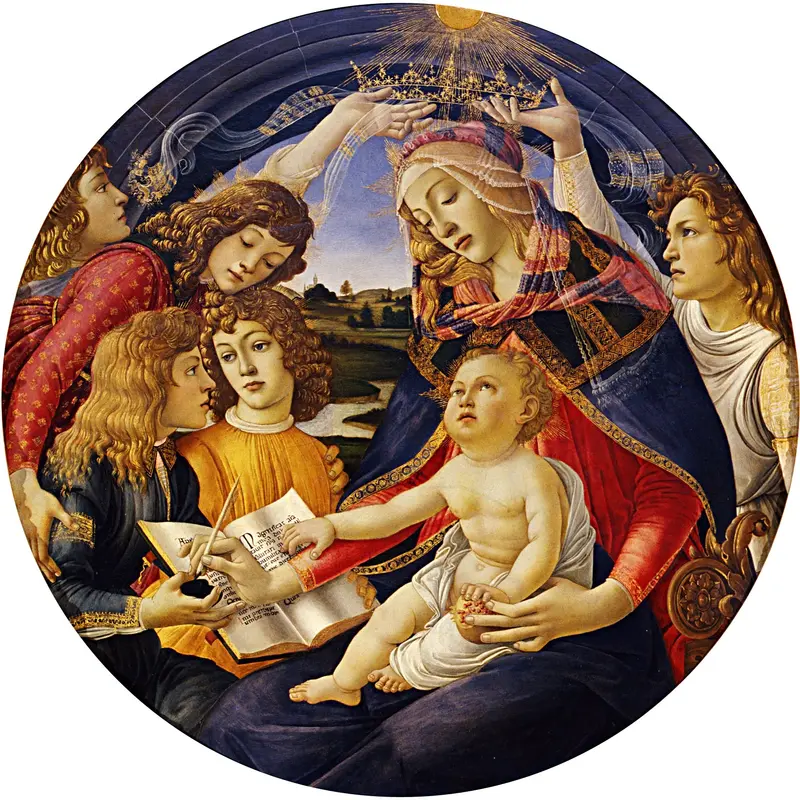
Madonna of the Magnificat
Sandro Botticelli
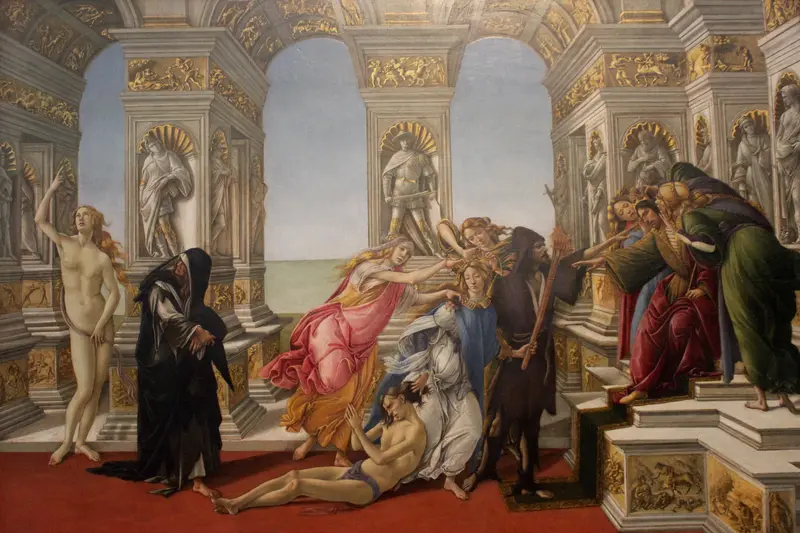
Calumny of Apelles
Sandro Botticelli
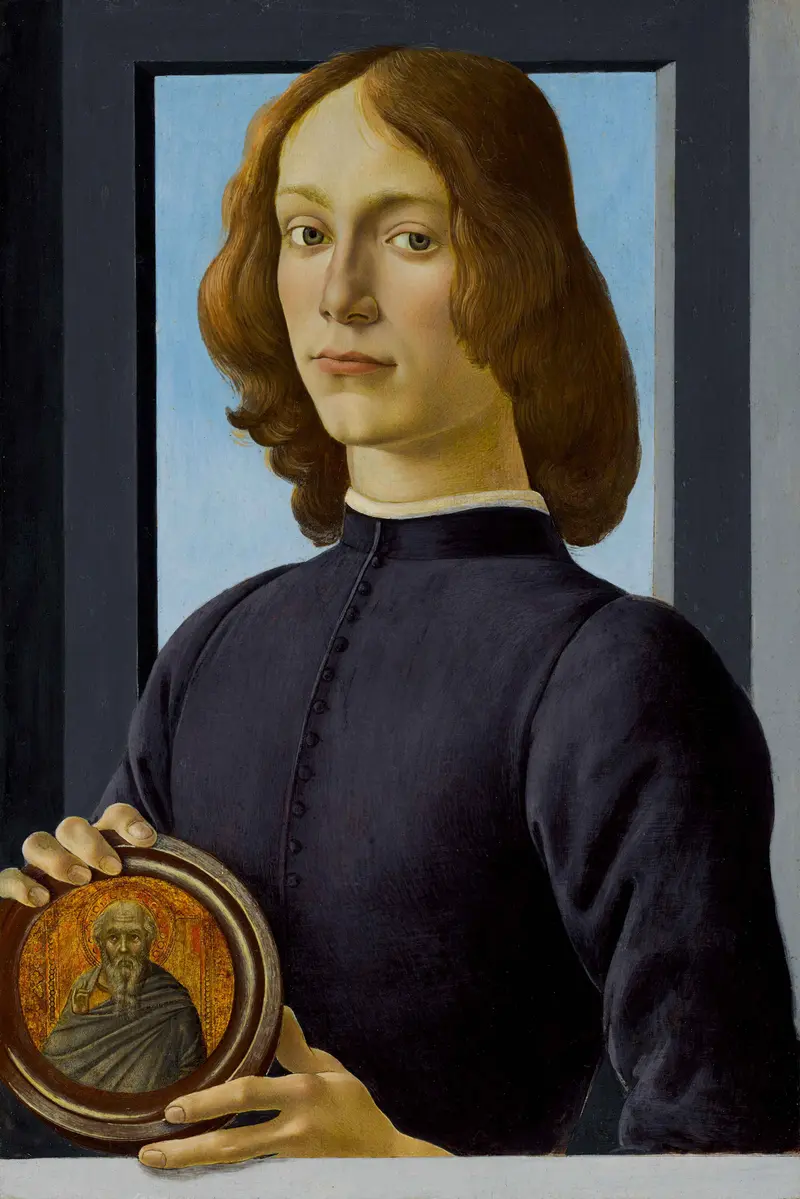
Portrait of a young man holding a roundel
Sandro Botticelli

The Trinity with Saint Mary Magdalene and Saint John the Baptist, the Archangel Raphael and Tobias
Sandro Botticelli
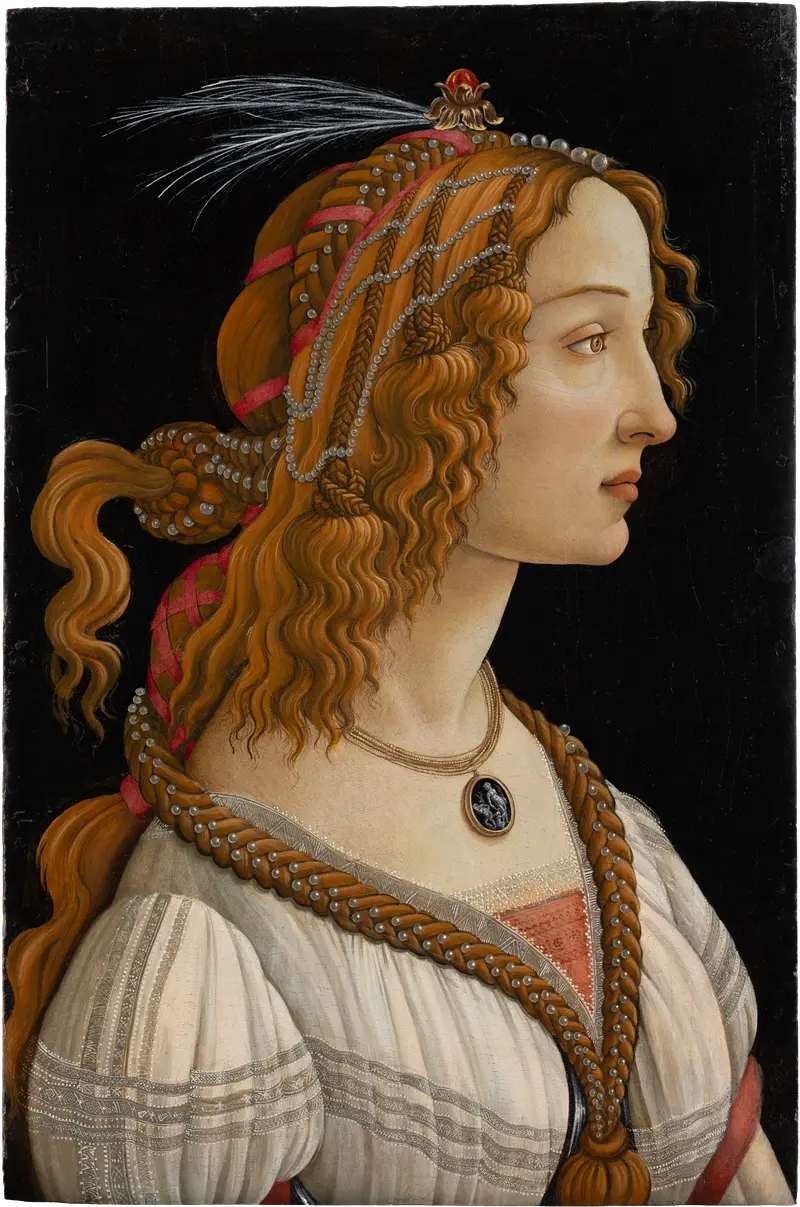
Idealized Portrait of a Lady (Portrait of Simonetta Vespucci as Nymph)
Sandro Botticelli





