
The Vision of Ezekiel — History & Facts
In the mid-15th century, a small yet radiant panel known as The Vision of Ezekiel emerged from the workshop of Fra Angelico, a Dominican friar celebrated for his luminous approach to sacred art. What makes this work particularly intriguing is that its subject—the prophet Ezekiel’s vision of the four living creatures—was rarely chosen by Italian painters of the Quattrocento. The painting’s compact size suggests it was likely intended for private devotion, perhaps commissioned by a wealthy patron seeking a window into the mysteries of scripture.
Its survival, in such fine condition, offers a rare glimpse into the devotional practices and artistic innovations of Florence around 1450. The scene captures the moment described in the Book of Ezekiel, when the prophet beholds a chariot borne aloft by four hybrid beings: a man, a lion, an ox, and an eagle, each symbolizing an Evangelist. At the heart of the composition, Ezekiel kneels in awe, his hand raised in astonishment, as the radiant chariot—surrounded by a mandorla of light—descends from the heavens. The gold leaf, still gleaming after centuries, marks the divine presence, while the careful arrangement of the creatures around the chariot echoes the symmetry and order of the celestial vision.
Unlike Raphael’s later, grander Vision of Ezekiel, Fra Angelico’s version is intimate, focusing on the prophet’s solitary wonder and the shimmering, almost jewel-like details that invite quiet contemplation. The exact early history of The Vision of Ezekiel remains uncertain, as records of its original patron and location have not survived. What is clear is that the painting reflects Fra Angelico’s mature style, blending delicate color with precise, almost miniature-like brushwork. Over the centuries, the panel passed through various hands, at times attributed to other artists from the Early Renaissance before consensus settled on Fra Angelico.
Today, it resides in the Museo del Prado, where it stands as a testament to the artist’s ability to translate mystical scripture into a vision both accessible and wondrous for the faithful and the curious alike.
More Artworks by Fra Angelico

Condemnation of St Lawrence by the Emperor Valerian
Fra Angelico
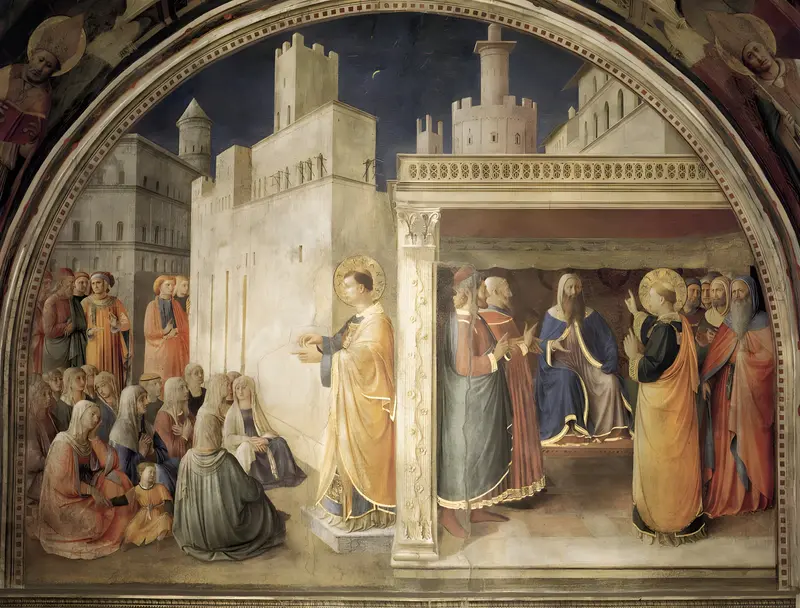
Lunette of the north wall
Fra Angelico
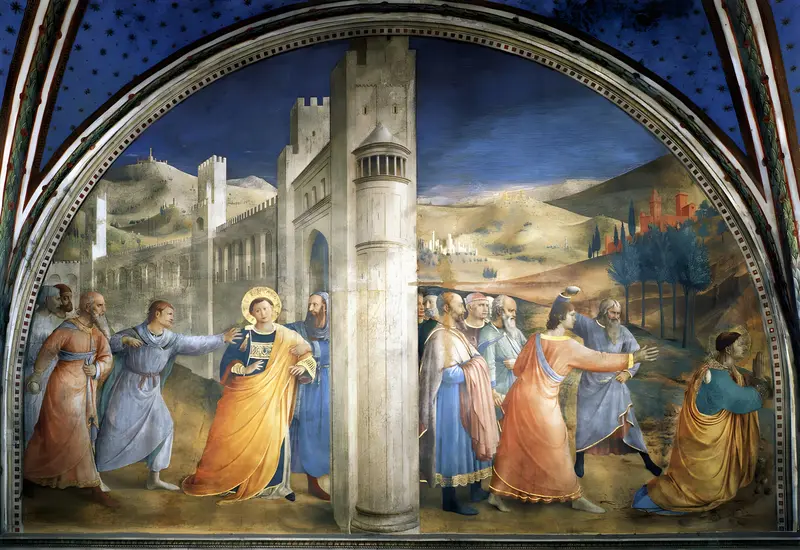
Lunette of the east wall in Niccoline Chapel
Fra Angelico
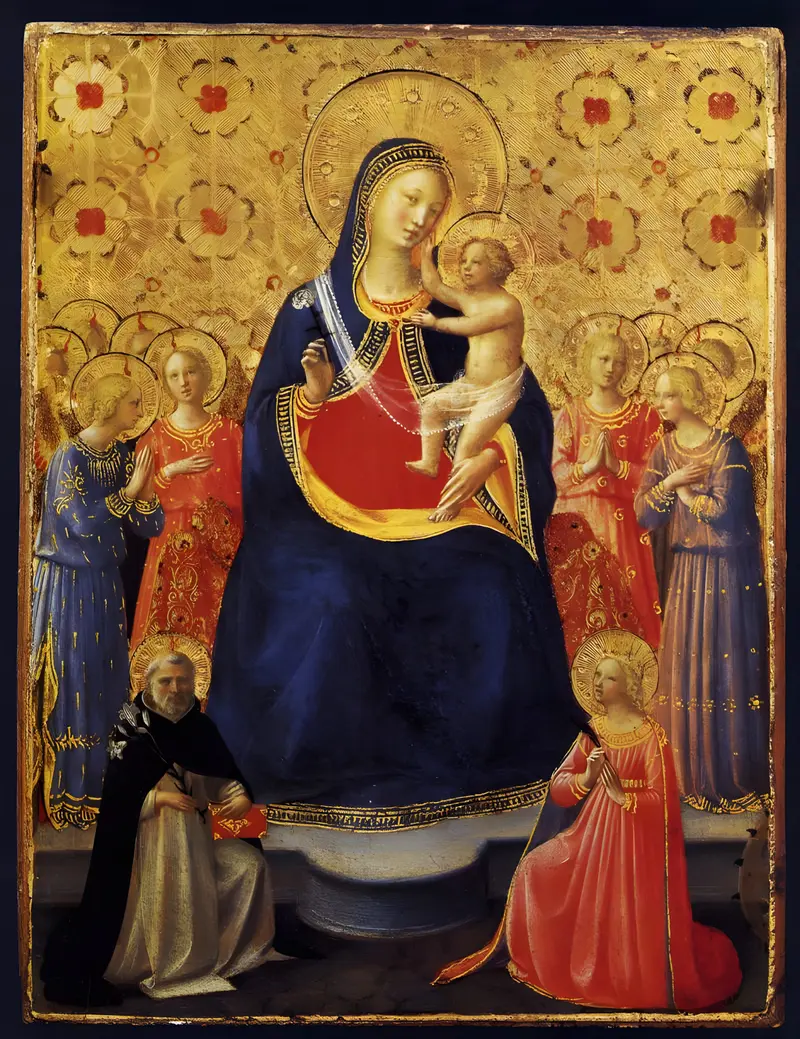
Madonna and Child Enthroned with Nine Angels and Saints Dominic and Catherine of Alexandria
Fra Angelico
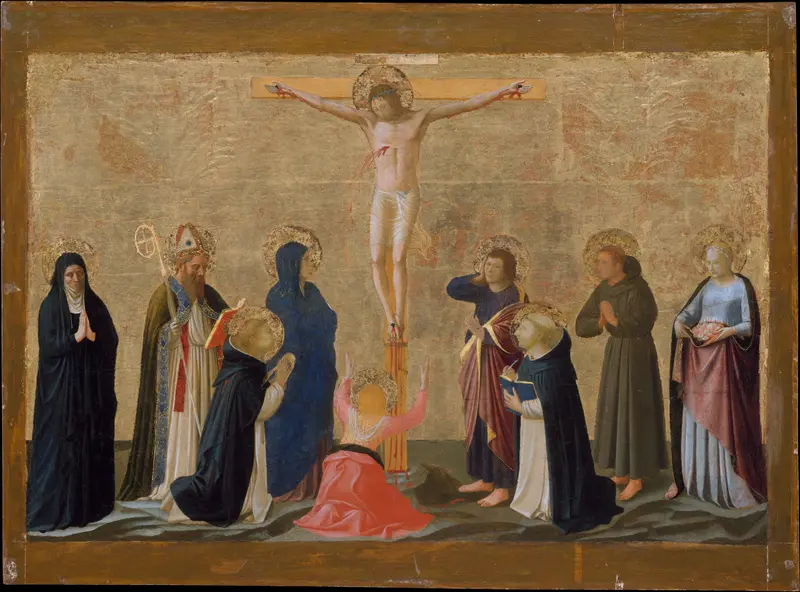
The Crucifixion
Fra Angelico
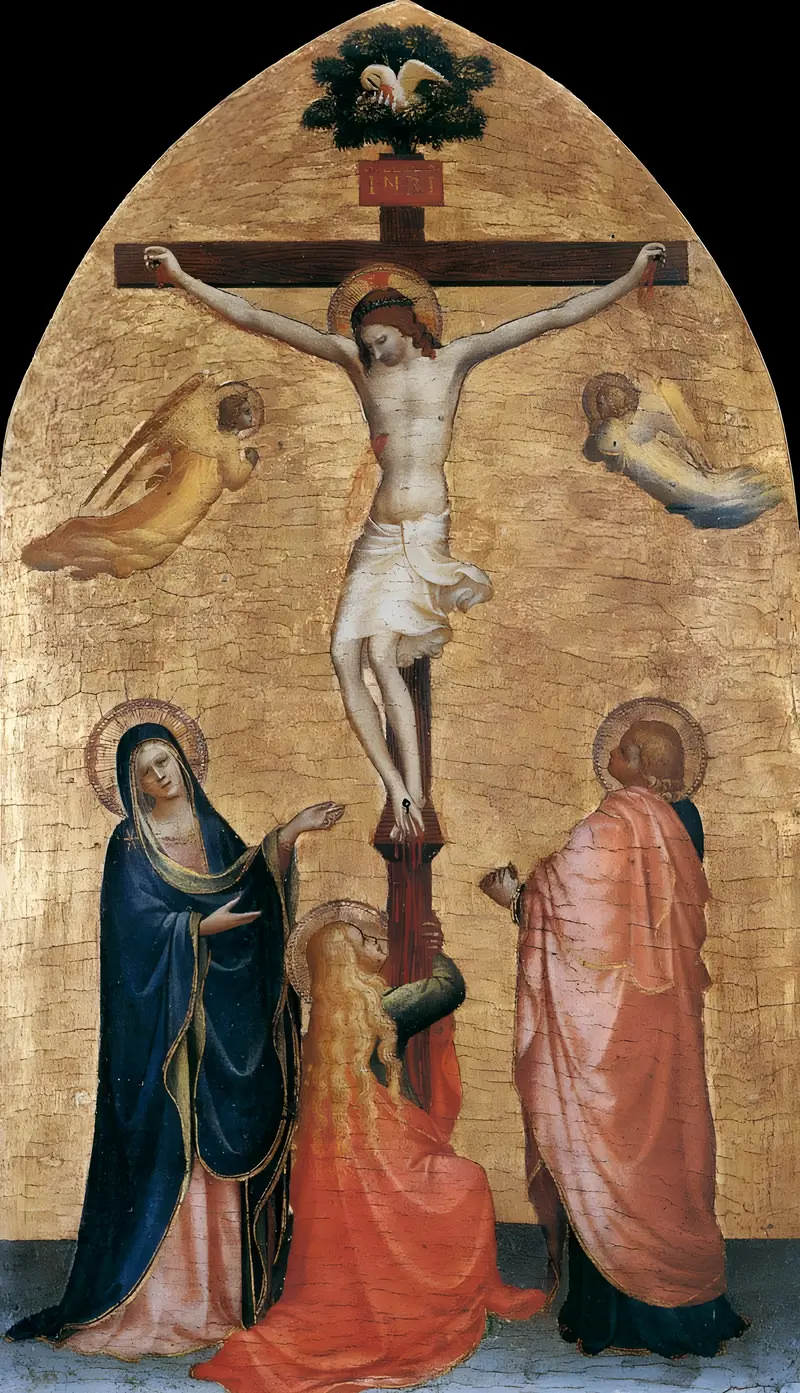
Crucifixion with the Virgin, John the Evangelist, and Mary Magdelene
Fra Angelico
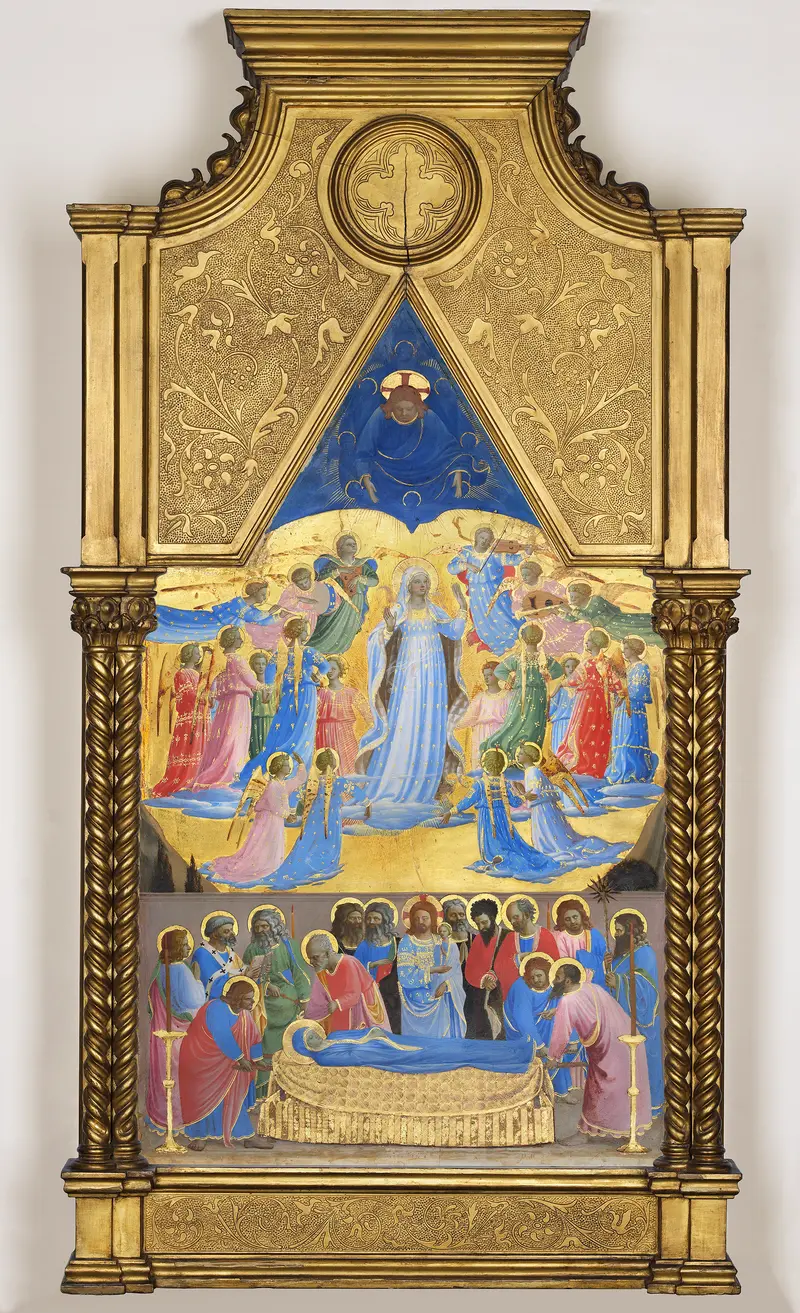
Dormition and Assumption of the Virgin
Fra Angelico
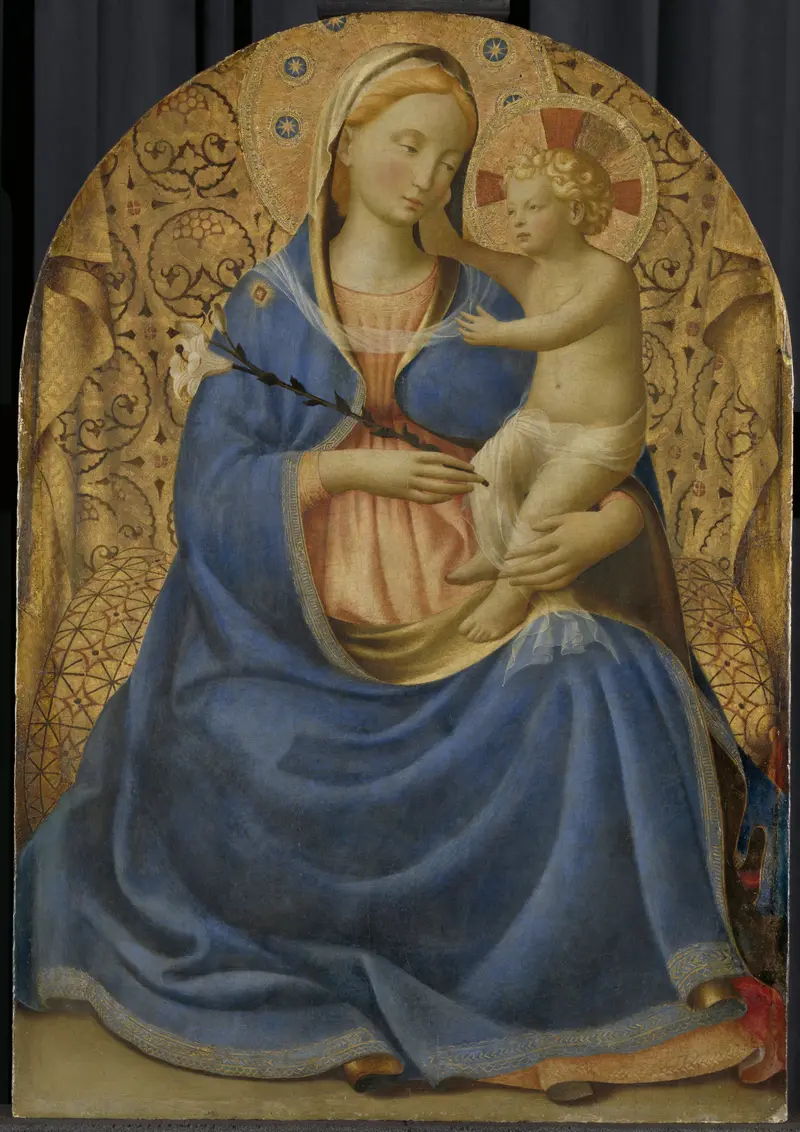
Madonna of Humility
Fra Angelico
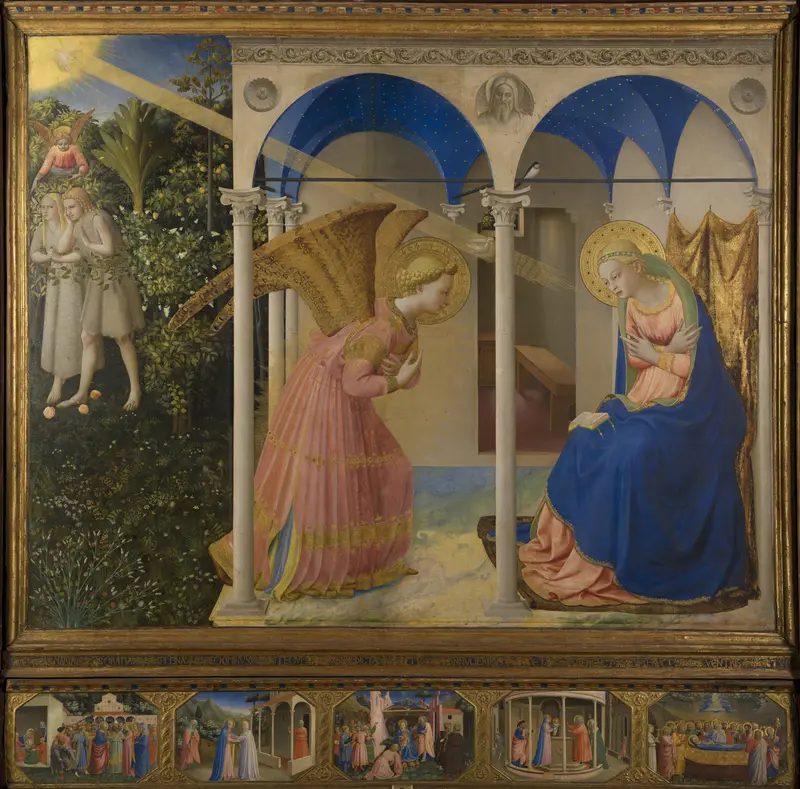
The Annunciation
Fra Angelico

Saint Anthony Abbot
Fra Angelico





