
The Wagon — History & Facts
The unspoken moments captured in art often reveal the deepest yearnings of the heart, like the longing for connection found in the quiet spaces of our lives. Focus your gaze on the central wagon, a sturdy yet worn vessel that bears the weight of untold stories. The artist employs soft, earthy tones that evoke a sense of nostalgia, drawing the eye to the light that gently caresses its contours. Notice the delicate play of shadow and light that reveals the texture of the wood, hinting at both the passage of time and the lives it has touched.
The background is intentionally understated, allowing the viewer to project their own memories onto the scene. Within this composition, the wagon symbolizes more than mere transport; it resonates with themes of hope and the unresolved ache of journeys unfulfilled. Observe the emptiness surrounding it, creating a tension between the object and the void, suggesting longing for what has been lost or what could have been. Each detail—the weathered wheel, the quiet earth beneath—invites contemplation of the past, echoing the unexpressed desires that linger in the silence. Peter DeWint created this work during a period when he was exploring rural life in the early 19th century, a time rife with change in England.
With the rise of industrialization, he sought to capture the beauty of simpler, pastoral scenes, often reflecting on the precarious balance between nature and human endeavor. His focus on landscapes and rustic subjects was a deliberate choice, aiming to evoke a sense of place and emotion in an era marked by rapid transformation.
More Artworks by Peter DeWint
Browse all →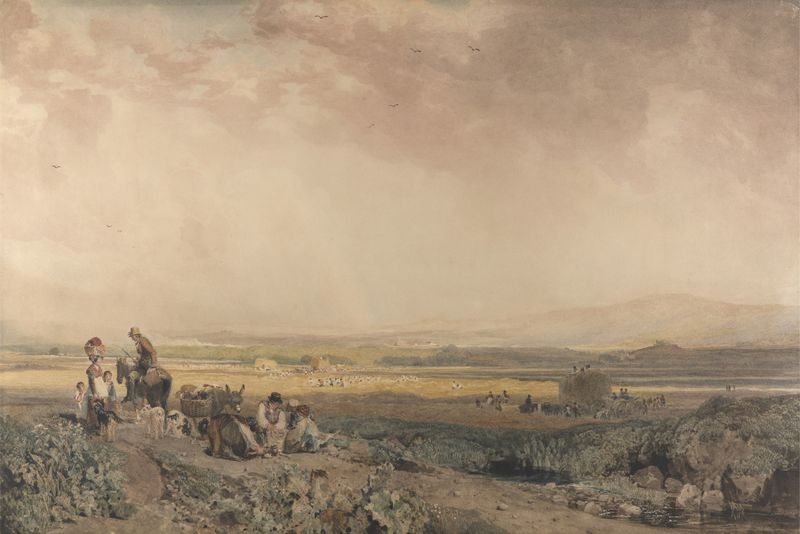
Harvesters in Landscape in Sussex
Peter DeWint

Barden Tower, Yorkshire
Peter DeWint
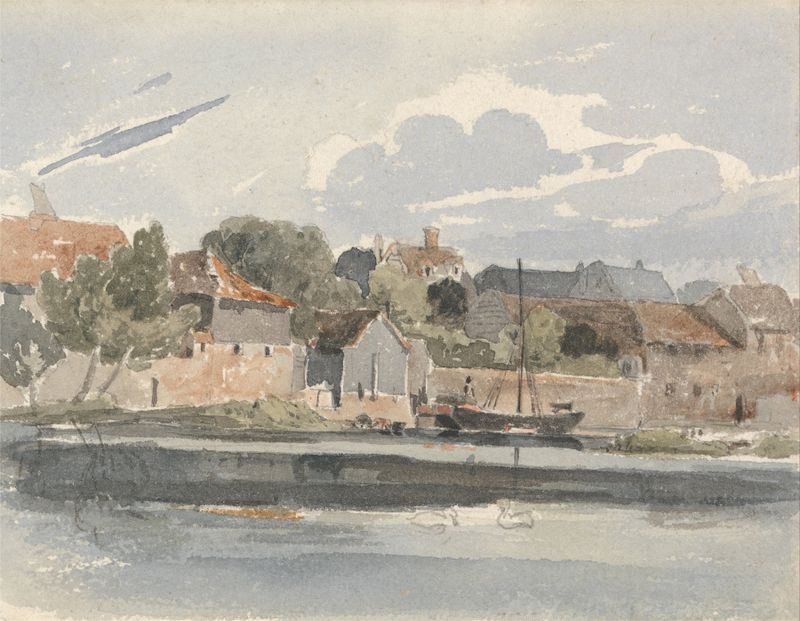
View of the Thames at Kingston
Peter DeWint

Windsor Castle
Peter DeWint

Harvest Time.
Peter DeWint
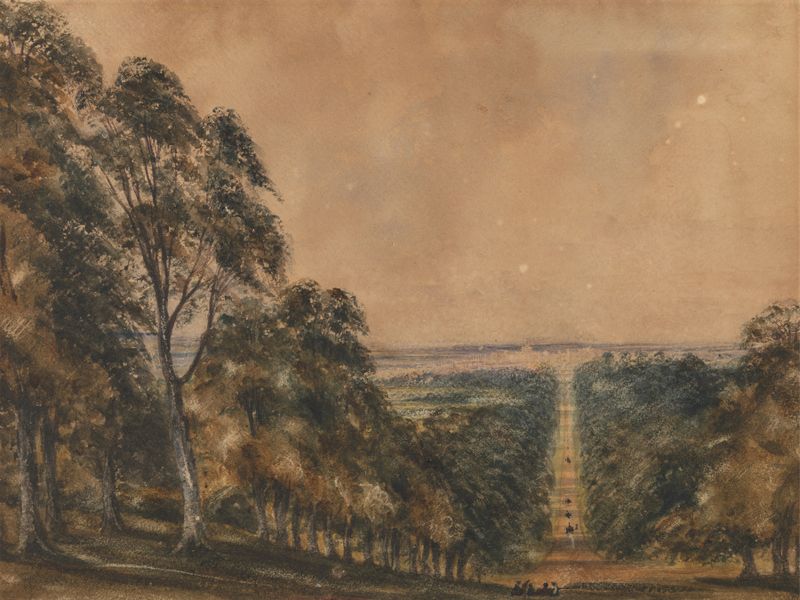
The Long Walk, Windsor.
Peter DeWint
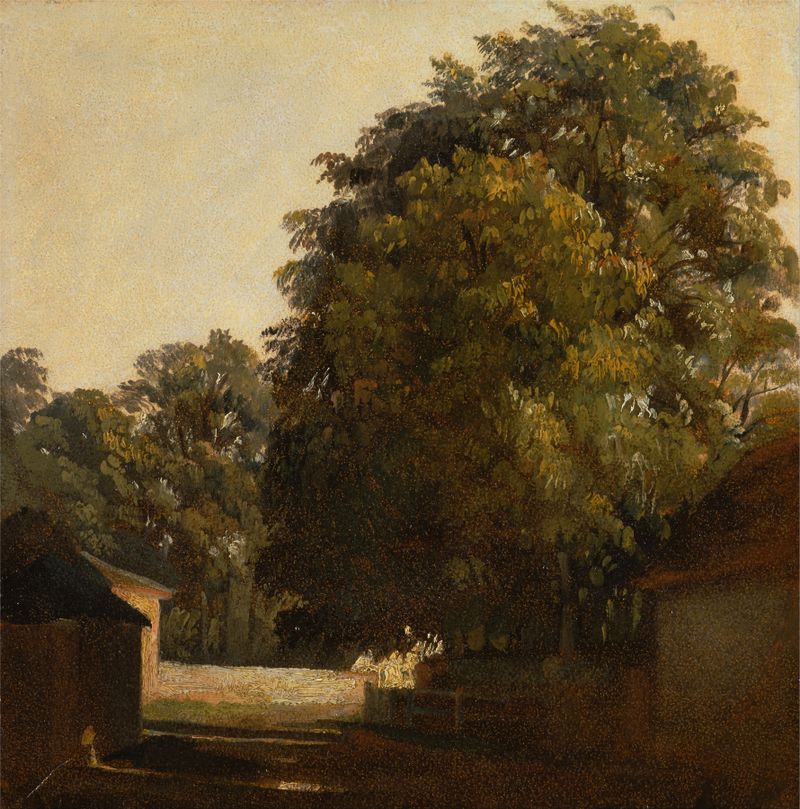
Landscape with Chestnut Tree
Peter DeWint
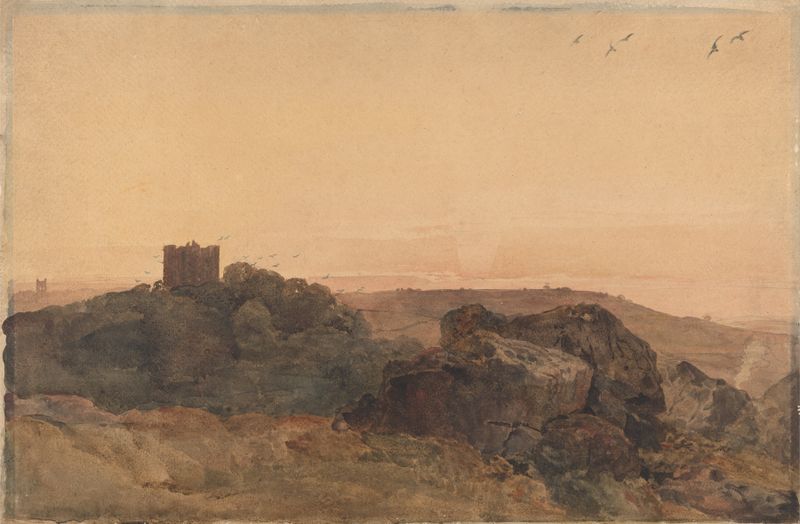
Bolton Castle
Peter DeWint
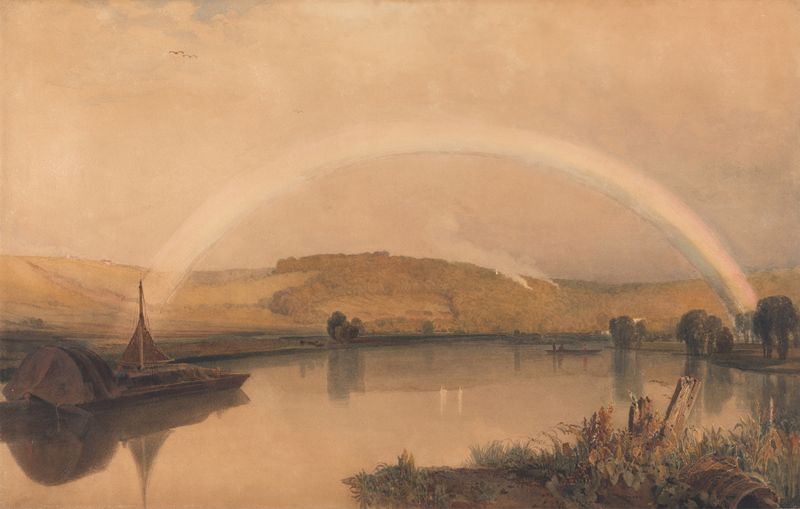
On the Thames
Peter DeWint
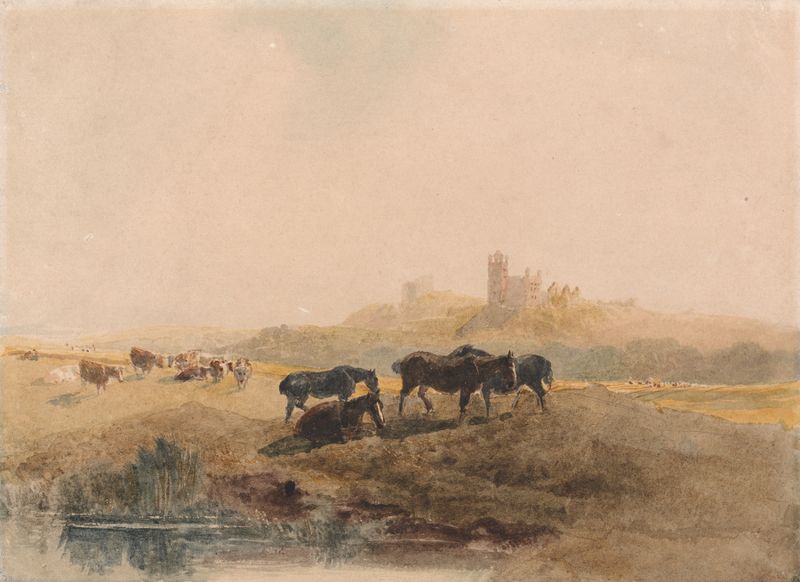
Horses Resting in a Meadow near Bolsover Castle
Peter DeWint





