
The Waterfalls of Tivoli with figures in the foreground — History & Facts
Where does light end, and longing begin? In the depths of The Waterfalls of Tivoli, the ethereal interplay of sunlight and shadow invites us into a realm where nature's beauty transcends the ordinary, whispering secrets of divinity. Look to the center of the canvas, where cascading water meets the rocky terrain. The crystalline flow of the waterfall draws the eye, shimmering with soft whites and blues, while figures in the foreground pulse with life, their forms beautifully rendered to contrast the grandeur of nature. Notice how Labruzzi employs a rich palette of greens and earthy tones, creating a vibrant harmony that enhances the scene’s organic tranquility.
The careful composition guides our gaze through the landscape, inviting contemplation of both human presence and the untamed wilderness surrounding it. Hidden within the delicate brushstrokes lie emotional tensions that evoke both serenity and yearning. The figures, seemingly dwarfed by the towering waterfalls, symbolize humanity’s insignificance in the face of nature's magnificence. Their gestures—some reaching out toward the cascading water, others pausing in reverie—reflect a deep longing for connection with the divine.
The interplay of light and shadow not only illuminates the physical landscape but also hints at the spiritual journey of those who seek solace in its beauty. Labruzzi painted this work during a time of burgeoning interest in the natural landscapes of Italy, likely around the late 18th century, when the neoclassical movement was at its height. Residing in Rome, he captured the romantic allure of Tivoli, a site revered for its stunning vistas. At this juncture, the world of art was transitioning, embracing themes of nature and emotion, which resonates powerfully in his portrayal of this idyllic scene.
More Artworks by Carlo Labruzzi
Browse all →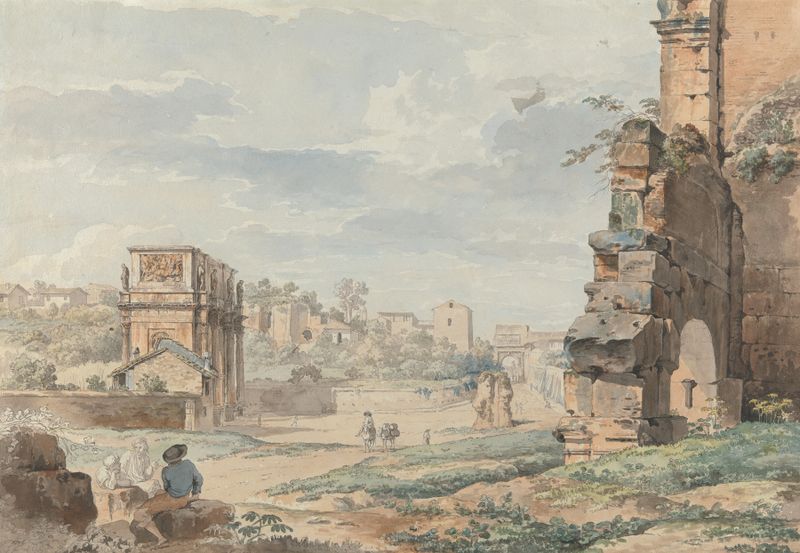
Part of the Colosseum with the Arch of Constantine and Arch of Titus in the Distance, Rome
Carlo Labruzzi
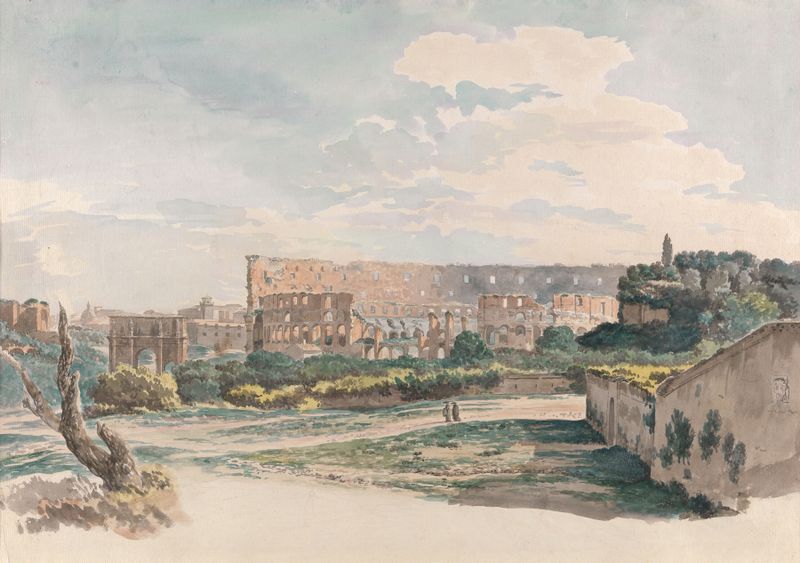
The Colosseum from the Caelian Mount, with the Arch of Constantine and a View of the Forum, Rome.
Carlo Labruzzi
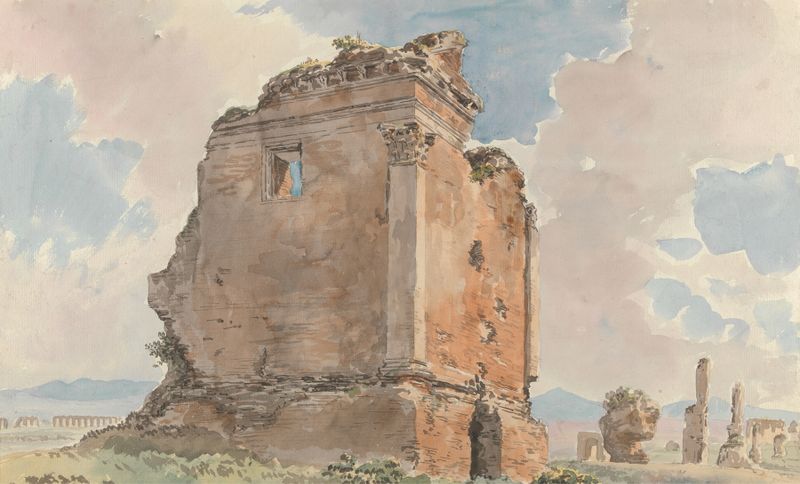
Sepulchre on the Via Nomentana in the Roman Campagna
Carlo Labruzzi
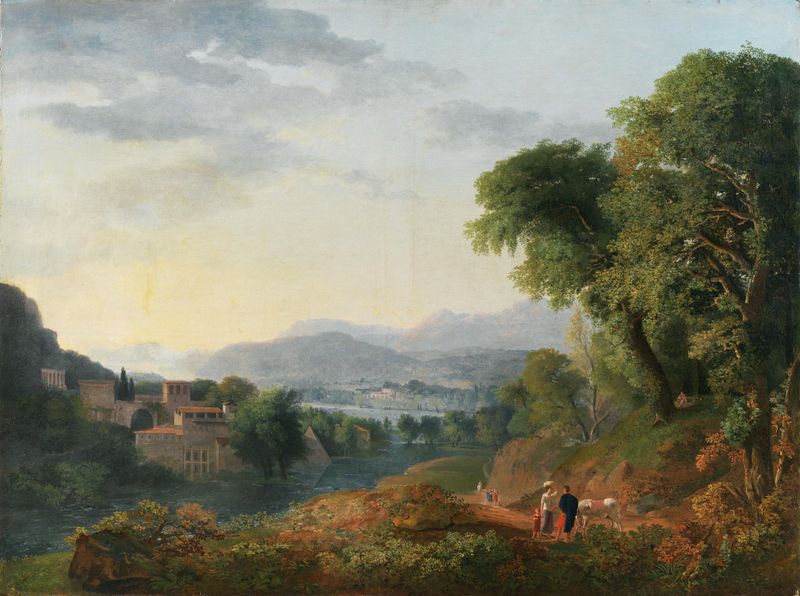
An Italianate landscape
Carlo Labruzzi
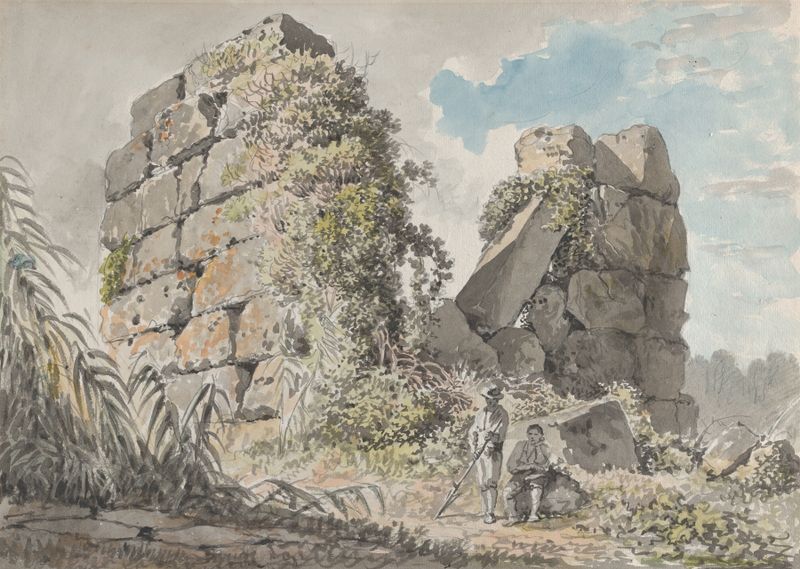
Ruins on the Right of the Via Appia
Carlo Labruzzi
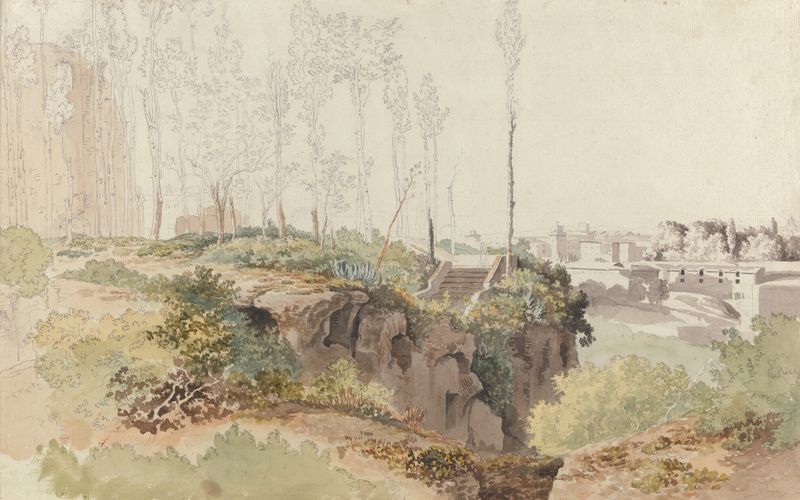
The Baths of Caracalla, Rome
Carlo Labruzzi
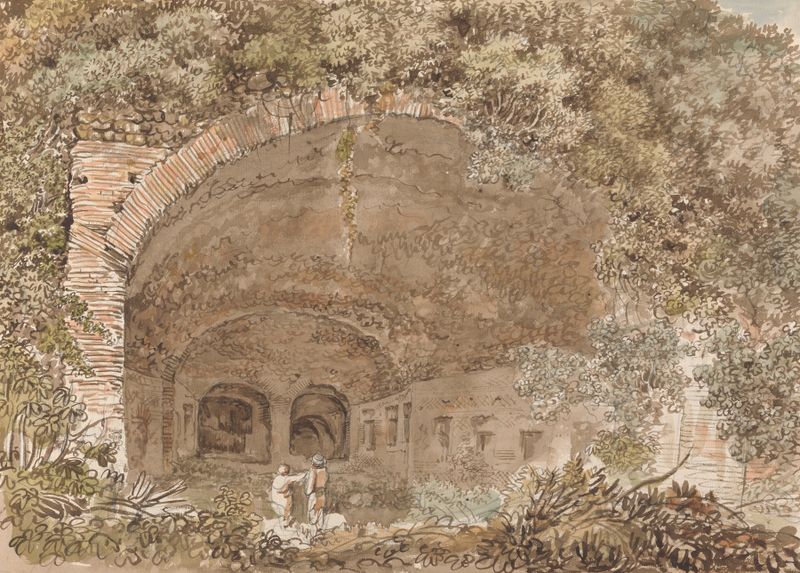
On the Appian Way
Carlo Labruzzi
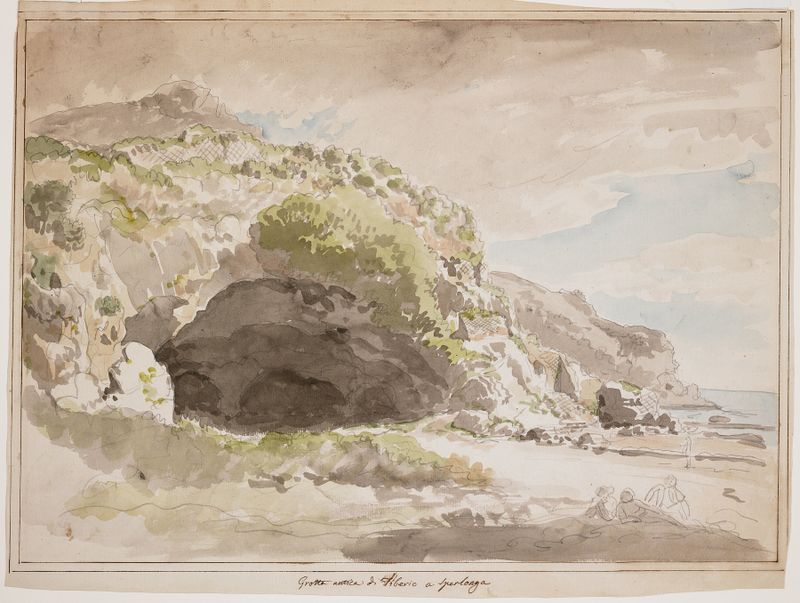
Grotto of Tiberius at Sperlonga
Carlo Labruzzi
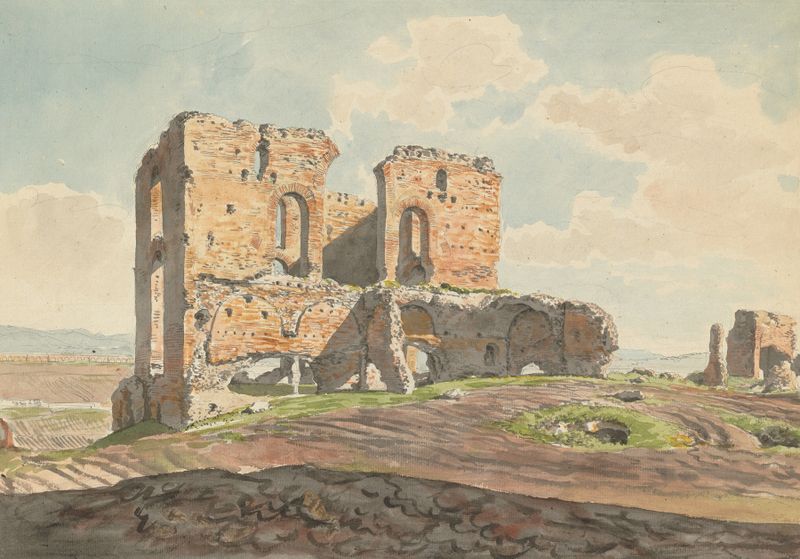
The Great Villa of the Quintilii on the Appian Way
Carlo Labruzzi
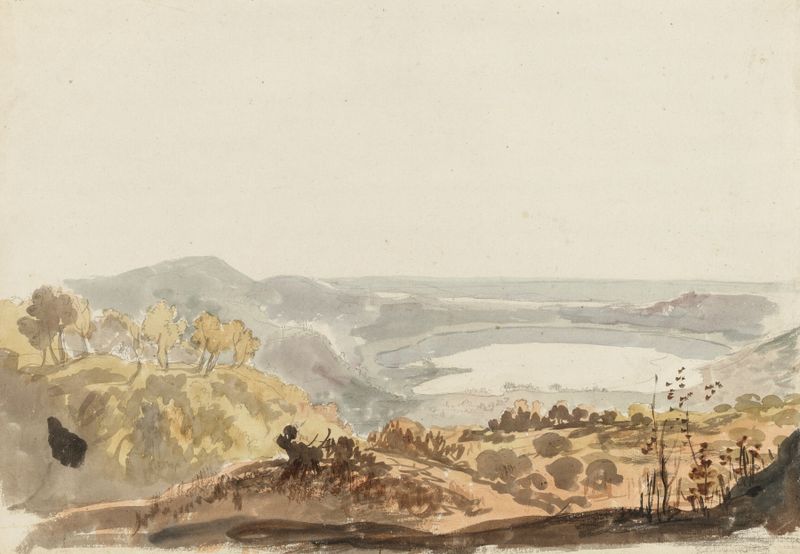
View of Lake Nemi looking towards Rome
Carlo Labruzzi





