
The Watermill — History & Facts
Each stroke of paint transforms the untamed elements of nature into a serene harmony, inviting us into a divine moment of tranquility. Look to the left at the gentle flow of the stream, where the watermill stands as a testament to mankind's delicate relationship with the natural world. Notice how the dappled sunlight dances upon the surface, illuminating the vibrant greens and warm earth tones that envelop the scene. The sunlight breaks through the canopy, casting a golden hue that accentuates the intricate details of the foliage and the texture of the wooden structure. The juxtaposition of industry and nature reveals profound contrasts—the sturdy watermill juxtaposed against the fluidity of the stream represents human ingenuity set against the backdrop of divine creation.
The stillness of the water echoes a moment of reflection, embodying the peaceful coexistence of these elements. Each brushstroke weaves a narrative of harmony and conflict, suggesting that divinity lies in the balance between artifice and the wild beauty of the earth. In 1849, Cropsey was deeply engaged with the Hudson River School movement, celebrating the American landscape. While he painted The Watermill, he was exploring themes of nature and spirituality, influenced by Romantic ideals that sought to find the sublime in the natural world.
His work during this period reflected an emerging sense of nationalism as America’s identity was being shaped, with the wilderness serving both as a symbol of beauty and a source of inspiration.
More Artworks by Jasper Francis Cropsey
Browse all →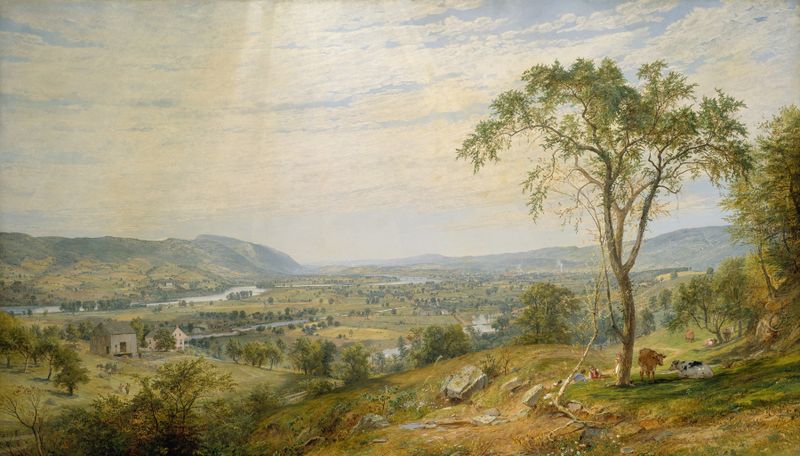
The Valley of Wyoming
Jasper Francis Cropsey
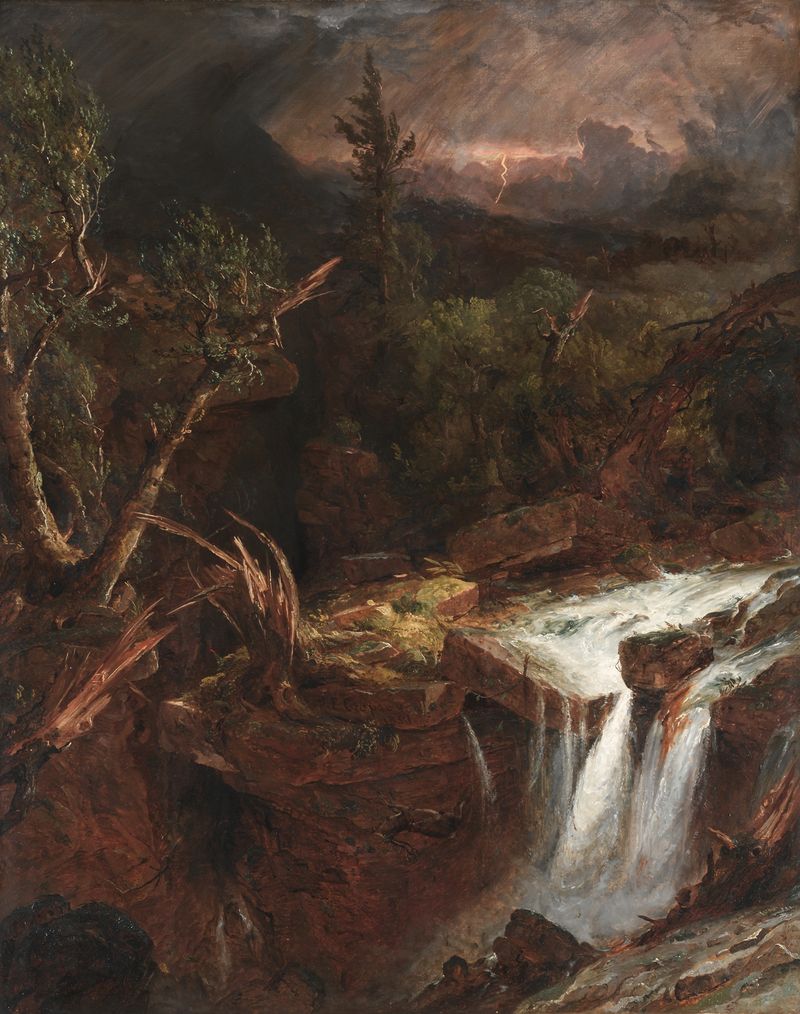
The Clove – A Storm Scene in the Catskill Mountains
Jasper Francis Cropsey
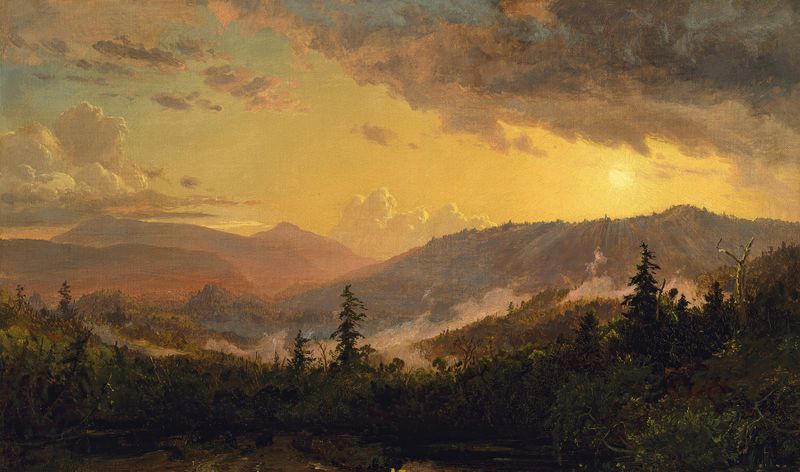
Sunset after a Storm in the Catskill Mountains
Jasper Francis Cropsey
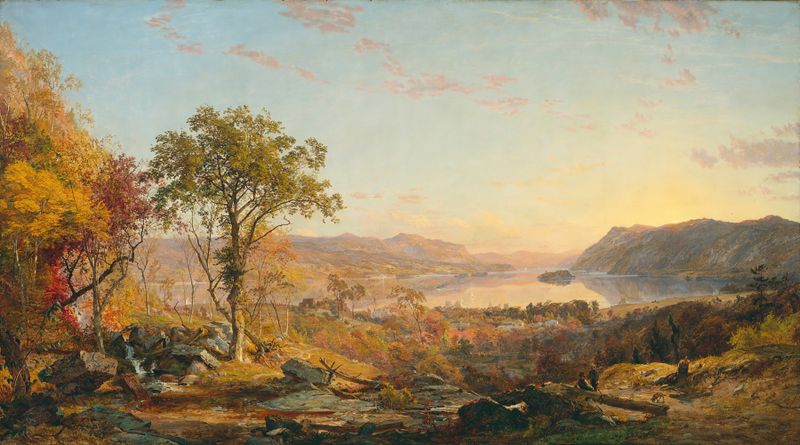
Indian Summer
Jasper Francis Cropsey

Autumn On The River
Jasper Francis Cropsey
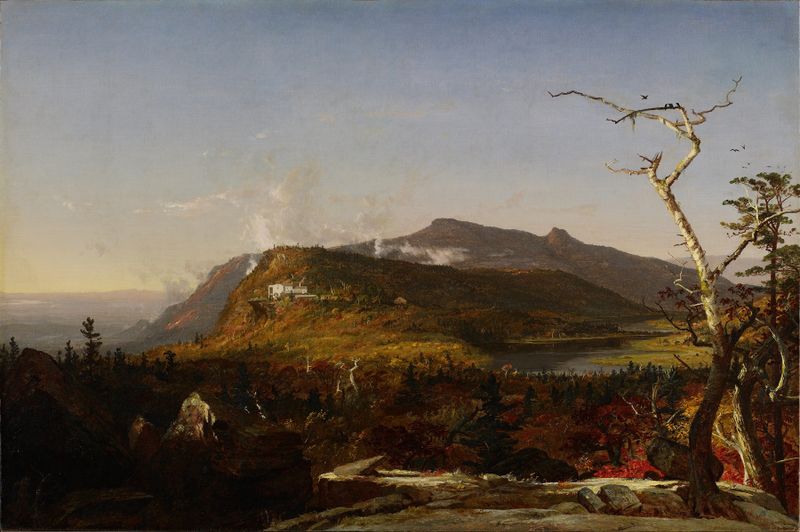
Catskill Mountain House
Jasper Francis Cropsey
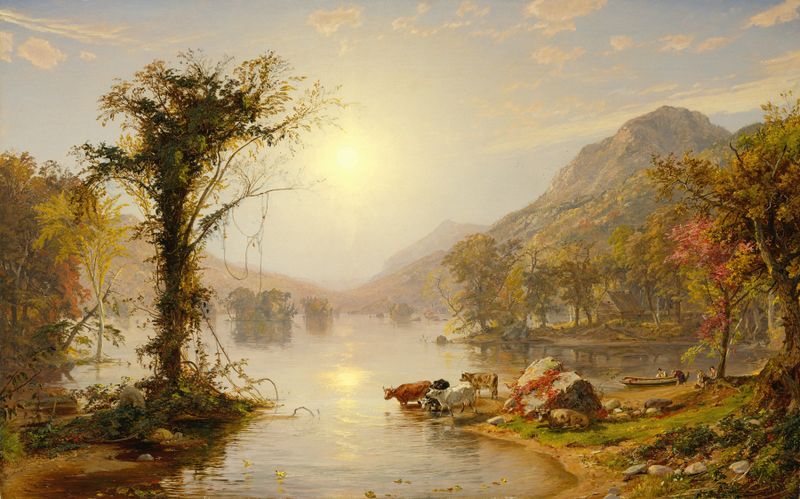
Autumn on Greenwood Lake
Jasper Francis Cropsey
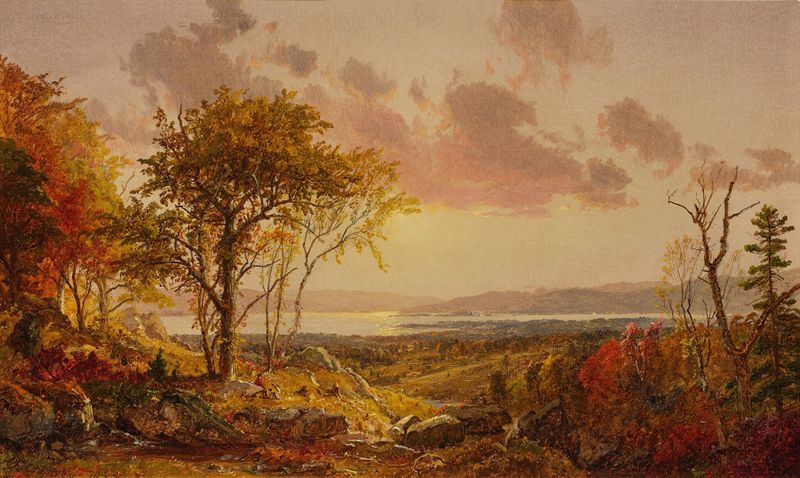
A Distant View of the Hudson River in the Fall
Jasper Francis Cropsey
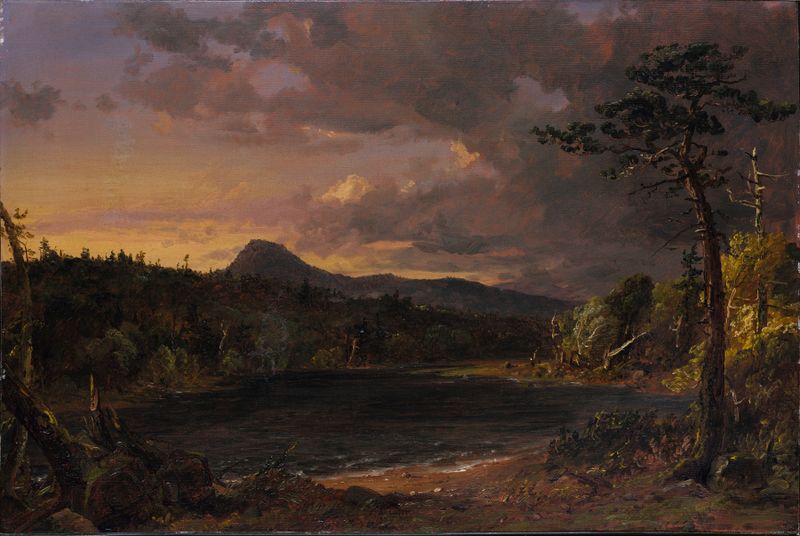
Catskill Creek
Jasper Francis Cropsey

Autumn on the Lake
Jasper Francis Cropsey





