
The Watzmann and Goell, near Berchtesgeden — History & Facts
In the looming shadows of the mountains, the sublime beauty of nature often cloaks an underlying dread, a haunting fear that the majestic can also be perilous. Look to the center where the rugged peaks of the Watzmann rise, their formidable presence dominating the canvas. Notice how the artist's brush captures the play of light and shadow, with the sun filtering through ethereal clouds, illuminating the craggy surfaces. The vivid greens of the foreground contrast sharply with the austere grays and whites of the mountain, emphasizing nature's splendor and its violent potential.
The composition invites the viewer's gaze upwards, as if both drawn to and intimidated by the overwhelming scale of the landscape. Delve deeper into the details; observe the delicate interplay between serenity and fear that pervades the atmosphere. The vibrant flora at the base, teeming with life, stands in stark contrast to the unforgiving stones above. This juxtaposition evokes a sense of vulnerability amidst grandeur, illustrating humanity’s fragile place within the natural world.
The sky, while enchanting, hints at the tempest that could arise—a reminder of nature's duality as both a sanctuary and a threat. Frederic Edwin Church painted this piece in 1868 during a period marked by rapid industrial change and exploration in America. Known for his breathtaking landscapes and his role in the Hudson River School, Church sought to capture the awe of nature amidst a world increasingly dominated by technology. This work emerged from his travels to the Swiss Alps and the Bavarian region, reflecting his fascination with the sublime and the fear it invokes.
More Artworks by Frederic Edwin Church
Browse all →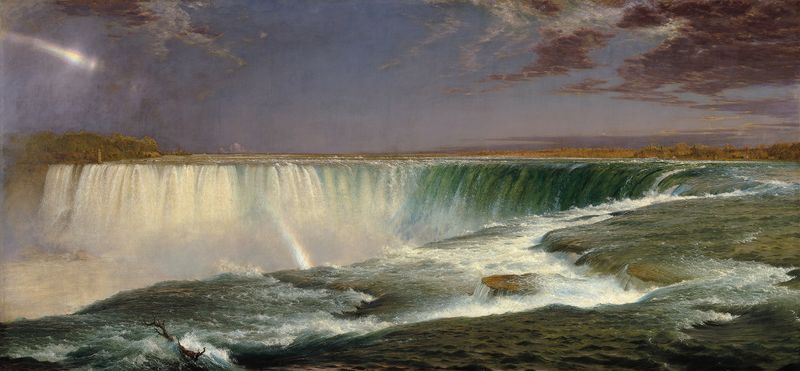
Niagara
Frederic Edwin Church
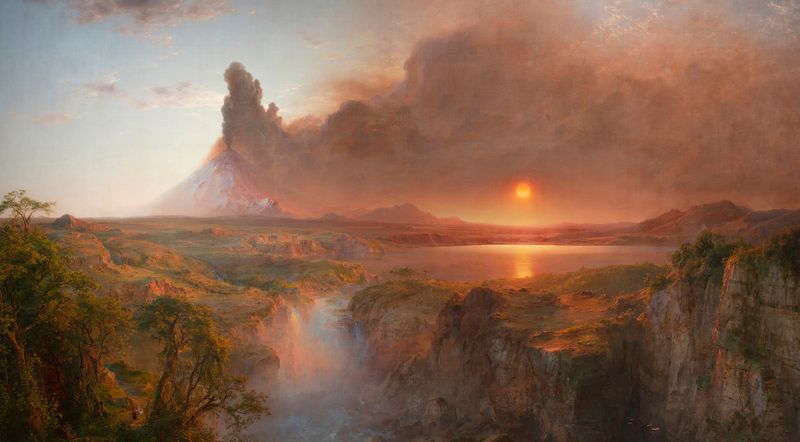
Cotopaxi
Frederic Edwin Church
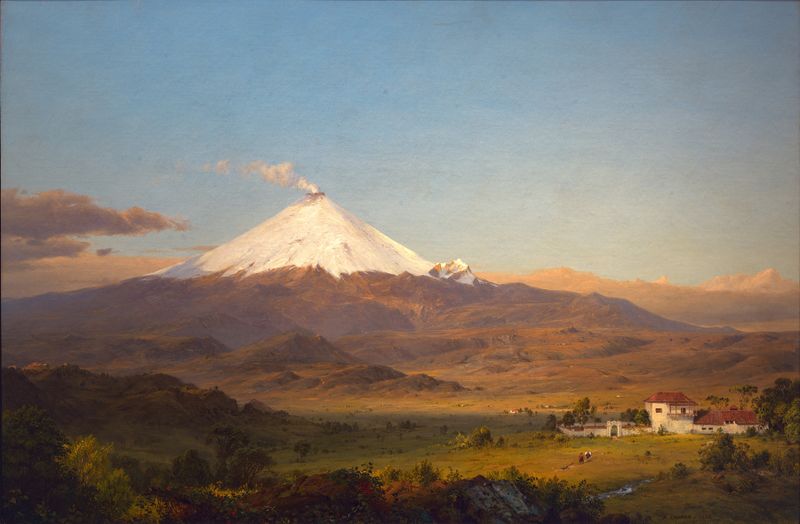
Cotopaxi
Frederic Edwin Church
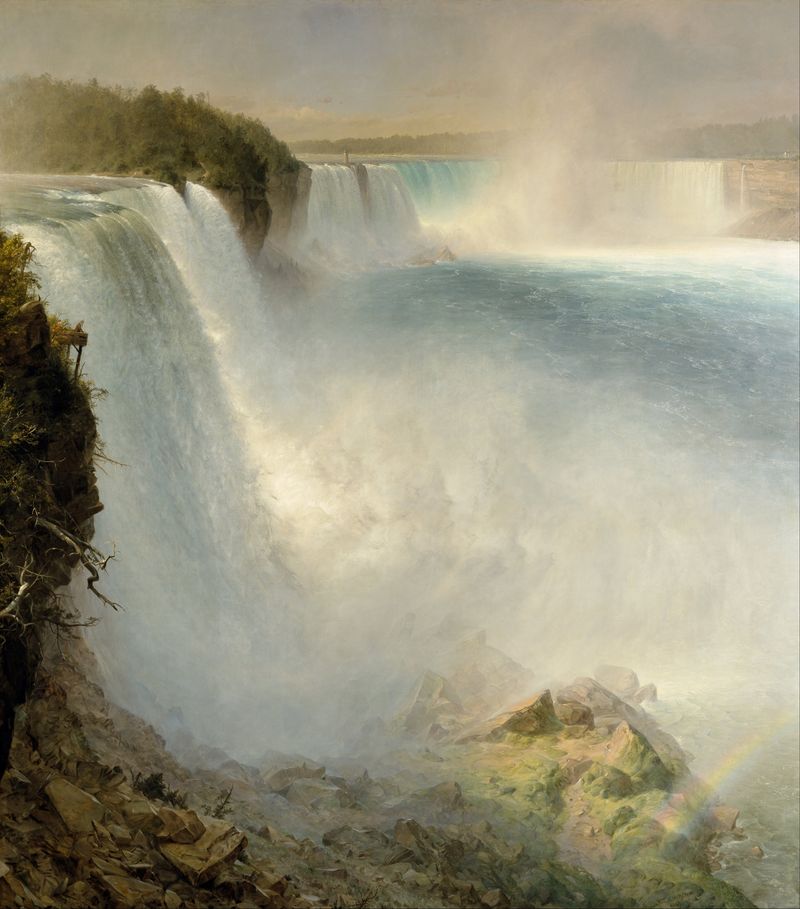
Niagara Falls, from the American Side
Frederic Edwin Church
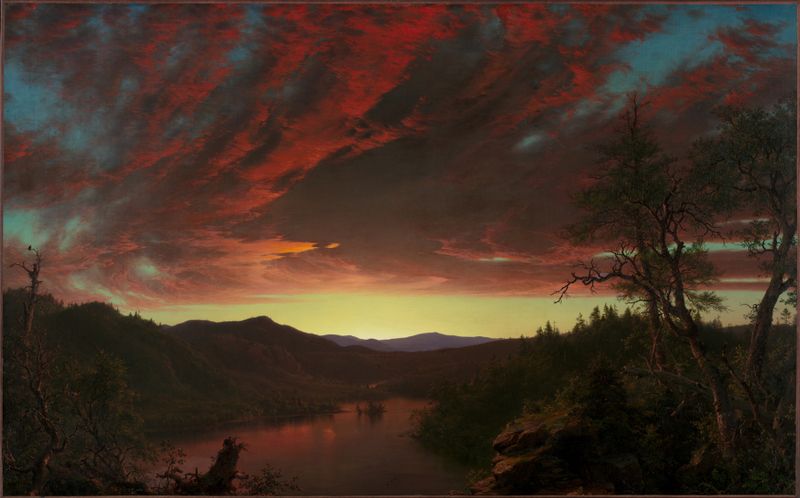
Twilight in the Wilderness
Frederic Edwin Church
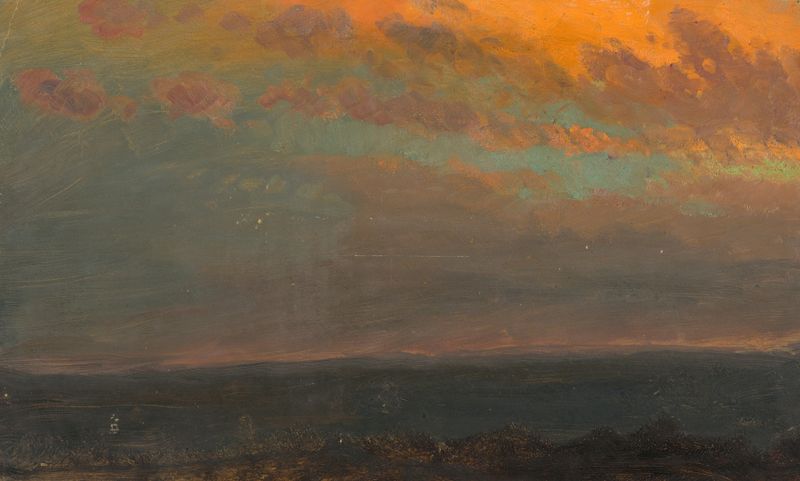
Hudson Valley at Sunset
Frederic Edwin Church
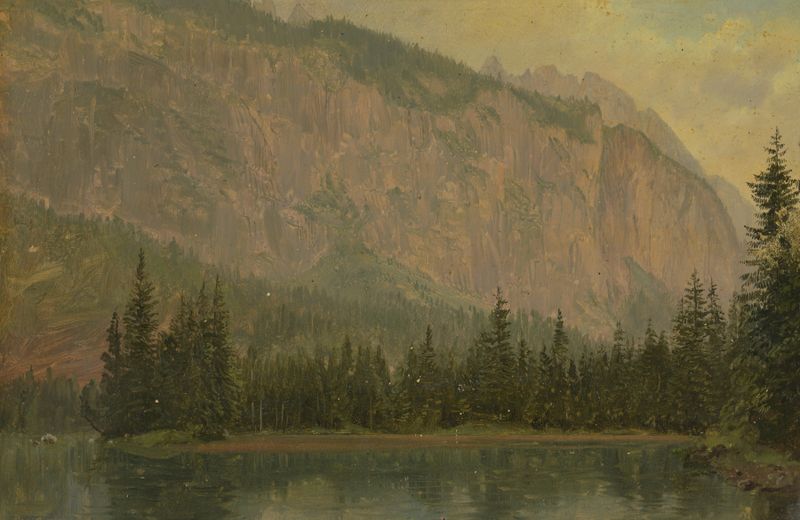
The Hintersee, near Berchtesgaden, Bavaria
Frederic Edwin Church
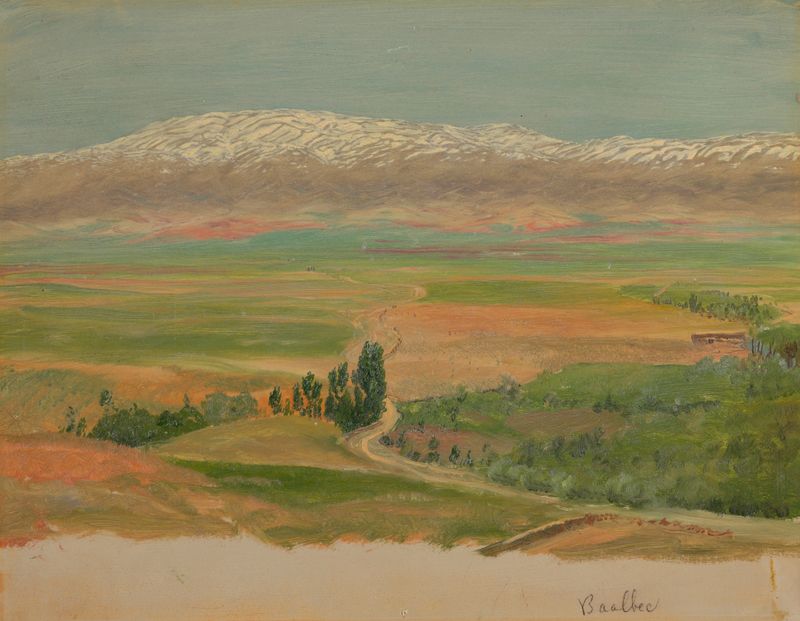
Mountains near Baalbec
Frederic Edwin Church
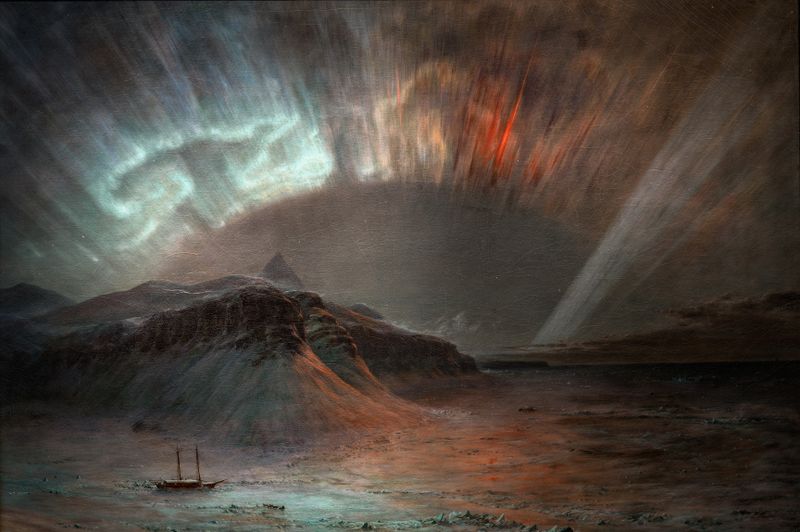
Aurora Borealis
Frederic Edwin Church
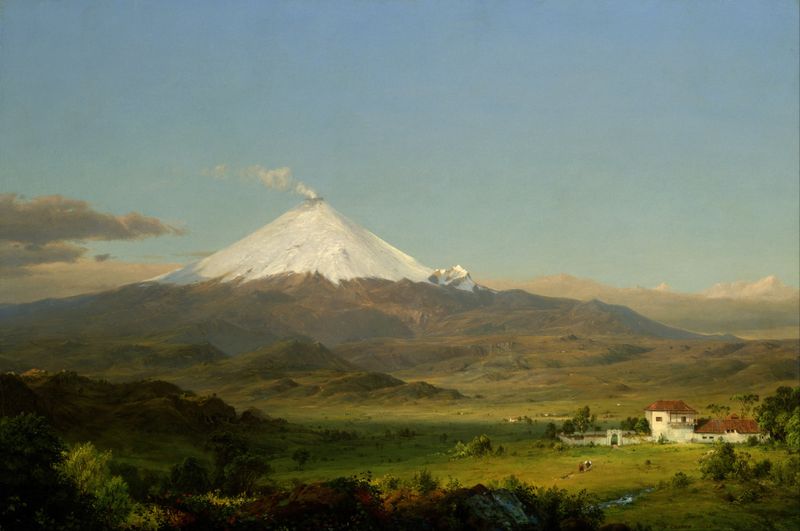
Cotopaxi
Frederic Edwin Church





