
The Watzmann, near Berchtesgaden, Bavaria — History & Facts
The vast expanse of nature holds within it an emptiness that echoes, inviting a profound introspection. In the silent embrace of the mountains, we confront our own solitude, stripped bare of distractions and the noise of life. Look to the horizon where the imposing Watzmann peaks rise majestically against a cerulean sky. The composition draws your gaze upward, each jagged summit defined by carefully applied strokes that capture the interplay of light and shadow.
Notice how the cool blues and greens of the valley contrast with the warm hues of the setting sun, cultivating a sense of tranquility amid grandeur. The meticulous detailing of the foliage in the foreground further amplifies the feeling of depth, leading the eye into the heart of the scene. The emotional tension in this artwork lies in its vastness and stillness. The solitary grandeur of the mountains speaks to the human condition—a reminder of our smallness in the face of nature's enormity.
The emptiness depicted is not merely a void; it is a space for reflection, evoking feelings of both awe and isolation. As you linger on the canvas, a sense of longing emerges, inviting viewers to contemplate their place within this expansive landscape. In 1868, while residing in New York, the artist created this piece amid a rapidly changing art world that was embracing realism and the exploration of natural landscapes. Church, a leading figure in the Hudson River School, sought to capture the sublime beauty of nature, reflecting his fascination with the American wilderness and European scenery alike.
This painting stands as a testimony to his skill in conveying the emotional resonance of natural landscapes during this transformative period in art history.
More Artworks by Frederic Edwin Church
Browse all →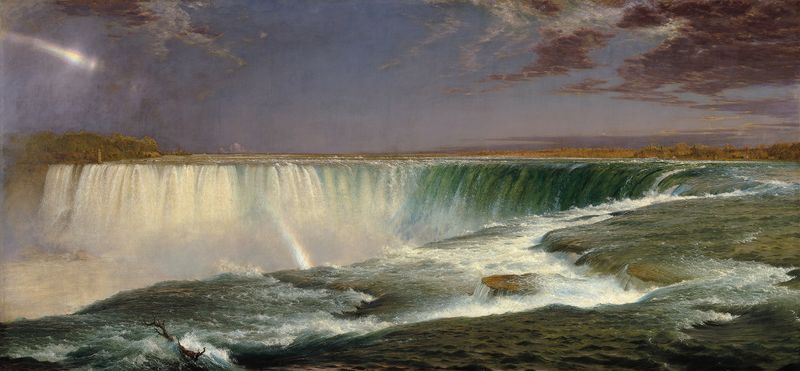
Niagara
Frederic Edwin Church
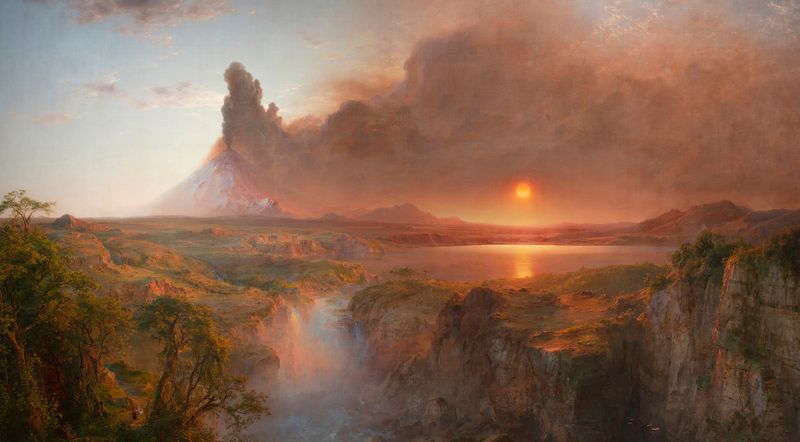
Cotopaxi
Frederic Edwin Church
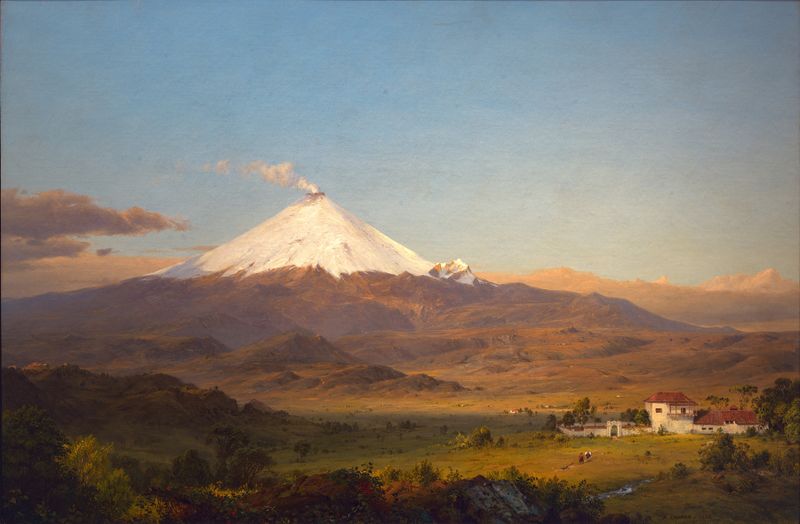
Cotopaxi
Frederic Edwin Church
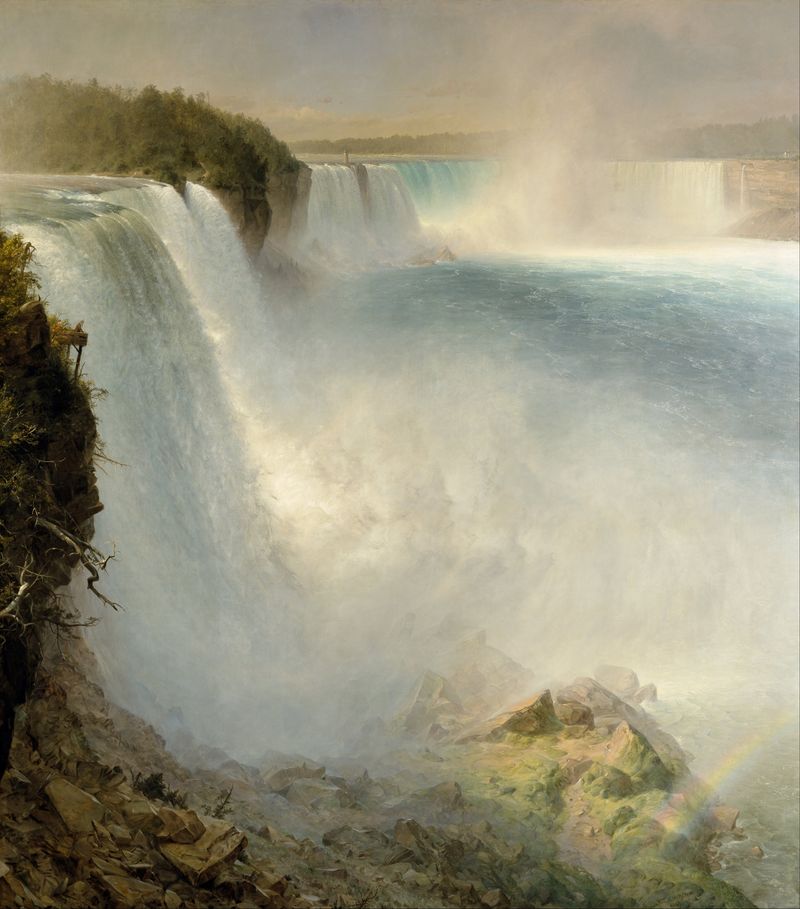
Niagara Falls, from the American Side
Frederic Edwin Church
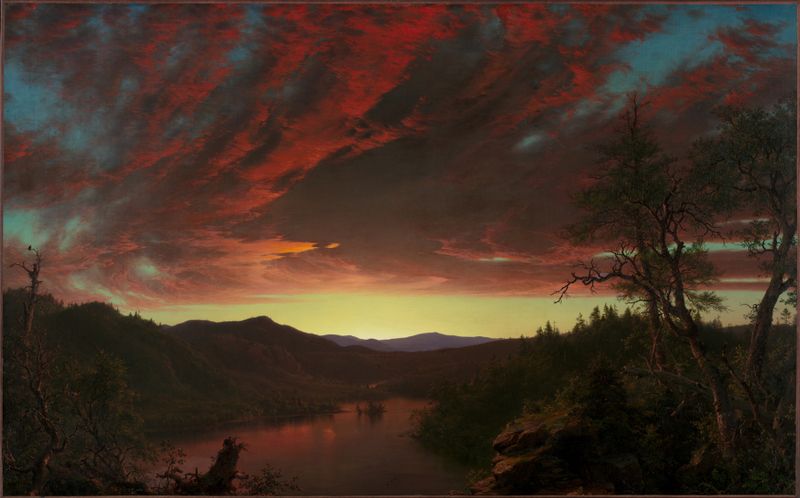
Twilight in the Wilderness
Frederic Edwin Church
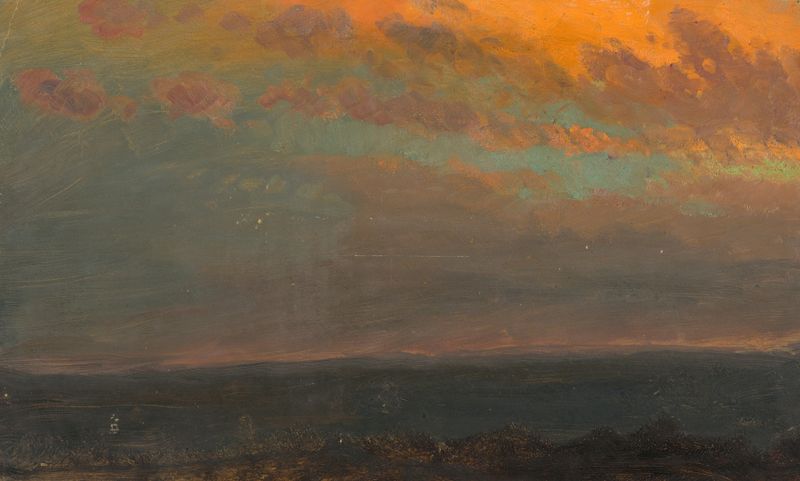
Hudson Valley at Sunset
Frederic Edwin Church
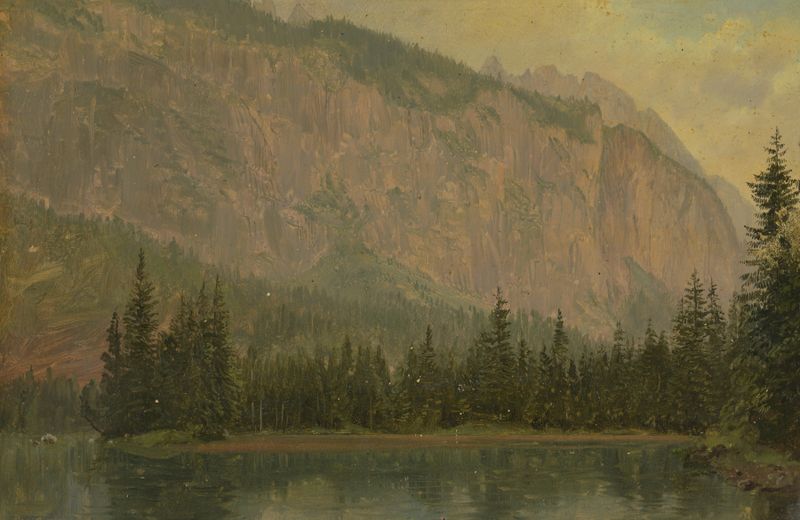
The Hintersee, near Berchtesgaden, Bavaria
Frederic Edwin Church
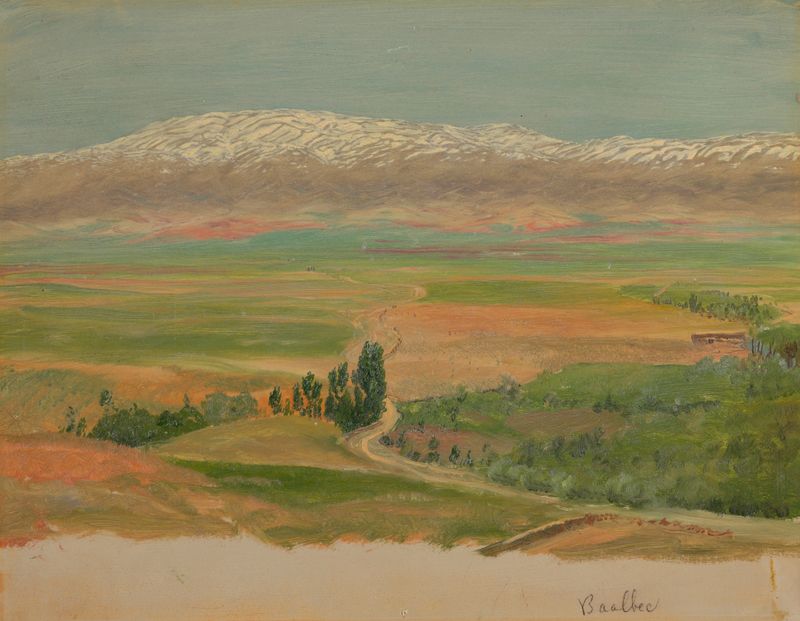
Mountains near Baalbec
Frederic Edwin Church
Aurora Borealis
Frederic Edwin Church
Cotopaxi
Frederic Edwin Church





