
The Wedding of Alexander and Roxana (Gerard de Lairesse) — History & Facts
The first thing that seizes the eye in The Wedding of Alexander and Roxana by Gerard de Lairesse is the billowing red canopy, a theatrical sweep of fabric that both shelters and spotlights the central figures. Beneath its rich folds, the scene unfolds with a sense of staged intimacy: Roxana, half-draped and luminous, sits at the heart of attention, her posture both hesitant and regal as attendants and cherubs flutter around her. Alexander, poised and almost statuesque, approaches with a gesture that hovers between reverence and possession, his gaze fixed on his bride.
The composition is a masterclass in controlled drama—each figure’s gesture and glance choreographed to draw the viewer into this moment of union, while the architecture in the background recedes into shadow, hinting at the grandeur and intrigue of ancient courts. The playful putti, scattered across the scene, add a note of mischief and celebration, their antics a lively counterpoint to the solemnity of the marriage. Painted in 1664, this work emerges from the Dutch Golden Age, a period when artists like de Lairesse turned to classical subjects and theatrical compositions to appeal to the tastes of wealthy patrons eager for scenes of antiquity and virtue. History paintings such as this were prized for their ability to blend moral lessons with visual spectacle, drawing on stories from antiquity to reflect contemporary values of power, love, and alliance.
While little is recorded about the specific journey of this canvas, its grand scale and subject suggest it was made for a discerning collector, perhaps one who saw in Alexander’s legendary wedding a mirror for their own ambitions. The painting’s intricate details and architectural fantasy invite the viewer to linger, piecing together the layers of narrative and artifice that define both the ancient world it imagines and the Baroque era that produced it.
More Artworks by Gerard de Lairesse

Ceiling painting with Diana and her companions
Gerard de Lairesse
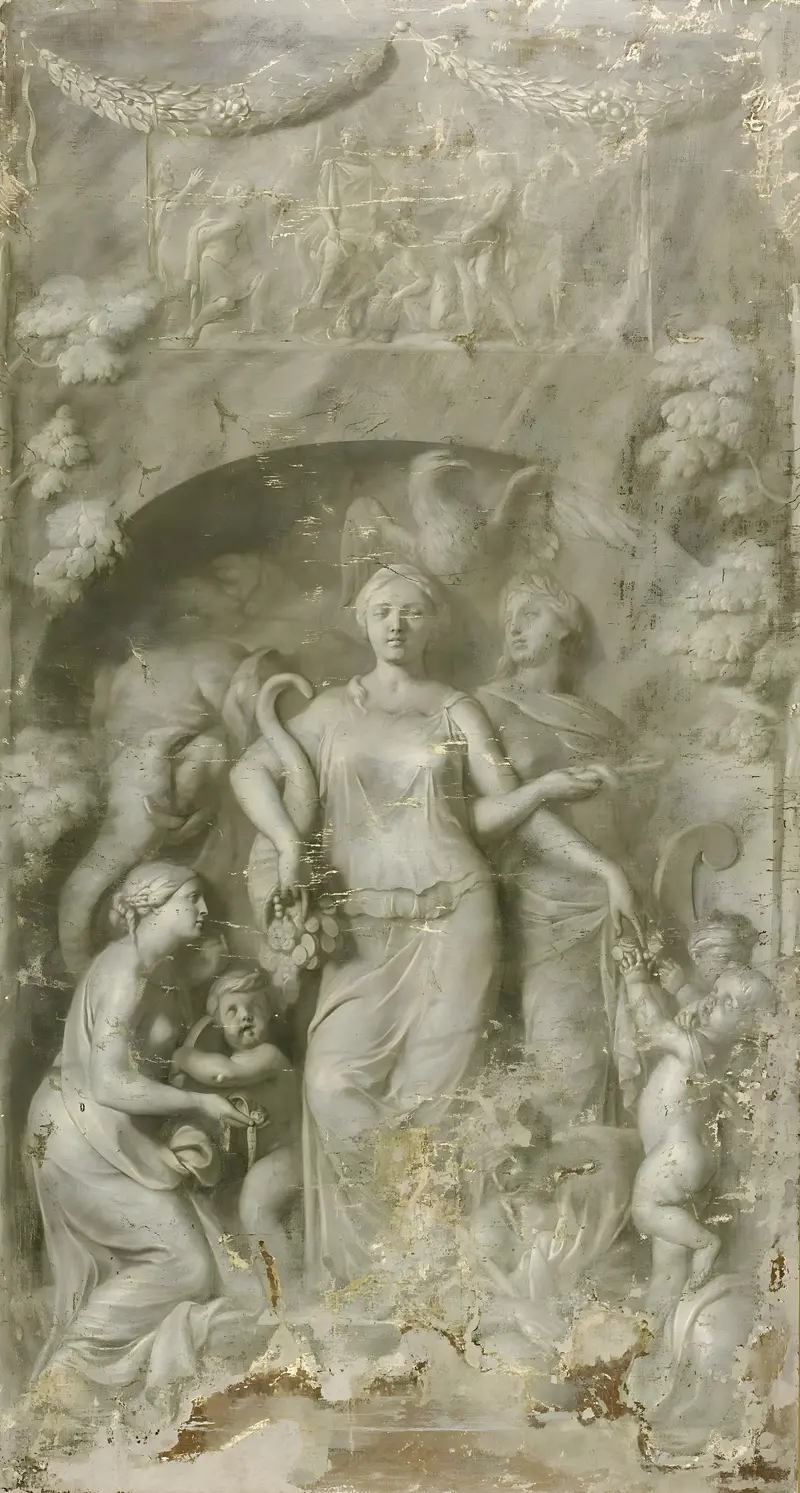
Allegory of Charity
Gerard de Lairesse
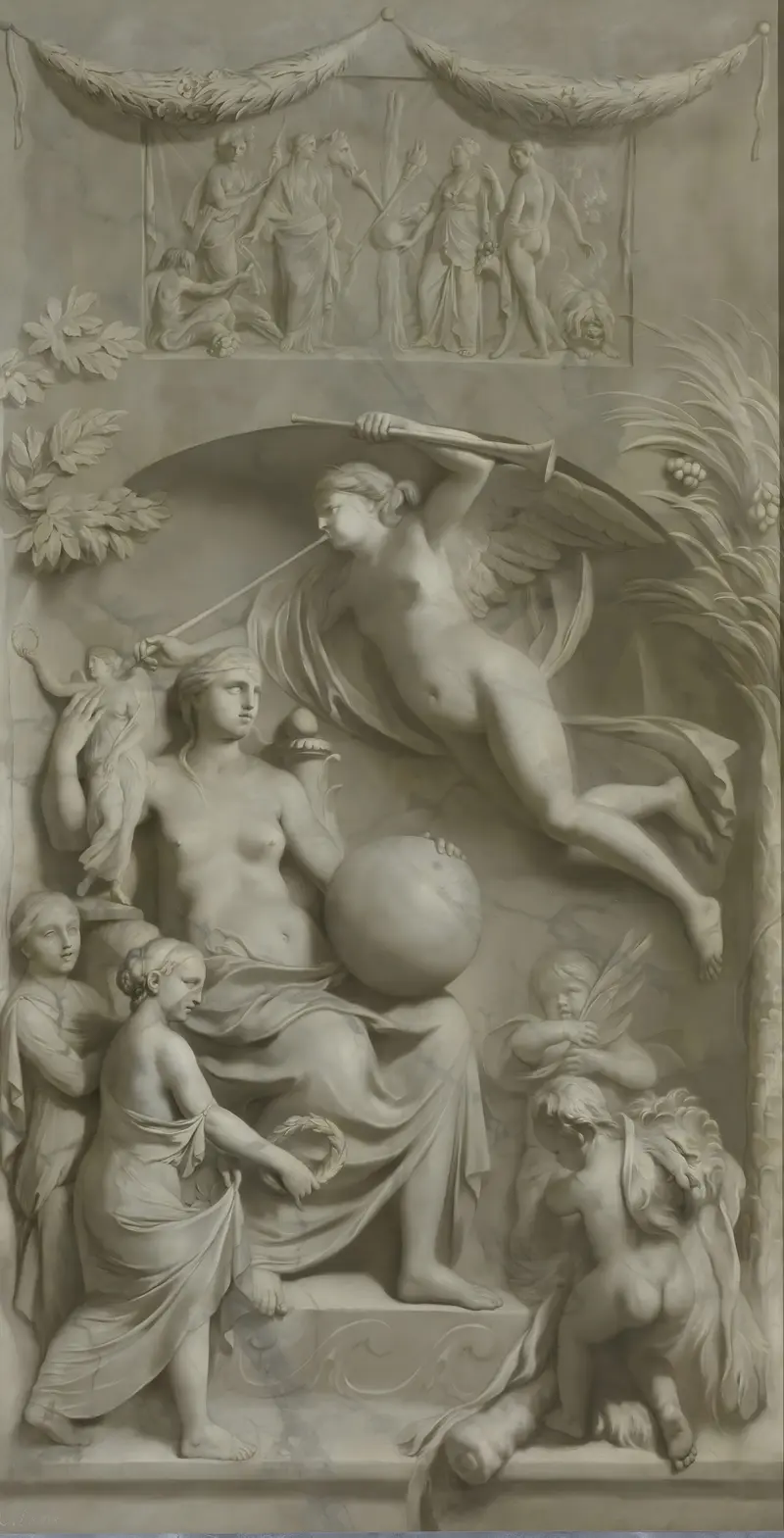
Allegory of Fame
Gerard de Lairesse
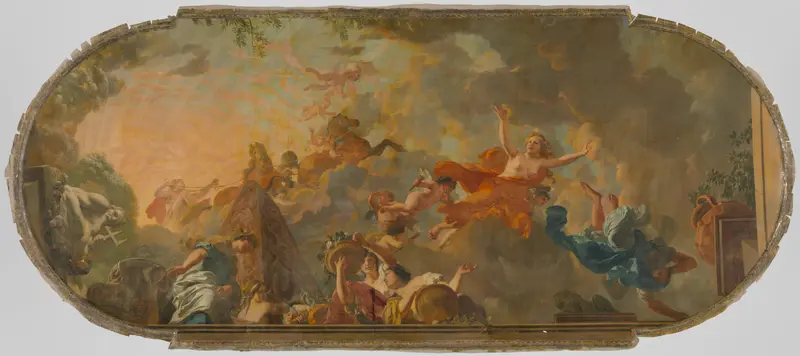
Allegory of Dawn
Gerard de Lairesse
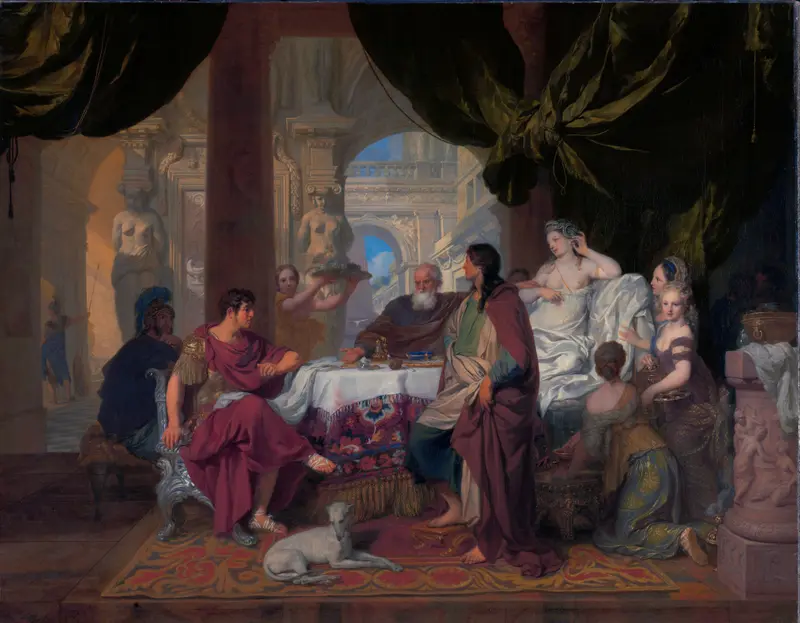
Cleopatra’s Banquet
Gerard de Lairesse
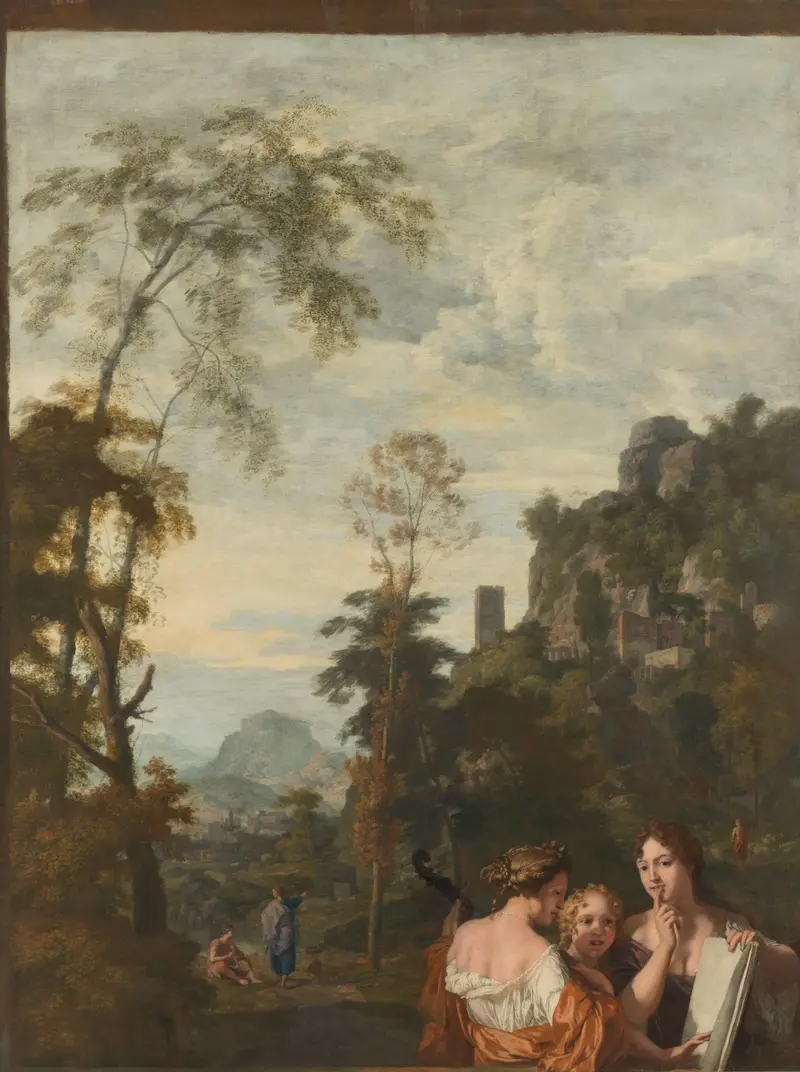
Italian Landscape with three Women Making Music
Gerard de Lairesse
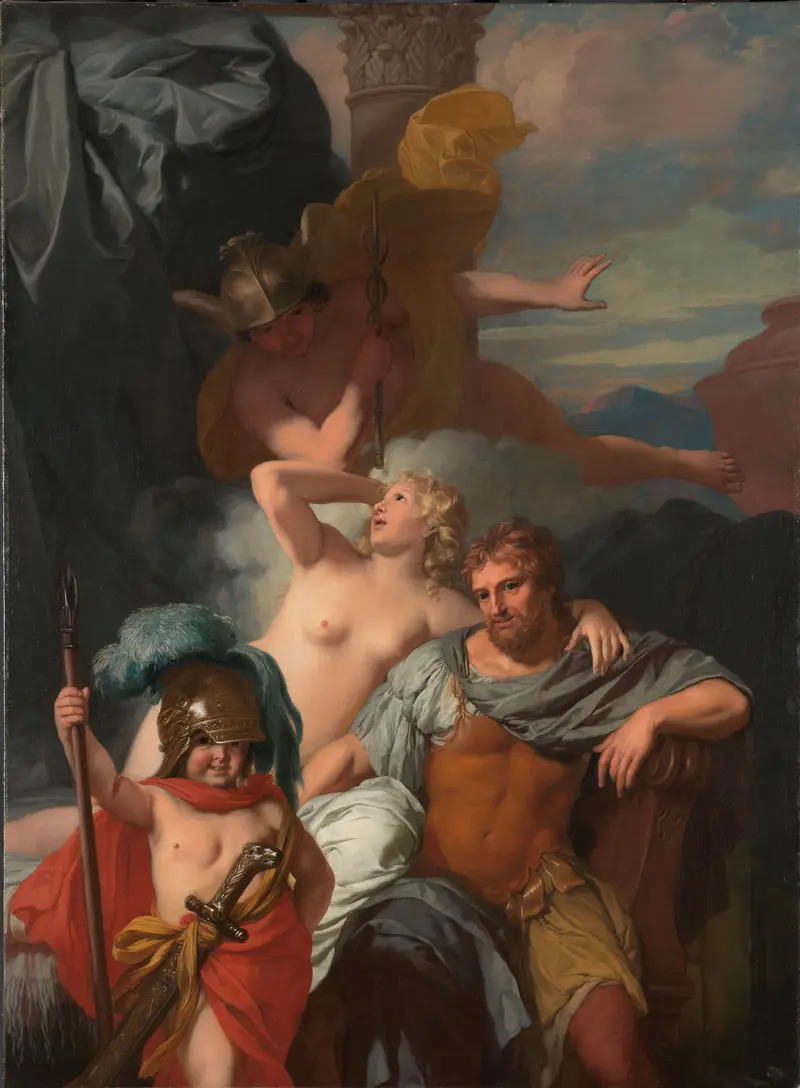
Mercury Ordering Calypso to Release Odysseus
Gerard de Lairesse
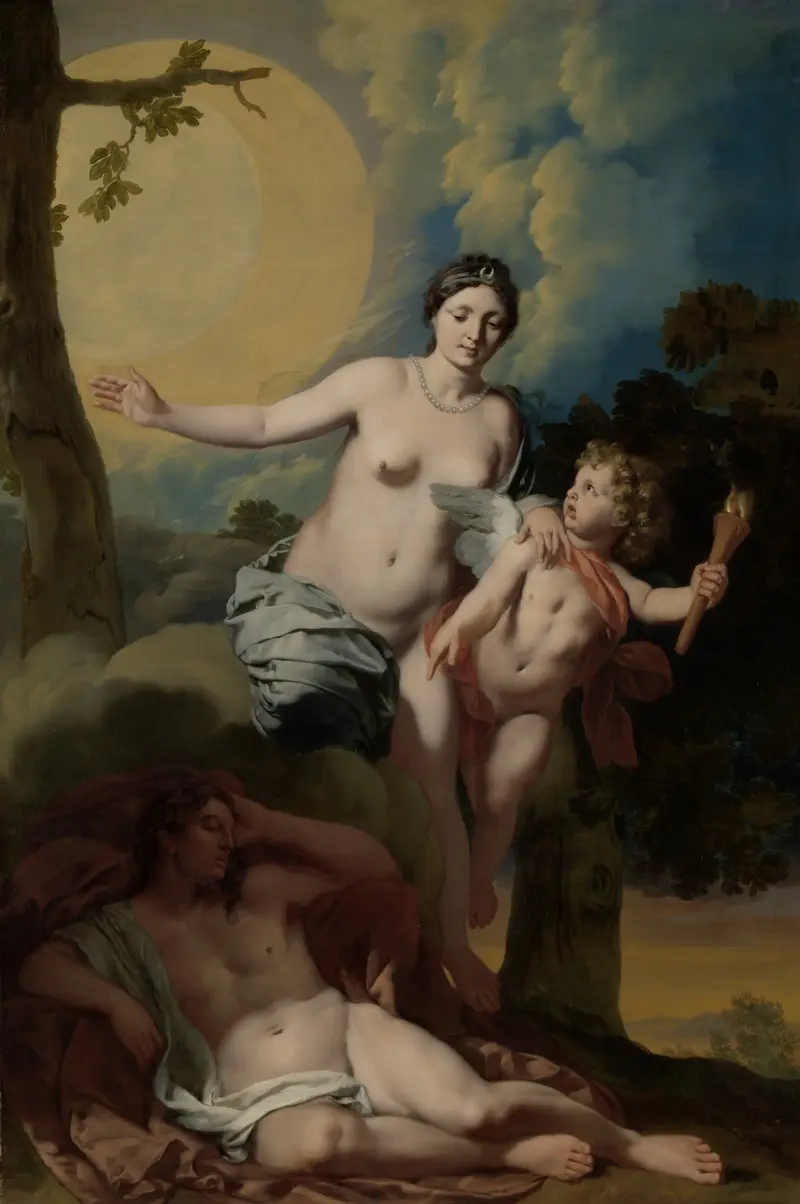
Selene and Endymion
Gerard de Lairesse
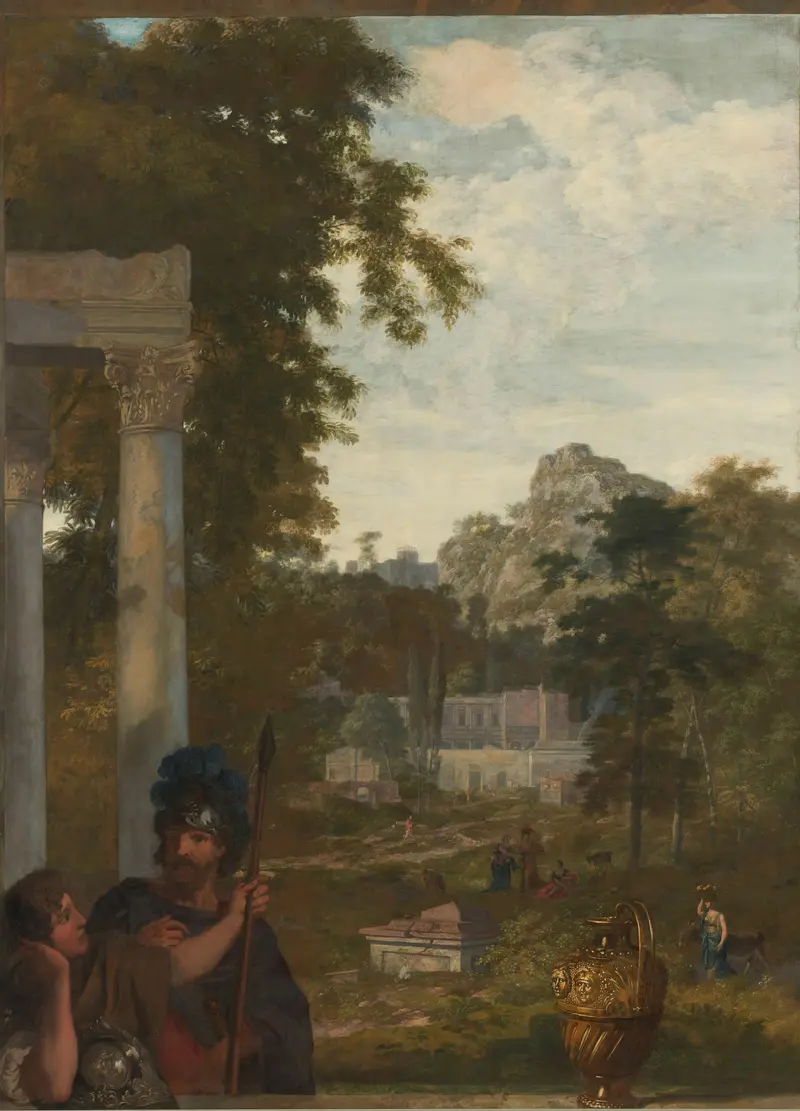
Italian Landscape with two Roman Soldiers
Gerard de Lairesse
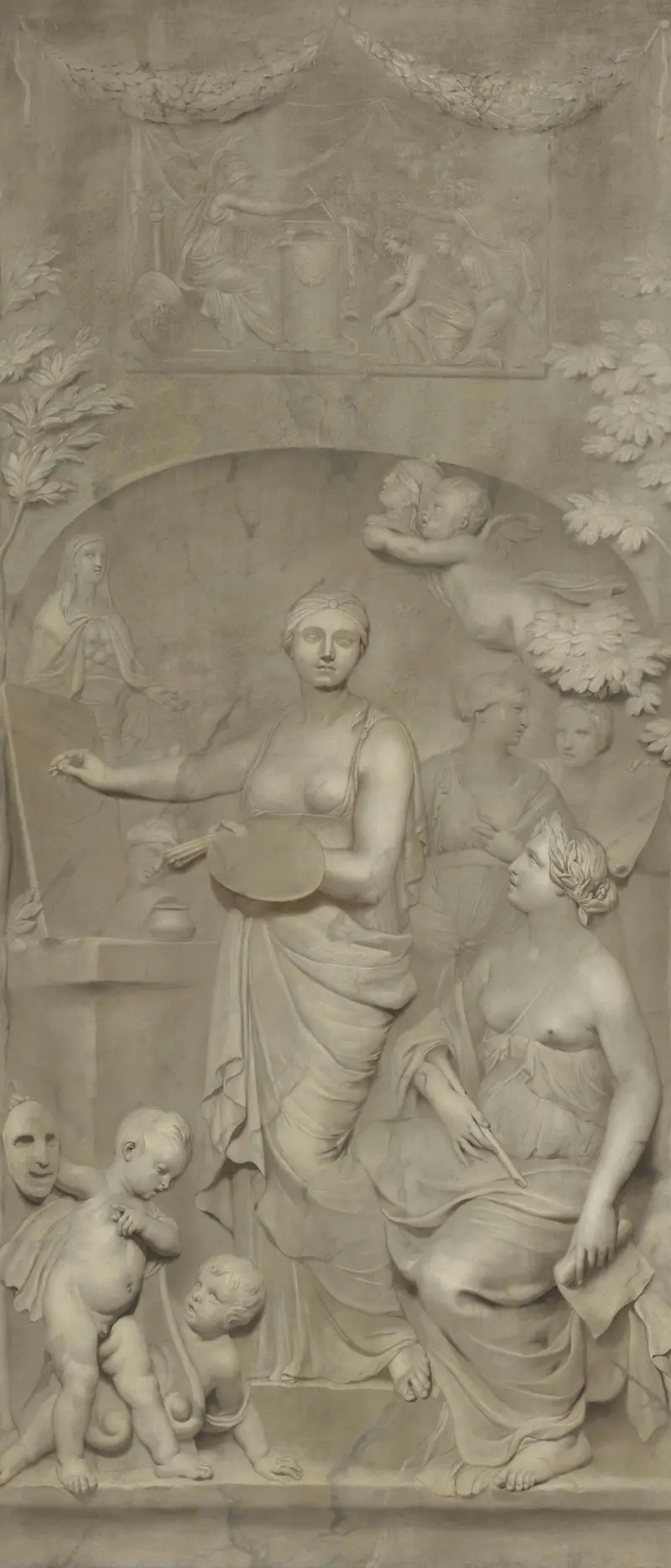
Allegory of the Arts
Gerard de Lairesse





