
The White Duck on the River — History & Facts
A white duck glides across the dark, glassy water, its small form the only movement in a landscape that feels both enchanted and utterly still. Three children stand at the river’s edge, their reflections streaked with pink and blue, as if the water has borrowed colors from a dream. The oversized, thistle-like plants in the foreground thrust upward, their yellow buds echoing the duck’s brightness, while the dense, stylized forest beyond seems to close off the world behind them.
Ivan Bilibin’s linework holds every shape in a gentle embrace, flattening the scene into patterns, yet inviting the eye to wander—first to the duck, then to the children, and finally into the shadowed woods. The composition’s quiet tension lies in this pause: the moment before something—perhaps a story, perhaps only a splash—disturbs the calm. Painted in 1902, The White Duck on the River belongs to the world of Russian Art Nouveau, a time when artists like Bilibin turned to folklore and nature for inspiration. Such works often illustrated fairy tales or children’s books, their bold outlines and decorative rhythms designed to enchant young readers and adults alike.
History has kept few traces of this particular painting’s journey, and its original purpose remains unknown, but it survives as a testament to an era when Russian artists sought to blend national tradition with modern design. Look again at the duck’s wake, the mirrored children, the stylized plants: each detail is a quiet invitation to imagine the story just out of sight.
More Artworks by Ivan Bilibin

Ivan Tsarevich and the Firebird
Ivan Bilibin

View Of The Nile
Ivan Bilibin
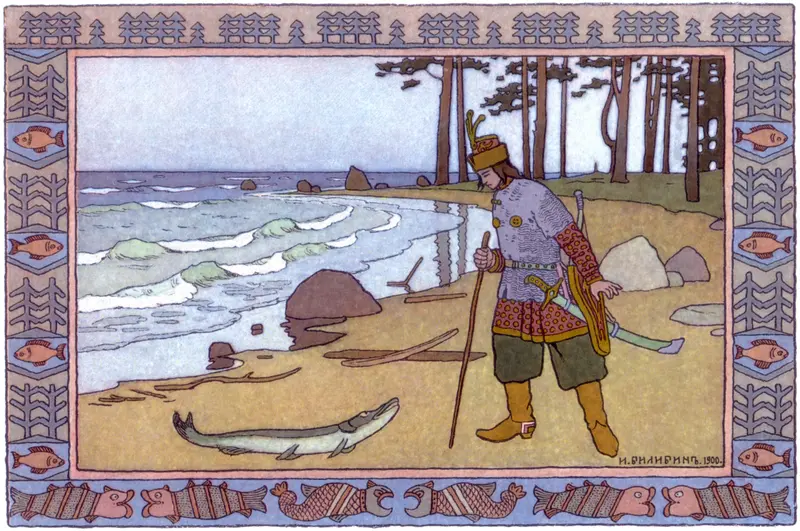
Ivan Tsarevich and the Pike (The Frog Princess)
Ivan Bilibin
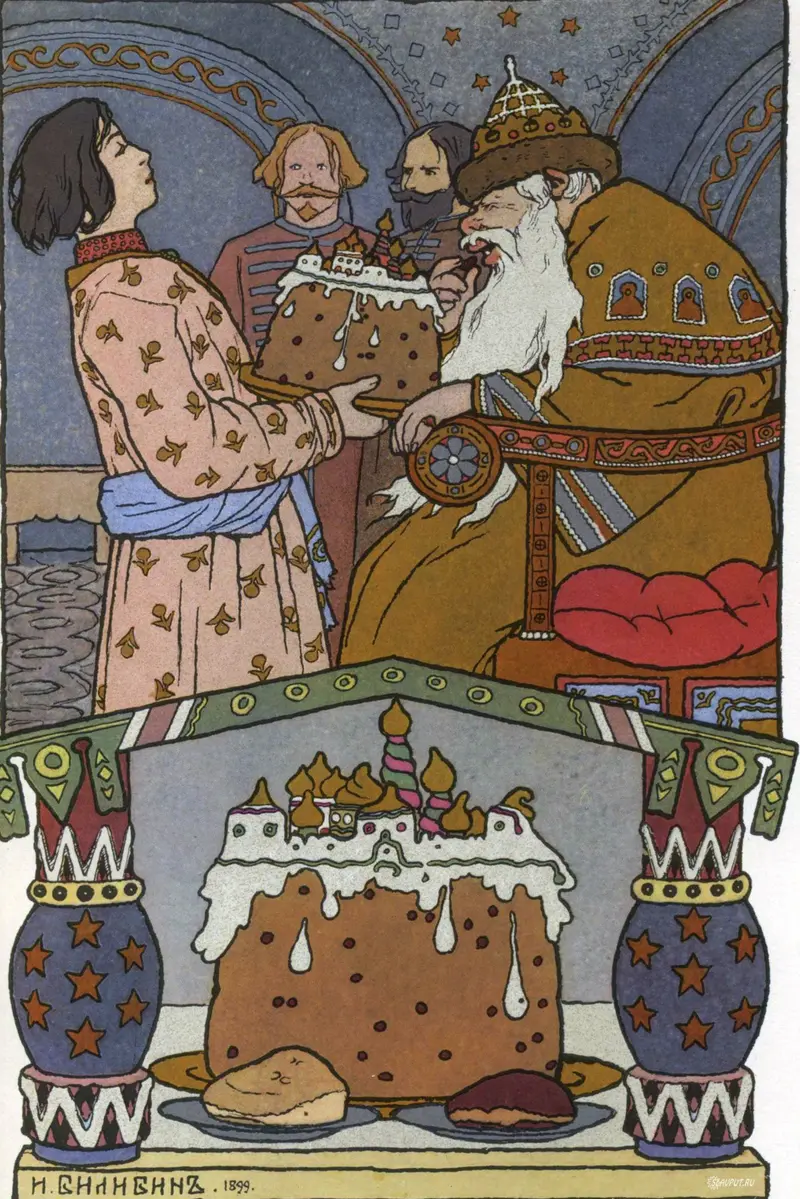
Presenting the Loaf to the Tsar (The Frog Princess)
Ivan Bilibin
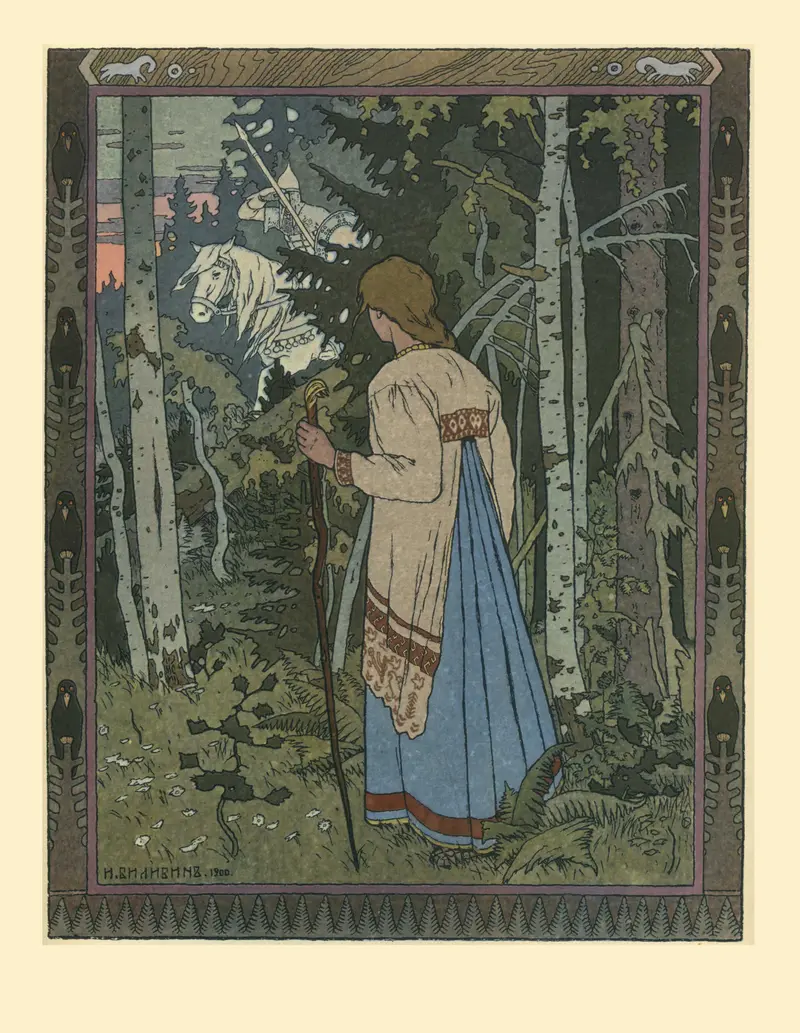
The White Horseman (Vasilisa the Beautiful)
Ivan Bilibin
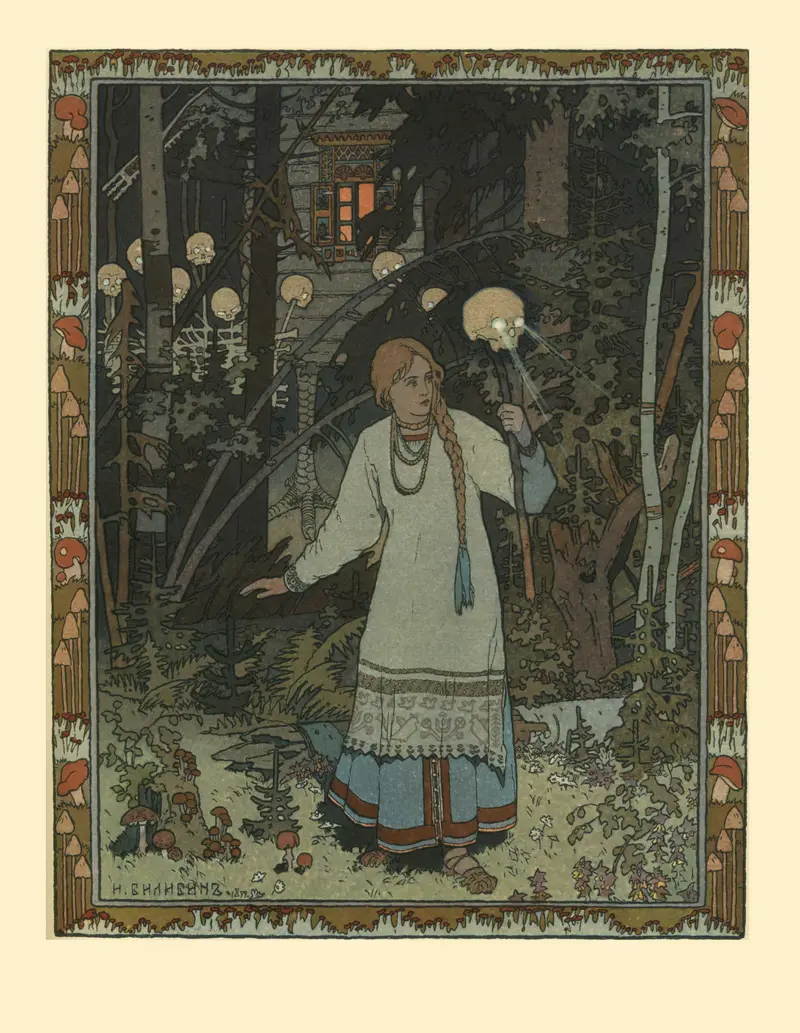
Vasilisa the Beautiful at the Hut of Baba Yaga
Ivan Bilibin
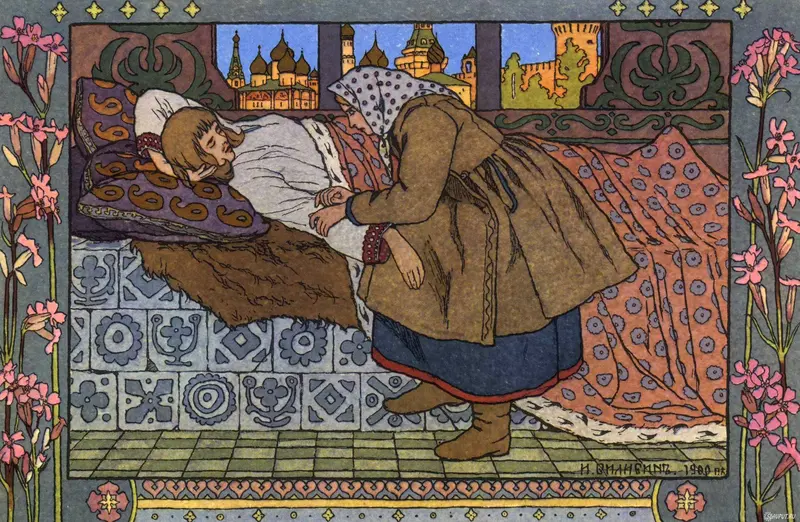
The Maiden Finds Finist (The Feather of Finist the Falcon)
Ivan Bilibin
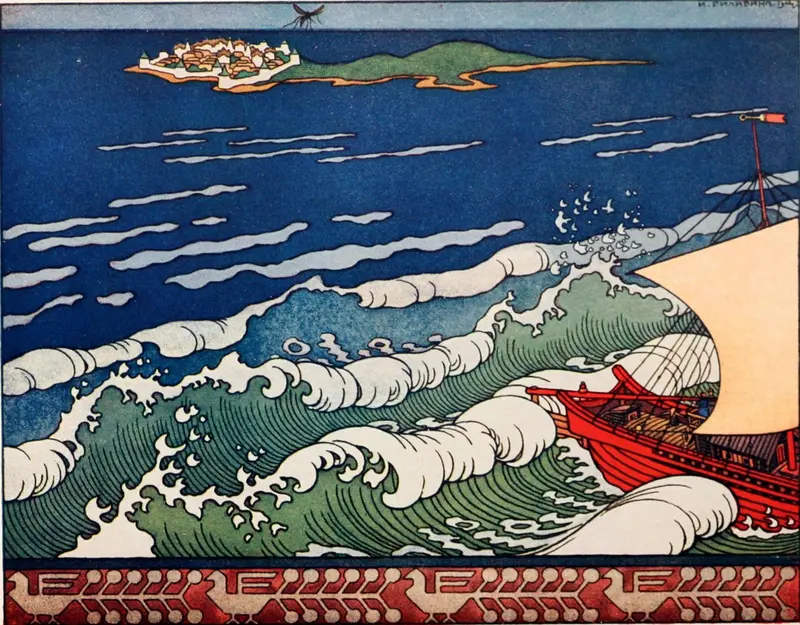
The Ship on the Stormy Sea
Ivan Bilibin
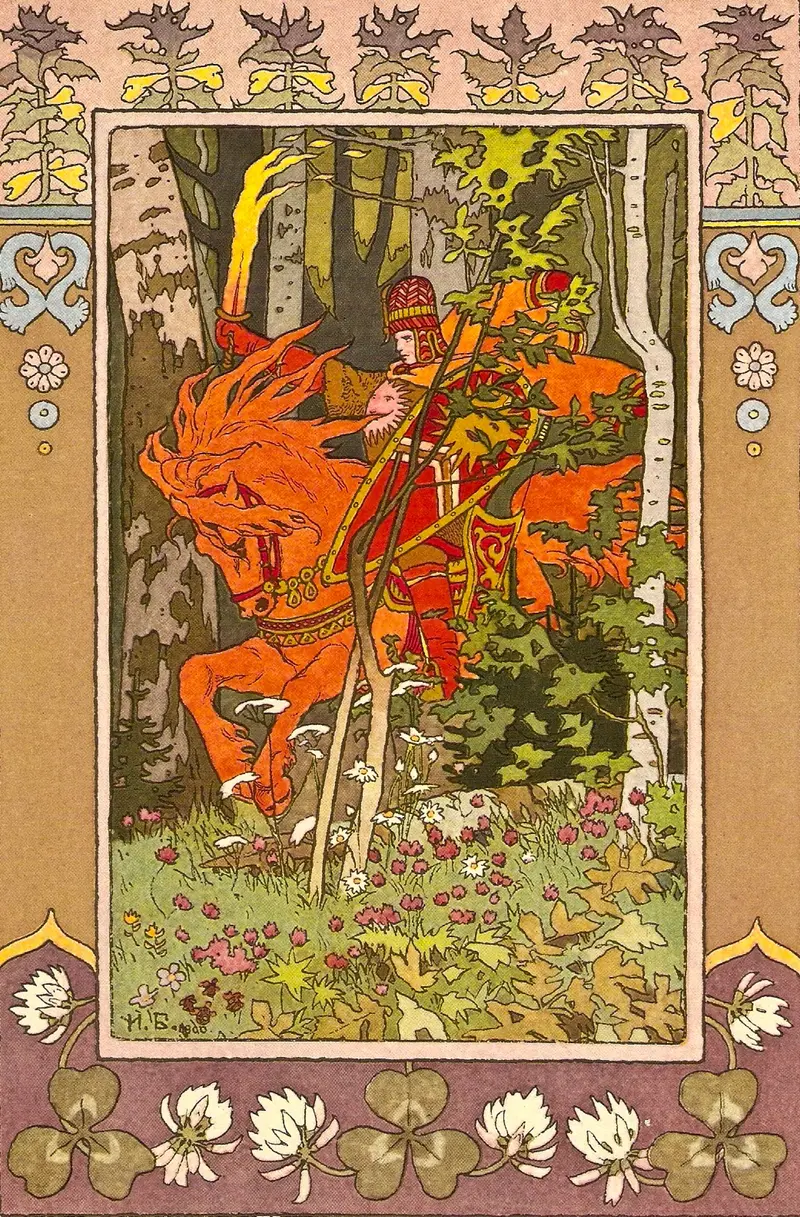
The Red Horseman (Vasilisa the Beautiful)
Ivan Bilibin
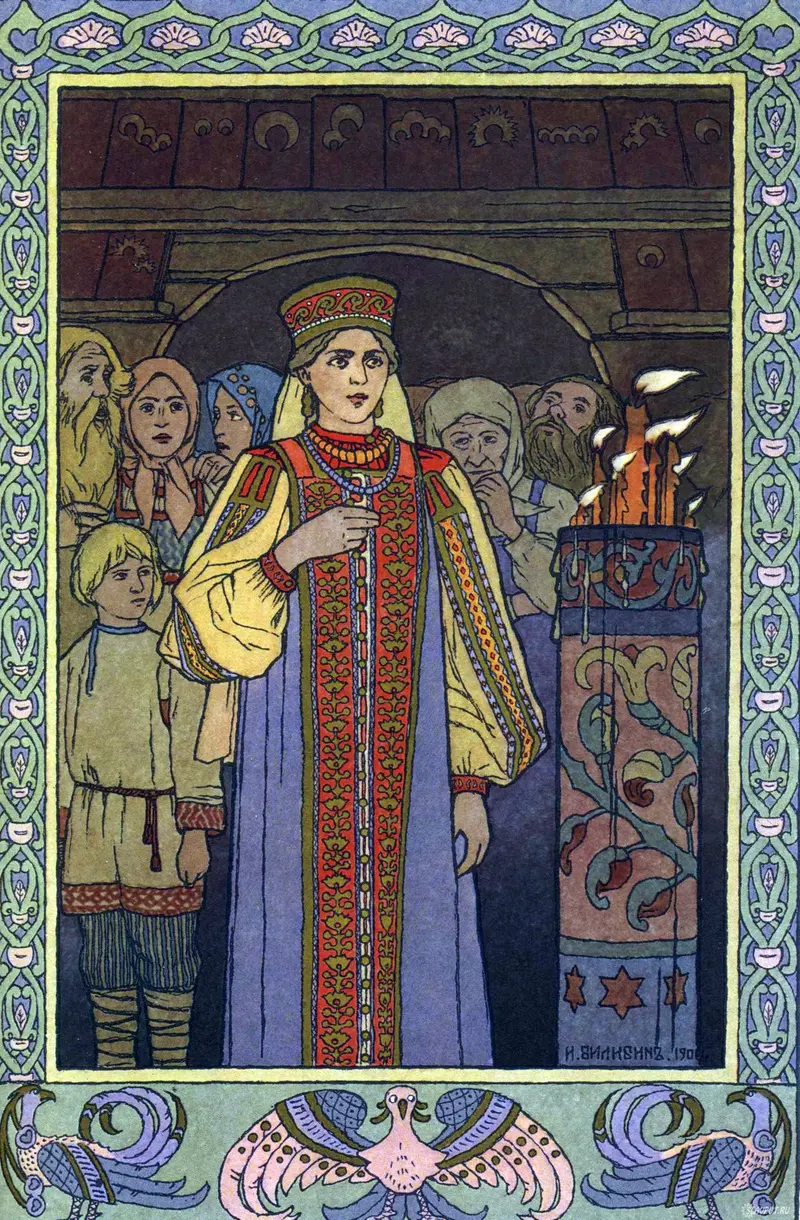
Maryushka and Her Sisters (The Feather of Finist the Falcon)
Ivan Bilibin
More Landscape Art

The Starry Night
Vincent van Gogh

View of Delft
Johannes Vermeer

Water Lilies
Claude Monet

The Grand Canal, Venice, looking north-west from the Ca' Corner to the Ca' Contarini degli Scrigni, with the campanile of Santa Maria della Carità
Canaletto

Windsor Castle
Canaletto

The Grand Canal looking North-East from the Palazzo Dolfin-Manin to the Rialto Bridge
Canaletto