
The White Monk — History & Facts
Did the painter know this moment would outlive them? In The White Monk, an aura of tranquil solemnity envelops a solitary figure, contrasting starkly with the violence that life often bequeaths. The stillness of the scene invites reflection, leaving the viewer suspended between serenity and the tumult of existence. Look to the left at the cloaked figure, his white robe a beacon against the shadowy landscape. The wisps of a turbulent sky above him seem to echo the emotional unrest hidden beneath the calm exterior.
The delicate brushwork and muted palette of greens and browns create an ethereal depth, drawing your gaze toward the layered textures of the monk’s disguise. Notice how the light plays upon the folds of fabric, rendering them almost lifelike, while the distant mountains evoke a sense of isolation and introspection. Beneath the surface of this peaceful tableau lies a profound tension. The monk's stillness suggests contemplation, perhaps a prayer for peace amidst a world rife with chaos and violence.
The darkness of the surrounding wilderness parallels the struggles inherent in the human condition, while the figure’s elevated position hints at a search for enlightenment, a recurring theme in Wilson's oeuvre. This contrast between the solemnity of meditation and the underlying turmoil prompts the viewer to question the paths we pursue in our quests for meaning. Richard Wilson painted The White Monk between 1760 and 1765, during a period when he was gaining recognition as a leading figure in the British landscape tradition. Living in England, Wilson’s exploration of the sublime was heavily influenced by the picturesque and Romantic movements, which sought to distill the essence of nature and emotion.
The painting reflects both his mastery of landscape composition and a deep philosophical inquiry into life’s dualities, resonating with the societal turbulence of his time.
More Artworks by Richard Wilson
Browse all →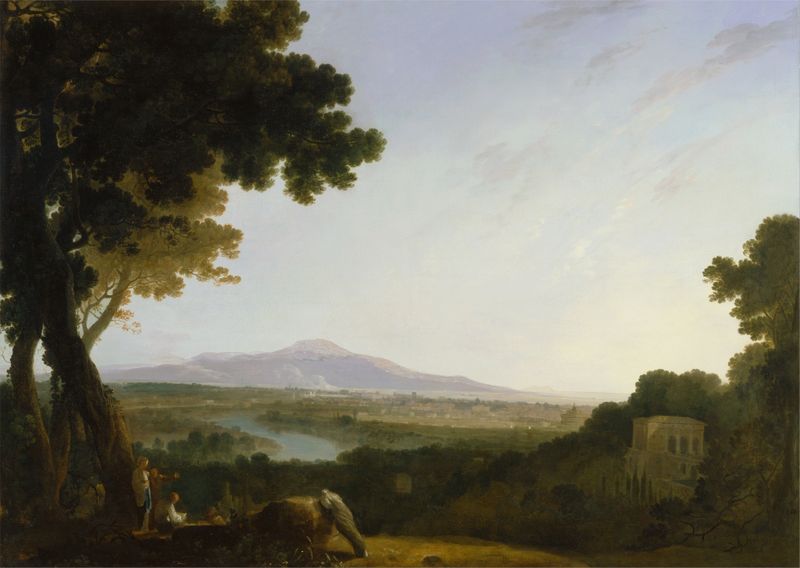
Rome from the Villa Madama
Richard Wilson
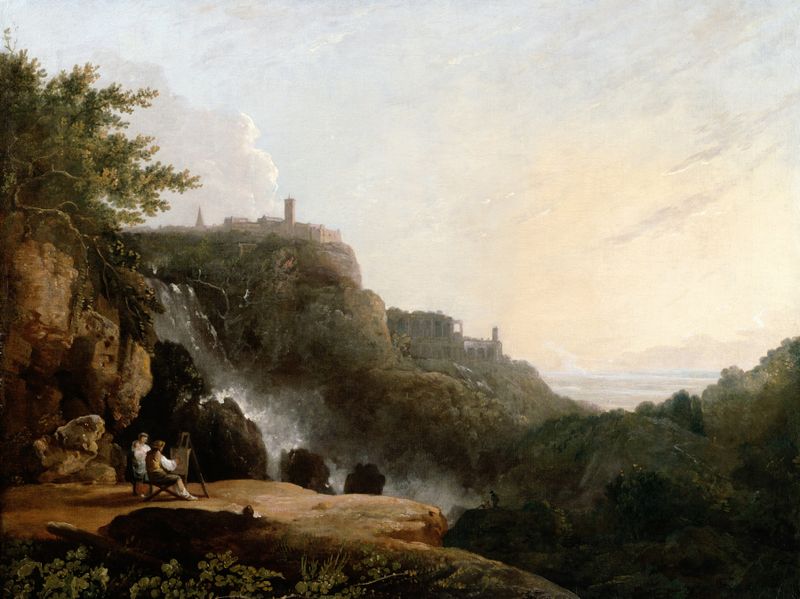
View of Tivoli- the Cascatelle and the ‘Villa of Maecenas’
Richard Wilson
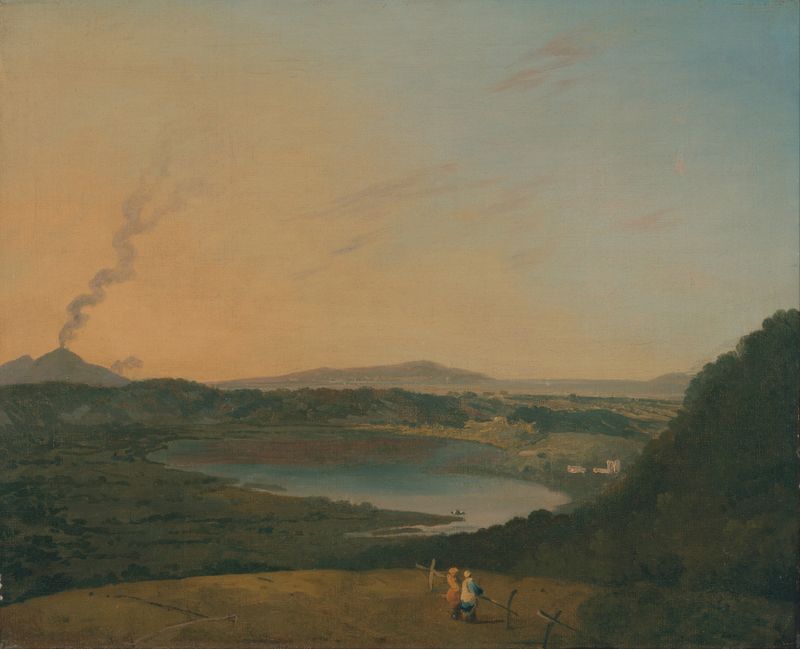
Lago d’Agnano with Vesuvius in the distance
Richard Wilson
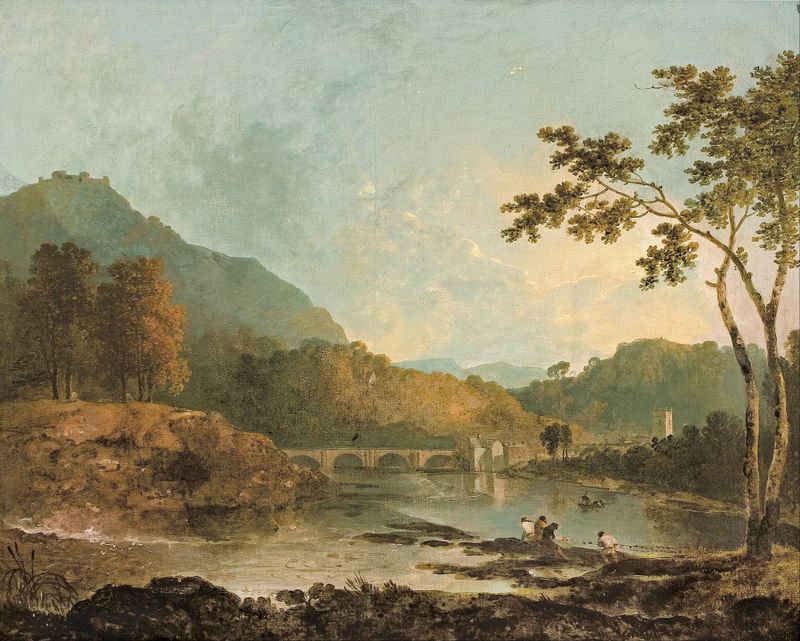
Dinas Bran from Llangollen
Richard Wilson
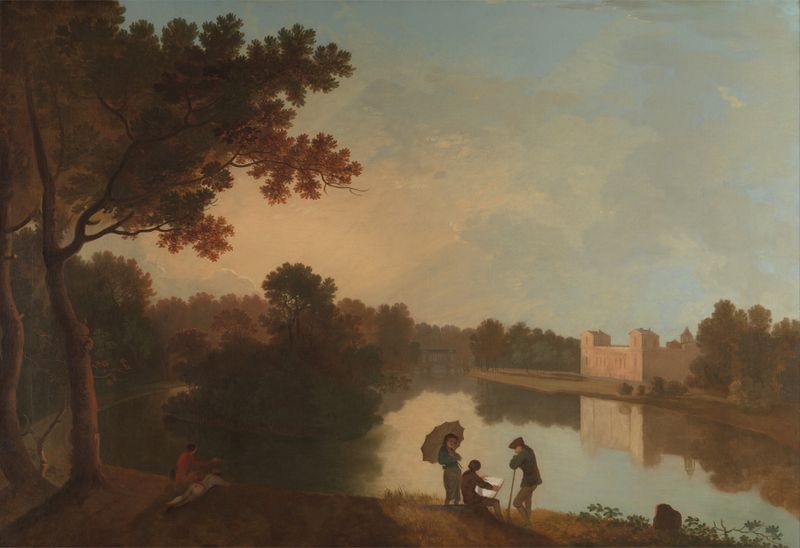
Wilton House from the Southeast
Richard Wilson
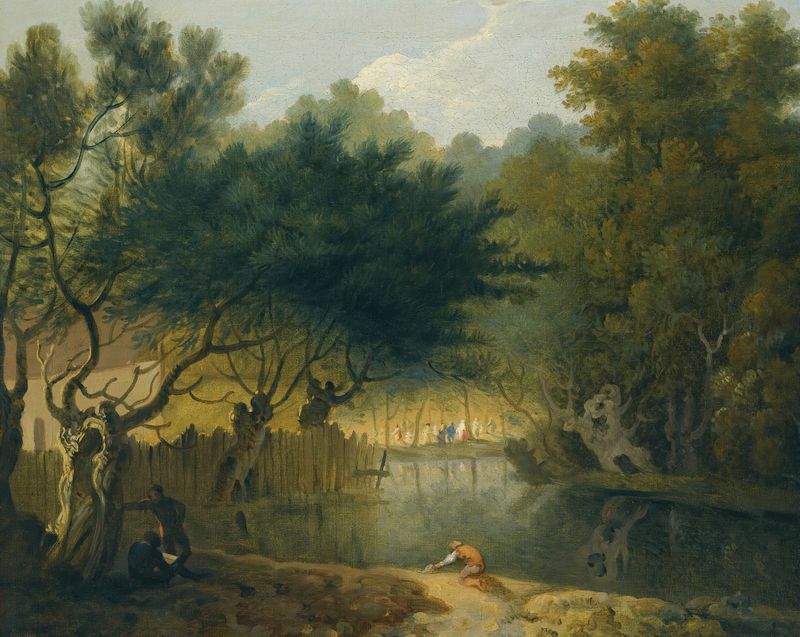
A View Of St. James’s Park, London
Richard Wilson
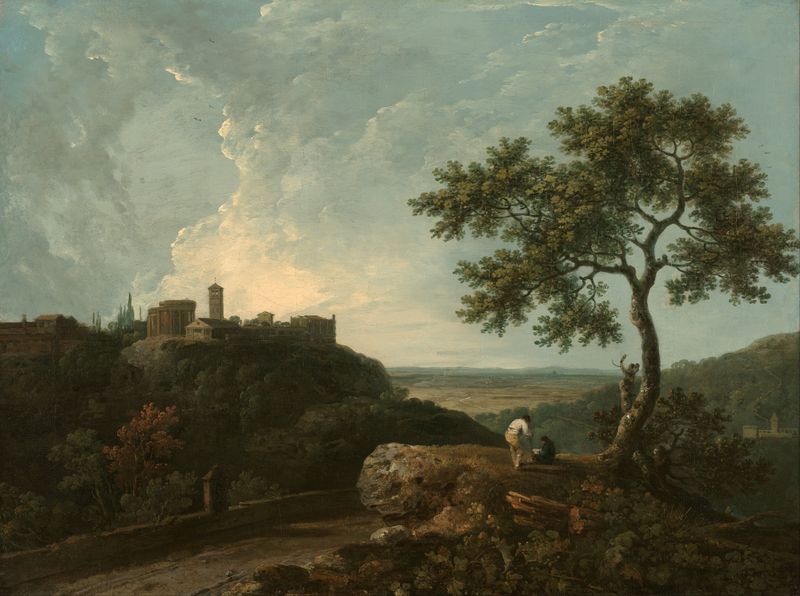
Tivoli- The Temple of the Sybil and the Campagna
Richard Wilson
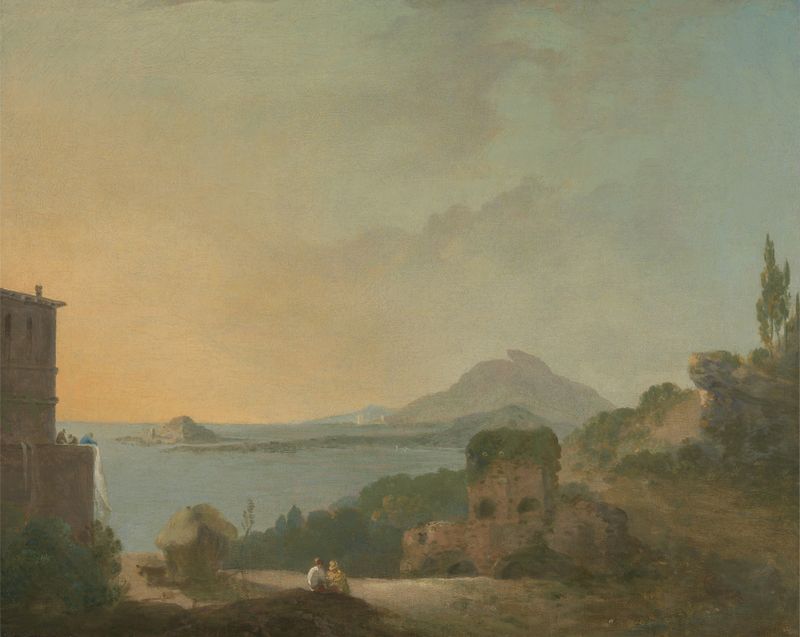
Cicero’s Villa and the Gulf of Pozzuoli
Richard Wilson
Italian Landscape (Morning)
Richard Wilson
View near Wynnstay, the Seat of Sir Watkin Williams-Wynn, BT.
Richard Wilson





