
The White Terraces — History & Facts
In The White Terraces, longing permeates the canvas, as if each layer of paint carries whispers of stories untold. The ethereal beauty of the landscape invites contemplation, suggesting the passage of time and the ephemeral nature of memory. Focus on the sweeping curves of the terraces, where the brilliant white contrasts starkly with the surrounding verdant greens. Notice how the light dances across the surface, illuminating texture that evokes the soft touch of nature.
Each stroke seems deliberate, breathing life into the scene—a harmonious blend of light and shadow that draws your eye back to the horizon, where earth meets sky in a delicate embrace. Yet, beneath the serene surface lies a tension—a yearning for connection. The untouched white terraces stand as a metaphor for lost opportunities, evoking a sense of nostalgia. The subtle interplay of colors, from the soft blues in the sky to the deep greens below, hints at a balance between hope and despair, capturing a moment poised on the brink of change. In 1881, Charles Decimus Barraud created this work amidst a burgeoning interest in landscape painting, particularly in capturing the sublime beauty of nature.
Living in a time of significant artistic transition, Barraud was influenced by both the Impressionists and traditional techniques, which allowed him to forge a unique style that resonated with contemporary audiences. As he painted, the world around him was increasingly embracing the exploration of natural beauty, setting the stage for his poignant reflections on the landscapes he cherished.
More Artworks by Charles Decimus Barraud
Browse all →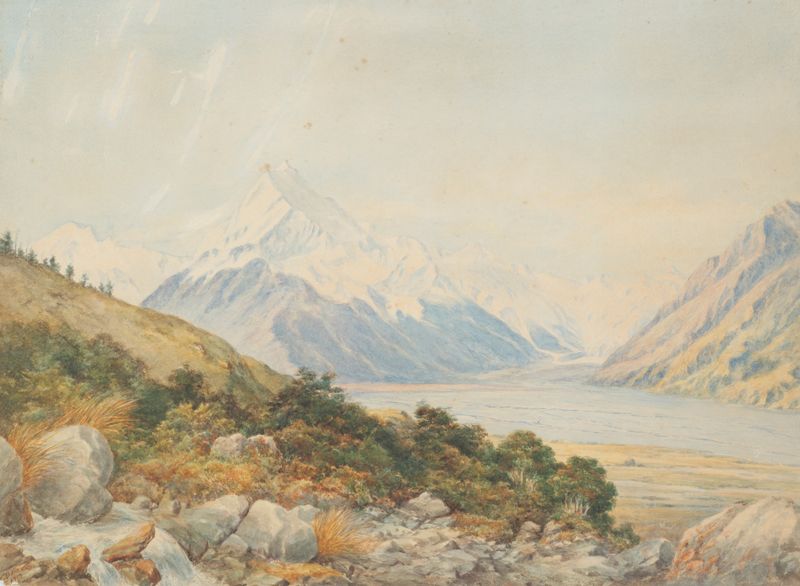
Mt. Cook from Tasman Valley
Charles Decimus Barraud
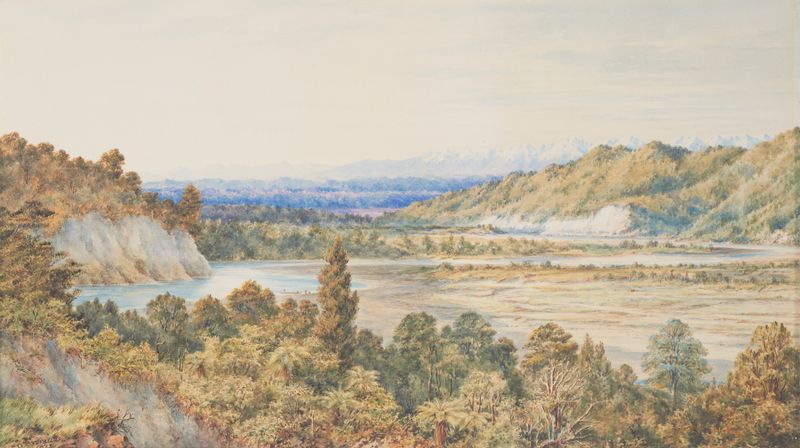
The Manawatu
Charles Decimus Barraud
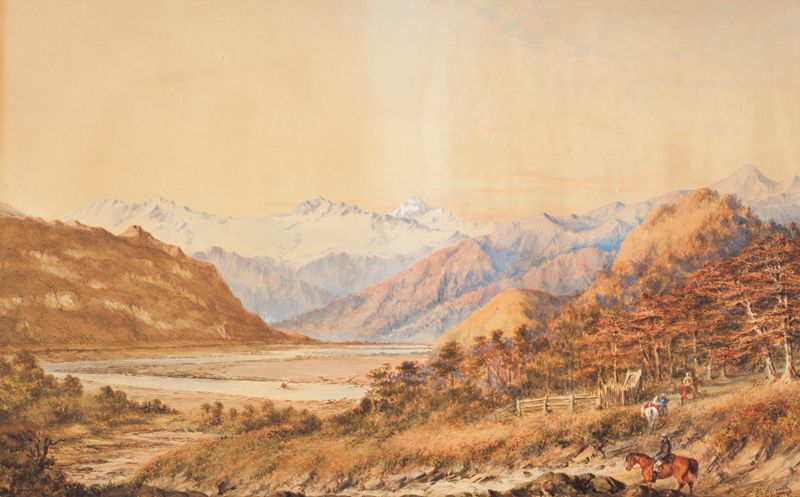
View of Mt. Aspiring, Province of Otago, looking north up the Valley of Matekitiki River from Dr Hector’s camp of 1863
Charles Decimus Barraud
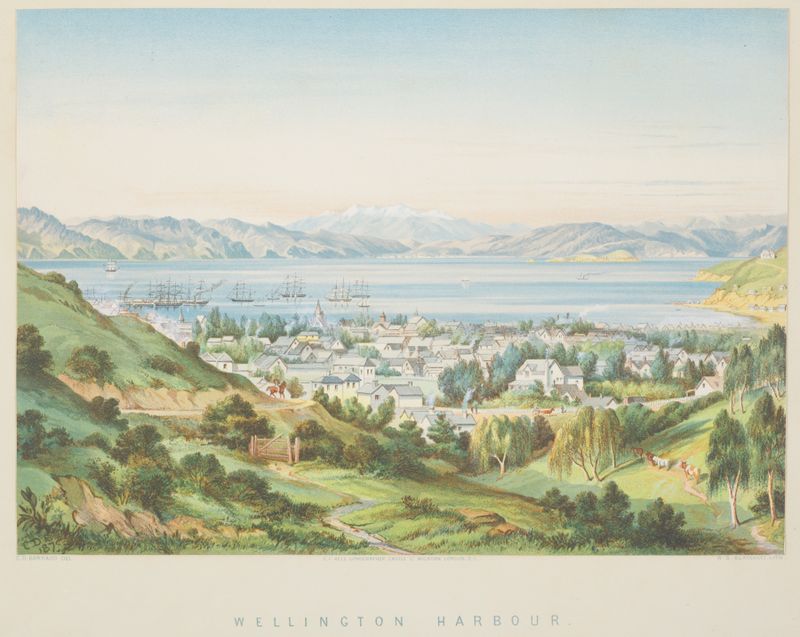
New Zealand Graphic and Descriptive. Wellington Harbour.
Charles Decimus Barraud
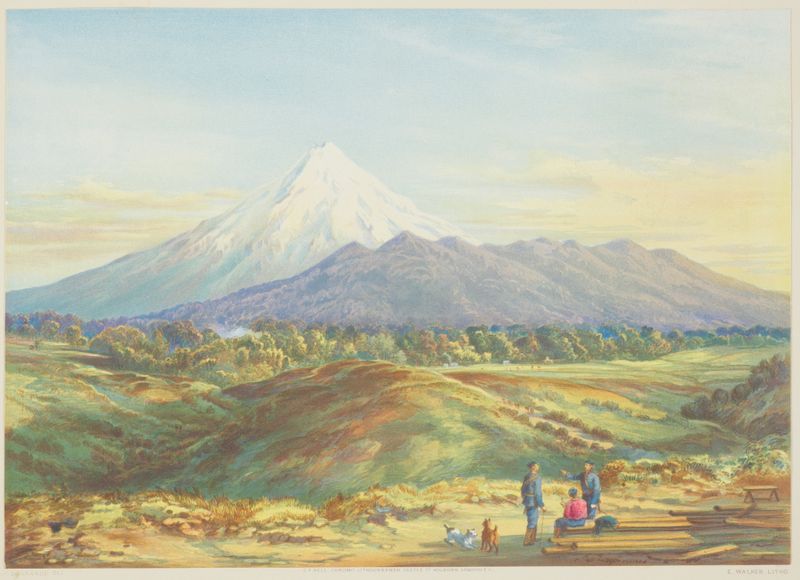
New Zealand Graphic and Descriptive. Mt Egmont.
Charles Decimus Barraud
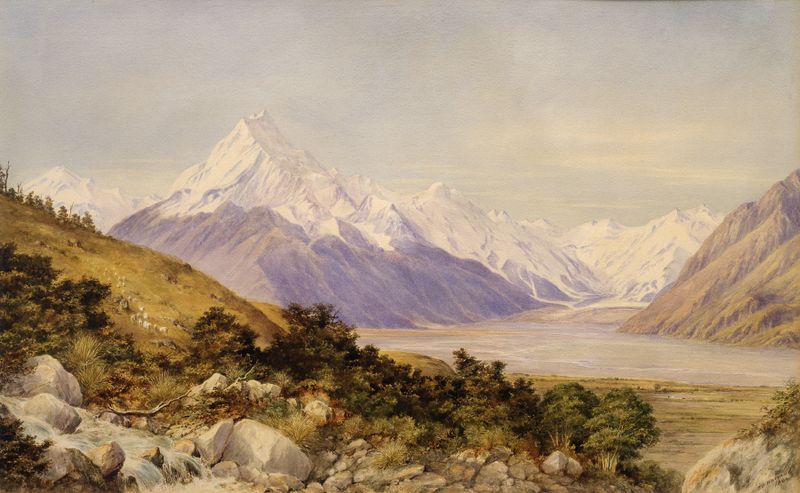
Mt. Cook
Charles Decimus Barraud
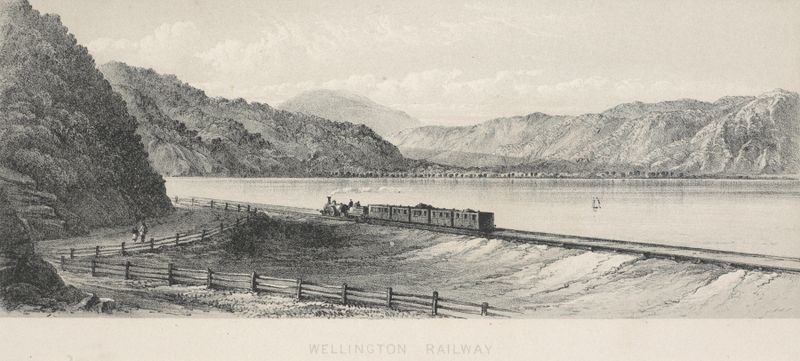
New Zealand Graphic and Descriptive. Plate I. Wellington Railway
Charles Decimus Barraud
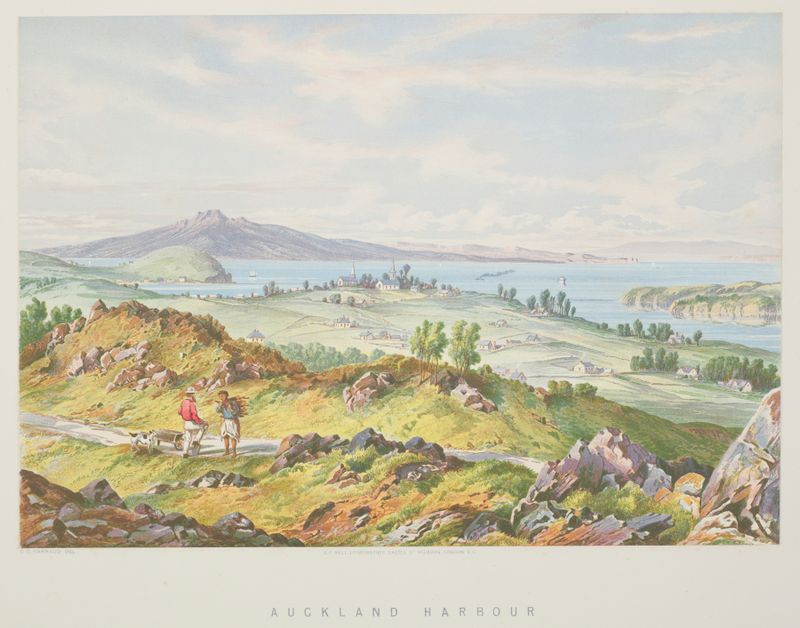
New Zealand Graphic and Descriptive. Auckland Harbour
Charles Decimus Barraud
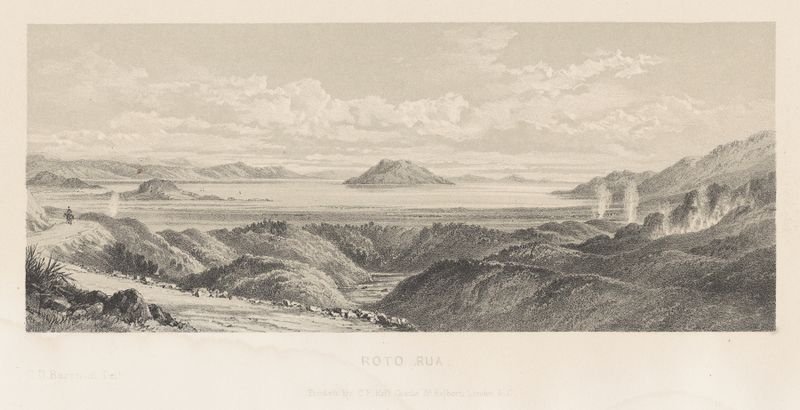
New Zealand Graphic and Descriptive. Plate III. Roto-rua
Charles Decimus Barraud
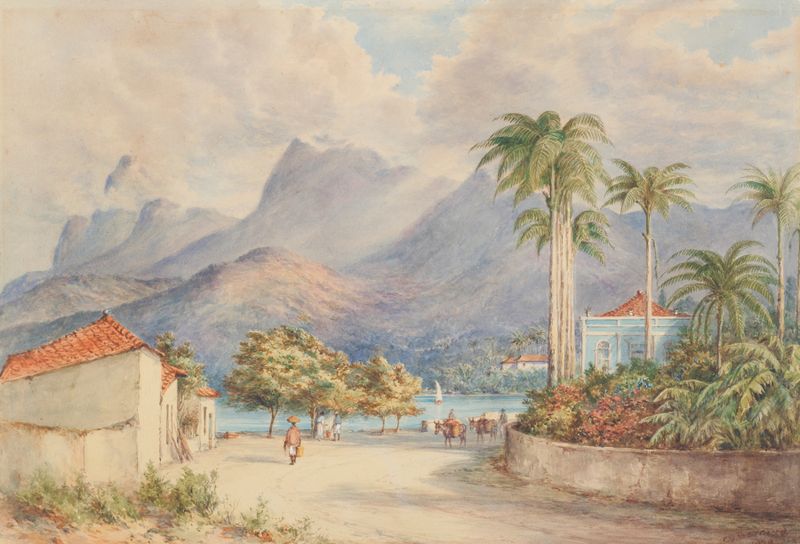
Rio de Janeiro
Charles Decimus Barraud





