The Willows — History & Facts
Can paint confess what words never could? The Willows evokes the bittersweet essence of memory, capturing the delicate interplay between time and emotion. Look to the left at the gentle sway of the willows, their cascading branches brushing against the water’s surface. The artist’s deft strokes create a shimmering effect, with dabs of rich greens and soft blues capturing the tranquility of the scene. Notice how the light filters through the foliage, casting a dappled glow that draws your eyes toward the reflective water, where shapes merge and dance, signifying the transitory nature of moments held dear. Within the serene landscape lies a tension between solitude and connection.
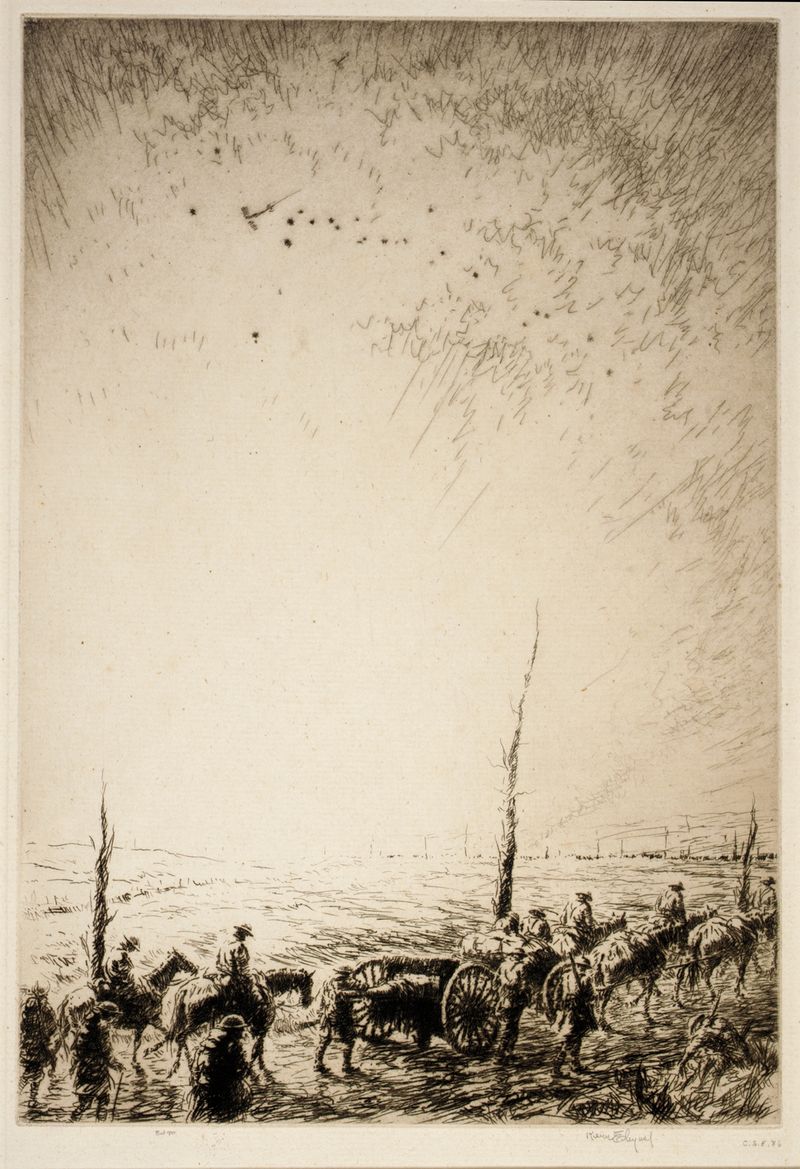
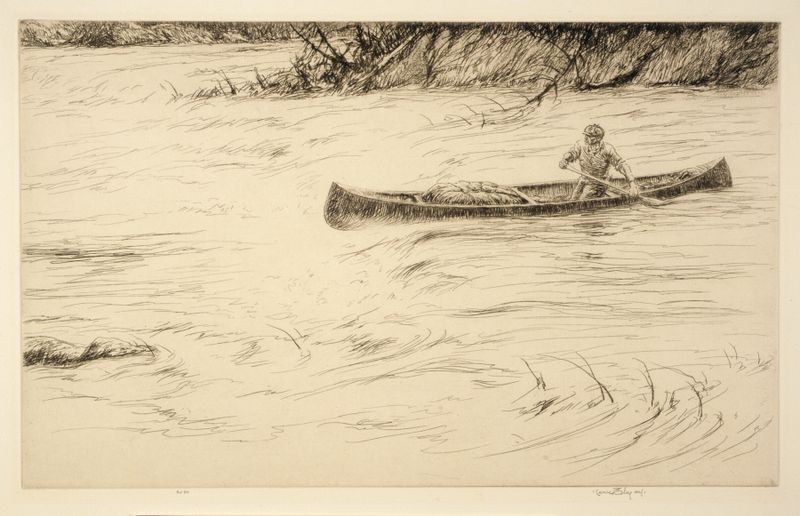
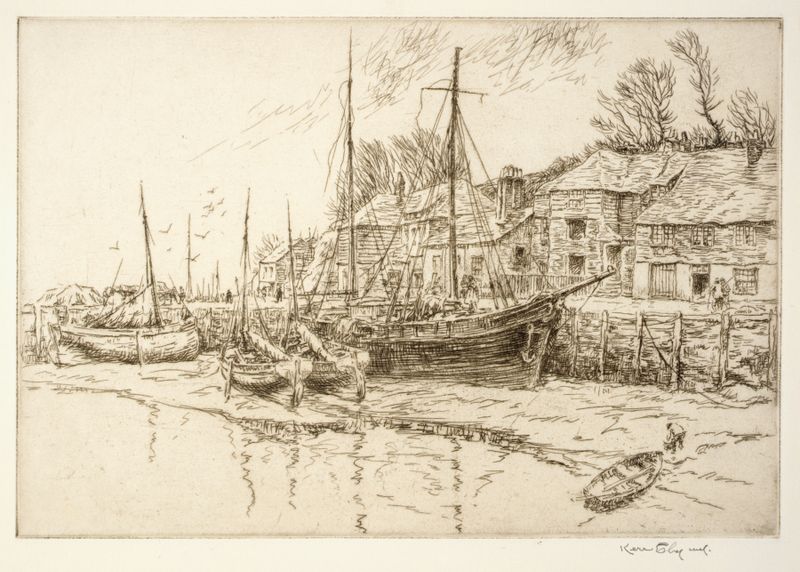
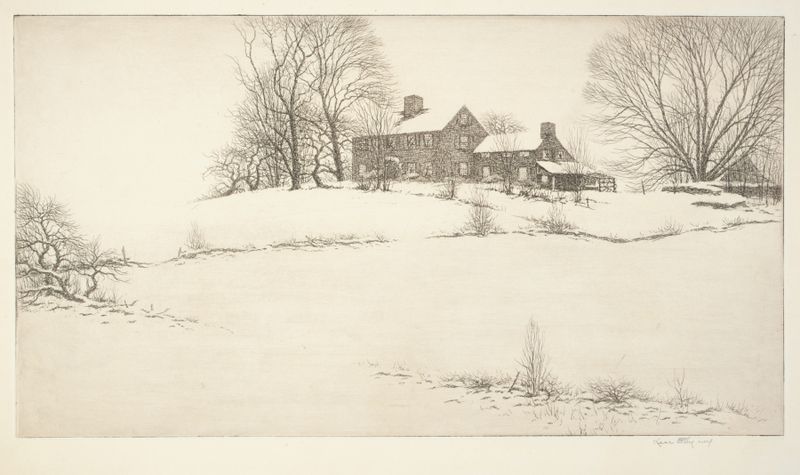
The willows, bent yet resilient, symbolize the weight of nostalgia, each leaf whispering secrets of the past. The stillness of the water mirrors the calmness yet hints at the depths of unspoken stories submerged beneath its surface, evoking a sense of longing. The absence of human figures emphasizes personal reflection, inviting viewers to project their own memories onto this quiet sanctuary. Kerr Eby created The Willows in 1919, a period marked by the aftermath of World War I and a shift in artistic perspectives.
Living in the United States as a Canadian émigré, Eby grappled with the complexities of a world forever changed. This artwork represents his response to a time of both beauty and disillusionment, reflecting an inner yearning for peace amidst the echoes of conflict and loss.