
The Willows in Andrusha — History & Facts
When Taras Shevchenko painted The Willows in Andrusha in 1845, he was not only an artist but also a political exile, sent by the Russian authorities to document Ukraine’s historical monuments. This particular work stands out because it was created during Shevchenko’s famous “pereyaslav expedition,” a journey that would later inspire his most significant poetry and drawings. The painting is one of the rare visual records from that trip, capturing a landscape that was both a real place and a symbol of Ukrainian identity under threat.
While the exact medium of the piece remains uncertain, its association with Shevchenko’s dual role as artist and chronicler gives it a special place in Ukrainian cultural memory. The scene unfolds in the quiet village of Andrusha, where ancient willows stretch their gnarled branches over the banks of a gentle stream. Shevchenko chose a moment of stillness: the willows dominate the foreground, their roots tangled in the earth, suggesting endurance and continuity. In the distance, low cottages nestle among the fields, almost dwarfed by the trees, as if the landscape itself is the true subject.
The play of light through the leaves, rendered with delicate attention, draws the viewer’s eye to the water’s surface, where reflections blur the boundary between land and sky. Unlike the grand, theatrical landscapes of Ivan Aivazovsky, Shevchenko’s approach is intimate and rooted in observation, focusing on the humble beauty of rural Ukraine. The physical journey of The Willows in Andrusha reflects the turbulent history of its creator. There is no record of a wealthy patron; instead, the work likely remained with Shevchenko or his circle, treasured for its connection to his personal story and the broader Ukrainian cause.
Over the years, it has been preserved in Ukrainian collections, surviving wars and political upheaval, and today it is held by the National Museum Taras Shevchenko in Kyiv. For Shevchenko, 1845 marked a turning point—his art and poetry became inseparable from his activism. This painting, modest in scale but rich in feeling, stands as a testament to his vision of Ukraine: enduring, rooted, and quietly defiant.
More Artworks by Taras Shevchenko
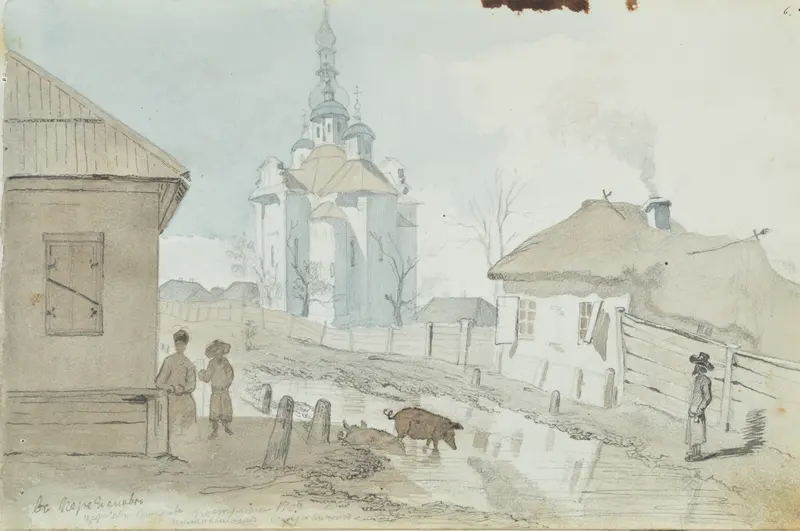
1845 Sh Sketchbook f.06r
Taras Shevchenko

1845 Sh Sketchbook f.04r
Taras Shevchenko

1848 Bilia vohnu
Taras Shevchenko
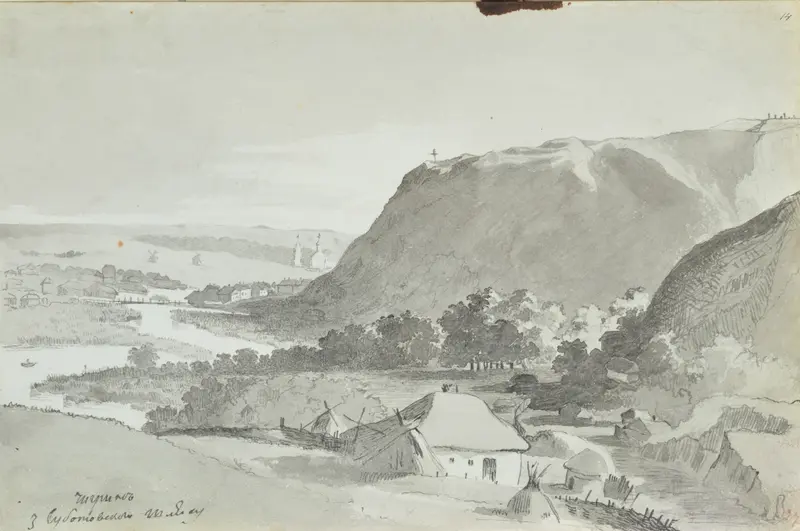
1845 Sh Sketchbook f.14r
Taras Shevchenko
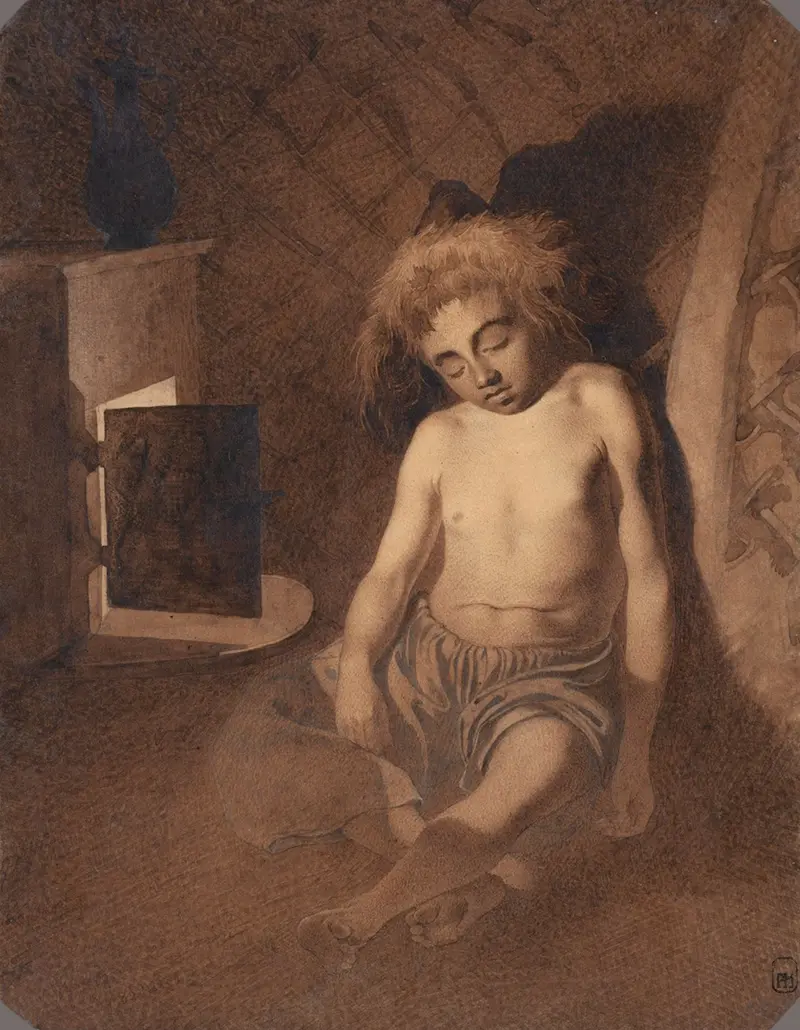
1848 Hlopcyk zasnuv
Taras Shevchenko
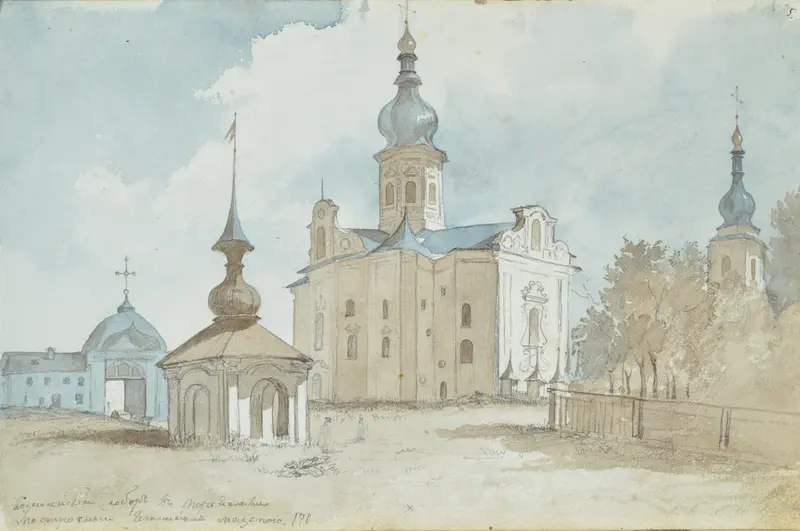
1845 Sh Sketchbook f.05r
Taras Shevchenko
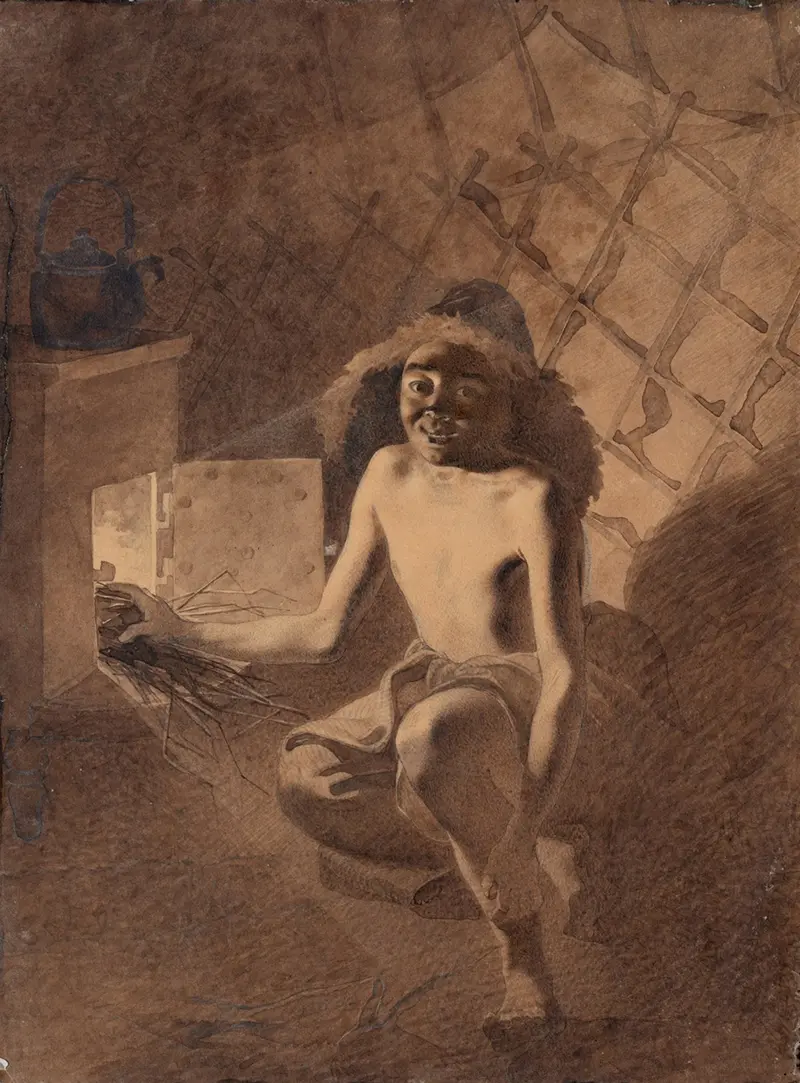
1848 Hlopcyk rozpalije
Taras Shevchenko
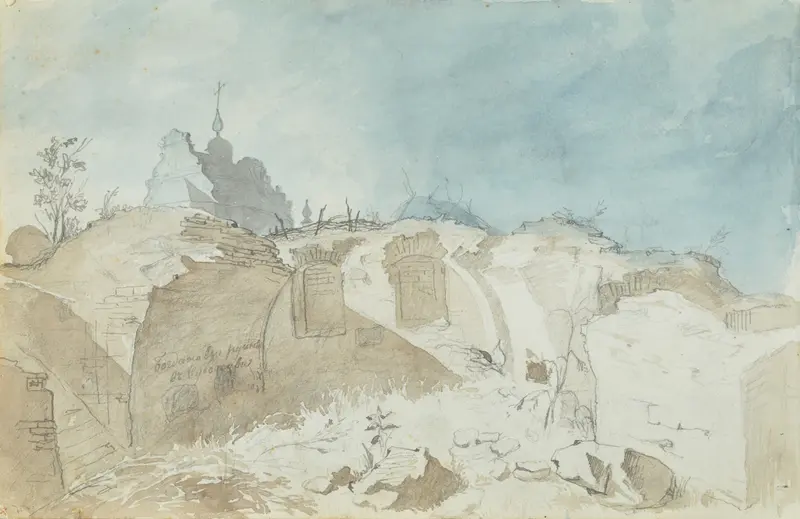
1845 Sh Sketchbook f.12v
Taras Shevchenko
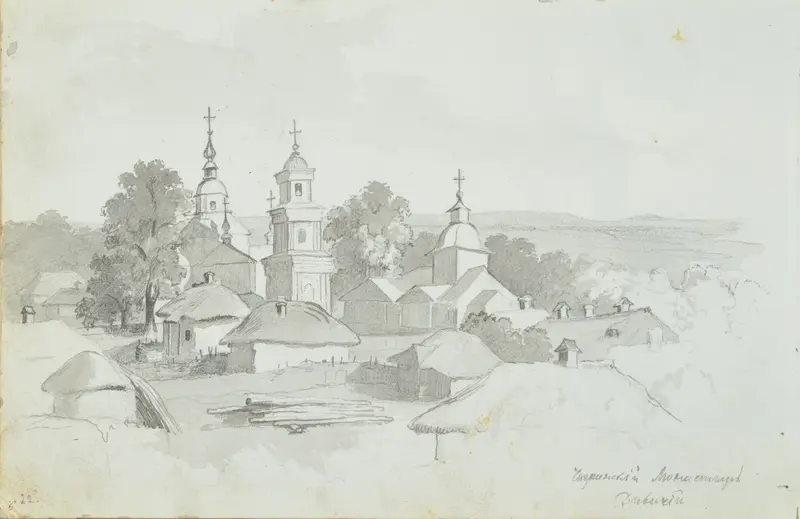
1845 Sh Sketchbook zz f.11v
Taras Shevchenko
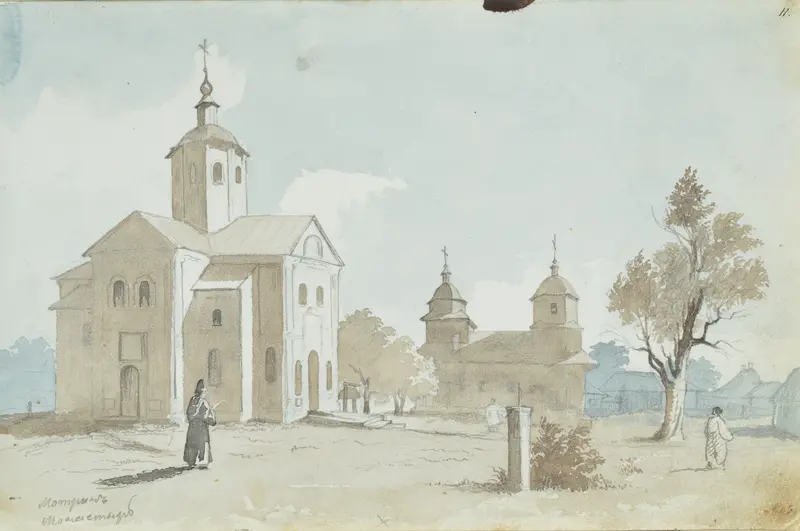
1845 Sh Sketchbook f.11r
Taras Shevchenko
More Landscape Art

The Starry Night
Vincent van Gogh

View of Delft
Johannes Vermeer

Water Lilies
Claude Monet

The Grand Canal, Venice, looking north-west from the Ca' Corner to the Ca' Contarini degli Scrigni, with the campanile of Santa Maria della Carità
Canaletto

Windsor Castle
Canaletto

The Grand Canal looking North-East from the Palazzo Dolfin-Manin to the Rialto Bridge
Canaletto