
The Windmill — History & Facts
Within the stillness of The Windmill, the viewer encounters a quiet void that speaks volumes about absence and presence. It invites contemplation on the fleeting nature of life and the permanence found on canvas. Look to the center where the windmill stands, its silhouette cutting against a soft, muted sky. The gentle strokes of blue and gray envelop the scene, suggesting an atmosphere heavy with nostalgia.
Notice how the light dances across the blades, casting delicate shadows that hint at the passage of time and the quiet decay of rural life. The composition draws the eye in a circular motion, creating an almost meditative experience as one spirals around the central figure. Delve into the details: the grass at the base, lush yet waning, embodies the tension between vitality and neglect. The windmill, a once-bustling symbol of industry, now stands as a solitary sentinel, evoking a sense of loneliness.
These contrasts—of past exuberance versus present stillness—resonate deeply, reflecting the human condition’s struggle against the void of time. Each brushstroke carries a whisper of memory, urging the viewer to confront what has been lost. Jacob Maris painted this work during a transformative period in the Netherlands, between 1880 and 1886. At this time, he was deeply engaged with the Impressionist movement, experimenting with light and texture.
The world of art was shifting, evolving from rigid structures to embrace a more fluid and emotive expression. In this fertile artistic landscape, Maris captured not just a scene, but a moment suspended in time, forever holding its breath.
More Artworks by Jacob Maris
Browse all →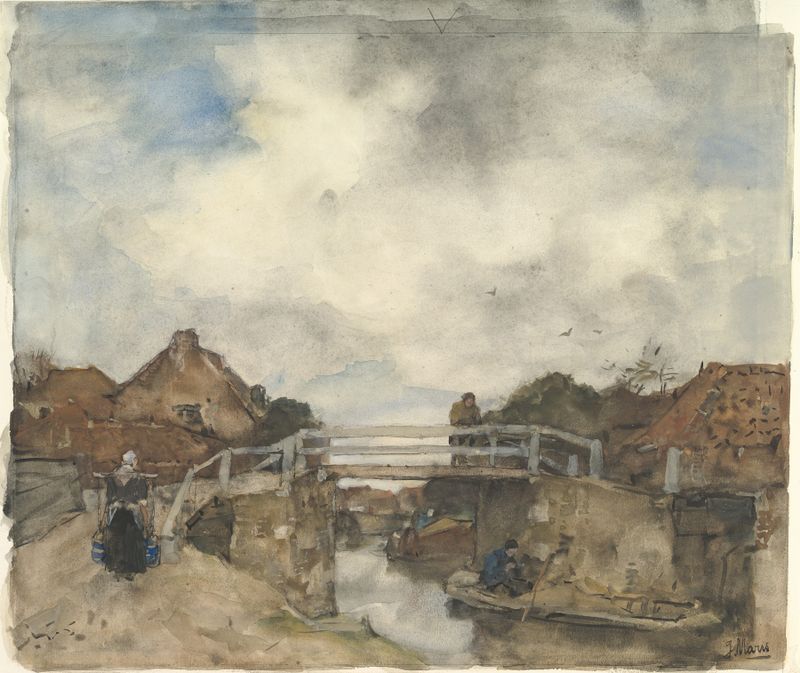
Dutch Canal, Rijswijk
Jacob Maris
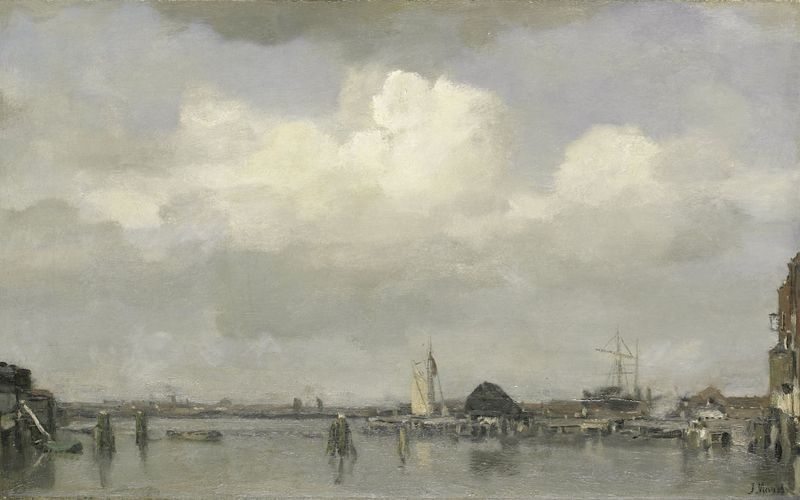
Havengezicht
Jacob Maris
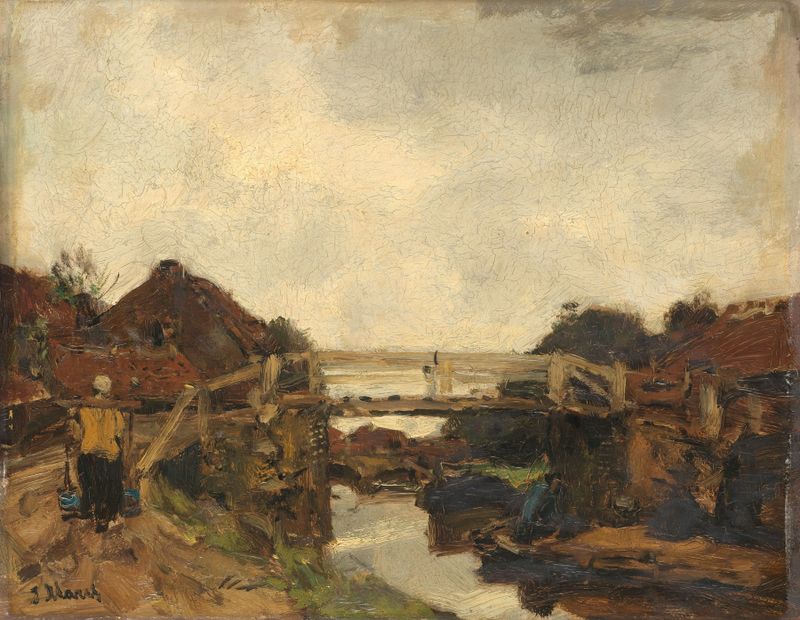
Wooden Bridge across a Canal at Rijswijk
Jacob Maris
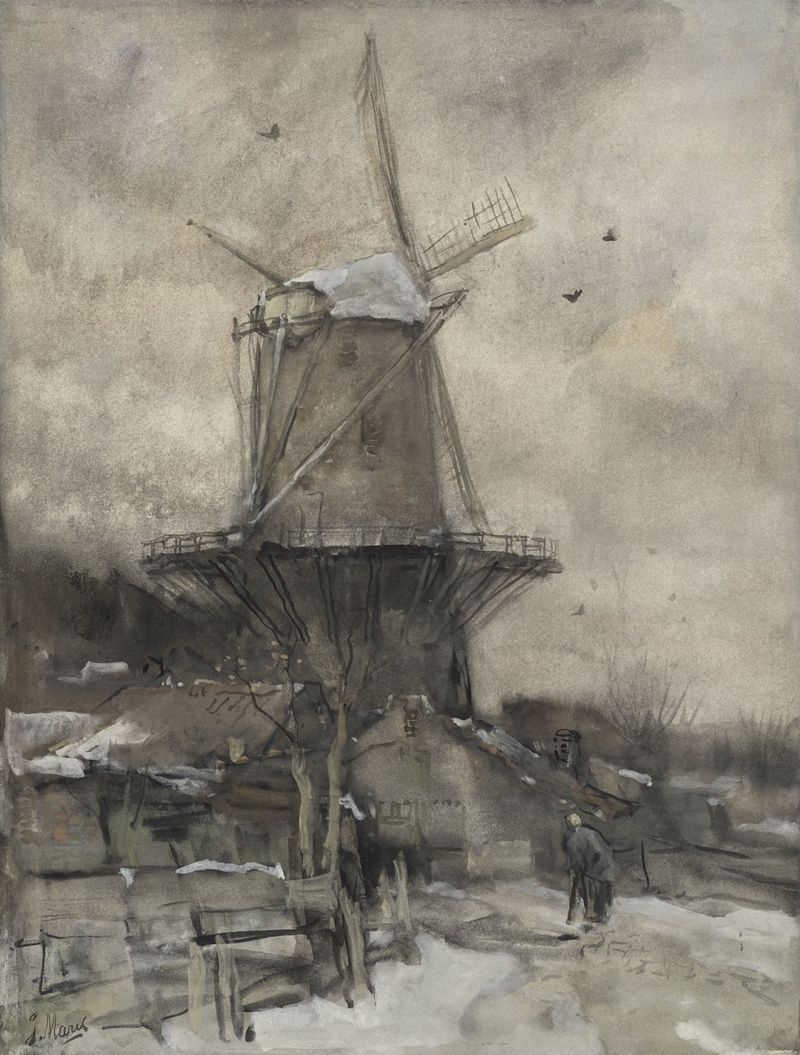
Een molen in de winter
Jacob Maris
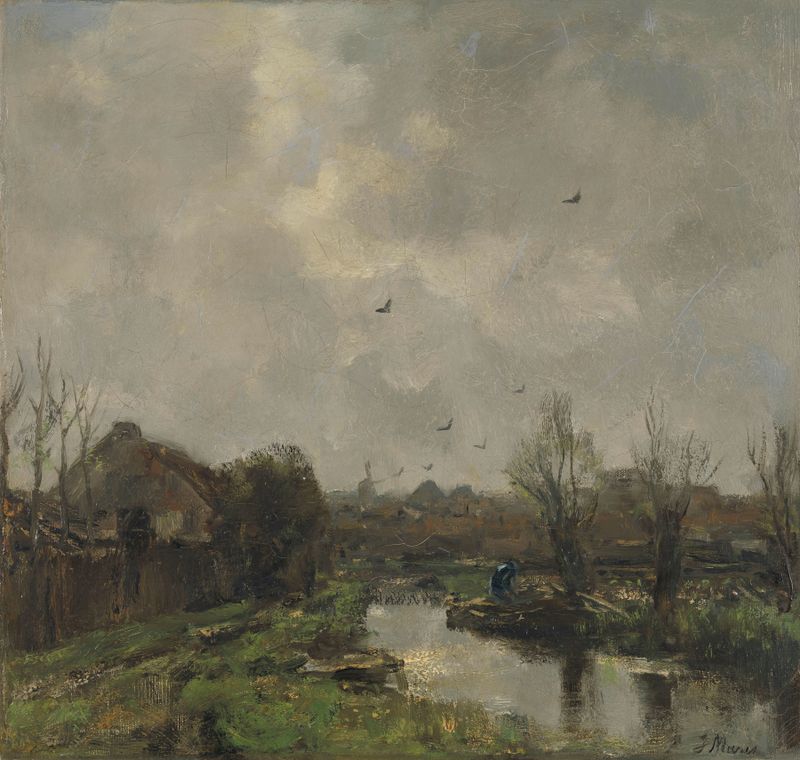
Landschap in de omgeving van Den Haag
Jacob Maris
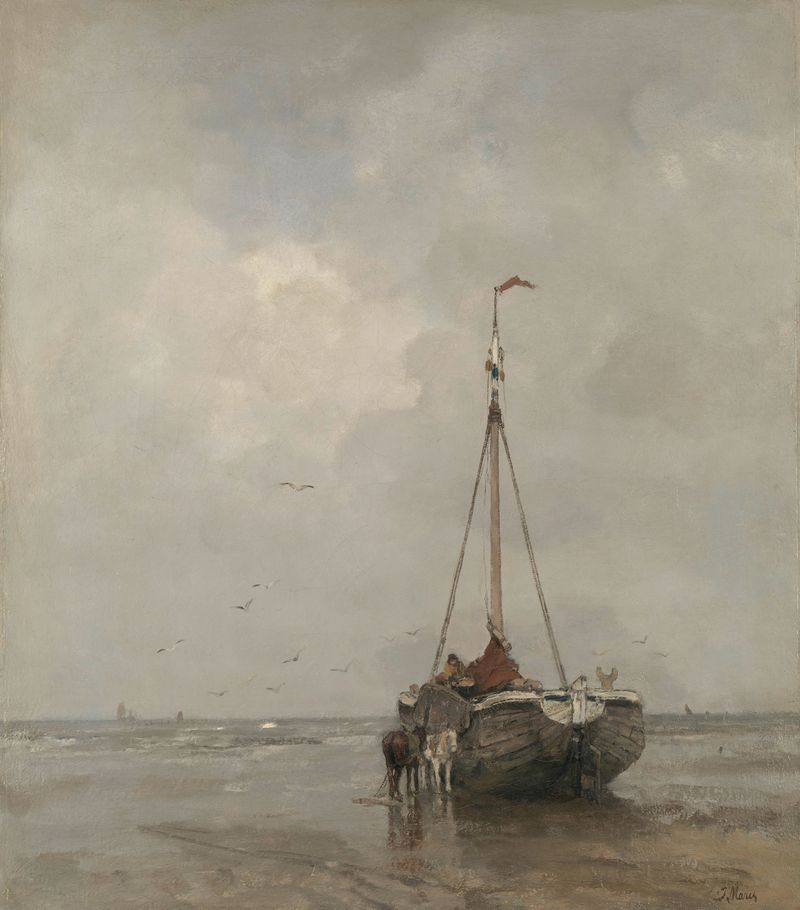
Bluff-bowed Fishing Boat on the Beach at Scheveningen
Jacob Maris
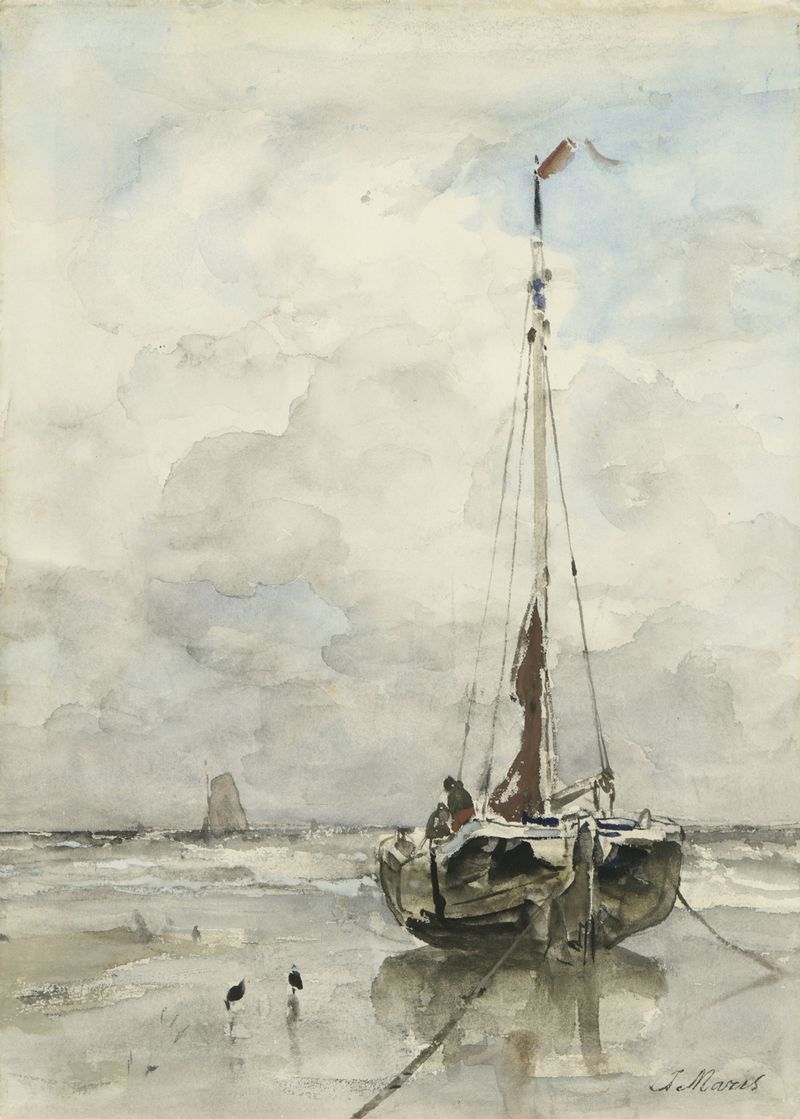
Visserspink aan het strand
Jacob Maris
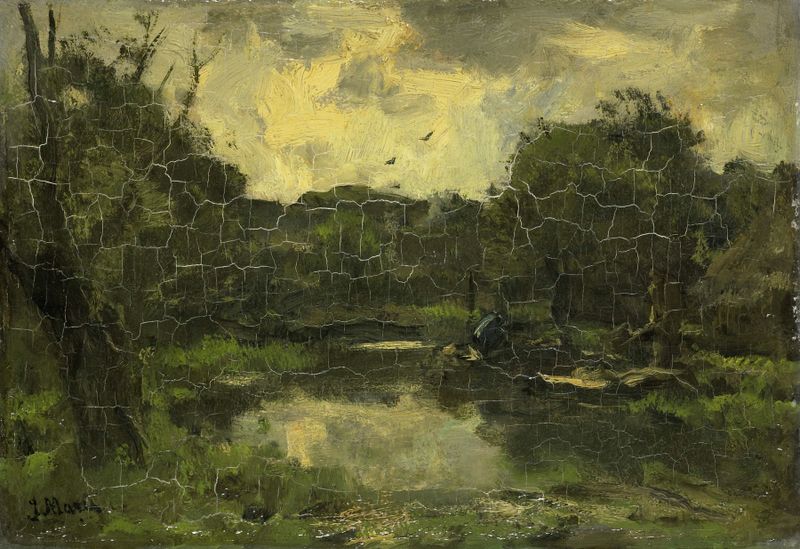
Landschap met schuit
Jacob Maris
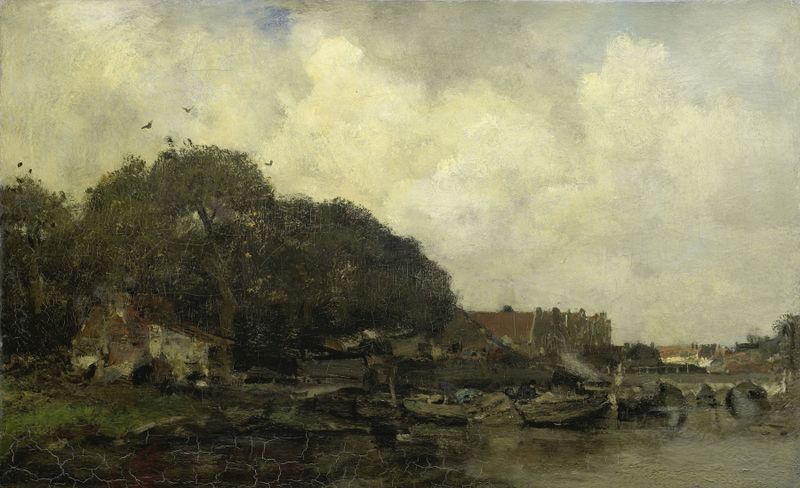
Havengezicht
Jacob Maris
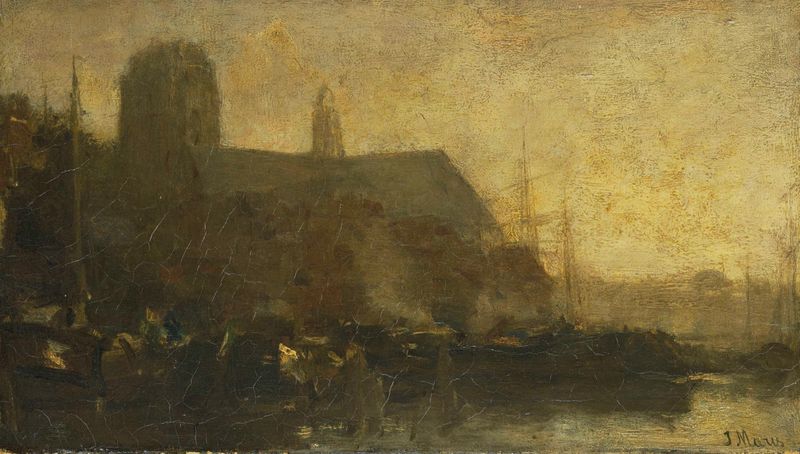
Schepen in de haven van Dordrecht
Jacob Maris





