
The Wye at Wilton Castle (Wales) — History & Facts
In the quiet embrace of nature, hope springs eternal, even amidst the shadows of loss. Focus on the gentle river, winding through the canvas, guiding your gaze toward the vibrant hues of the landscape. Notice how the sunlight dances upon the water’s surface, creating a shimmering texture that evokes tranquility. The palette of greens and golds, coupled with soft blues, speaks to the vitality of life, while the intricate brushwork brings the scene to life, creating a sense of depth and movement that invites contemplation. Within the serene composition lies a subtle tension between the ruggedness of nature and the tranquil flow of the river.
The juxtaposition of the castle’s imposing silhouette against the fluidity of the water may reflect the conflict between human ambition and the enduring power of nature. Small details, like the delicate ripples in the river or the way the trees lean toward the light, symbolize resilience and the promise of renewal. George Elbert Burr painted this work in 1899, capturing a moment in his life when he was developing his unique style. At this time, he was living in a period marked by both impressionism and the emerging American landscape movement.
His journey toward mastering the interplay of light and nature was a response to the changing world around him, as artists began to explore deeper emotional connections to their subjects.
More Artworks by George Elbert Burr
Browse all →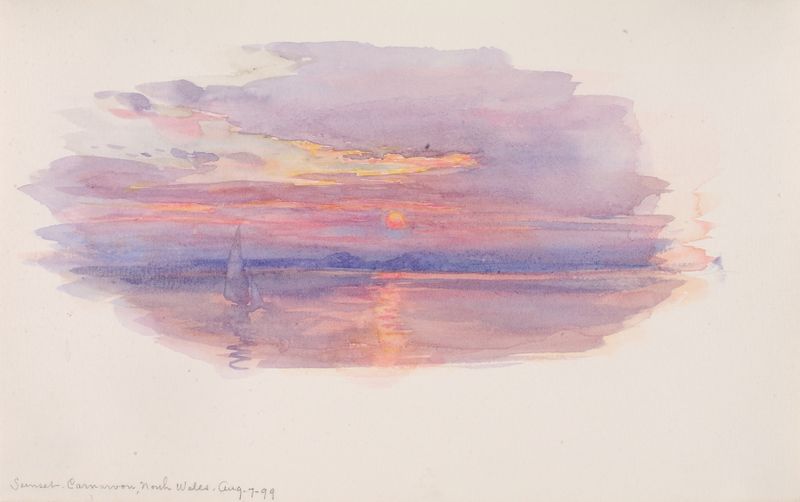
Sunset, Caernarvon, North Wales
George Elbert Burr
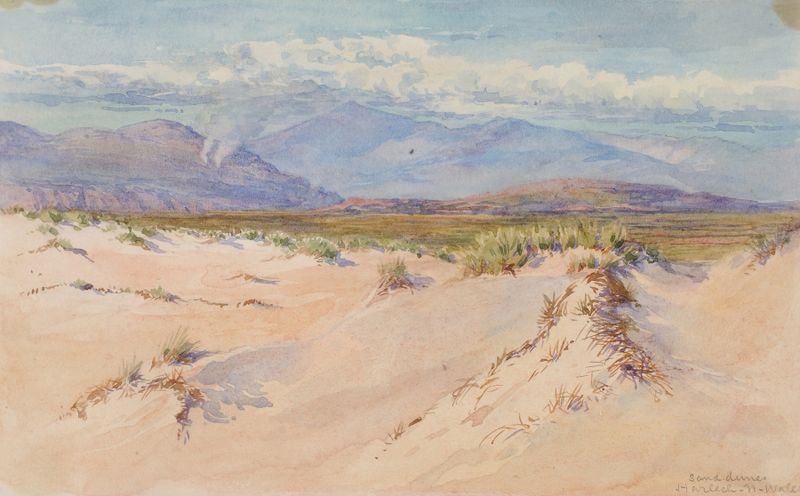
Sand Dunes, Harlech, North Wales
George Elbert Burr

From Pincio, Rome
George Elbert Burr

The Wye near Ross
George Elbert Burr

Venice
George Elbert Burr
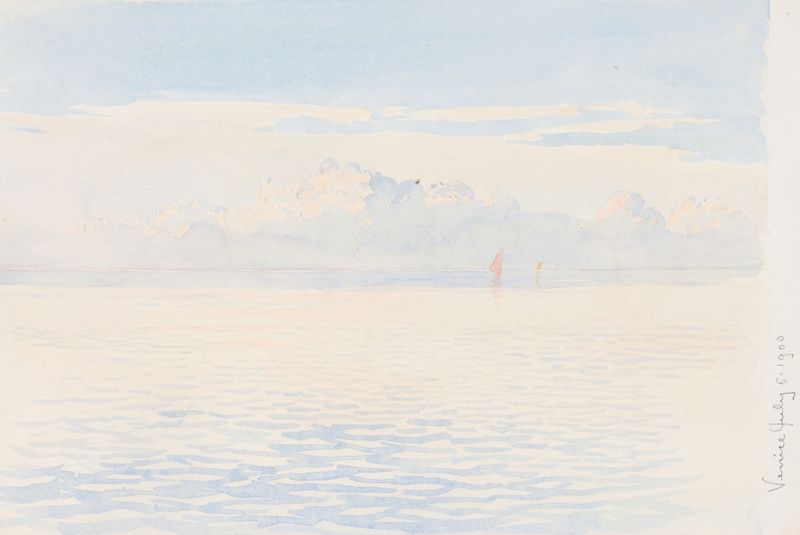
Venice II
George Elbert Burr

Shore at Pwllheli, N. Wales
George Elbert Burr

Venice
George Elbert Burr

Criccieth, N. Wales II
George Elbert Burr

Old Bridge near Bettws-y-Coed, North Wales
George Elbert Burr





