
Shore at Pwllheli, N. Wales — History & Facts
The shimmering light upon the water's surface, the ephemeral dance of color and shadow, reminds us of life's transient nature. Look to the center where the sunlight spills across the waves, creating a brilliant pathway that draws the eye into the distance. Notice how the artist employs a palette of soft blues and warm ochres, blending them seamlessly to capture the essence of a coastal scene bathed in afternoon light. To the left, rugged cliffs stand sentinel, their textured surfaces echoing the tumultuous relationship between nature’s beauty and its inherent harshness. Burr’s brushwork reveals emotional contrasts: the serene waves in the foreground whisper of calm, while the jagged cliffs signal endurance and erosion.
Each stroke encapsulates a moment frozen in time, suggesting that even in tranquil beauty, an undercurrent of struggle exists. The gentle ripples seem to cradle the weight of untold stories, a reminder that light, while illuminating, also casts shadows. In 1899, George Elbert Burr was creating this work amidst a burgeoning interest in American Impressionism, which sought to capture fleeting moments of light and atmosphere. As he painted *Shore at Pwllheli, N.
Wales*, he was immersed in the scenic landscapes of the Welsh coast, a period marked by exploration and a deepening appreciation for natural beauty, both in his life and in the broader art world.
More Artworks by George Elbert Burr
Browse all →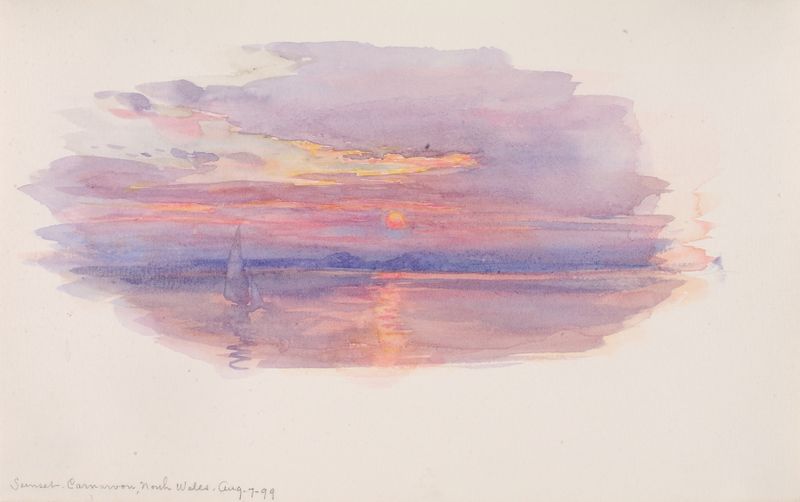
Sunset, Caernarvon, North Wales
George Elbert Burr
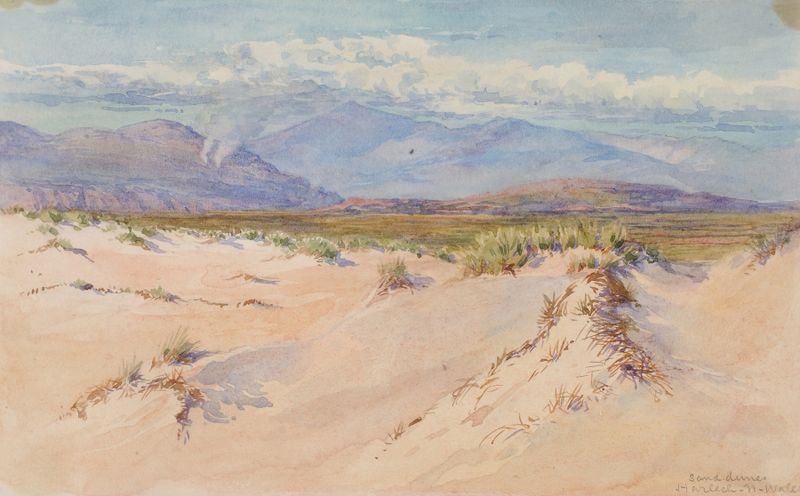
Sand Dunes, Harlech, North Wales
George Elbert Burr

From Pincio, Rome
George Elbert Burr

The Wye near Ross
George Elbert Burr

Venice
George Elbert Burr
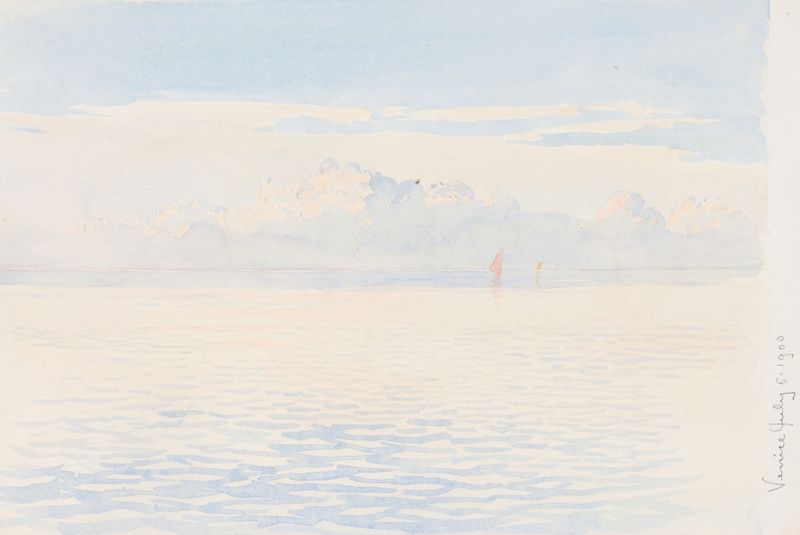
Venice II
George Elbert Burr

The Wye at Wilton Castle (Wales)
George Elbert Burr

Venice
George Elbert Burr

Criccieth, N. Wales II
George Elbert Burr

Old Bridge near Bettws-y-Coed, North Wales
George Elbert Burr





