
Venice II — History & Facts
In a world where transience reigns, the fragility of moments is captured with exquisite precision. Look to the left at the gentle rippling of the water, where the reflections of ancient architecture shimmer like whispers of the past. The palette, a serene blend of soft blues and warm, muted earth tones, creates a tranquil atmosphere, evoking a time that feels both distant and immediate. Notice how the delicate brushstrokes render the buildings with a sense of reverence, each stroke a testament to their enduring spirit as they stand resilient against the march of time. Amidst this picturesque scene lies an emotional undertone — the contrast between the serene beauty of the setting and the looming threat of decay.
The water, while calm, suggests the passage of time, hinting at the inevitable erosion of memory. Each element speaks to the tension between permanence and impermanence, a reminder of the fragility inherent in our lives and surroundings. In 1900, George Elbert Burr found himself in an era rich with artistic exploration and burgeoning movements. Living in the United States while traveling through Europe, he sought to capture the ever-changing essence of places like Venice, infusing his work with a deep appreciation for the interplay of light and shadow.
This period saw a growing interest in tonalism, which influenced his approach, allowing him to express both beauty and the poignant sense of loss that accompanies moments suspended in time.
More Artworks by George Elbert Burr
Browse all →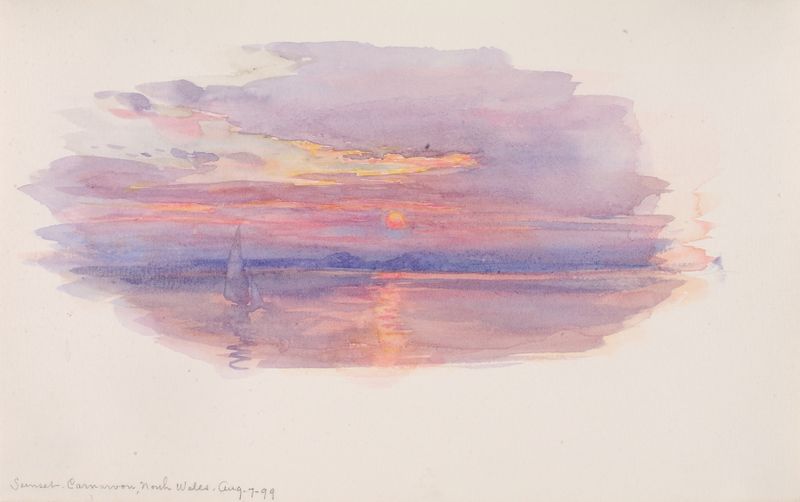
Sunset, Caernarvon, North Wales
George Elbert Burr
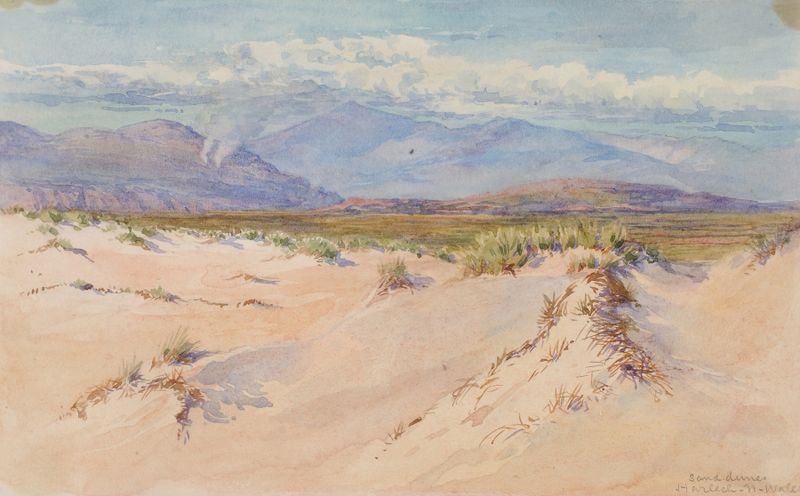
Sand Dunes, Harlech, North Wales
George Elbert Burr

From Pincio, Rome
George Elbert Burr

The Wye near Ross
George Elbert Burr

Venice
George Elbert Burr

Shore at Pwllheli, N. Wales
George Elbert Burr

The Wye at Wilton Castle (Wales)
George Elbert Burr

Venice
George Elbert Burr

Criccieth, N. Wales II
George Elbert Burr

Old Bridge near Bettws-y-Coed, North Wales
George Elbert Burr





