
The Wye near Ross — History & Facts
What if silence could speak through light? In The Wye near Ross, a tranquil river scene captures the very essence of stillness, where nature whispers secrets through the gentle reflections and soft tones. Look to the lower left at the placid waters that cradle the shimmering sky, where the light dances in hues of blue and gold. Notice how the brushstrokes create a delicate balance of realism and impressionism, blending seamlessly to evoke the peacefulness of the landscape. The trees, lush and full, frame the scene with their vibrant greens, contrasting against the gentle browns of the riverbank, inviting the viewer to linger in this serene moment. Burr’s choice of soft light highlights a profound stillness, reflecting the harmony between man and nature.
The muted colors suggest the passage of time, while the smooth surface of the water acts as a mirror, revealing not just the landscape, but also a contemplative space for the soul. This inviting calm juxtaposes the larger world beyond the canvas, reminding us of life's fleeting beauty and the quiet spaces we often overlook. Painted in 1899, this work emerged from Burr’s deep engagement with natural landscapes during a period when American artists were beginning to explore the interplay of light and color with a renewed focus. Residing in the artistic milieu of the late 19th century, Burr embraced the Impressionist movement's principles, capturing a moment that invited quiet reflection amidst a rapidly changing world.
More Artworks by George Elbert Burr
Browse all →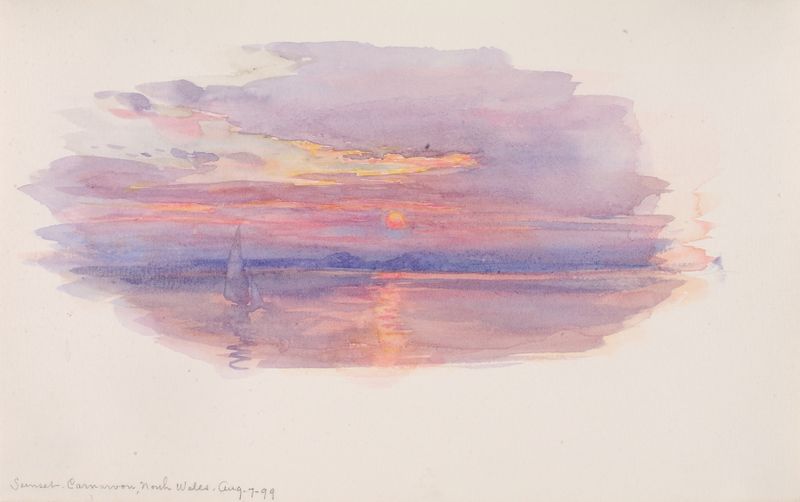
Sunset, Caernarvon, North Wales
George Elbert Burr
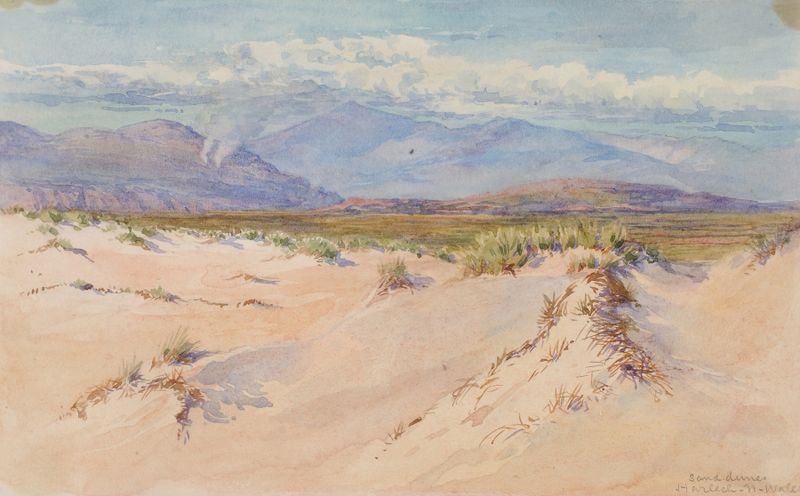
Sand Dunes, Harlech, North Wales
George Elbert Burr

From Pincio, Rome
George Elbert Burr

Venice
George Elbert Burr
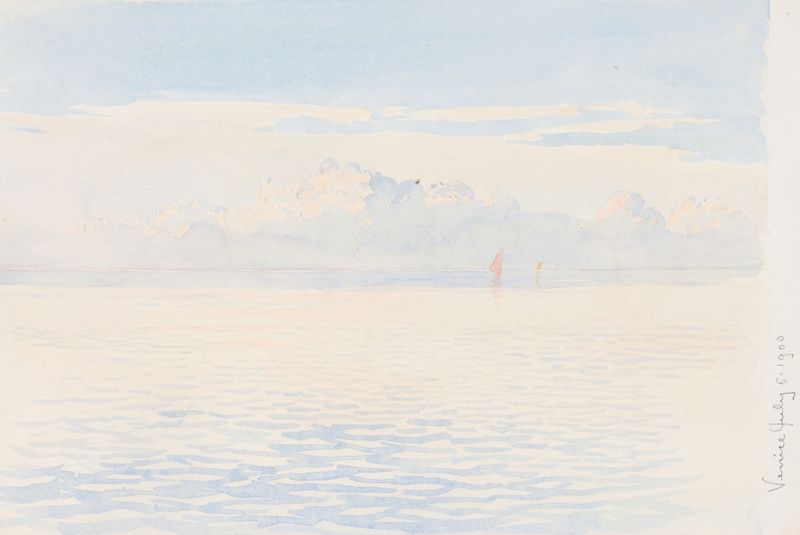
Venice II
George Elbert Burr

Shore at Pwllheli, N. Wales
George Elbert Burr

The Wye at Wilton Castle (Wales)
George Elbert Burr

Venice
George Elbert Burr

Criccieth, N. Wales II
George Elbert Burr

Old Bridge near Bettws-y-Coed, North Wales
George Elbert Burr





