
Venice — History & Facts
Could beauty survive in a century of chaos? In the hushed stillness of Venice, a world unfolds where solitude reigns, inviting contemplation amid the echoes of history. Look to the shimmering water that cradles the delicate architectural outlines, reflecting a city both ethereal and haunting. The soft palette of blues and muted earth tones paints an atmosphere of tranquil melancholy, skillfully capturing the fleeting essence of a once-vibrant hub. Notice how the light plays upon the water's surface, creating a sense of depth that invites the viewer to sink into its quiet embrace.
The absence of bustling figures enhances the feeling of emptiness, transforming the landscape into a canvas of introspection. Delve deeper into the contrasts present within the scene. The serene beauty of the buildings juxtaposes the pervasive stillness, suggesting a longing for connection amidst isolation. The lack of life hints at a deeper narrative, perhaps a reflection on the passage of time and the fragility of existence.
One can sense a whisper of nostalgia, the kind that lingers in the air of a city long past its prime, evoking questions about what remains when the vibrancy fades. In 1900, George Elbert Burr was drawing from the influence of the American Impressionist movement. Living in the midst of an ever-changing art world, he painted Venice while exploring themes of light and atmosphere, seeking to capture ephemeral beauty. This period marked a time of artistic experimentation, as artists began to embrace personal expression over rigid forms, allowing Burr to convey complex emotions through his evocative depictions.
More Artworks by George Elbert Burr
Browse all →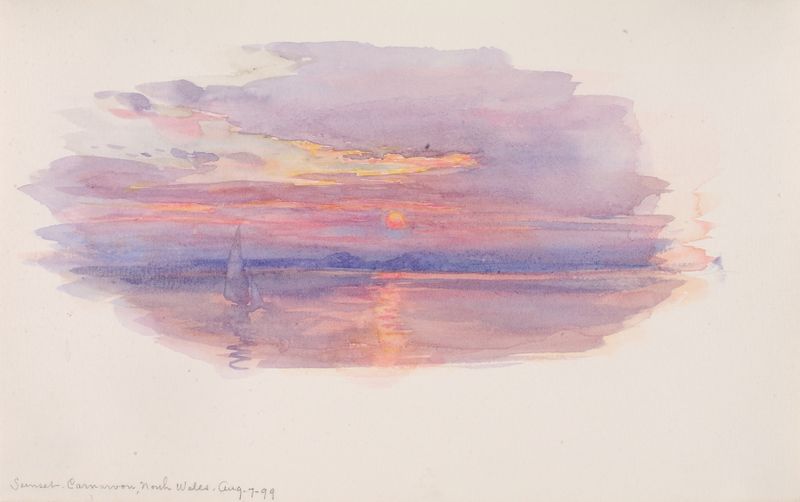
Sunset, Caernarvon, North Wales
George Elbert Burr
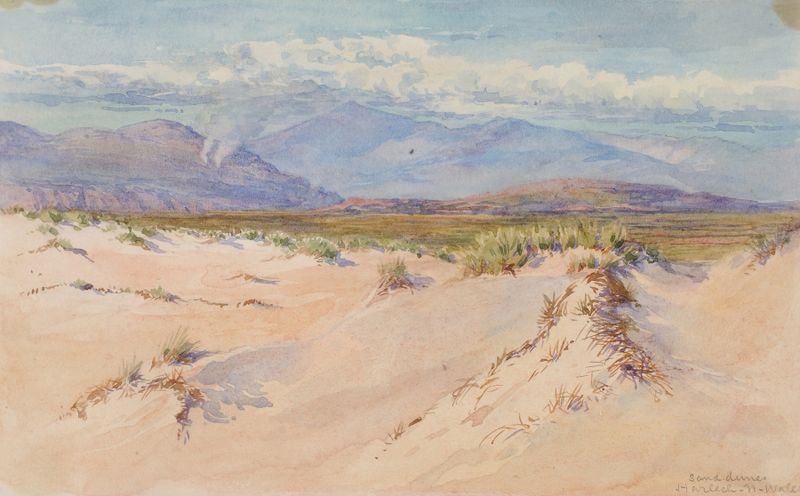
Sand Dunes, Harlech, North Wales
George Elbert Burr

From Pincio, Rome
George Elbert Burr

The Wye near Ross
George Elbert Burr
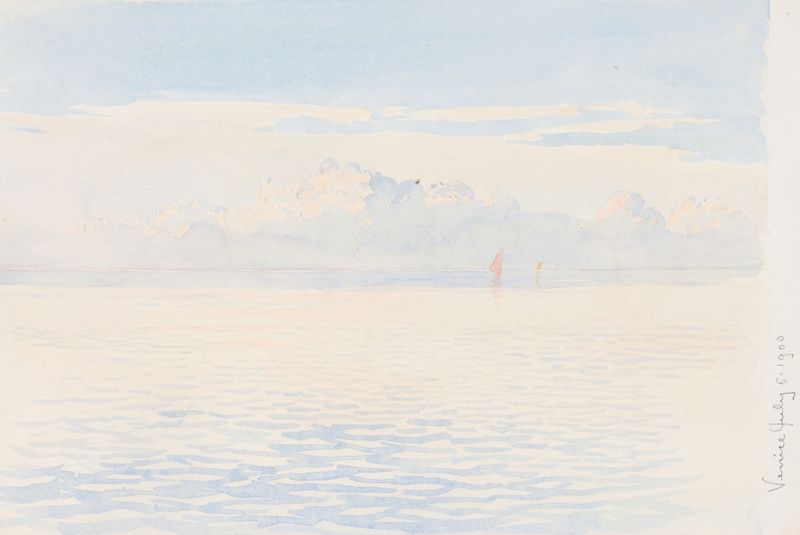
Venice II
George Elbert Burr

Shore at Pwllheli, N. Wales
George Elbert Burr

The Wye at Wilton Castle (Wales)
George Elbert Burr

Venice
George Elbert Burr

Criccieth, N. Wales II
George Elbert Burr

Old Bridge near Bettws-y-Coed, North Wales
George Elbert Burr





